There’s an alchemy to cooking with cast iron-a transformation that turns humble ingredients into irresistible, deeply flavored dishes. But before you can unlock this magic, you need to master the art of seasoning your cast iron pan. Seasoning isn’t just a step; it’s the secret handshake that bonds your cookware and your kitchen prowess. In this article, we’ll unravel the science and subtlety behind perfect seasoning, guiding you to create a naturally non-stick surface that enhances flavor with every sizzle. Prepare to turn your cast iron into a timeless culinary companion, capable of unlocking mouthwatering results every time you cook.
Understanding the Science Behind Cast Iron Seasoning
Unlock perfect flavor begins with appreciating the science that transforms raw cast iron into a kitchen essential boasting a naturally nonstick, robust surface. The magic lies in polymerization, a chemical reaction where oils or fats bond to the pan’s surface under heat, creating a hard, protective coating. This thin layer seals microscopic pores in the iron, preventing rust and food from sticking. Unlike synthetic nonstick coatings, a well-seasoned cast iron pan develops character and resilience over time, improving with every use and care.
Understanding how different oils behave at high temperatures is crucial because not all fats polymerize equally. Oils with higher smoke points and unstable triglycerides contribute to a durable seasoning layer that resists peeling or flaking. The process is both art and science-a beautiful example of culinary chemistry.
Selecting the Ideal Oils and Fats for Lasting Nonstick Surfaces
Choosing the right oil can make or break your seasoning efforts. For a lasting, flawless pan surface, opt for oils rich in polyunsaturated fats, which polymerize effectively at seasoning temperatures. Flaxseed oil is renowned among cast iron enthusiasts as the gold standard, forming a thin, glass-like finish after repeated seasoning cycles. Other excellent choices include grapeseed oil, sunflower oil, and refined avocado oil, each offering a high smoke point and excellent durability.
Butter and olive oil, despite their delicious cooking properties, contain lower smoke points and waxy components that might compromise your seasoning layer. When you’re ready to build an enduring surface, trust oils formulated by nature to withstand the heat and bond tightly to the iron.
Step-by-Step Guide to Achieving Flawless Pan Seasoning at Home
Ready to unlock perfect flavor with your cast iron? Follow this easy, methodical guide for a professional-quality seasoning that ensures every meal cooks beautifully.
- Prep and Cook Time: Approximately 1 hour 15 minutes, including cooling time
- Yield: One perfectly seasoned 10-12 inch cast iron skillet
- Difficulty Level: Medium (requires attention to detail but accessible to home cooks)
Ingredients
- 1 tablespoon flaxseed oil (or grapeseed oil as a substitute)
- 1 clean, dry cast iron skillet (no rust, no food residue)
- Paper towels or lint-free cloths
- Oven preheated to 450°F (230°C)
Instructions
- Clean Your Pan: Start by scrubbing your skillet with hot water and mild soap. While soap is usually avoided for seasoned pans, this first deep clean removes factory residue or rust. Dry thoroughly with a towel, then heat on the stove for a few minutes to ensure all moisture evaporates.
- Apply the Oil: Pour a small amount of flaxseed oil onto the pan’s surface. Using a paper towel, spread a very thin, even layer across the entire skillet, inside and out. Be vigilant to wipe away any excess oil-too much oil results in sticky patches rather than a smooth finish.
- Heat the Pan: Place the oiled skillet upside down on the middle oven rack. Position a foil-lined baking sheet or tray on the lower rack to catch any drips. Bake for 1 hour at 450°F (230°C).
- Cool Gradually: After baking, turn off the oven and let the pan cool inside for another hour. This slow cooling helps the polymerized oil bond strongly to the iron.
- Repeat the Process: Seasoning is a cumulative art. Repeat steps 2-4 at least 3 to 5 times for a durable, glossy, and nonstick finish that will elevate your cooking experience.
- Store Properly: After seasoning, wipe the skillet lightly with a thin coat of oil before storing to maintain its glossy coating and prevent rust.
Maintaining and Rejuvenating Your Cast Iron for Lifelong Flavor Excellence
Maintaining a cast iron skillet goes beyond seasoning-it’s a ritual that ensures your pan matures gracefully. After cooking, rinse with warm water (avoid soap), and gently scrub with a brush or chainmail scrubber if needed. Dry completely over low heat and apply a very thin layer of oil before storing.
If your skillet develops sticky residue, rust spots, or loses its shine, don’t worry! Simply strip the pan down using an oven cleaner or coarse salt scrub, then repeat the seasoning process. Regular use-especially frying, sautéing, or baking fatty foods-continues to build a richer seasoning layer, unlocking perfect flavor with every meal you create.
Chef’s Notes and Tips for Success
- Patience is key: Don’t rush seasoning layers; thin, repeated coats outperform thick, sticky ones.
- Heat consistency matters: Consistent oven temperature ensures even polymerization of your oil layer.
- Choosing your flaxseed oil: Use fresh, food-grade flaxseed oil kept refrigerated to avoid rancidity.
- Safe storage: Store your skillet in a dry place, preferably with a paper towel inside to absorb moisture.
- Rust prevention: If rust appears, scrub with steel wool, rinse, dry thoroughly, and reseason immediately.
Serving Suggestions
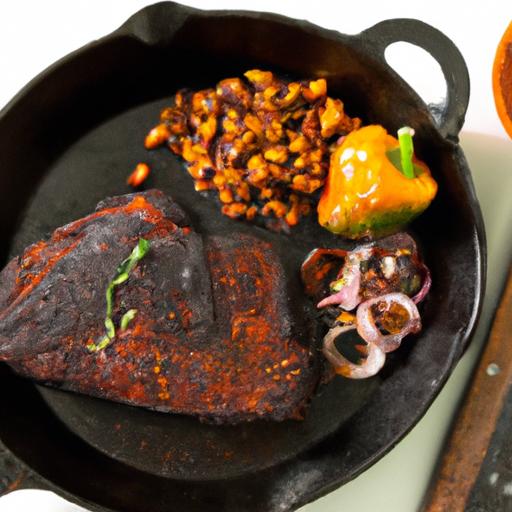
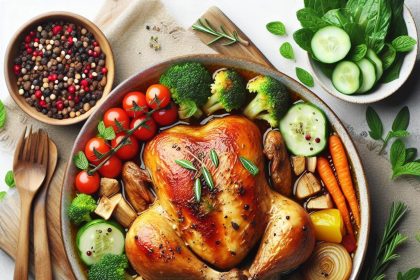
Taste your skillet’s developing nonstick prowess by searing juicy steaks, sautéing caramelized vegetables, or baking cornbread that effortlessly releases with a glossy crust. Garnish your dishes with fresh herbs like rosemary or thyme to highlight the rustic flavor enhanced by your well-seasoned pan. And don’t forget, the patina on your skillet mirrors the flavor depth you unlock in every meal-cook often, and savor every bite!

| Nutrient | Amount per Use |
|---|---|
| Calories from Oil | ~120 (per tablespoon) |
| Protein | 0g |
| Carbohydrates | 0g |
| Fat (from seasoning oil) | 14g |
For further insights, explore our top cast iron recipes or delve into the scientific background on polymerization at ScienceDirect.
Q&A
Q&A: Unlock Perfect Flavor – Mastering Cast Iron Pan Seasoning
Q1: Why is seasoning essential for a cast iron pan?
A1: Seasoning is the magical layer of polymerized oil that transforms your cast iron into a naturally non-stick surface. It protects the pan from rust, enhances its durability, and imbues your food with richer flavors. Think of seasoning as your pan’s flavorful armor, building character with every meal.
Q2: How do I know when my cast iron needs re-seasoning?
A2: If your pan starts sticking, shows dull or patchy spots, or rust begins to peek through, it’s time for a seasoning refresher. A well-seasoned pan gleams with a dark, smooth, almost glassy finish that practically invites food to sizzle.
Q3: What’s the best oil to use for seasoning cast iron?
A3: Go for oils with a high smoke point and good polymerization qualities-flaxseed, grapeseed, vegetable, or even refined avocado oil are top contenders. Flaxseed oil is often praised as the “golden touch” because it creates a thin, hard, and durable seasoning layer.
Q4: Can I season my pan without an oven?
A4: Absolutely! While the oven method ensures even heat distribution, you can also season on a stovetop by applying oil and heating gently in increments. It requires patience but still builds that vital flavor fortress.
Q5: How can I avoid sticky or uneven seasoning?
A5: Thin, even coats are your seasoning mantra. Wipe off excess oil thoroughly before heating-too much oil pools and forms sticky, gummy patches. Multiple thin layers baked at the right temperature yield the best results.
Q6: Does seasoning improve with regular cooking?
A6: Yes! Every time you cook with oil or fat, you deepen the seasoning bond. Frying bacon, searing steak, or sautéing veggies-these flavorful rituals continue to build your pan’s perfect, well-loved seasoning patina.
Q7: How do I maintain my seasoning after cooking?
A7: Clean gently with warm water and a brush or sponge-avoid harsh soap or scrubbing that strips seasoning. Dry immediately and apply a light coat of oil before storing. This TLC keeps your pan battle-ready and flavor-rich.
Q8: Can I ruin my seasoning?
A8: While possible, it’s not the end of the world. Acidic foods or harsh scrubbing can break down seasoning layers, but a good re-seasoning session can revive your pan’s non-stick magic. Think of it as an opportunity to start fresh and perfect your technique.
Q9: How long does the seasoning process take?
A9: Patience is a virtue here! A few hours per seasoning session with repeated layers over days or weeks helps create that legendary surface. Like fine wine, great seasoning develops with time and loving care.
Q10: Why does mastering cast iron seasoning unlock perfect flavor?
A10: Because seasoning transforms your pan into more than cookware-it becomes a flavor vessel, enhancing taste and texture in ways stainless steel can’t match. A well-seasoned cast iron pan is the secret ingredient behind restaurant-quality sears, crusts, and caramelization that make every bite memorable.
Unlocking perfect flavor starts with your cast iron pan’s seasoning-a delicious journey of science, patience, and love waiting to elevate your cooking game.
Concluding Remarks
In the world of cooking, few tools rival the timeless charm and versatility of a well-seasoned cast iron pan. Mastering the art of seasoning not only breathes life into your cookware but also unlocks a symphony of flavors in every dish you create. With patience, care, and attention to detail, your cast iron will develop a natural, non-stick surface that enhances taste while standing the test of time. Embrace the ancient ritual of seasoning as your secret weapon-transforming humble ingredients into culinary masterpieces and turning everyday meals into unforgettable experiences. So, dust off that skillet, oil it with intention, and embark on your journey toward perfect flavor, one sizzle at a time.