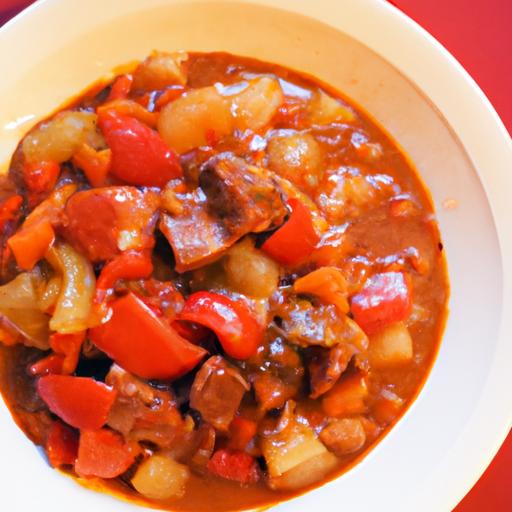
In the world of hearty stews and soulful flavors, few dishes inspire as much passion and friendly rivalry as goulash. Originating as a robust, paprika-spiced Hungarian classic, traditional goulash is a fragrant celebration of time-honored techniques and regional ingredients. Meanwhile, across the Atlantic, American comfort food enthusiasts have reimagined goulash into a cozy, tomato-rich casserole brimming with ground beef and elbow macaroni-an altogether different kind of delicious. This culinary crossroads presents a fascinating showdown: the rustic, aromatic romance of Old World goulash versus the accessible, stick-to-your-ribs charm of its American counterpart. Dive in as we explore the origins, ingredients, and cultural stories behind these two beloved versions, uncovering what makes each one a cherished comfort food in its own right.
Goulash Showdown: Traditional vs. American Comfort Dish
Goulash Showdown: Traditional vs. American Comfort Dish brings a culinary journey steeped in history and innovation. Originating from the heart of Central Europe, traditional goulash is a stew that carries the soul of Hungarian villages through its smoky paprika, tender beef, and velvety texture. Contrast this with the American twist-an approachable, hearty dish featuring ground beef, tomatoes, and elbow macaroni-that warms the spirit in a wholly different way. Whether you’re drawn to the nuanced spices of the old continent or the comforting familiarity of the American table, mastering both styles enriches your cooking repertoire and palate.
Prep and Cook Time
- Preparation: 20 minutes
- Cooking: 1 hour 15 minutes (Traditional) / 35 minutes (American)
- Total Time: 1 hour 35 minutes (Traditional) / 55 minutes (American)
Yield
Serves 6 hearty portions
Difficulty Level
Medium – Ideal for cooks comfortable with stovetop braising and layering spices.
Ingredients
- Traditional Hungarian Goulash:
- 2 lbs beef chuck, cut into 1-inch cubes
- 3 tbsp Hungarian sweet paprika (preferably freshly ground)
- 1 large onion, finely chopped
- 3 cloves garlic, minced
- 1 tbsp caraway seeds, lightly crushed
- 2 cups beef broth (low sodium)
- 2 tbsp vegetable oil or rendered lard
- 2 medium tomatoes, peeled and diced
- 2 bell peppers, sliced (red or green)
- Salt and freshly ground black pepper, to taste
- American-Style Goulash:
- 1 lb ground beef
- 1 large onion, diced
- 2 cloves garlic, minced
- 1 (14 oz) can diced tomatoes
- 1 (8 oz) can tomato sauce
- 2 cups beef broth
- 2 cups elbow macaroni, uncooked
- 1 tsp dried oregano
- 1 tsp paprika
- Salt and pepper, to taste
- 2 tbsp olive oil
Instructions
- Prepare Traditional Hungarian Goulash: Heat vegetable oil in a heavy-bottomed pot over medium heat. Add the chopped onions and sauté until translucent, about 5 minutes. Stir in minced garlic and caraway seeds; cook for another minute until fragrant.
- Add the beef cubes, stirring frequently, to brown on all sides. This develops the rich base flavor. Season with salt, pepper, and the sweet paprika; sprinkle paprika gradually to avoid burning, stirring constantly for about 2 minutes.
- Pour in beef broth, add diced tomatoes and sliced bell peppers. Bring to a gentle simmer, cover, and cook on low heat for 1 hour to 1 hour and 15 minutes, until beef is tender and flavors meld beautifully.
- Make American-Style Goulash: In a large skillet, warm olive oil over medium-high heat. Sauté onions until soft and golden, roughly 4 minutes. Add garlic, cooking until aromatic, about 1 minute.
- Add ground beef, breaking it apart as it cooks. Season with salt, pepper, oregano, and paprika. Cook until no longer pink, about 7-8 minutes.
- Stir in diced tomatoes, tomato sauce, and beef broth. Bring to a boil, then add the elbow macaroni. Reduce heat and simmer, uncovered, stirring occasionally, for 15 minutes or until pasta is tender and sauce thickens.
Tips for Success
- Authentic paprika: Opt for Hungarian sweet paprika to capture the genuine smoky-sweet profile in traditional goulash. Avoid pre-blended paprika powders to control flavor intensity.
- Meat selection: Chuck roast or similar cuts with marbling are best for slow-cooked traditional goulash, ensuring tender, juicy results.
- Layer flavors: Sautéing onions and garlic until golden unlocks essential sweetness, forming a flavor foundation.
- Sauce consistency: For the American goulash, if sauce thickens too much before pasta is cooked, add a splash of broth or water to maintain creaminess.
- Make-ahead: Both variations benefit from resting overnight; flavors deepen and textures meld, making leftovers even more satisfying.
- Spice variations: Feel free to add smoked paprika for the traditional style for an earthier taste or red pepper flakes to the American version for a subtle heat kick.
Serving Suggestions and Pairings
Traditional goulash shines when ladled into rustic bowls, sprinkled with freshly chopped flat-leaf parsley or a dollop of sour cream to temper the smoky paprika notes. Serve alongside crusty bread or Hungarian cornmeal dumplings (nokedli) for a genuine experience. A glass of medium-bodied red wine, like a Kadarka or a Pinot Noir, complements the dish’s depth.
The American version is best enjoyed as a comforting one-pot meal, optionally topped with shredded sharp cheddar and sliced green onions for color and tang. Pair it with a crisp green salad or steamed seasonal vegetables to balance the rich tomato base. For beverages, a light lager or an iced tea warms the palate without overwhelming.

| Nutrient | Traditional Goulash (per serving) |
American Goulash (per serving) |
|---|---|---|
| Calories | 350 | 420 |
| Protein | 38g | 28g |
| Carbohydrates | 12g | 35g |
| Fat | 15g | 18g |
Explore more comfort food classics with our Classic Stews and Comforting Meals guide, and deepen your culinary knowledge with Britannica’s detailed goulash history for authoritative insight.
Q&A
Q&A: Goulash Showdown – Traditional vs. American Comfort Dish
Q1: What exactly is traditional goulash?
A1: Traditional goulash hails from Hungary, a hearty stew of tender beef, onions, and a generous helping of paprika-the soul of the dish. It’s slow-simmered to develop rich, smoky, and slightly spicy flavors, often served with rustic bread or nokedli (Hungarian dumplings). It’s a taste of Central European history in every bite.
Q2: How does American goulash differ from the traditional version?
A2: American goulash, often found on Midwestern dinner tables, is more of a comforting casserole than a stew. It blends ground beef, elbow macaroni, tomatoes, and cheese into a tangy, easy-to-make dish. While it borrows the name and some paprika, it’s more about quick comfort food than the layered spices of Hungarian goulash.
Q3: Why did American goulash evolve so differently from its Hungarian ancestor?
A3: When Hungarian immigrants brought goulash to the U.S., adaptations were inevitable. Accessibility, time constraints, and local ingredients steered the dish toward simplicity. Ground beef and pasta replaced beef chunks and dumplings, while canned tomatoes and cheese introduced new textures and flavors, creating an all-American comfort meal with a nod to its roots.
Q4: Which goulash is healthier?
A4: Traditional goulash can be lower in carbs and richer in protein and antioxidants from paprika and fresh ingredients. American goulash tends to be more carb-heavy due to pasta and sometimes higher in fat with added cheese. However, healthiness varies with recipes and portion sizes-both can be tailored for balanced meals.
Q5: Can you suggest a way to enjoy the best of both worlds?
A5: Absolutely! Try a fusion goulash: start with the aromatic foundation of traditional Hungarian paprika and beef stew, but toss in elbow macaroni near the end of cooking. Finish with a sprinkle of sharp cheddar to bring in the creamy comfort Americans love. It’s a flavorful bridge between two culinary cultures.
Q6: What cultural significance does goulash hold in Hungary and America?
A6: In Hungary, goulash is more than food-it’s a national symbol of pride and tradition, often served at celebrations and family gatherings. American goulash represents cozy, no-fuss dinners, reminding many of childhood and home-cooked meals. Both versions tell stories about the values and lifestyles of their people.
Q7: How can beginners start experimenting with making goulash at home?
A7: For starters, choose your style: invest time in slow-cooking beef with paprika for traditional richness, or whip up a quick skillet mix of ground beef, pasta, and tomatoes for American ease. Use quality spices and taste as you go. Remember, both styles invite personal tweaks-so don your chef’s hat, and enjoy the delicious journey!
In Conclusion
As the fragrant steam rises from both pots, it’s clear that the goulash showdown is not about declaring a singular champion but celebrating the heartwarming stories each version tells. Traditional Hungarian goulash carries the legacy of smoky paprika and rustic countryside charm, while the American comfort dish wraps you in a cozy embrace of ground beef and elbow macaroni. Whether you crave the rich, authentic depth or the nostalgic simplicity, goulash in all its forms invites us to savor history, culture, and comfort all in one delicious bowl. So, next time you stir your pot, remember-every spoonful is a flavorful bridge between two worlds, united in their timeless appeal.