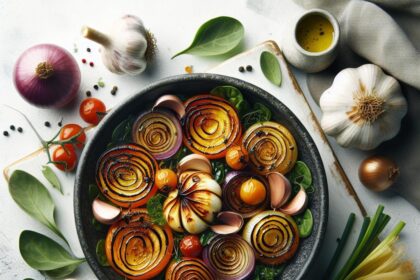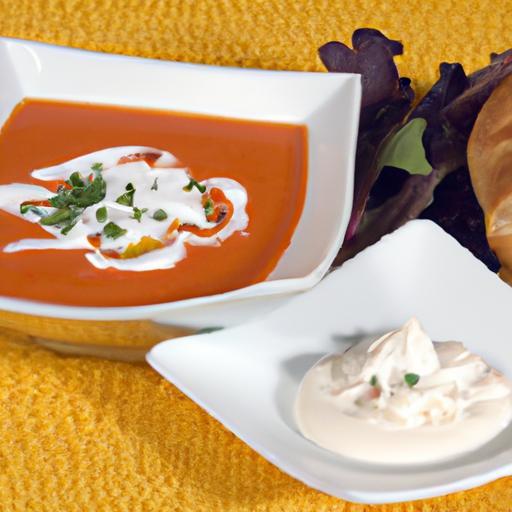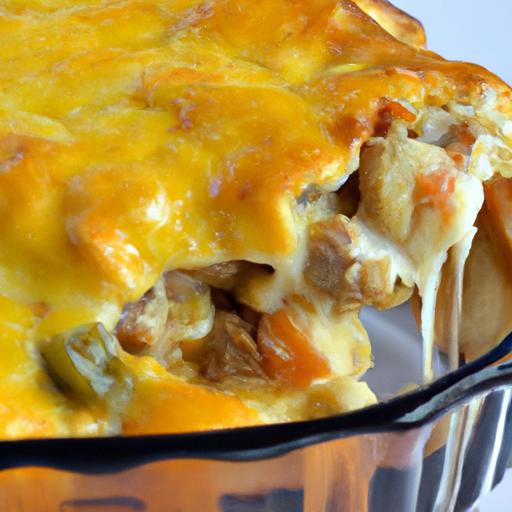

In kitchens across the United States, something magical happens when humble ingredients come together under a golden, bubbling crust. The casserole-an unassuming yet beloved dish-has woven itself into the very fabric of American culinary tradition. But beyond the comforting warmth and nostalgic flavors lies a rich tapestry of history, culture, and innovation waiting to be unearthed. Casserole Chronicles: Unveiling America’s Savory History invites you on a mouthwatering journey through time, exploring how this one-pot wonder evolved from frontier necessity to a symbol of home, community, and creativity. Prepare to discover stories simmering beneath the surface, revealing how casseroles have shaped-and been shaped by-the diverse tastes and tales of America.
Casserole Chronicles: Unveiling America’s Savory History
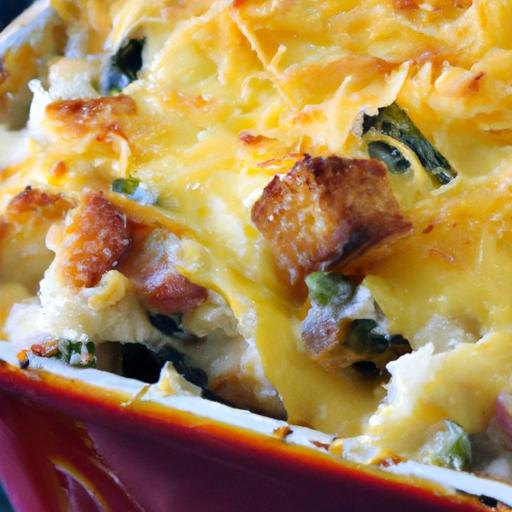
Casserole Chronicles: unveiling America’s savory history begins with a humble yet hearty dish that has found its way into countless kitchens and hearts. This classic casserole, a tantalizing blend of layered textures and rich flavors, embodies comfort and creativity. Its roots stretch back to simple, resourceful meals designed to nourish families, evolving over time into regional masterpieces that showcase local ingredients and culinary traditions.
Prep and Cook Time
- Preparation: 20 minutes
- Cooking: 45 minutes
- Total Time: 1 hour 5 minutes
Yield
Serves 6 generous portions
Difficulty Level
Medium – perfect for home cooks looking to elevate their everyday meals
Ingredients
- 2 cups cooked shredded chicken (or 1.5 cups for a leaner option)
- 1 cup chopped green bell peppers for a crisp freshness
- 1 medium yellow onion, finely diced
- 2 cloves garlic, minced
- 1 cup sliced mushrooms for earthy depth
- 2 cups cooked rice (white or brown)
- 1 1/2 cups shredded sharp cheddar cheese, divided
- 1 can (10.5 oz) cream of mushroom soup or homemade bechamel
- 1/2 cup sour cream for tang and creaminess
- 1/4 cup chicken broth enhances moistness
- 2 tbsp unsalted butter for sautéing vegetables
- 1 tsp smoked paprika to infuse warmth
- Salt and freshly ground black pepper to taste
- 1/2 cup seasoned breadcrumbs for a golden crunchy topping
Instructions
- Preheat your oven to 350°F (175°C). Grease a 9×13-inch casserole dish with butter or nonstick spray to prevent sticking.
- Sauté the vegetables: In a large skillet, melt butter over medium heat. Add the diced onion, green peppers, and mushrooms. Sauté until golden and fragrant, about 7 minutes, stirring regularly.
- Incorporate garlic & seasonings: Add minced garlic to the skillet and sauté for another minute. Stir in smoked paprika, salt, and pepper.
- Mix the base: In a large mixing bowl, combine cooked chicken, sautéed vegetables, cooked rice, half of the shredded cheddar cheese, cream of mushroom soup, sour cream, and chicken broth. Fold gently until the ingredients are well incorporated without breaking the rice grains.
- Assemble the casserole: Pour the mixture evenly into the prepared baking dish. Smooth the surface with a spatula for even cooking.
- Top with cheese and breadcrumbs: Sprinkle the remaining cheddar over the top, followed by the seasoned breadcrumbs for a satisfying crunch.
- Bake until bubbling and golden: Place the casserole in the oven and bake for 40-45 minutes, until the top is crisp and lightly browned, and the filling bubbles around the edges.
- Rest before serving: Remove from oven and let sit for 5-10 minutes to allow flavors to meld and ease cutting.
Tips for Success
- Texture Mastery: Use day-old rice or cooked grains chilled in the fridge to avoid a mushy casserole.
- Flavor Boost: Add a splash of white wine or a teaspoon of Dijon mustard to the mix to deepen complexity.
- Make Ahead: Assemble the casserole and refrigerate covered for up to 24 hours. Add an extra 10 minutes to baking time if chilled.
- Vegetarian Twist: Substitute chicken with hearty roasted vegetables or cooked lentils for a satisfying meatless meal.
- Crispy Finish: For an extra golden crust, briefly broil for 2-3 minutes at the end of baking-watch closely to prevent burning.
Serving Suggestions
This classic casserole pairs beautifully with a crisp green salad tossed in a tangy vinaigrette for contrast. Garnish with fresh chopped parsley or chives to add a burst of color and freshness. For a festive touch, sprinkle toasted pecans or sliced almonds over the top just before serving. A dollop of creamy Greek yogurt on the side can offer a lovely cooling balance.
| Nutrient | Per Serving |
|---|---|
| Calories | 380 |
| Protein | 28g |
| Carbohydrates | 30g |
| Fat | 14g |
Enhance your culinary journey by exploring other regional dishes in our Regional American Cooking series and deepen your understanding of American comfort foods.
For more food history and culinary inspiration, visit Food Timeline, a respected resource detailing the evolution of dishes like casseroles across cultures.

Q&A
Q&A: Casserole Chronicles – Unveiling America’s Savory History
Q1: What exactly is a casserole, and why does it deserve an entire chronicle?
A1: At its heart, a casserole is more than just a dish; it’s a cultural time capsule baked into a single pan. Originating from the French word for “saucepan,” casseroles blend convenience with comfort, capturing America’s evolving culinary story one layered ingredient at a time. Their humble origins and versatile nature make them worthy of deep exploration, revealing shifts in society, economy, and taste across the decades.
Q2: How did casseroles become such a staple of American kitchens?
A2: Casseroles rose to prominence during the mid-20th century as a symbol of practicality and innovation. Post-World War II America embraced casseroles because they were affordable, easy to prepare, and perfect for feeding growing families. The advent of canned soups and packaged ingredients in the 1950s turned casseroles into quick weekday miracles, immortalizing dishes like tuna noodle and green bean casseroles in American culinary lore.
Q3: What ingredients define a classic American casserole?
A3: While casseroles vary with regions and eras, classic ingredients include a starch base (like noodles, rice, or potatoes), a protein (chicken, tuna, or ground beef), a creamy binder (think cream soups or cheese sauces), and a crunchy topping (fried onions, breadcrumbs, or melted cheese). This winning combination blends texture and flavor in a way that’s hearty and satisfying, embodying the spirit of home-cooked comfort.
Q4: Are casseroles just nostalgic comfort food, or do they have a place in modern cuisine?
A4: Far from being relics, casseroles have a vibrant, evolving role in contemporary kitchens. Today’s chefs and home cooks experiment with global flavors, fresh ingredients, and dietary adaptations-vegan, gluten-free, low-carb-to keep the casserole tradition alive and relevant. Modern casseroles honor their comforting roots while embracing innovation, making them deliciously timeless.
Q5: Can exploring the history of casseroles tell us something broader about American culture?
A5: Absolutely. Casseroles are a culinary mirror reflecting changing American lives-from wartime scarcity to suburban abundance, from communal potlucks to solo convenience meals. They reveal how innovation meets tradition, how immigrant influences blend with native tastes, and how food can comfort and connect people through generations. In essence, casseroles are edible history lessons on resilience, creativity, and togetherness.
Q6: What’s a surprising fact about casseroles that many people might not know?
A6: Did you know that the green bean casserole, a Thanksgiving classic, was actually created as a promotional recipe by the Campbell Soup Company in the 1950s? It’s one of the most enduring examples of how marketing and convenience foods shaped American holiday traditions. This shows just how casseroles encapsulate a fascinating blend of culture, commerce, and cuisine.
Q7: How can readers start their own journey into the “Casserole Chronicles”?
A7: Begin by digging out your family’s old casserole recipes or experimenting with classic combinations. Then, dive into vintage cookbooks and mid-century magazines for historical perspective. Most importantly, share your casseroles with friends and loved ones-because every baked dish tells a story, and every shared meal adds a new chapter to America’s savory history.
In Summary
As the final spoonfuls of this culinary journey settle on our plates, the story of America’s casseroles remains far from fully told. These humble dishes, woven from diverse traditions and spiced with innovation, reveal much more than just flavors-they tell tales of community, resilience, and the evolving American table. From cozy family dinners to festive gatherings, casseroles continue to embody a rich heritage that invites us all to savor history, one comforting bite at a time. So next time you lift the lid off a bubbling casserole, remember: you’re not just sharing a meal, you’re partaking in an enduring, savory chronicle that’s as hearty and layered as the dish itself.