
In a world where culinary trends come and go with dizzying speed, there exists a dish that transcends time, culture, and fleeting fads-old-fashioned matzo ball soup. More than just a staple of Jewish tradition, this humble bowl of golden broth and tender, cloud-like dumplings offers a comforting embrace that warms both body and soul. With each spoonful, matzo ball soup invites us to slow down and savor a taste of history, a recipe passed through generations, steeped in memory and meaning. Join us as we dive into the timeless comfort and classic charm of this beloved soup, unraveling its origins, its enduring appeal, and the simple magic that keeps it a cherished classic on tables around the world.
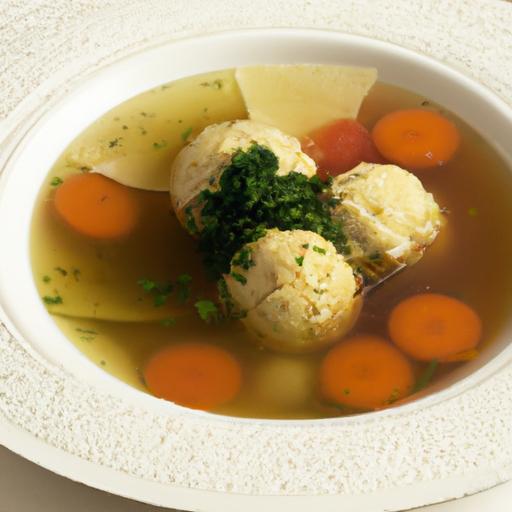
Timeless comfort flavors every spoonful of matzo ball soup, a cherished dish steeped in history and nurtured by generations. Originating as a staple in Eastern European Jewish households, this soul-soothing soup captures the essence of tradition and familial warmth. Each fluffy matzo ball, tender and light, floats gracefully in a broth simmered to perfection, creating a bowl that feels like a loving embrace on a chilly day. Whether it evokes memories of holiday gatherings or first introductions to heritage cuisine, mastering this recipe invites you into a culinary story as rich as its flavor.
Prep and Cook Time
Preparation: 30 minutes | Chilling: 20 minutes | Cooking: 1 hour 15 minutes
Yield
6 generous servings
Difficulty Level
Medium – approachable with attention to detail for perfect matzo balls and broth
Ingredients
- Matzo Balls:
- 1 cup fine matzo meal
- 4 large eggs, lightly beaten
- 1/4 cup vegetable oil or melted schmaltz (chicken fat)
- 1/4 cup cold water or broth
- 1 tsp kosher salt
- 1/4 tsp ground black pepper
- Optional: 1-2 tbsp finely chopped fresh dill or parsley
- Broth:
- 6 cups chicken broth (homemade preferred for depth)
- 1 large onion, peeled and halved
- 3 carrots, peeled and sliced
- 2 celery stalks, sliced diagonally
- 3 garlic cloves, smashed
- 1 bay leaf
- Salt and freshly ground black pepper, to taste
- Optional: fresh herbs such as thyme or parsley for garnish
Instructions
- Prepare the Matzo Ball Dough: In a medium bowl, combine matzo meal, eggs, oil or schmaltz, water or broth, salt, and pepper. Mix well until all ingredients are fully incorporated. For extra freshness, gently fold in herbs if using.
- Chill the Mixture: Cover and refrigerate for about 20 minutes. This step hydrates the matzo meal, ensuring the balls hold together without being dense.
- Shape the Matzo Balls: Using wet hands, lightly form the dough into 1-inch balls, taking care to keep them loose and airy-avoid packing tightly to maintain fluffiness.
- Prepare the Broth: In a large pot, bring the chicken broth to a gentle simmer. Add onion, carrots, celery, garlic, and bay leaf. Allow the vegetables to infuse the broth for about 20-30 minutes, skimming any foam for clarity.
- Cook the Matzo Balls: Reduce broth to a gentle simmer. Carefully drop matzo balls, one at a time, into the broth. Cover and simmer for 35-40 minutes, avoiding lifting the lid to keep steam inside. The matzo balls should double in size and become fluffy.
- Season and Serve: Remove bay leaf and any vegetable remnants you prefer. Taste and adjust seasoning with salt and pepper. Ladle broth and matzo balls into bowls, garnishing with fresh herbs for a vibrant finish.
Chef’s Notes
- For extra tenderness: Replace half the vegetable oil with rendered chicken schmaltz, adding savory depth and authenticity.
- Make-ahead tip: Matzo ball dough can be prepared a day ahead and kept refrigerated. Shape and cook just before serving for freshest texture.
- Broth clarity: Use a gentle simmer rather than a boil to keep your broth crystal clear and rich-tasting.
- Herb variations: Dill delivers a traditional herbal note while parsley introduces a bright freshness.
- Gluten-free option: Substitute matzo meal with a specialty gluten-free matzo meal product to accommodate dietary needs.
Serving Suggestions
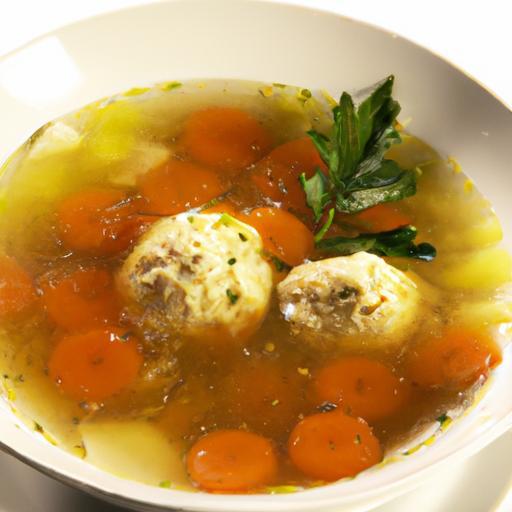
Present the matzo ball soup in deep white bowls to showcase the fluffy spheres nestled in golden broth. Add finely sliced green onions or a sprinkle of finely chopped dill for a splash of color. For a modern twist, accompany with crusty artisan bread or toasted garlic baguette slices. A light drizzle of high-quality extra virgin olive oil on the broth adds richness and sheen. Serve alongside a crisp cucumber salad for a refreshing balance or a glass of light white wine to elevate this comforting classic.

| Nutrient | Per Serving |
|---|---|
| Calories | 220 kcal |
| Protein | 14 g |
| Carbohydrates | 18 g |
| Fat | 9 g |
Q&A
Q&A: Timeless Comfort – The Classic Charm of Old-Fashioned Matzo Ball Soup
Q1: What makes old-fashioned matzo ball soup a timeless comfort food?
A1: Old-fashioned matzo ball soup transcends generations because it offers more than just nourishment-it carries a legacy of warmth, tradition, and nostalgia. The delicate, pillowy matzo balls floating in a rich, savory broth evoke memories of family gatherings and holiday celebrations, making each spoonful a comforting embrace from the past.
Q2: How do matzo balls differ from regular dumplings or noodles in soup?
A2: Matzo balls are unique in their simplicity and texture. Made primarily from matzo meal, eggs, water, and fat, they create a light yet satisfying sphere that’s neither too dense nor too chewy. Unlike noodles, which can be thin and slippery, or dumplings that often have fillings or dough thickness, matzo balls boast a delicate crumb that soaks up the soup’s essence without falling apart.
Q3: What is the secret to making perfect old-fashioned matzo balls?
A3: The secret lies in the balance of ingredients and patience. Using chilled ingredients, the right ratio of fat (like schmaltz or oil), and gently mixing without overworking the batter creates that tender texture. Letting the dough rest before shaping gives the matzo balls their airy lightness, while a slow simmer ensures they cook through without dissolving.
Q4: Why is the broth so important in traditional matzo ball soup?
A4: The broth is the soul of the soup. A well-made broth, often chicken-based and simmered with vegetables and aromatic herbs, imparts deep flavor that defines the dish. The matzo balls, while delicious on their own, absorb and amplify these savory notes, turning the soup into a harmonious blend where every sip comforts and delights.
Q5: Can matzo ball soup be adapted for modern palates or dietary needs?
A5: Absolutely! While the classic recipe honors tradition, contemporary cooks often experiment with gluten-free matzo meal alternatives or vegetable-based broths for vegetarian versions. Incorporating fresh herbs, roasted garlic, or a hint of spice can also refresh the classic without losing its comforting essence, making it accessible to a wider audience.
Q6: What cultural significance does matzo ball soup hold beyond its taste?
A6: More than just a dish, matzo ball soup is a symbol of heritage and resilience. Rooted in Jewish culinary tradition, it often surfaces during Passover and other holidays, representing continuity, family, and the sharing of stories over a warm meal. Its enduring presence in households worldwide celebrates identity, memory, and the timeless power of food to connect us.
Q7: How can newcomers best experience the charm of old-fashioned matzo ball soup?
A7: Newcomers should approach the soup with an open heart and a willingness to savor its layers-both flavor and history. Trying a homemade bowl, ideally crafted by someone with a cherished family recipe, offers the fullest experience. Pair it with stories of its origins to deepen appreciation, and let the timeless comfort work its magic spoon by spoon.
The Conclusion
In a world where culinary trends come and go, the enduring appeal of old-fashioned matzo ball soup reminds us that some flavors are truly timeless. This humble bowl, steeped in history and brimming with heartwarming goodness, offers more than just nourishment-it carries stories, traditions, and a comforting sense of home. Whether sipped on a chilly afternoon or shared during a festive gathering, classic matzo ball soup remains a delicious testament to the beauty of simplicity and the lasting charm of tradition. So next time you crave a taste of comfort, remember that sometimes, the most classic recipes are the ones that warm us best.