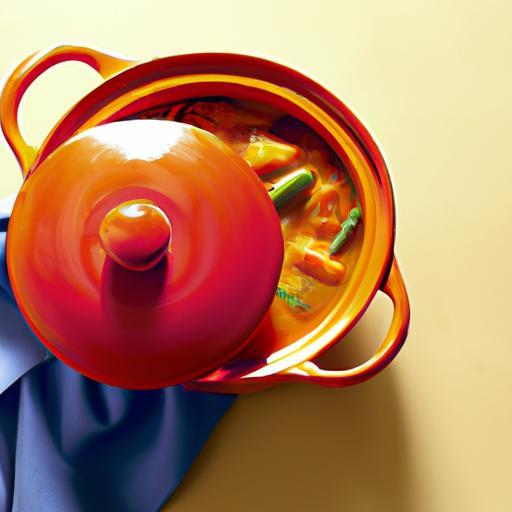

When it comes to mastering the art of slow-cooked stews, artisanal bread, or that perfect braise, the Dutch oven stands as an indispensable kitchen companion. And in the realm of these heavy-duty culinary vessels, two iconic names emerge from the cast iron crowd: Le Creuset and Staub. Both brands boast a legacy of craftsmanship, vibrant enamel finishes, and unwavering performance-but which truly reigns supreme when it comes to elevating your cooking game? In this flavorful face-off, we’ll delve deep into the history, design, functionality, and user experience of Le Creuset versus Staub, helping you uncover the ultimate Dutch oven that deserves a spot on your stovetop and in your heart.
Le Creuset vs Staub: Which Dutch Oven Reigns Supreme? When it comes to investing in a premium enameled cast iron Dutch oven, the choice can feel daunting. Both Le Creuset and Staub have carved an exquisite niche with their distinctive design philosophies and unparalleled cooking performance. Let’s unravel what sets these culinary icons apart and which might best suit your kitchen adventures and budget.
Prep and Cook Time
- Prep Time: 10 minutes
- Cook Time: Varies per meal type, typically 1.5-3 hours
Yield
- Serves 4 to 6 people depending on size
Difficulty Level
- Medium (Requires basic experience with slow cooking and braising)
Ingredients
- 4 lbs bone-in beef chuck roast, trimmed
- 2 tbsp olive oil
- 1 large onion, diced
- 3 garlic cloves, minced
- 2 cups beef broth
- 1 cup dry red wine
- 3 sprigs fresh rosemary
- 2 sprigs fresh thyme
- 2 cups chopped carrots
- 2 cups diced potatoes
- Salt and freshly ground black pepper, to taste
Instructions
- Preheat your Le Creuset or Staub Dutch oven over medium heat. Add olive oil and let it warm until shimmering.
- Season the beef generously with salt and pepper. Sear the roast in the pot for 4-5 minutes per side, until deeply browned. Remove and set aside to rest.
- Sauté the diced onion in the same pot until translucent, about 5 minutes. Stir in minced garlic and cook for 1 minute more until fragrant.
- Deglaze the Dutch oven with red wine, scraping up those flavorful browned bits clinging to the bottom. Let the wine reduce by half (about 5 minutes).
- Add the beef broth, rosemary, and thyme. Return the roast to the pot along with any resting juices.
- Cover with the lid and transfer to a 325°F (160°C) oven. Braise gently for 2 to 2.5 hours until the meat is tender.
- Add carrots and potatoes halfway through cooking. Continue braising until vegetables are fork-tender.
- Remove the pot from the oven and let rest for 10 minutes before serving. Adjust seasoning as desired.
Chef’s Notes
- Design Impact: Le Creuset’s vibrant, smooth enamel provides an easy-to-clean surface ideal for acidic dishes, while Staub’s textured matte enamel helps brown meats beautifully and retains heat slightly longer-perfect for slow-cooked stews.
- Durability Tip: Both brands boast decades-long lifespans when properly cared for. Avoid thermal shock by preheating gradually and never placing a hot Dutch oven on cold surfaces.
- Substitutions: Swap beef with lamb or pork shoulder for a different flavor profile; root vegetables like parsnips or turnips can replace carrots and potatoes.
- Make-Ahead: This dish improves when made a day ahead-stored refrigerated and gently reheated in your Dutch oven, allowing flavors to deepen.
Serving Suggestions
Present your braised masterpiece straight from your Le Creuset or Staub Dutch oven for a rustic yet elegant touch. Garnish with chopped fresh parsley or a sprinkle of flaky sea salt to highlight the rich sauce. Serve alongside crusty French bread or creamy mashed potatoes to soak up every delicious drop.
| Nutrition | Per Serving |
|---|---|
| Calories | 450 kcal |
| Protein | 38g |
| Carbohydrates | 22g |
| Fat | 18g |
Explore more Dutch ovens and cast iron cookware reviews here. For detailed material science on enameled cast iron, visit this high-authority research.

Q&A
Q: What makes Le Creuset and Staub the top contenders in the Dutch oven world?
A: Both Le Creuset and Staub have been crafting iconic enameled cast iron Dutch ovens for decades, combining timeless design with exceptional cooking performance. Le Creuset is known for its vibrant colors and smooth interior, while Staub offers a rustic matte finish and self-basting lids designed to lock in flavor. Together, they dominate kitchens by delivering durability, heat retention, and style.
Q: How do Le Creuset and Staub differ in cooking performance?
A: Staub’s signature matte black enamel interior is prized for its natural non-stick properties that improve with use, and its self-basting spikes on the lid continuously redistribute moisture for richer sauces. Conversely, Le Creuset’s glossy, lighter-colored enamel is easier to clean and shows food more clearly while cooking, making it ideal for dishes where monitoring progress is key. Both excel in slow roasting, braising, and simmering, but Staub’s moisture circulation gives it a slight edge in flavor infusion.
Q: Which brand offers better durability and maintenance?
A: Both brands are incredibly durable and can last a lifetime with proper care. Le Creuset’s smooth enamel surface can be more prone to chipping if mishandled, while Staub’s matte interior is more resistant to scratches and stain discoloration. Cleaning is straightforward for both-warm, soapy water and careful handling are best-yet Le Creuset’s lighter interior may require a little extra attention to prevent staining from acidic or strongly colored foods.
Q: What about aesthetics – which Dutch oven looks better in the kitchen?
A: This boils down to personal taste. Le Creuset dazzles with its eye-catching palette of bright, cheerful colors-from sunny yellows to deep reds-often becoming a statement piece. Staub embraces a more understated, timeless elegance with its darker, earth-toned hues and a vintage-inspired matte finish that complements rustic and modern kitchens alike. Either way, both brands elevate your kitchen’s style quotient significantly.
Q: How does price factor into the Le Creuset vs Staub debate?
A: Generally, both brands sit in the premium price tier, reflecting their quality craftsmanship. However, Staub Dutch ovens sometimes come in a touch lower, offering a slightly better value for those looking for professional performance without the highest sticker shock. Le Creuset’s broader color choices and brand prestige can justify the premium for many enthusiasts.
Q: Which Dutch oven should a first-time buyer choose?
A: If you want a piece that’s visually stunning, easy to clean, and versatile enough to handle all your recipes, Le Creuset is a fantastic first investment. But if you’re after a Dutch oven that enhances flavor depth and can take some wear and tear while looking effortlessly chic, Staub is a brilliant choice. Either way, you’re getting a kitchen workhorse that will inspire countless delicious meals.
Q: Can you summarize which Dutch oven reigns supreme?
A: The crown depends on what you value most: Le Creuset wins for colorful charm and ease of upkeep; Staub triumphs in moisture retention and rustic beauty. Both are stellar performers with slight nuances. Ultimately, the true winner is your kitchen, enriched by either Dutch oven’s legendary cooking prowess.
In Conclusion
In the spirited battle between Le Creuset and Staub, the crown of Dutch oven supremacy ultimately depends on your cooking style and aesthetic preferences. Le Creuset dazzles with its vibrant color palette and lightweight ease, perfect for those who crave versatility and a splash of kitchen artistry. Staub, on the other hand, offers a rugged, understated charm with superior heat retention and that signature matte black enamel-ideal for slow-cooking aficionados who prize depth of flavor. Whichever side you choose, both brands deliver exceptional quality and durability that will transform your culinary adventures for years to come. So, whether you’re braising a stew or baking a crusty loaf, rest assured that your Dutch oven will reign supreme at the heart of your kitchen.