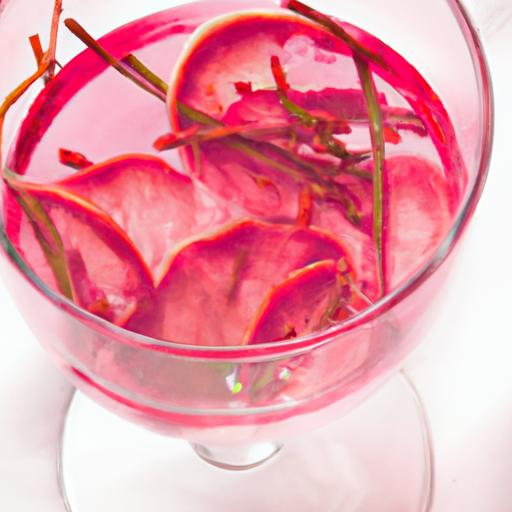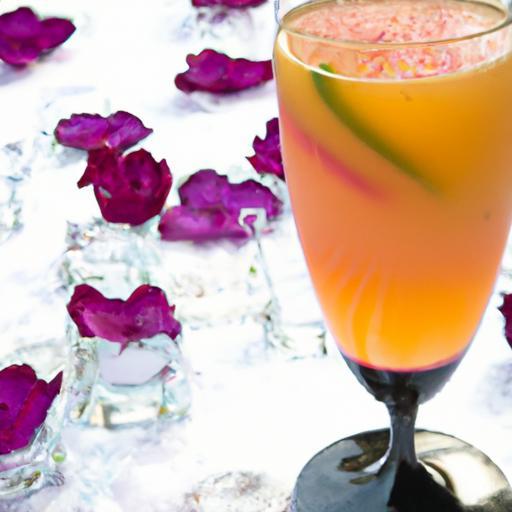

In a world that often rushes toward the artificial and the mass-produced, there remains a quiet charm in returning to nature’s simplest gifts. Among these treasures is the exquisite essence known as rose water-a timeless elixir celebrated for centuries across cultures for its delicate fragrance and myriad uses. Crafting pure rose water at home is more than just a ritual; it is an art that connects us to ancient traditions, infuses our daily routines with serene beauty, and invites us to slow down and savor the petals of life. Join us as we explore the enchanting process of making this fragrant liquid, unlocking secrets passed down through generations and rediscovering the effortless elegance of nature bottled in a jar.
The Timeless Art of Crafting Pure Rose Water at Home is a magical journey into the fragrant world of roses, capturing their delicate essence to create a hydrosol that is as versatile as it is enchanting. From the earliest morning hours when petals hold the purest dew to the meticulous distillation process, this guide invites you to immerse yourself in the authentic craft of harvesting and preparing rose water that’s truly homemade.
Prep and Cook Time
- Preparation: 30 minutes
- Harvesting: Early morning, 20-30 minutes
- Distillation: 45 minutes to 1 hour
- Total Time: Approximately 2 hours
Yield
Produces approximately 1 cup (240 ml) of pure rose water
Difficulty Level
Medium: Requires patience and attention to detail, rewarding your effort with an exquisite aromatic product.
Ingredients
- 4 cups fresh rose petals (preferably organic and pesticide-free, ideally Damask or rosa centifolia)
- 4 cups distilled water
- Ice cubes (for distillation)
- Clean glass jar or bottle for storage
- Optional: a pinch of natural preservative like 1 tsp vodka (for longer shelf life)
Step-by-Step Instructions
- Harvest fresh rose petals early in the morning when their fragrance is most potent. Gently pluck the petals from organically grown roses, avoiding any blemished or wilted petals to ensure purity and flavor.
- Rinse the petals softly in cold distilled water to remove any dirt or tiny insects, then gently pat dry using a clean kitchen towel.
- Prepare your distillation setup: In a large pot, place a metal or heat-safe bowl upside down. Arrange the petals evenly around this bowl and pour distilled water just enough to cover the petals – avoid submerging them completely to prevent dilution of aroma.
- Place an inverted lid on the pot and place ice cubes on top of the lid to create condensation inside the pot. The rising steam will collect on the lid, condense with the cold surface, and drip into the bowl inside.
- Heat the pot gently over low to medium flame, allowing steam to capture the floral oils slowly. Maintain the temperature to produce a steady stream of condensation for about 45 minutes to 1 hour-avoid boiling to preserve the delicate scent.
- Carefully remove the lid as steam subsides, then lift out the collected rose water from the bowl. Transfer it immediately into a sterilized glass bottle, ensuring no petals or debris mix in.
- Add a teaspoon of vodka if you wish to extend shelf life naturally, but this is optional.
- Store your homemade rose water in a cool dark place, or refrigerate for optimal freshness, preserving its vibrant aroma and benefits for up to 2 weeks.
Tips for Success
- Choose the right roses: Only use petals from pesticide-free, fragrant roses ideally picked just after dawn – their oil concentration is highest then.
- Avoid soap or chemical exposure: Wash hands and utensils thoroughly before handling petals to keep your rose water uncontaminated.
- Keep temperature low: Boiling destroys most essential oils; gentle heat is key to preserving the rose’s true essence.
- Use distilled water to avoid impurities and ensure clarity and purity of your rose water.
- Make smaller batches for ultimate freshness since homemade rose water lacks commercial preservatives.
Serving Suggestions
Pure rose water shines as a luxurious facial toner, a delicate natural perfume, or as a subtle flavor enhancer in desserts like panna cotta or rose-flavored syrups. For an elegant twist, mist it over fresh fruit salads or chilled summer beverages. Garnish your presentations with fresh rose petals or a lemon twist to highlight the floral notes elegantly.

Nutritional Information per 1 tbsp (15 ml) Serving
| Calories | Protein | Carbohydrates | Fat |
|---|---|---|---|
| 0 | 0 g | 0 g | 0 g |
Explore more on natural skincare and homemade hydrosols in our Natural Skincare Guide. For scientific insights into the aromatic compounds of roses, visit this authoritative study on rose essential oils.
Q&A
Q&A: The Timeless Art of Crafting Pure Rose Water at Home
Q1: What makes rose water so special throughout history?
A1: Rose water is more than a fragrant elixir; it’s a sensory bridge to countless cultures and centuries. Revered since ancient Persia, it symbolizes beauty, love, and purity. Its gentle aroma and soothing properties have graced royal baths, kitchens, and healing apothecaries alike, making it a timeless treasure.
Q2: Why should I make rose water at home instead of buying it?
A2: Crafting rose water at home connects you with an age-old ritual, allowing you to capture the freshest essence of each bloom without additives or preservatives. Homemade rose water is pure, potent, and customizable-each batch reflects the unique character of your roses and your own careful touch.
Q3: What kind of roses should I use for the purest rose water?
A3: For the most luxurious rose water, choose organically grown, fragrant roses-Damask and Cabbage roses are traditional favorites due to their intense scent and delicate petals. Avoid hybrid or garden center varieties that may be treated with chemicals or lack aromatic depth.
Q4: Can you briefly explain the basic method to make rose water at home?
A4: Certainly! The gentlest way is distillation: simmer fresh rose petals in distilled water just until the petals lose color. Then, collect the steam condensing into a fragrant liquid-the pure rose water. Alternatively, a simple simmer method involves steeping rose petals in boiling water, then straining after they release their scent. Both methods yield a beautiful, aromatic elixir.
Q5: How do I store homemade rose water to keep it fresh?
A5: Keep your rose water in a sterilized, airtight glass container, away from sunlight and heat. Stored in the refrigerator, it can stay fresh for up to 2 weeks. For longevity, add natural preservatives like a few drops of vodka or glycerin, extending shelf life while maintaining purity.
Q6: What are some creative uses for homemade rose water?
A6: Rose water is wonderfully versatile! Use it as a refreshing facial toner, a natural perfume, or a spritz to enliven your linens. It enhances desserts like panna cotta or baklava with subtle floral notes, and it can soothe skin irritations or infuse homemade cosmetics with gentle hydration.
Q7: Are there any precautions I should consider when using rose water?
A7: While rose water is gentle, always perform a patch test before widespread use, especially on sensitive skin. Be sure your roses are pesticide-free, and avoid ingested quantities if you’ve not confirmed safety-homemade rose water is primarily for external use unless you know the source is food-grade.
Q8: What emotions or experiences might one expect when making rose water at home?
A8: Making rose water is a meditative dance with nature-a sensory celebration that invites mindfulness and calm. As petals release their fragrance, time seems to slow, and a simple kitchen moment transforms into a fragrant ritual of beauty and self-care.
This Q&A captures the magic and method of crafting pure rose water at home, inspiring readers to embark on their own aromatic adventure.
In Conclusion
As the delicate petals unfurl and their essence gently infuses into crystal-clear water, crafting pure rose water at home becomes more than a simple kitchen ritual-it transforms into a celebration of nature’s elegance and your own mindful creativity. This timeless art connects us to centuries of tradition, inviting a moment of calm and purity in our modern lives. Whether used to refresh the skin, enliven the senses, or add a fragrant touch to culinary delights, homemade rose water carries with it the whisper of roses in full bloom-an aromatic reminder that sometimes, the most exquisite treasures are those we nurture with our own hands. So, embrace the slow, fragrant dance of petals and steam, and let the essence of roses elevate your everyday into a fragrant ritual of self-care and beauty.