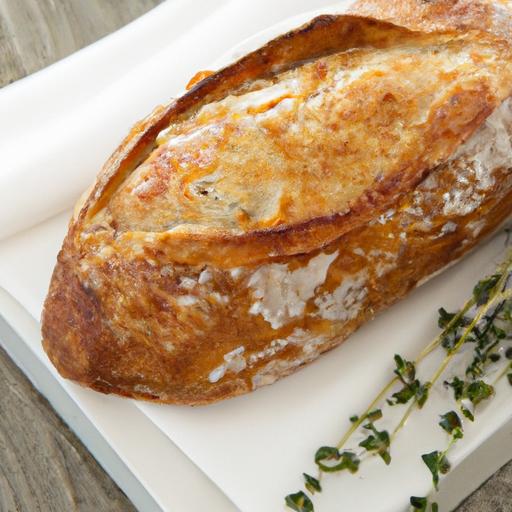

In the ever-evolving world of cuisine, the phrase “classic recipe” evokes memories of comfort, heritage, and timeless flavors passed down through generations. Yet, as palates diversify and culinary techniques advance, these cherished dishes stand at the crossroads of tradition and innovation. Reimagining tradition invites us to explore the delicate balance between honoring the roots of a recipe and infusing it with a contemporary soul. What truly defines a modernized classic? Is it the play of unexpected ingredients, a shift in presentation, or a thoughtful nod to health and sustainability? This journey into reinventing gastronomic legacies reveals how chefs and home cooks alike breathe new life into familiar favorites, crafting dishes that resonate with both nostalgia and novelty.
Reimagining Tradition: What Defines a Modernized Classic Recipe?
Reimagining Tradition: What Defines a Modernized Classic Recipe? invites us into a culinary journey where the past meets the present. It’s about honoring time-tested flavors while daring to introduce subtle, thoughtful innovations that elevate the experience. Imagine a beloved classic like coq au vin or ratatouille, transformed by fresh ingredients, contemporary cooking methods, or eye-catching presentation-all without losing their soul.
Prep and Cook Time
- Preparation Time: 20 minutes
- Cooking Time: 40 minutes
- Total Time: 1 hour
Yield
- Serves 4 generous portions
Difficulty Level
- Medium – suitable for home cooks willing to experiment with techniques
Ingredients
- 1 ½ lbs organic chicken thighs, skin-on, bone-in
- 2 tbsp extra virgin olive oil
- 4 sprigs fresh thyme
- 1 cup dry white wine (modern substitute: low-sodium chicken broth with a splash of white grape juice)
- 8 oz baby cremini mushrooms, halved
- 1 large shallot, finely minced
- 3 garlic cloves, crushed
- ½ cup pearl onions, peeled (optional, but recommended)
- 1 tbsp tomato paste
- ½ cup crème fraîche (modern substitute: Greek yogurt for tang and creaminess)
- Salt and freshly ground black pepper, to taste
- Microgreens and edible flowers, for garnish
Instructions
- Warm the olive oil in a heavy-bottomed skillet over medium-high heat. Pat the chicken thighs dry, season with salt and pepper, and sear skin-side down until golden brown and crisp, about 6 minutes. Flip and cook another 4 minutes. Remove from pan and set aside.
- Reduce heat to medium. Add shallots, garlic, pearl onions, and mushrooms to the skillet. Sauté gently until softened and slightly caramelized, about 7 minutes, stirring occasionally.
- Stir in tomato paste, cooking for 1 minute to deepen the flavor.
- Deglaze the pan with white wine (or broth mixture). Scrape up the fond on the pan bottom with a wooden spoon to enrich the sauce. Simmer until liquid reduces by half.
- Return the chicken to the pan and add fresh thyme sprigs. Cover and cook on low for 25 minutes, or until the chicken is tender and cooked through. Occasionally spoon sauce over chicken to keep it moist.
- Remove chicken and thyme sprigs. Stir in crème fraîche (or Greek yogurt) to the sauce, heating gently to thicken without boiling. Taste and adjust seasoning.
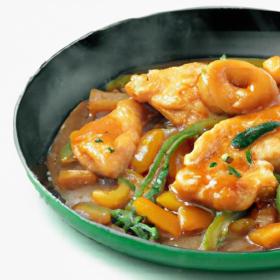
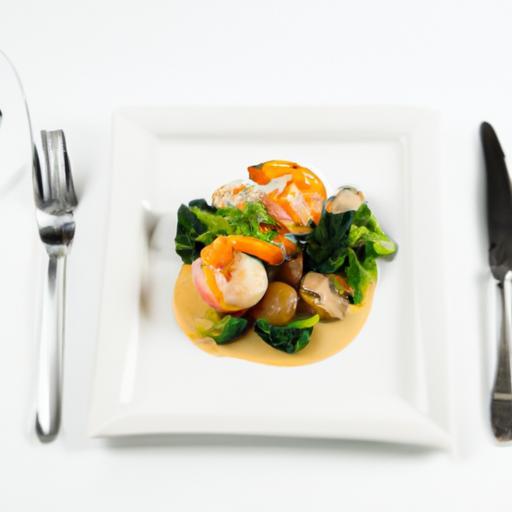
- Plate chicken thighs with a generous spoonful of mushroom sauce. Garnish with fresh microgreens and edible flowers for a modern, visually stunning finish.
Chef’s Notes
- Modern Ingredient Swaps: Try substituting traditional dry wine with non-alcoholic alternatives like white grape juice mixed with broth for a similar acidity and sweetness, maintaining the original’s balanced profile.
- Technique Tip: Searing chicken skin thoroughly locks in juices and achieves a textural contrast that modern methods often highlight by focusing on mouthfeel.
- Make-Ahead: The mushroom sauce can be prepared a day ahead and gently reheated, allowing flavors to meld even deeper.
- Flavor Booster: For added depth, finish the dish with a light drizzle of toasted nut oil or a sprinkle of smoked sea salt just before serving.
Serving Suggestions
Embrace modern plating with minimalist elegance. Serve on white matte ceramic plates to emphasize rich colors. Stack the chicken thighs neatly and spoon sauce artfully around the edges rather than flooding the plate. Add a small pile of microgreens and edible flowers to one side for an elevated visual impact. Pair this dish with rosemary roasted fingerling potatoes or a light quinoa salad with citrus dressing for a harmonious contemporary meal.
| Nutritional Information (per serving) | Calories | Protein | Carbohydrates | Fat |
|---|---|---|---|---|
| Chicken Thighs & Mushroom Sauce | 420 kcal | 38 g | 8 g | 22 g |
Discover more about innovative cooking methods here and enhance your ability to reimagine tradition with modern flair.
For a deep dive into the science of flavor balancing, visit Serious Eats – The Science of Flavor.

Q&A
Q&A: Reimagining Tradition – What Defines a Modernized Classic Recipe?
Q1: What does it mean to “modernize” a classic recipe?
A1: Modernizing a classic recipe means honoring its roots while introducing fresh elements that reflect contemporary tastes and techniques. It’s about blending nostalgia with innovation-reinterpreting traditional flavors, ingredients, or presentation to resonate with today’s culinary landscape without losing the dish’s essence.
Q2: Why do chefs feel the need to update traditional recipes?
A2: Culinary traditions are living stories, evolving alongside culture and technology. Chefs update recipes to suit new dietary needs, incorporate global influences, enhance nutritional profiles, or simply to keep meals exciting. It’s a creative dialogue between past and present, celebrating what was while inviting what could be.
Q3: How can you tell if a recipe has been successfully modernized?
A3: A successfully modernized classic retains the soul of the original dish but surprises the palate. It balances familiarity with unexpected twists-whether that’s a novel ingredient, a healthier swap, or an inventive cooking method. The magic lies in respecting tradition while sparking curiosity and delight.
Q4: Are there risks involved in reimagining cherished recipes?
A4: Absolutely. There’s a fine line between innovation and alienation. Altering beloved dishes can evoke strong emotional reactions since food is deeply connected to memory and identity. A respectful approach, rooted in thorough understanding and thoughtful experimentation, is key to preserving authenticity while offering something new.
Q5: Can you give an example of a classic recipe that has been modernized?
A5: Take the classic French quiche-traditionally heavy with cream and bacon. A modern twist might replace cream with almond milk for a lighter texture or introduce global spices like turmeric and cumin to enhance depth. Presentation might shift to individual mini-quiches, perfect for today’s casual gatherings. The core-eggs baked in pastry-remains, while the experience evolves.
Q6: How do cultural influences shape modernized classics?
A6: Globalization and increased cultural exchange enrich the reinterpretation of traditional dishes. Modernized classics often incorporate ingredients or techniques from different cuisines, creating fusion dishes that tell stories of migration, adaptation, and community. This cross-pollination honors both the original culture and new inspirations.
Q7: In what ways do sustainability and health trends impact modernized recipes?
A7: Sustainability prompts chefs and home cooks to rethink sourcing, waste, and ingredient choices-favoring local, seasonal, and plant-based options. Health trends encourage reducing sugars, fats, or allergens without compromising flavor. Consequently, modern classics might swap animal fats for oils, or refined flour for whole grains, making them kinder to both body and planet.
Q8: How can home cooks approach reinventing classic recipes?
A8: Start with respect and curiosity. Understand the history and key components of the dish, then experiment with small changes-try swapping ingredients, adjusting cooking times, or presenting the dish differently. Document your tweaks and tastes, and share the story behind your version. Modernizing tradition is as much about exploration as it is about preservation.
Q9: What is the future of classic recipes in the modern kitchen?
A9: The future is vibrant and fluid. Classic recipes will continue to anchor culinary identity while embracing innovation and diversity. Technology, sustainability, and shifting palates will inspire new iterations, ensuring traditions thrive in ways that are relevant, exciting, and inclusive-turning every meal into a conversation between then and now.
Q10: Why is reimagining tradition important in today’s food culture?
A10: Reimagining tradition keeps cultural heritage alive and meaningful. It fosters creativity and inclusivity, allowing us to connect with our past and each other through shared tastes, yet evolving experiences. It invites us to celebrate continuity and change-recognizing that every classic recipe holds potential for new stories and flavors that nourish both body and soul.
Insights and Conclusions
As we navigate the delicate dance between heritage and innovation, reimagining a classic recipe becomes more than just a culinary experiment-it transforms into a celebration of cultural evolution. A modernized classic honors its roots while embracing new ingredients, techniques, and perspectives, inviting us to savor the familiar through a fresh lens. In redefining tradition, we don’t merely preserve history; we allow it to live, breathe, and delight in today’s kitchens. After all, the essence of a timeless recipe lies not just in its original form, but in its enduring ability to inspire and adapt across generations.