In times of scarcity, creativity often becomes the secret ingredient that transforms humble staples into comforting meals. Wartime rationing recipes stand as a testament to human ingenuity, showcasing how resourcefulness in the kitchen can turn limitations into culinary possibilities. This article embarks on a flavorful journey through history, exploring the inventive dishes born out of necessity during challenging times. From inventive substitutions to clever preservation techniques, “Creative Cooking: Exploring Wartime Rationing Recipes” reveals how those who faced shortages crafted nourishing, satisfying meals – reminding us that even in the leanest moments, the art of cooking endures and evolves.
Creative Cooking: Exploring Wartime Rationing Recipes invites you to unlock the magic of pantry staples and humble ingredients. During periods when scarcity defined every meal, resourceful cooks transformed limited supplies into inspiring dishes bursting with flavor. This journey into classic wartime recipes is not just about nostalgia but about rediscovering the art of making more with less-where substitutions and creative boosters elevate simple foundations into memorable meals.
Prep and Cook Time
Preparation: 15 minutes | Cooking: 40 minutes | Total: 55 minutes
Yield
Serves 4 hearty portions
Difficulty Level
Medium – Perfect for adventurous home cooks eager to deepen their culinary creativity
Ingredients
- 1 cup pearl barley, rinsed
- 2 tbsp vegetable oil (or rendered bacon fat for deeper flavor)
- 1 large onion, finely chopped
- 2 cloves garlic, minced
- 3 medium carrots, diced
- 2 celery stalks, diced
- 1 cup canned tomatoes, crushed
- 4 cups vegetable broth (or water with 2 bouillon cubes dissolved)
- 1 tsp dried thyme
- 1 tsp dried parsley
- Salt and freshly cracked black pepper to taste
- 2 tbsp Worcestershire sauce or soy sauce (flavor booster)
Instructions
- Heat vegetable oil in a heavy-bottomed pot over medium heat. Add the onions and garlic, sautéing until translucent and fragrant, about 5 minutes.
- Add diced carrots and celery, stirring continuously for 3-4 minutes, allowing the vegetables to release their sweetness.
- Incorporate the rinsed pearl barley, toasting it lightly by stirring for 2 minutes-this deepens its nutty flavor.
- Pour in the crushed tomatoes and vegetable broth, stirring gently to combine.
- Season with thyme, parsley, salt, and pepper, then bring the mixture to a simmer.
- Reduce the heat to low, cover the pot, and cook gently for 30 minutes, stirring occasionally to prevent sticking.
- After barley is tender and the broth mostly absorbed, stir in Worcestershire sauce or soy sauce, adjust seasoning to taste, and simmer uncovered for 5 more minutes to meld flavors.
- Remove from heat and let rest for 5 minutes before serving to deepen the flavor profile.
Chef’s Notes
- Ingredient substitutions: Use brown rice or bulgur wheat if barley is unavailable, adjusting cook times accordingly.
- Flavor boosters: A splash of malt vinegar or a teaspoon of smoked paprika can evoke smoky depth reminiscent of wartime ingenuity.
- Make ahead: This dish reheats beautifully and can be thickened or softened with a splash of broth upon warming.
- Vegetarian/vegan adaptation: Replace Worcestershire sauce with tamari or soy sauce to keep the umami notes without anchovies.
Serving Suggestions
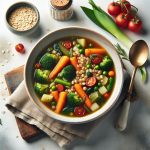
Serve the barley stew in rustic ceramic bowls, garnished with freshly chopped parsley or chives for vibrant color. For added texture and nostalgia, accompany with crusty whole-grain bread or wartime-style oatcakes. A drizzle of good quality olive oil or vegan butter on top enhances richness. Consider a side of pickled vegetables or a simple cabbage slaw to echo the resourceful spirit of rationed meals made fresh.
| Nutrition (per serving) | Amount |
|---|---|
| Calories | 320 kcal |
| Protein | 8 g |
| Carbohydrates | 56 g |
| Fat | 6 g |

For further culinary inspiration on hearty wartime recipes, explore our Heritage Cooking Collection. To deepen your understanding of wartime food preservation techniques, you might find this National Archives resource on food rationing invaluable.
Q&A
Q&A: Creative Cooking – Exploring Wartime Rationing Recipes
Q1: What inspired the resurgence of interest in wartime rationing recipes?
A1: In an age where sustainability and minimizing food waste are paramount, many are turning back to wartime rationing recipes for inspiration. These recipes showcase incredible creativity-transforming limited ingredients into satisfying, comforting meals. They offer a nostalgic glimpse into history and a practical lesson in resourcefulness.
Q2: How did people cook creatively during wartime rationing?
A2: Wartime cooks embraced ingenuity, substituting scarce ingredients with what was available and making every bite count. Root vegetables, offal, powdered eggs, and even leftover bits became stars of the plate. Stretching meals with fillers like bread crumbs or cabbage and using herbs to amplify flavor were common strategies to maintain both nutrition and morale.
Q3: Can you give an example of a classic rationing recipe?
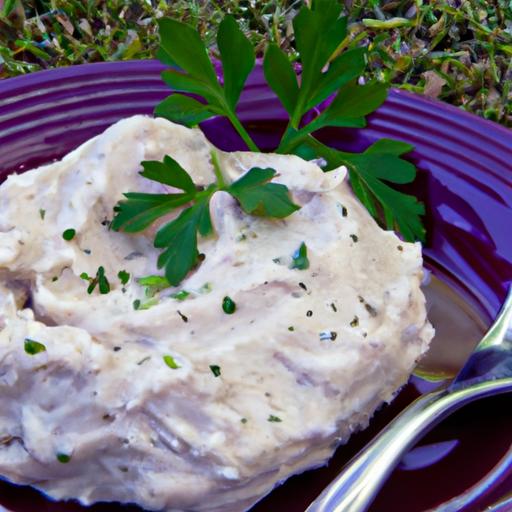
A3: One iconic dish is the “Mock Duck,” made primarily from mashed potatoes, oats, and herbs shaped like a roast. Another favorite was “Woolton Pie,” a vegetable casserole named after the Minister of Food, packed with carrots, potatoes, and cauliflower in a light pastry shell. These dishes made the most of simple, accessible ingredients while satisfying appetite and spirit.
Q4: How do wartime recipes relate to modern-day cooking trends?
A4: Today’s culinary movements-such as zero waste, plant-based diets, and foraging-echo the wartime emphasis on making do with what’s available. Rationing recipes remind us that delicious meals don’t require extravagance, but creativity and care. They encourage cooks to rethink leftovers, embrace seasonal produce, and experiment with humble pantry staples.
Q5: What can home cooks learn from wartime rationing recipes?
A5: Beyond historical appreciation, these recipes teach resilience and adaptability. They inspire cooks to reduce food waste, celebrate simplicity, and find joy in inventiveness. When faced with limited ingredients, it’s a reminder that culinary magic happens not from abundance, but from the heart and imagination.
Q6: Where can readers find wartime rationing recipes to try at home?
A6: Many cookbooks and online archives preserve these culinary treasures. Resources like the Imperial War Museums’ food collection, vintage cookbooks reissued for modern audiences, and community forums dedicated to historical cooking, offer authentic recipes alongside tips to adapt them for today’s kitchens.
Q7: Do wartime rationing recipes taste good by today’s standards?
A7: Absolutely! While simple, these recipes were crafted to nourish and comfort families through hardship. With a modern touch-fresh herbs, quality oils, or a creative twist-they can be downright delightful. Trying them invites a deeper appreciation for flavor born from necessity, and a new perspective on what makes a meal truly satisfying.
In Retrospect
As we close the chapter on these inventive wartime rationing recipes, we’re reminded that creativity often blossoms in constraint. These dishes are more than just meals-they are edible stories of resilience, resourcefulness, and hope served on a plate. By revisiting these culinary adaptations, we not only honor the ingenuity of the past but also gain inspiration for mindful cooking today. So next time you face a sparse pantry, let these historic recipes ignite your imagination-because sometimes, the most extraordinary flavors arise from the simplest ingredients.