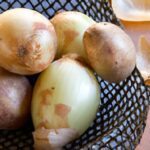
In an era dominated by flashy gadgets and ultra-modern refrigeration, the wisdom of our ancestors often goes unnoticed-yet it holds a treasure trove of knowledge. Traditional food storage methods, honed through centuries of trial and error, reveal a remarkable blend of ingenuity and resourcefulness. From earthenware pots buried underground to the artful layering of salted preserves, these timeless techniques not only offer sustainable alternatives but also connect us to a cultural heritage deeply rooted in nurturing and preservation. Join us as we journey back in time to explore these enduring methods that continue to safeguard flavors, extend freshness, and inspire mindful eating in today’s fast-paced world.
Timeless Techniques invite us to embark on a journey back to the origins of food preservation, where harnessing natural elements transformed simple ingredients into enduring culinary treasures. One of the most evocative of these ancient methods is the art of lacto-fermentation-a practice rooted in cultures worldwide that promisingly marries flavor, nutrition, and longevity. Inspired by traditions that have thrived for millennia, this recipe showcases a vibrant homemade sauerkraut, a tangy and crunchy fermented cabbage that rejuvenates any modern kitchen with rustic charm and eco-friendly purpose.
Prep and Cook Time
- Preparation: 20 minutes
- Fermentation: 7-14 days (dependent on temperature and taste preference)
- Total: Approximately 2 weeks
Yield
Approximately 1 quart of fermented sauerkraut
Difficulty Level
Medium – requires patience and attention to hygiene for successful fermentation
Ingredients
- 1 medium green cabbage (about 3 pounds), finely shredded
- 1 ½ tablespoons sea salt (non-iodized, fine grain)
- 1 tablespoon caraway seeds (optional, for a traditional aromatic note)
- Filtered water (if needed, to cover the cabbage)
Instructions
- Clean and prepare your workspace. Ensure all utensils and fermentation vessel (a quart-sized wide-mouth glass jar) are sanitized to avoid unwanted bacteria.
- Shred the cabbage finely. Use a sharp knife or mandoline for uniform texture, which promotes even fermentation.
- Mix cabbage and sea salt. In a large non-reactive bowl, massage the salt into the cabbage for 5-7 minutes until it releases its natural juices, becoming limp and glossy.
- Incorporate caraway seeds, stirring gently to distribute evenly.
- Pack cabbage tightly into the jar. Press down firmly with a tamper or clean fist to submerge cabbage in its brine. Leave about 2 inches of headspace for expansion during fermentation.
- Weigh down the cabbage. Use a fermentation weight or a small sanitized glass to keep cabbage submerged under the brine, crucial to prevent mold.
- Seal the jar loosely. Cover with a cloth or loose lid to allow gases to escape but keep contaminants out.
- Place jar in a cool, dark spot around 65-72°F (18-22°C), ideal for lactic acid bacteria activity.
- Ferment for 7 to 14 days. Check daily to press cabbage under the brine and remove any surface scum with a clean spoon.
- Taste test after 7 days. When it achieves your preferred tanginess and crunch, tighten the lid and refrigerate to halt fermentation.
Chef’s Notes
- Variations: Add julienned carrots or thin slices of apple for subtle sweetness and color contrast.
- Salt substitution: Avoid iodized or anti-caking salts which inhibit bacteria growth; sea salt or Himalayan pink salt work best.
- Fermentation troubleshooting: If uncomfortable odors or mold appear, discard and start fresh; cleanliness is key.
- Make-ahead: Sauerkraut improves in flavor the longer it ferments; it can be stored refrigerated for several months.
- Eco-friendly tip: Repurpose jars from your pantry, reducing waste and embracing sustainability.
Serving Suggestions
This timeless technique of homemade sauerkraut pairs beautifully with hearty sandwiches, grilled sausages, or as a zesty topping on roasted vegetables. Garnish with fresh dill or thinly sliced radishes for added freshness and pop of color. Incorporate it as a probiotic-rich condiment to enliven everyday meals and nourish your gut with traditional wisdom.

| Nutrient | Per 1/4 cup Serving |
|---|---|
| Calories | 15 kcal |
| Protein | 1 g |
| Carbohydrates | 3 g |
| Fat | 0 g |
For further exploration into ancient food preservation techniques, this guide reveals the cultural and scientific value of natural storage. Additionally, expand your understanding by consulting the Natural History Museum’s fermentation overview-an authoritative dive into fermentation’s global heritage and benefits.
Q&A
Q&A: Timeless Techniques – Exploring Traditional Food Storage Methods
Q1: Why should we care about traditional food storage methods in today’s world?
A1: In an era dominated by refrigeration and plastics, traditional food storage methods remind us of sustainable, resourceful ways to keep food safe and flavorful. These age-old techniques often reduce waste, save energy, and connect us to cultural heritage-plus, they can add unique tastes to our meals!
Q2: What are some classic methods of food storage that have stood the test of time?
A2: From salting and smoking meats to fermenting vegetables, drying fruits, and burying root vegetables underground, traditional methods vary widely. Each technique leverages natural processes-like curing, dehydration, or fermentation-to preserve food without modern technology.
Q3: How does fermentation preserve food, and why is it still so popular?
A3: Fermentation harnesses beneficial bacteria and yeasts that convert sugars into acids or alcohol, creating an environment hostile to spoilage microbes. Beyond preservation, it enhances flavor complexity and boosts nutritional value with probiotics, making kimchi, sauerkraut, and yogurt timeless favorites.
Q4: Can these methods be practiced easily at home today?
A4: Absolutely! Many traditional techniques are surprisingly simple and require minimal equipment. For example, sun-drying herbs or making salt-cured jerky can be done with patience and care, inviting creativity and a deeper appreciation for the food on your table.
Q5: Are traditional methods better than modern refrigeration?
A5: Not necessarily “better,” but certainly complementary. Modern refrigeration ensures quick, convenient preservation, while traditional methods often add flavor and sustainability benefits. Using both can broaden your culinary horizons and reduce reliance on electricity.
Q6: What cultural significance do these traditional food preservation methods hold?
A6: These methods are often rooted in local climates, available resources, and community traditions. They tell stories of ingenuity and survival, honoring the wisdom of ancestors. Reviving such practices can keep cultural identities alive and foster a sense of belonging.
Q7: What’s a simple traditional storage hack beginners can try right away?
A7: Try making your own pickles. Using just cucumbers, salt, water, and spices in a jar, you can ferment crunchy, tangy pickles that last weeks. It’s a fun, hands-on way to witness preservation at work while enjoying delicious results.
Q8: How can traditional storage methods contribute to a more sustainable lifestyle?
A8: By minimizing packaging, reducing energy consumption, and cutting food waste, these methods promote eco-friendly habits. They encourage seasonal eating and reconnect us with natural preservation rhythms, making our kitchens greener one jar at a time.
Q9: Are there any safety concerns with these traditional methods?
A9: Yes, if not done properly, some techniques-especially fermentation and curing-can pose risks. It’s vital to follow tested recipes and hygiene standards to ensure safe, tasty results. Plenty of resources and workshops are available to guide beginners safely through the process.
Q10: What’s the biggest takeaway from exploring traditional food storage techniques?
A10: That food preservation is both an art and science deeply woven into human history. Embracing these timeless techniques enriches our connection to food, environment, and culture-reminding us that sometimes, the best innovations come from the past.
Insights and Conclusions
As we journeyed through the timeless techniques of traditional food storage, we uncovered a rich tapestry of wisdom woven through generations. These age-old methods, from fermenting and drying to clay pot preservation, remind us that sustainable, mindful eating is not just a modern trend but a heritage to cherish. By embracing these time-tested practices, we not only honor the past but also nourish our future-reducing waste, enhancing flavors, and connecting deeply with the rhythms of nature. In a world racing toward convenience, these enduring techniques offer a delicious pause, inviting us to savor the art of preservation with patience and purpose.