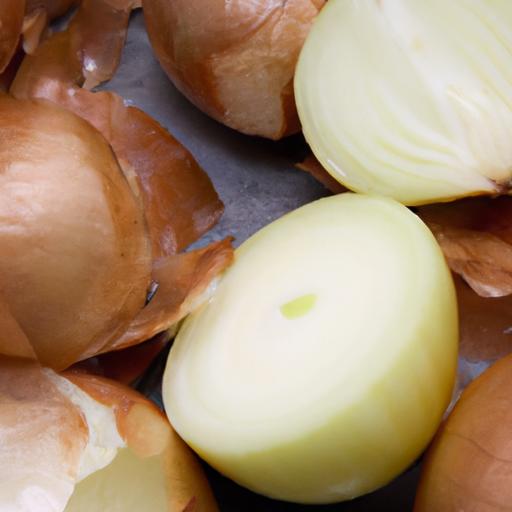
When it comes to stocking your kitchen staples, onions and potatoes are the unsung heroes-adding flavor, texture, and heartiness to countless meals. Yet, these humble bulbs can be surprisingly tricky to keep fresh, often sprouting or spoiling before you get the chance to savor their full potential. Fear not! Unlocking the secrets to storing onions and potatoes properly not only extends their shelf life but also preserves their taste and nutritional value. In this article, we’ll delve into expert tips and clever hacks that will transform the way you store these kitchen essentials, ensuring they stay fresh, flavorful, and ready to elevate your dishes for weeks on end.
Keep fresh longer with the perfect environment for your onions and potatoes by mastering temperature, humidity, ventilation, and smart container selection. These simple steps unlock the secret to extending their shelf life, preserving their flavor and texture for weeks on end. Imagine walking into your pantry to find vibrant, sprout-free potatoes and crisp, pungent onions ready for your next meal-no waste, just fresh inspiration.
Prep and Cook Time
Preparation: 10 minutes (setup only)
Storage Duration: Up to 3 months under optimal conditions
Yield
Storage advice suited for 5 to 10 pounds of onions and potatoes
Difficulty Level
Easy – perfect for every home cook and storage novice
Ingredients
- Onions and potatoes: Choose firm, unblemished bulbs and tubers, free from bruises or cuts
- Storage containers: Mesh bags, perforated baskets, or wooden crates
- Environment: Cool, dry, well-ventilated space maintaining 45-55°F (7-13°C) temperature
- Humidity control: Aim for 60-70% relative humidity
- Optional: Paper towels or newspaper to absorb excess moisture, cedar chips to deter pests
Instructions
- Select your onions and potatoes carefully. Avoid any with visible damage or green spots, as they spoil faster.
- Prepare your storage area. Choose a dark, cool spot such as a basement, cellar, or dedicated pantry space where temperatures remain steady between 45-55°F.
- Regulate humidity. Use a hygrometer if possible. Adjust by adding moisture absorbers like paper towels if humidity is too high, or add a shallow dish of water if too dry.
- Choose breathable containers. Store onions in mesh bags or baskets that encourage airflow-plastic bags trap moisture and speed rotting.
- Ensure proper ventilation. Place containers where air can circulate freely, away from direct sunlight and heat sources. Elevated shelving works best.
- Keep onions and potatoes separate. Onions emit gases that accelerate potato sprouting, so use different containers or storage zones to prolong freshness.
- Check your stock weekly. Remove any items showing signs of sprouting or spoilage immediately to prevent spread.
Tips for Success
- Root cellars and refrigerators: Root cellars emulate ideal conditions naturally. Refrigeration can be too humid for potatoes and too cold for onions, so avoid unless storing peeled or chopped portions temporarily.
- Container variations: Burlap sacks offer rustic charm and breathability; wooden crates add gentle protection with good airflow.
- Seasonal rotation: Rotate your stock by placing newer produce at the bottom and older at the top to ensure even use.
- Prevent sprouting: A few apple slices placed near potatoes can naturally inhibit sprout hormones-replace weekly.
Serving Suggestions
Use your fresh, perfectly stored onions and potatoes to create comforting classics like caramelized onion tarts, crispy roasted potatoes with herbs, or natural mashed potato bowls topped with sour cream and chives. Garnish with fresh parsley or thyme sprigs for a touch of green vibrancy. The freshness will shine through each bite, elevating every dish.

| Storage Condition | Ideal Range | Effect |
|---|---|---|
| Temperature | 45-55°F (7-13°C) | Slows sprouting and decay |
| Humidity | 60-70% RH | Prevents drying and mold growth |
| Ventilation | Good airflow | Reduces moisture buildup |
For more in-depth guidance on storing fresh produce, check out our comprehensive vegetable storage guide. Additionally, the latest USDA research on home food storage offers valuable insights into best practices for longevity and safety.
Q&A
Q&A: Keep Fresh Longer – Expert Tips for Storing Onions & Potatoes
Q1: Why do onions and potatoes often spoil quickly when stored together?
A: Onions and potatoes each have different storage needs and release gases that can accelerate spoilage. Onions release moisture and gases that cause potatoes to sprout faster, while potatoes emit moisture that can make onions go soft and moldy. Keeping them apart is key to extending their shelf life.
Q2: What’s the ideal storage environment for onions?
A: Onions thrive in a cool, dry, well-ventilated space-think a dark pantry or a mesh bag hanging in a shaded area. They dislike humidity and direct sunlight, both of which encourage sprouting and rot. Temperature-wise, somewhere around 45-55°F (7-13°C) is perfect.
Q3: How should potatoes be stored to stay fresh longer?
A: Potatoes prefer a cool, dark, and slightly humid environment-about 45-50°F (7-10°C). Avoid refrigeration because cold temperatures turn their starches into sugars, altering taste and texture. A paper bag or cardboard box in a cellar or cool cupboard works beautifully.
Q4: Can I store peeled or cut onions and potatoes together?
A: It’s best not to store peeled or cut onions and potatoes for long. Once cut, both should be refrigerated in airtight containers and used within a few days. Cutting breaks their natural defenses, making them prone to spoilage and off-flavors.
Q5: What natural tricks help keep onions and potatoes fresh?
A: For onions, wrapping each bulb in newspaper or storing in mesh bags boosts airflow. For potatoes, sprinkling a bit of flour or storing them with an apple can slow sprouting. Also, keep both away from onions and potatoes with blemishes, as one bad bulb can spoil the bunch.
Q6: Do different varieties of onions or potatoes need different storage methods?
A: Absolutely! Sweet onions have higher water content and don’t store as well as storage onions; they’re best eaten quickly. Fingerling or new potatoes have thin skins and require cooler, moist storage but shorter periods, while russets last longer under ideal conditions.
Q7: How often should I check my stored onions and potatoes?
A: Regularly peek and feel! Checking weekly helps you spot soft spots, mold, or sprouting early, so you can remove affected produce before it ruins the rest. A vigilant eye is your best weapon against waste.
Q8: What about storing onions or potatoes in the fridge? Is that a good idea?
A: Onions and potatoes generally dislike fridge life. Onions get mushy and mold-prone, while potatoes convert starch to sugar and develop a sweet, gritty taste. Only keep peeled or chopped bits refrigerated, and plan to use them soon.
Q9: Can I freeze onions or potatoes to extend their shelf life?
A: You sure can! Onions freeze well when chopped and stored in airtight bags, perfect for future cooking. Potatoes need blanching before freezing to preserve texture – raw potatoes turn mushy when thawed.
Q10: How do you handle storage during warm or humid seasons?
A: Warmth and humidity speed up spoilage. Use cool basements or insulated storage containers, keep produce away from any direct heat or sun, and increase ventilation. Using moisture absorbers like silica packets can also help reduce humidity.
With these tips, your onions and potatoes will stay fresh and flavorful, ready to star in your next kitchen masterpiece!
Insights and Conclusions
By embracing these expert tips for storing onions and potatoes, you’re not just extending their shelf life-you’re preserving flavor, reducing waste, and saving money. With the right environment and a little mindful care, your kitchen staples will stay fresh longer, ready to elevate every meal. So, next time you bring these humble heroes home, treat them well-they’ll reward you with quality and taste that lasts beyond the expectation. Happy storing!