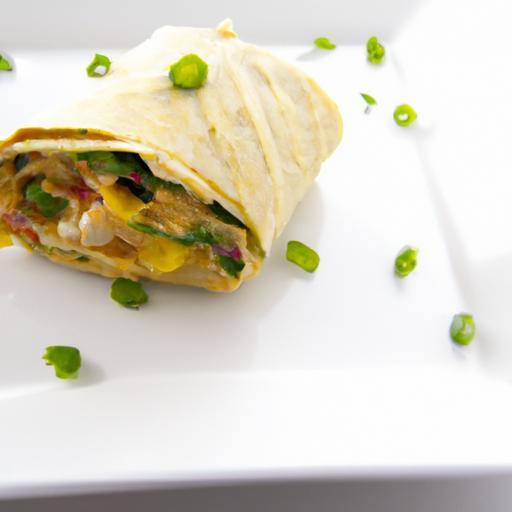
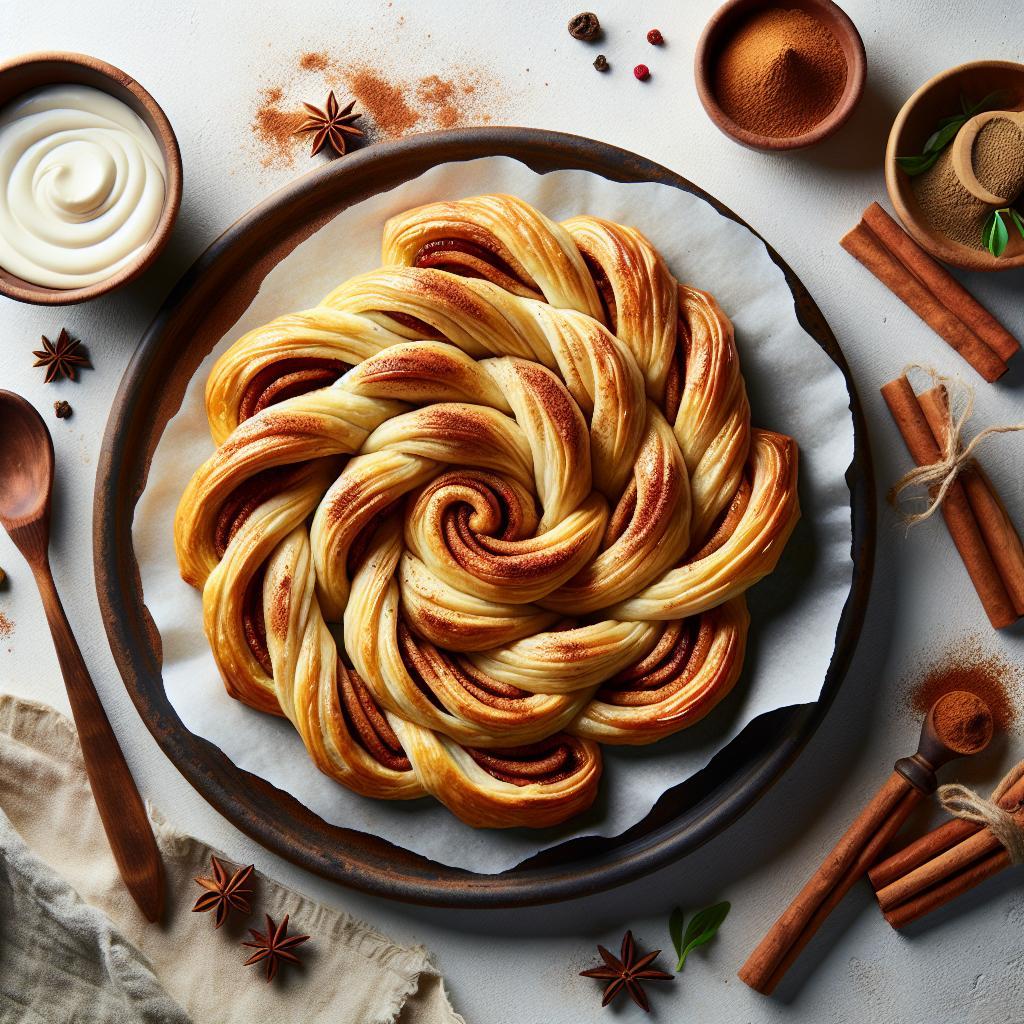
In a world where fast food and fleeting trends often dominate our plates, heirloom recipes stand as timeless treasures, whispering stories from kitchens long past. These delicious traditions, lovingly passed down through generations, are more than just meals-they are edible time capsules that preserve culture, family heritage, and the flavors of history. Each bite connects us to ancestors’ hands, hearths warmed by shared laughter, and the slow, patient art of cooking with care. Join us as we explore the rich tapestry of heirloom recipes, celebrating the enduring power of food to keep memories alive and flavors vibrant across time.
Classic Southern Spoonbread: A Heirloom Recipe Rooted in Tradition
Heirloom recipes not only delight the palate but also serve as vivid storytellers of culture, history, and family. One beloved dish that exemplifies this connection is Southern Spoonbread, a custardy cornmeal classic passed down through generations. Originating in the American South, its comforting texture and subtly sweet corn flavor evoke warm memories of communal meals around the family table. Cooking this timeless recipe allows modern kitchens to preserve culinary heritage while celebrating the simple, soulful ingredients of the past.
Prep and Cook Time
- Preparation: 15 minutes
- Cooking: 40 minutes
- Total Time: 55 minutes
Yield
Serves 6 as a hearty side dish
Difficulty Level
Medium – Requires careful folding and baking attention but approachable for confident home cooks
Ingredients
- 1 cup stone-ground yellow cornmeal
- 3 cups whole milk
- 2 tablespoons unsalted butter, plus extra for greasing
- 1 teaspoon kosher salt
- 3 large eggs, separated
- 1 tablespoon sugar (optional, for subtle sweetness)
- 1 teaspoon baking powder
Instructions
- Preheat the oven to 375°F (190°C). Grease a 2-quart baking dish or cast-iron skillet with butter for a rich crust.
- In a medium saucepan, boil the milk with salt and butter. Gradually whisk in the cornmeal, reducing heat to low. Simmer gently, stirring frequently, until the mixture thickens and pulls away slightly from the pan sides, about 8 minutes. Remove from heat and let cool slightly.
- In a separate bowl, beat egg yolks with sugar and baking powder until pale and fluffy. Fold yolks into the cooled cornmeal mixture, blending evenly.
- Using clean beaters, whip egg whites until stiff peaks form – glossy and firm enough to hold shape without collapsing.
- Gently fold egg whites into the cornmeal batter in three parts, preserving the airy texture essential for a light, spoonable consistency.
- Transfer the batter to the prepared baking dish. Smooth the top gently but avoid deflating the mixture.
- Bake uncovered for 35-40 minutes until the top is golden brown, puffed, and set. A toothpick inserted in the center should come out clean.
- Let it rest for 5 minutes before serving to allow settling, then serve warm by the spoonful.
Chef’s Notes & Tips for Success
- Ingredient authenticity: Use traditional stone-ground cornmeal for the best heirloom flavor and texture. If unavailable, a fine-ground cornmeal can be substituted but expect a smoother crumb.
- Baking vessel: For a classic crispy edge, opt for a cast-iron skillet if possible. Alternately, a ceramic or glass dish works well.
- Egg whites: Ensure there’s no yolk contamination while whipping whites, or they won’t reach full volume.
- Make-ahead: Spoonbread is best enjoyed fresh from the oven but can be reheated gently covered to retain moisture.
- Variations: Stir in fresh herbs like thyme or sprinkle sharp cheddar cheese on top before baking for a savory twist.
Serving Suggestions
Present this crowning jewel alongside rich braised meats, spicy greens, or a robust tomato gravy. Garnish with a pat of melting butter and a sprinkle of chopped fresh parsley or chives for brightness and visual appeal. Paired with a crisp, lightly chilled white wine or sweet iced tea, spoonbread becomes more than just a side-it’s a ceremony of flavor and tradition.
| Nutrient | Per Serving |
|---|---|
| Calories | 220 kcal |
| Protein | 7 g |
| Carbohydrates | 30 g |
| Fat | 8 g |

Discover more about preserving cherished culinary legacies in our detailed guide on preserving traditional recipes. For an authority on historical food culture, visit the Smithsonian Food History resource.
Q&A
Q&A: Heirloom Recipes – Delicious Traditions Passed Through Time
Q1: What exactly are heirloom recipes?
A1: Heirloom recipes are culinary treasures handed down through generations, often within families or communities. These dishes carry more than just flavors-they hold stories, memories, and cultural heritage, connecting us to our ancestors’ kitchens and traditions.
Q2: Why do heirloom recipes hold such special significance?
A2: Beyond nourishing the body, heirloom recipes nourish the soul. They embody history, identity, and a sense of belonging. Each ingredient and technique might reflect a region’s climate, available resources, or unique customs, making these recipes vessels of living history.
Q3: How do heirloom recipes differ from modern cooking trends?
A3: While modern recipes often emphasize convenience, fusion, or innovation, heirloom recipes prioritize authenticity and preservation. They typically use time-tested methods and natural ingredients, showcasing simplicity and depth, rather than complex or trendy combinations.
Q4: Can heirloom recipes evolve over time?
A4: Absolutely! Like any living tradition, heirloom recipes adapt. Families may substitute ingredients based on availability or tweak flavors according to contemporary tastes. Yet, the essence-love, care, and cultural connection-remains intact, ensuring the dish continues to tell its story.
Q5: How can someone start discovering and preserving their own heirloom recipes?
A5: Start by talking to relatives-grandparents, parents, aunts-asking for their favorite recipes and the stories behind them. Record these recipes carefully, noting ingredients, preparation tips, and anecdotes. Cooking together can be a joyous way to keep traditions alive and create new memories.
Q6: Are heirloom recipes only about savory dishes, or do desserts and beverages count too?
A6: Heirloom recipes encompass the full gamut of food and drink! From grandma’s secret pie crust to a family’s festive punch, sweet and savory alike can carry cherished legacies. Every bite or sip can evoke nostalgia, celebrate heritage, and invite us into a shared culinary journey.
Q7: What role do heirloom recipes play in cultural identity today?
A7: In an age of globalization, heirloom recipes serve as anchors to cultural roots. They foster pride and understanding by preserving unique flavors and techniques that define communities. Sharing these recipes helps bridge generations and keeps cultural diversity vibrant in kitchens worldwide.
Q8: Can heirloom recipes inspire innovation in contemporary cooking?
A8: Definitely! Chefs and home cooks alike draw inspiration from heirloom recipes, blending old and new to create exciting dishes. Respecting tradition while experimenting encourages culinary creativity, ensuring these treasured recipes remain relevant and flavorful for future generations.
In Retrospect
As the flavors of heirloom recipes continue to grace our tables, they remind us that food is more than sustenance-it is a bridge connecting generations, cultures, and stories. Each carefully preserved ingredient and time-honored technique carries the whispers of ancestors, inviting us to taste their memories and traditions. By embracing these culinary treasures, we not only savor delicious meals but also nourish a legacy that transcends time. In every bite, heirloom recipes invite us to celebrate the past, enrich the present, and inspire future generations to keep these delicious traditions alive.