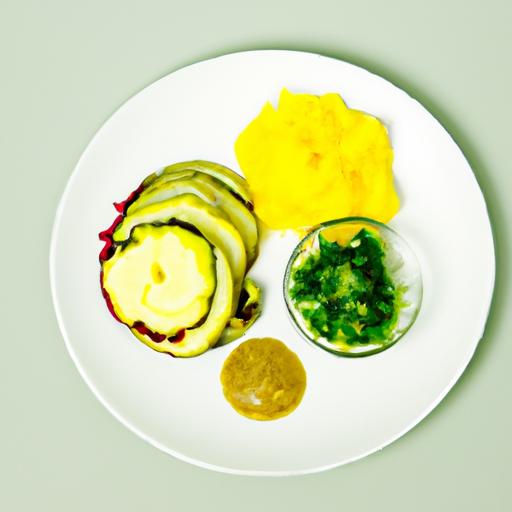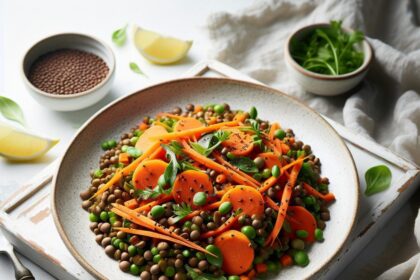

Every bite we take is more than just fuel for our bodies-it’s a conversation with our emotions. Imagine your favorite meal not just as a source of nourishment, but as a subtle architect of your mood, weaving its way through the intricate pathways of your brain and heart. Welcome to the fascinating world of “Feeding Feelings: How Your Food Shapes Your Mood Daily,” where science meets the sensory, and what’s on your plate becomes a powerful player in your emotional well-being. From the morning coffee that jumpstarts your spirit to the evening chocolate that soothes your soul, discover how daily food choices do more than satisfy hunger-they quietly sculpt the landscape of your feelings.
Feeding Feelings: How Your Food Shapes Your Mood Daily with a Vibrant Quinoa & Avocado Salad
Feeding feelings starts right on your plate, and this vibrant quinoa and avocado salad is a perfect example of how nutrient-rich foods can uplift your spirit and nourish your mind simultaneously. Originating from the ancient grains of South America, quinoa is revered for its mood-boosting properties, paired here with creamy avocado and fresh seasonal veggies for a medley of textures and flavors designed to ignite happiness from within.
Prep and Cook Time
Prep: 15 minutes | Cook: 15 minutes | Total: 30 minutes
Yield
4 generous servings
Difficulty Level
Easy
Ingredients
- 1 cup quinoa, rinsed thoroughly
- 2 cups water
- 1 large ripe avocado, diced
- 1 cup cherry tomatoes, halved
- 1/2 cup finely chopped red onion
- 1 cup cucumber, diced
- 1/4 cup fresh cilantro, chopped
- Juice of 1 lime
- 2 tablespoons extra virgin olive oil
- Salt and black pepper to taste
- 1/4 cup toasted pumpkin seeds (optional, for crunch)
- 1 teaspoon ground turmeric (optional, mood-enhancing super spice)
Instructions
- Cook the quinoa: In a medium saucepan, bring 2 cups of water to a boil. Add the rinsed quinoa, reduce heat to low, cover, and simmer for 15 minutes or until all water is absorbed and quinoa is tender.
- Fluff and cool: Remove quinoa from heat, fluff with a fork, and transfer to a large bowl to cool slightly.
- Prepare the veggies: While quinoa cools, dice the avocado, halve the cherry tomatoes, finely chop red onion, and dice the cucumber.
- Mix the dressing: In a small bowl, whisk together the lime juice, olive oil, turmeric, salt, and pepper.
- Combine salad ingredients: Add the avocado, tomatoes, onion, cucumber, and cilantro to the quinoa. Pour the dressing over and lightly toss to coat everything evenly, taking care not to mash the avocado.
- Add texture: Sprinkle toasted pumpkin seeds on top for a delightful crunch that complements the creamy avocado.
- Chill and serve: Refrigerate for 10 minutes to let flavors meld, or serve immediately for a fresh, lively bite.
Tips for Success
- Quinoa rinse is key: Always rinse quinoa prior to cooking to remove its natural coating, saponin, which can taste bitter.
- Avocado selection: Use a ripe but firm avocado to ensure it holds shape while mixing.
- Make it ahead: Prepare the quinoa in advance and keep refrigerated for up to 3 days; add avocado fresh to preserve its color.
- Customizable greens: Swap cilantro for fresh parsley or basil for a different herbaceous punch.
- Extra zing: Add a pinch of red chili flakes if you enjoy a subtle spicy kick that uplifts mood through capsaicin’s endorphin trigger.
Serving Suggestions
This salad shines as a stand-alone nourishing lunch or as a colorful side to grilled salmon or roasted chicken. Garnish with lime wedges and an extra sprinkle of pumpkin seeds for visual appeal. For an elevated presentation, serve it in hollowed-out avocado shells or vibrant handmade bowls to enhance the sensory pleasure of your feeding feelings experience.
| Nutrient | Amount per Serving |
|---|---|
| Calories | 320 |
| Protein | 8g |
| Carbohydrates | 32g |
| Fat | 16g |
Explore more nutrient-rich foods that support brain health for a deeper dive into natural mood enhancers. For scientific insight into the connection between diet and emotional well-being, consider reviewing resources from the National Institute of Mental Health.

Q&A
Q&A: Feeding Feelings – How Your Food Shapes Your Mood Daily
Q1: Can what I eat really affect how I feel emotionally?
Absolutely! Your mood is closely tied to the nutrients you consume. Foods influence brain chemistry by affecting neurotransmitters like serotonin and dopamine, which play key roles in regulating happiness, stress, and energy. In essence, what you eat can either boost your mood or bring it down.
Q2: Which foods are considered mood-boosters?
Think colorful fruits and veggies, whole grains, nuts, and fatty fish like salmon. These foods are rich in vitamins, minerals, antioxidants, and omega-3 fatty acids that support brain function and promote calmness and clarity. Dark chocolate and fermented foods like yogurt can also help elevate your mood by encouraging positive gut-brain communication.
Q3: Are there specific foods to avoid if I want to stay emotionally balanced?
Highly processed foods, excessive sugar, and refined carbs can create mood swings by causing blood sugar spikes and crashes. Caffeine and alcohol, when consumed in excess, may also amplify anxiety and disrupt sleep, which in turn affect your emotional stability.
Q4: How quickly can food impact my mood?
Remarkably fast! Some foods can influence neurotransmitters within minutes to a few hours after eating. For example, a balanced breakfast with protein and complex carbs can stabilize blood sugar and mood throughout the morning, whereas skipping meals might leave you irritable and drained.
Q5: Can gut health really influence mood?
Yes, it’s a fascinating area of science. Your gut is home to trillions of bacteria that produce mood-regulating chemicals. Eating fiber-rich and probiotic foods nurtures this “second brain,” promoting positive feelings and even reducing symptoms of anxiety and depression.
Q6: Is emotional eating always harmful?
Not necessarily. Comfort foods can provide temporary relief and pleasure. However, habitual emotional eating of unhealthy foods may create a cycle that worsens mood over time. Mindful eating and choosing healthier comfort options can help break this loop.
Q7: How can I start tuning into the connection between my food and feelings?
Try keeping a food-mood diary for a week. Note what you eat and how you feel before and after meals. Over time, you’ll spot patterns that can guide smarter, mood-supporting food choices. Remember, even small shifts can make a big emotional difference!
In the dance of daily life, your plate is a powerful partner. Feed your feelings wisely and watch your mood flourish.
In Summary
As the final bite of your day’s meal settles, remember that the relationship between what you eat and how you feel is never just about nutrients-it’s a dialogue between body and mind. Every morsel carries the power to lift your spirits, quell your anxieties, or spark creativity. By tuning into this dynamic, you hold the key to crafting not only a healthier body but a more balanced and joyful mood. So, as you plan your next meal, think beyond hunger-feed your feelings, and nourish your soul daily.