
There’s nothing quite like the chewy, sweet satisfaction of biting into perfectly cooked boba pearls-those little gems that transform a simple drink into a delightful experience. But what happens when your pearls turn unexpectedly hard inside, turning your bubble tea from a treat into a challenge? If you’ve ever been puzzled by tough, undercooked boba ruining your drink’s texture, you’re not alone. In this article, we’ll explore why your boba pearls might be hard inside and share practical tips to rescue them, so every sip is smooth, tender, and utterly enjoyable. Get ready to unlock the secrets to that ideal chewy bite!
Why Are My Boba Pearls Hard Inside? This common question reflects a deeper curiosity about the science behind these chewy, delightful spheres. Originally birthed from Taiwanese tea culture, boba pearls bring a playful texture contrast that captivates taste buds worldwide. However, achieving that perfect, tender chew can be elusive without understanding why pearls sometimes remain tough. Let’s dive into the chemistry of tapioca starch, pinpoint common errors that lead to a hard center, and uncover how to boil pearls to perfection every time.
Prep and Cook Time
- Preparation: 5 minutes
- Cooking: 40 minutes
- Total Time: 45 minutes
Yield
Serves 4-6 servings of perfectly cooked boba pearls, ideal for milk teas or desserts.
Difficulty Level
Medium – requires attention to timing and heat control but very achievable with practice.
Ingredients
- 1 cup tapioca starch, sifted
- ½ cup boiling water
- ¼ cup brown sugar or dark muscovado sugar (for soaking syrup)
- 1 ½ cups water (for boiling)
- Optional: 1 tablespoon molasses or caramel syrup (to enrich color and flavor)
Instructions
- Prepare the dough: Slowly add boiling water into the tapioca starch while stirring vigorously with a wooden spoon to form a sticky dough. Use caution-the hot water partially gelatinizes the starch.
- Knead the dough: Once cool enough to handle, knead the dough gently on a clean surface until smooth and pliable but not dry. If too crumbly, add a teaspoon of water gradually.
- Shape the pearls: Pinch off small pieces and roll into ¼-inch diameter balls for traditional bite-sized pearls. Dust lightly with extra tapioca starch to prevent sticking.
- Boil the pearls: Bring 1 ½ cups of water to a rolling boil in a pot. Add pearls in batches to avoid clumping, stirring gently to keep them separate.
- Cooking time mastery: Boil uncovered for 20 minutes, then reduce heat to simmer for an additional 15 minutes, stirring occasionally. This timing allows the gelatinized starch inside to fully cook and hydrate for a tender core.
- Rest pearls: Turn off heat and cover the pot. Let the pearls steep for 15 minutes to absorb heat and achieve elasticity.
- Sweeten and soften: Drain pearls and immediately immerse in brown sugar syrup (prepared by dissolving sugar in hot water plus molasses if using). This step prevents hardening as they cool and infuses sweetness.
Tips for Success
- Under-cooking is the main culprit behind hard boba pearls, so resist the urge to cut cooking short even if the exterior looks done.
- Using boiling water to start dough formation is essential-cold water results in dense pearls that remain hard.
- Don’t overcrowd the pot during boiling; overcrowding reduces cooking efficiency and causes uneven pearls.
- If pearls turn too sticky, a light dusting of starch post-shaping or brief rinsing in cold water can help before boiling.
- Keep pearls covered after cooking to maintain warmth and chewiness, preventing premature hardening.
- For quick softening of leftover hard pearls, simmer them gently in warm water or milk tea for 10 minutes to rehydrate.
Serving Suggestions
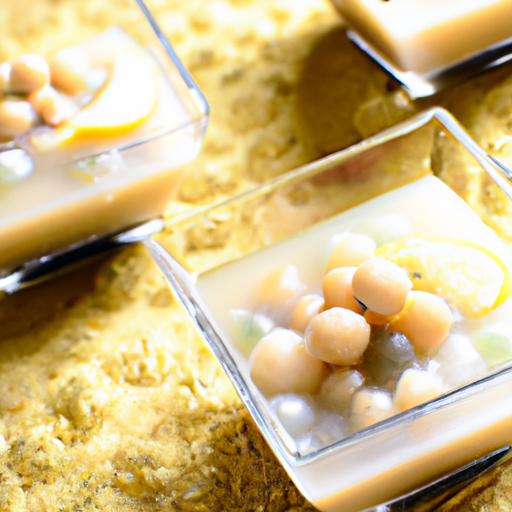
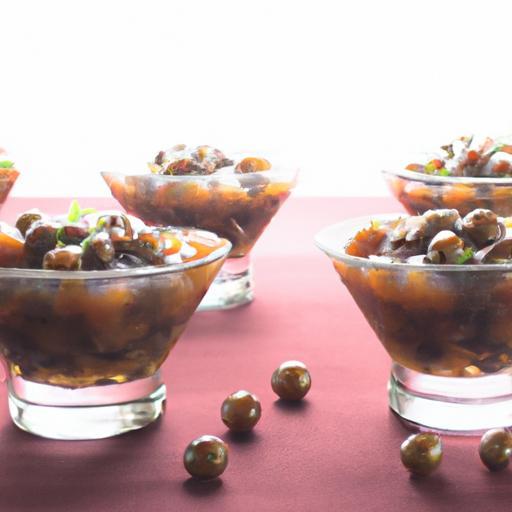
Serve your perfect boba pearls in iced milk tea, creamy taro lattes, or fresh fruit teas. Garnish with a sprig of mint, edible flower petals, or a swirl of honey for visual and taste appeal. The translucent pearls glisten invitingly in tall glasses, elevating the drink into a sensory experience.

| Nutrient | Per ¼ cup cooked pearls |
|---|---|
| Calories | 120 |
| Carbohydrates | 28g |
| Protein | 0g |
| Fat | 0g |
For a deeper exploration into tapioca starch chemistry, visit ScienceDirect – Tapioca in Food Science.
Interested in other bubble tea recipes? Check our Classic Milk Tea Recipe to complement your boba pearls perfectly.
Q&A
Q&A: Why Are My Boba Pearls Hard Inside? Tips to Fix It!
Q1: Why do my boba pearls sometimes end up hard inside instead of chewy?
A1: Ah, the dreaded hard-core boba! This often happens when the pearls aren’t cooked long enough or weren’t soaked properly after cooking. The starch inside the pearls remains uncooked, making the center tough instead of delightfully chewy.
Q2: Could I be overcooking my boba and still get hard pearls?
A2: While undercooking is the usual culprit, overcooking can dry out the pearls. They might become mushy on the outside but still hard or dense inside if not boiled consistently. Uneven heat or boiling too aggressively might cause this as well.
Q3: How long should I cook boba pearls to get that perfect chewy texture?
A3: Most fresh or store-bought tapioca pearls require at least 20-30 minutes of cooking, followed by 15-20 minutes of resting in hot water. This allows the inside to cook through evenly. Always check the package instructions and adjust based on your stovetop.
Q4: What role does resting the pearls play in preventing hardness?
A4: Resting is like a spa treatment for boba. After boiling, the pearls need to sit in hot water so heat can permeate them fully and soften the inside. Skipping this step might leave the core uncooked and firm.
Q5: Can the water temperature or quantity during cooking affect the pearls?
A5: Absolutely! Use plenty of boiling water-about 7-10 cups per ½ cup of pearls-to give them room to cook evenly. A low water level or cooler temps might cause uneven or insufficient cooking, leading to hard centers.
Q6: Are instant or pre-cooked boba pearls better to avoid hard centers?
A6: Pre-cooked or instant pearls can be convenient, but even they can turn hard if over-refrigerated or not reheated properly. Freshly cooking traditional raw pearls tends to yield better results, as you control the process closely.
Q7: How can I fix my already cooked, hard-inside boba pearls?
A7: Don’t toss them out just yet! Try simmering the pearls again in hot water for another 10-15 minutes, then rest them for a bit longer. This can help redistribute heat and soften the inner core.
Q8: Are there storage tips to keep boba pearls soft?
A8: Store cooked pearls in a sugar syrup at room temperature for up to 4 hours. Refrigerating them tends to harden the pearls as the starch retrogrades. If you must refrigerate, reheat by boiling or microwaving in syrup before serving.
Q9: Any secret ingredients to boost boba softness?
A9: Adding a splash of baking soda or a pinch of tapioca starch during cooking can improve texture. Some also swear by using brown sugar syrup, which helps keep pearls tender and flavorful.
Q10: How do I know when my boba pearls are perfectly cooked?
A10: The golden rule: bite into one! It should be tender with a soft yet chewy center-no crunch, no mush. With a little practice, you’ll master the balance between ‘just right’ and ‘hard inside.’
With these tips in your tea brewing arsenal, hard boba pearls will be a thing of the past. Happy sipping! 🍹✨
To Wrap It Up
In the quest for the perfect boba experience, nothing disappoints quite like biting into hard, uncooked pearls. Understanding why your boba pearls turn out tough inside is the first step toward sipping on blissful, chewy goodness every time. With a few simple tweaks-whether it’s adjusting your cooking time, soaking method, or storage technique-you can transform those stubborn spheres into tender, delicious bites that dance in your tea. So next time you brew your bubble tea masterpiece, armed with these tips, enjoy the rewarding chew of perfectly cooked boba pearls that keep you coming back for more. Cheers to smoother sips and happier pearls!