In the world of culinary craftsmanship, few creations boast the rustic charm and hearty satisfaction of a perfectly made sausage link. From the sizzling sound that greets the pan to the burst of flavors that dance on the palate, homemade sausages embody tradition, creativity, and a touch of alchemy. But how does one transform humble cuts of meat and a blend of spices into juicy, flavorful links that rival those from the finest charcuteries? Welcome to “Crafting the Perfect Link: The Ultimate Homemade Sausage Guide,” where we unravel the secrets of seasoning, stuffing, and cooking to elevate sausage-making from a simple recipe to an art form. Whether you’re a seasoned butcher or a curious kitchen novice, prepare to embark on a savory adventure that will fill your home with irresistible aromas and your table with unforgettable taste.
Crafting the Perfect Link: The Ultimate Homemade Sausage Guide
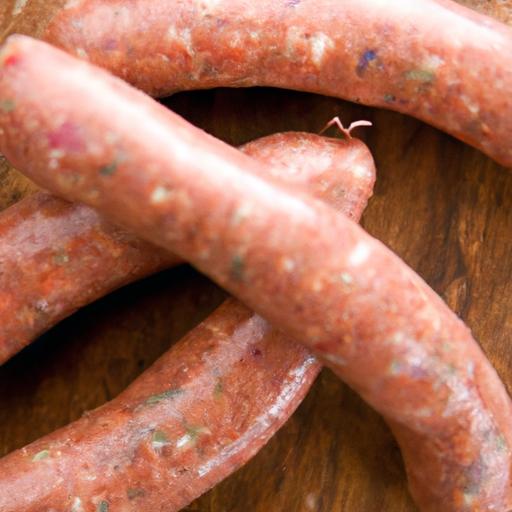
Crafting the perfect link begins with selecting quality ingredients that set the foundation for rich, savory flavors and a satisfying texture. Whether you’re a seasoned charcutier or a passionate home cook, the journey to creating flavorful homemade sausages is an art form-one that turns simple meat and spices into irresistible culinary jewels.
Prep and Cook Time
- Preparation Time: 45 minutes
- Resting Time: 1 hour (for deep flavor melding)
- Cooking Time: 15-20 minutes per batch
Yield
Yields approximately 12 links, serving 4 to 6 people.
Difficulty Level
Intermediate – Requires some familiarity with seasoning and basic sausage casing prep.
Ingredients
- 2 lbs fresh pork shoulder, coarsely ground
- 0.5 lbs pork fatback, finely chopped
- 1 tablespoon kosher salt
- 1 teaspoon black pepper, freshly ground
- 1 tablespoon sweet paprika
- 1 teaspoon garlic powder
- 1 teaspoon dried fennel seeds, lightly toasted
- 0.5 teaspoon crushed red pepper flakes (optional for mild heat)
- 2 tablespoons ice-cold water
- Natural hog casings, soaked and rinsed (about 5 feet)
Instructions
- Prepare the casings: Rinse the hog casings under cold water to remove excess salt. Soak in warm water for at least 30 minutes, then flush each casing by running water through its length to ensure it’s clean and pliable.
- Mix the meat and fat: In a large bowl, combine the coarsely ground pork shoulder and finely chopped fatback. The fat is essential for juicy, tender sausages.
- Create the seasoning blend: In a small bowl, whisk together the kosher salt, black pepper, sweet paprika, garlic powder, toasted fennel seeds, and red pepper flakes. These spices bring warmth, subtle sweetness, and a burst of aromatics.
- Incorporate the spices: Evenly sprinkle the seasoning blend over the meat mixture. Add the ice-cold water to help bind the ingredients and keep the mixture moist. Use your hands to knead everything together for 3 to 5 minutes, until the mixture becomes sticky and cohesive.
- Test the seasoning: Heat a small skillet over medium heat and cook a small patty of the sausage mixture to taste. Adjust seasoning if necessary, then refrigerate the remainder for 30 minutes to aid flavor melding.
- Stuff the sausages: Fit your sausage stuffer or a piping bag with a large tip. Slide one end of the prepared casing onto the nozzle, leaving a few inches hanging off. Gradually feed the meat mixture into the casing, taking care not to overfill-this prevents bursting. Twist sausages into 5-inch links by pinching and turning sections consecutively.
- Rest the sausages: Place the formed links on a tray lined with parchment paper and refrigerate for at least one hour. This helps the flavors to settle and the casing to firm up.
- Cook safely: To cook, grill over medium heat or pan-fry with a little oil. Aim for an internal temperature of 160°F (71°C) to ensure safety and juiciness. Cook for 15-20 minutes, turning regularly until golden brown and crisp on the outside.
- Store leftovers: Allow sausages to cool completely then wrap tightly in plastic wrap or place in an airtight container. Refrigerate up to 3 days or freeze for up to 3 months. Reheat gently to preserve texture and flavor.
Chef’s Notes: Tips for Success
- Meat and fat ratio: Maintaining a fat content of 20-30% is crucial for juiciness. Avoid lean cuts alone, as dry sausages lack the luscious mouthfeel.
- Spice variations: Customize your spice blends with herbs like thyme, sage, or smoked paprika for unique regional profiles.
- Keep it cold: Always chill meat and equipment between steps to ensure the fat remains firm and mixes well.
- Don’t overstuff: Overfilled casings can burst during cooking. Squeezing out air pockets progressively helps maintain even shape.
- Make-ahead: Fully cooked sausages freeze beautifully. Partially cooked links can also be par-frozen before final cooking.
Serving Suggestions
Bring your homemade sausages to life with sides that complement their bold flavor. Serve them nestled in crusty brioche buns with caramelized onions and your favorite mustard for a classic sausage sandwich. Pair with a crisp apple slaw or roasted root vegetables dusted with fresh herbs for a balanced plate. Garnish with sprigs of thyme or freshly chopped parsley for a vibrant, fresh finish that entices the eye and palate alike.

| Nutrient | Per Serving (2 links) |
|---|---|
| Calories | 320 kcal |
| Protein | 20 g |
| Carbohydrates | 1 g |
| Fat | 26 g |
For further inspiration on seasoning blends, visit the Serious Eats seasoning blend guide.
Explore more on meat preparation techniques in our article on Perfect Pork Cuts for Sausage Making.
Q&A
Q&A: Crafting the Perfect Link – The Ultimate Homemade Sausage Guide
Q1: Why should I make my own sausage instead of buying it?
A1: Making your own sausage lets you control every ingredient, from the quality of meat to the spices and herbs, ensuring a fresher, healthier, and uniquely tailored flavor. Plus, it’s a rewarding culinary adventure where you become the artisan of your own savory masterpiece.
Q2: What are the essential ingredients for homemade sausage?
A2: At its core, sausage needs good quality meat (commonly pork, but you can use beef, chicken, or game), fat for juiciness (usually about 20-30%), salt for flavor and preservation, and spices or herbs to punch up the taste. Don’t forget a little ice or cold water to keep the mixture moist and easy to work with.
Q3: How important is fat in sausage making?
A3: Fat is the secret hero of sausage! It keeps your links juicy, juicy, juicy. Without enough fat, you risk dry, crumbly sausages. Aim for around 25% fat content to get that perfect snap and succulent bite.
Q4: What equipment do I need to get started?
A4: At minimum, a sharp knife and a large bowl. For authentic links, you’ll want a meat grinder and a sausage stuffer or attachment for your stand mixer. Natural casings (usually hog or sheep intestines) are traditional and give that classic snap, but collagen casings or even making sausage patties are great alternatives.
Q5: How do I prepare the casings?
A5: Rinse natural casings thoroughly in cold water, soaking them for at least 30 minutes. Then flush water through each casing to remove salt and residue. Keep them moist and handle gently-nothing kills a sausage mood like a casing that tears mid-stuff!
Q6: Can I mix flavors and spices freely?
A6: Absolutely! Sausage-making is a playground for your palate. Classic options include garlic, fennel, paprika, and black pepper, but you can get creative with chili flakes, fresh herbs, or even fruity notes like apple or cranberry. Just balance boldness with harmony-remember, great sausages sing rather than shout.
Q7: How do I know when the meat is properly seasoned?
A7: Before stuffing, cook a small patty of the seasoned mixture in a pan. Taste it for seasoning, texture, and spice balance. Adjust your mixture as needed until it hits your perfect note.
Q8: How do I stuff the sausage links?
A8: Feed the seasoned meat into your stuffer, letting the casing slide on the nozzle. Fill the casing evenly but don’t overstuff-give the meat some room to relax or you risk bursting links. Twist links into desired lengths, traditionally 4-6 inches, and tie the ends securely.
Q9: What’s the best method to cook homemade sausages?
A9: Patience is key. Slow and steady wins the race-start by gently poaching or steaming your links to cook through without bursting, then finish on a skillet, grill, or oven broiler for that irresistible browned and crispy exterior.
Q10: Can I freeze homemade sausage?
A10: Yes! Homemade sausage freezes beautifully. Portion your links uncooked and freeze on a tray before bagging to prevent sticking. They’ll keep for up to three months, ready whenever you crave that perfect, handcrafted bite.
Q11: Any pro tips for sausage newbies?
A11: Keep everything cold from start to finish to protect texture and safety. Experiment in small batches, and don’t be afraid to try different meats or spice blends. And remember: sausage-making is an art and a science-have fun, taste often, and let your creativity link flavor to tradition.
Crafting your perfect link is an exploration of texture, taste, and tradition that ends deliciously. Now grab that meat grinder and bring your sausage dreams to life!
To Wrap It Up
As you master the art of crafting the perfect link, you’re not just making sausage-you’re creating a flavorful tradition, one carefully seasoned twist at a time. Homemade sausage transforms simple ingredients into a symphony of tastes, tailored to your palate and passion. So take these tips, experiment boldly, and savor the satisfaction that comes from every juicy, handcrafted bite. With your newfound skills, the kitchen becomes your butcher’s shop, and every link tells a deliciously unique story. Happy stuffing!