In the vibrant world of culinary creativity, non-dairy yogurts have swiftly evolved from niche alternatives to pantry essentials. Whether you’re aiming to whip up a creamy sauce, enrich a marinade, or add a tangy twist to your favorite dish, these plant-based delights offer much more than just a dairy-free substitute. Bursting with diverse flavors and textures, the top non-dairy yogurts not only elevate your cooking but also bring a nourishing boost that caters to every taste bud and dietary need. Join us as we explore the best non-dairy yogurts that transform ordinary meals into unforgettable feasts-because great flavor knows no boundaries.
Exploring the Creamy World of Non-Dairy Yogurts for Culinary Magic
Top Non-Dairy Yogurts Perfect for Cooking & Flavor Boosts open an exciting gateway to vibrant tastes and luscious textures in every kitchen adventure. Whether you’re crafting savory sauces, tangy dressings, or sweet, creamy desserts, these plant-based yogurts offer a versatile foundation that elevates dishes with subtle complexity and richness.
Rooted in a tradition of fermentation, non-dairy yogurts today transform simple ingredients like coconut, almond, cashew, and oat into velvety delights. Much like their dairy counterparts, they bring a delightful tang that brightens flavors but with the added bonus of being vegan and suitable for lactose-intolerant cooks. Let’s dive into their unique flavor profiles, culinary uses, and how to pick the perfect brand to inspire your next recipe masterpiece.
Prep and Cook Time
- Preparation: 10 minutes
- Cooking/Baking: Varies by recipe, generally 15-30 minutes
- Total Time: 25-40 minutes
Yield
Serves 4-6, adaptable based on recipe scaling
Difficulty Level
Easy to Medium – perfect for everyday cooks and adventurous foodies alike
Ingredients
- 1 cup non-dairy yogurt (choose coconut or almond-based for creaminess)
- 2 tablespoons olive oil or preferred plant oil
- 1 clove garlic, minced (optional for savory dishes)
- 1 teaspoon lemon juice (to enhance tanginess)
- 1 tablespoon maple syrup or agave (for sweet recipes)
- Fresh herbs (such as dill or parsley), finely chopped
- Salt and pepper to taste
- 1 teaspoon vanilla extract (optional for desserts)
Instructions
- Select your non-dairy yogurt. For creamy sauces and dressings, opt for coconut or almond yogurts with minimal added sugars.
- Mix base ingredients: In a medium bowl, combine 1 cup of the non-dairy yogurt with 2 tablespoons olive oil and lemon juice. Stir gently to integrate the fat and acid, which balance the flavor and texture.
- Customize your flavor: For savory uses, fold in minced garlic, salt, pepper, and fresh herbs. For sweet dishes, add maple syrup and a touch of vanilla extract instead.
- Chill the mixture for at least 20 minutes to meld the flavors and thicken slightly-perfect for dips or creamy salad dressings.
- Incorporate into your dish. Use as a base for creamy soups, finish grain bowls, or fold into batters for moist, tender baked goods.
- Adjust consistency by adding water or plant-based milk if too thick or by refrigerating longer to thicken further before use.
Chef’s Notes: Tips for Success
- Choosing Your Yogurt: Look for non-dairy yogurts with live active cultures and minimal additives. Organic options often offer purer flavor.
- Fat Content Matters: Higher fat non-dairy yogurts (like coconut) yield a richer mouthfeel, ideal for creamy sauces. Lower fat varieties work better in light dressings or baking.
- Experiment with Bases: Cashew and oat yogurts tend to be milder and smooth, perfect for delicate desserts or breakfast bowls.
- Substitution Guidance: For thicker, creamier textures in baking, drain yogurt in a cheesecloth-lined sieve overnight.
- Make-Ahead: Prepare dressings or dips up to 24 hours in advance to let the flavors marry, storing covered in the refrigerator.
Serving Suggestions
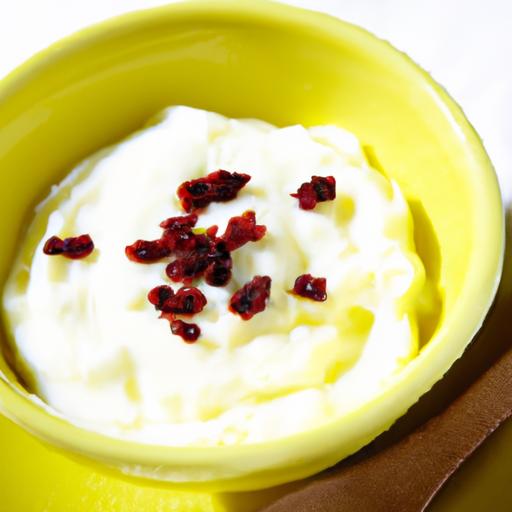
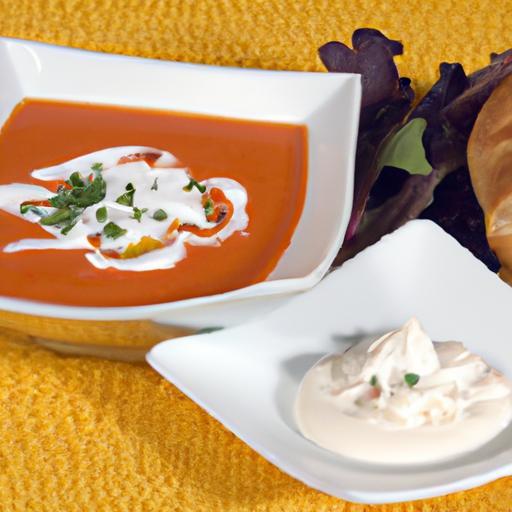
Serve this versatile non-dairy yogurt blend as a tangy drizzle atop roasted vegetables or grilled tofu. For a sweet treat, dollop on fresh berries and sprinkle with toasted nuts. Garnish with microgreens for an elegant touch or a sprinkle of smoked paprika for a smoky finish. This base also shines as a creamy topping for baked goods, replacing heavier frostings and adding subtle tang.

| Nutrient | Per 100g Non-Dairy Yogurt |
|---|---|
| Calories | 80-120 kcal |
| Protein | 1-3 g |
| Carbohydrates | 5-8 g |
| Fat | 4-10 g |
For expert product recommendations and expanded culinary uses, check out our detailed guide on best plant-based yogurts for every dish. To learn more about the health benefits of fermented foods, visit the NHS official guide to fermented foods.
Q&A
Q&A: Top Non-Dairy Yogurts Perfect for Cooking & Flavor Boosts
Q1: Why should I consider non-dairy yogurts for cooking instead of regular dairy yogurt?
A: Non-dairy yogurts are fantastic alternatives for those who are vegan, lactose intolerant, or simply experimenting with new flavors. Besides being gentler on digestion for many, they bring unique textures and subtle flavor nuances-from creamy coconut to tangy almond-that can elevate your dishes beyond the norm!
Q2: Which non-dairy yogurt types work best for savory cooking?
A: Almond and cashew yogurts shine in savory recipes because of their mild nuttiness and creamy consistency. They blend beautifully into sauces, curries, and dips, lending a deliciously smooth texture without overpowering other flavors. Coconut yogurt, while great for adding creaminess, has a more pronounced flavor, so use it when you want that tropical hint.
Q3: Can non-dairy yogurts withstand heat during cooking?
A: Absolutely! Many plant-based yogurts hold up well to gentle simmering and baking. Coconut and cashew yogurts tend to resist curdling better than soy or oat varieties, making them perfect for creamy soups, baked goods, and casseroles. To avoid separation, it’s best to add yogurt towards the end of cooking or gently mix it in off the heat.
Q4: What are some creative ways to use non-dairy yogurts to boost flavor?
A: Non-dairy yogurts are a secret weapon for brightening dishes. Use them as a tangy marinade base for tofu or veggies, a cooling swirl in spicy chili, or a creamy dollop atop grain bowls and tacos. You can even blend them with herbs and spices to craft deliciously fresh dressings and dips.
Q5: Are there any advice for picking the right non-dairy yogurt brand?
A: Look for yogurts with simple ingredient lists-fewer additives mean purer flavor and better cooking outcomes. Check for live probiotic cultures if you want added gut benefits. If sweetness isn’t desired, opt for unsweetened varieties that allow you to control flavor profiles in your dishes more precisely.
Q6: How do non-dairy yogurts compare nutritionally to dairy yogurt?
A: While non-dairy yogurts vary widely, many are fortified with calcium, vitamin D, and B12 to match or exceed dairy counterparts. They often contain less protein unless soy-based but make up for it with healthy fats from nuts or coconut. Always check labels if nutrition is your priority!
Q7: Can I substitute non-dairy yogurt one-to-one for dairy yogurt in recipes?
A: Generally yes, but keep in mind that subtle differences in flavor and texture exist. If a recipe relies heavily on the tang or thickness of dairy yogurt, you might need to tweak quantities or add a splash of vinegar or lemon juice for extra zing. Experimentation is key-and delicious!
Incorporating top non-dairy yogurts into your cooking repertoire not only embraces diversity in diet but opens doorways to creative, flavorful, and wholesome meals. Whether you dollop, simmer, or bake, these plant-powered yogurts stand ready to enhance every bite!
Closing Remarks
Whether you’re stirring up a savory curry, blending a zesty dressing, or simply craving a creamy dollop to brighten your breakfast bowl, these top non-dairy yogurts prove that plant-based options can be just as versatile and delicious as their traditional counterparts. From silky coconut to tangy almond and beyond, each variety brings its own unique flair to the table-enhancing flavors and elevating dishes with wholesome goodness. Embracing non-dairy yogurts in your cooking repertoire not only opens doors to new tastes and textures but also invites a vibrant world of culinary creativity. So next time you reach for that spoon, consider one of these flavorful alternatives to infuse your meals with a refreshing twist, proving once and for all that dairy-free doesn’t mean flavor-free.