
In a world where convenience often trumps creativity, cooking solo can feel both freeing and daunting. But what if your solitary kitchen adventures became a playground of flavor and sustainability? “Solo Cooking Savvy: Waste Less, Savor More Every Meal” invites you to rediscover the joy of cooking for one with intention and ingenuity. This article not only celebrates the art of crafting delicious, perfectly portioned meals but also reveals smart strategies to minimize waste, stretch your ingredients, and maximize taste. Get ready to transform your solo dining into an eco-friendly, flavorful experience that nourishes both body and planet-one savvy bite at a time.
Smart Solo Cooking Savvy: Mastering Portion Control for Delicious Efficiency
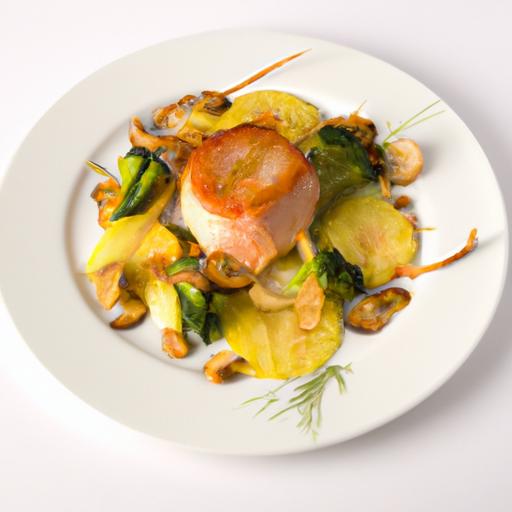
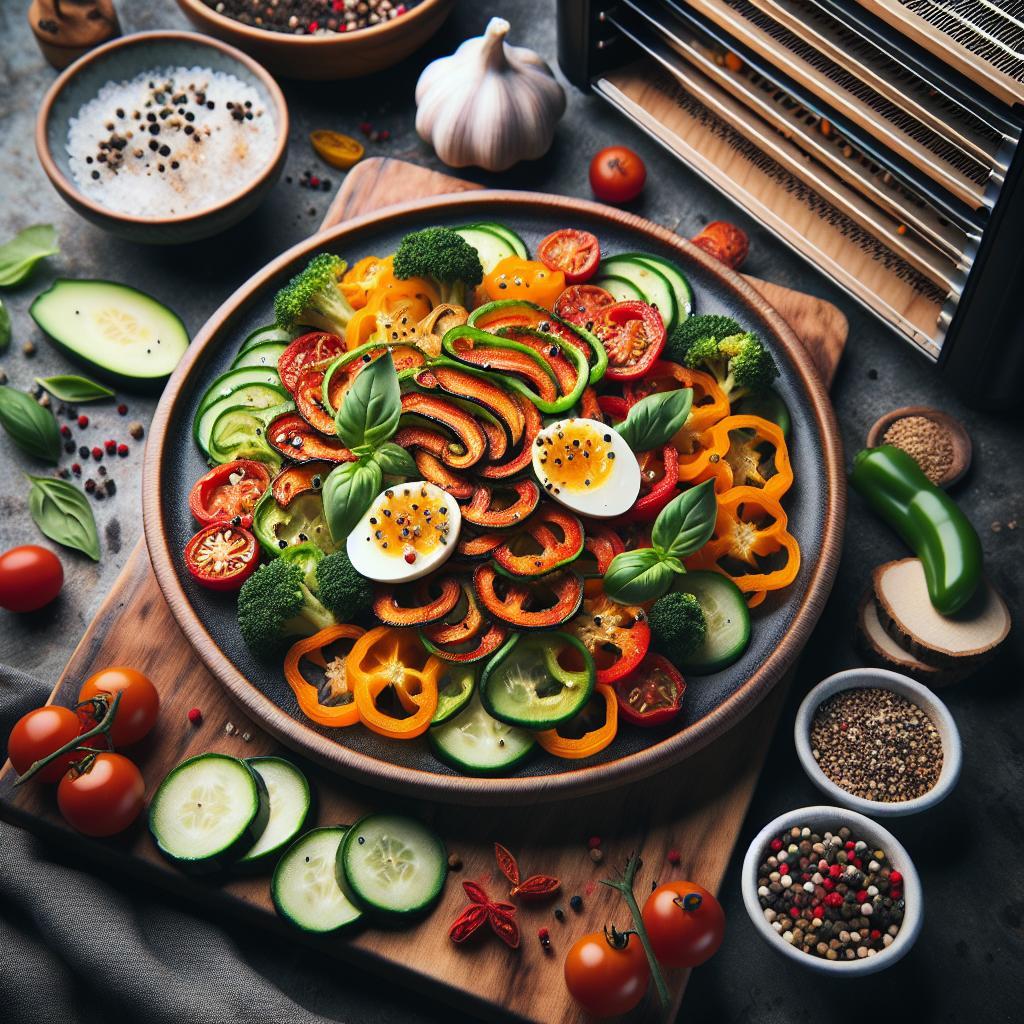
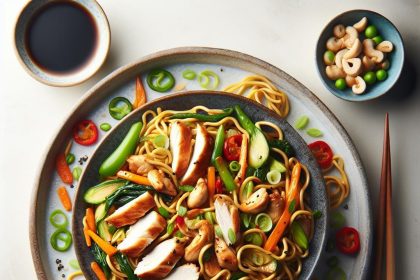
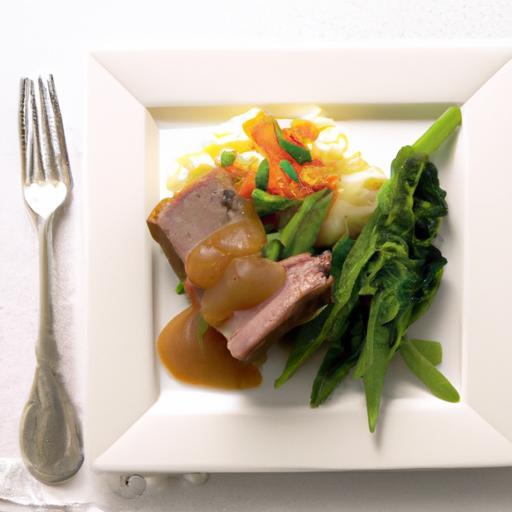
Solo Cooking Savvy encourages us to embrace the joys of preparing meals that are perfectly portioned, ensuring zero food waste while transforming everyday leftovers into elegant solo feasts. This recipe for a Pan-Seared Lemon Herb Chicken with Roasted Vegetable Medley encapsulates how thoughtful shopping, precision in portion sizes, and smart cooking tools come together for solo culinary success.
Prep and Cook Time
Prep Time: 15 minutes | Cook Time: 25 minutes | Total Time: 40 minutes
Yield
Serves 1
Difficulty Level
Easy
Ingredients
- 1 small boneless, skinless chicken breast (about 6 oz), pounded to even thickness
- 1 tablespoon olive oil, divided
- 1 teaspoon fresh lemon juice
- 1 garlic clove, minced
- 1 teaspoon fresh thyme leaves or ½ teaspoon dried thyme
- Salt and freshly ground black pepper, to taste
- ½ cup cherry tomatoes, halved
- ½ cup zucchini, cut into half-moon slices
- ½ cup bell pepper, chopped (any color)
- 1 tablespoon balsamic vinegar
- Fresh parsley, chopped, for garnish
Instructions
- Marinate the chicken: In a small bowl, combine olive oil (½ tablespoon), fresh lemon juice, garlic, thyme, salt, and pepper. Toss the pounded chicken breast in this mixture, coating well. Let it rest for 10 minutes to enhance flavor and tenderness.
- Prepare the vegetables: Toss cherry tomatoes, zucchini, and bell pepper with the remaining ½ tablespoon olive oil, a pinch of salt, and balsamic vinegar. Set aside.
- Cook the chicken: Heat a non-stick skillet over medium-high heat. Place the marinated chicken breast in the hot pan. Sear for about 5 minutes on one side without moving it to develop a golden crust.
- Turn and finish cooking: Flip the chicken and add the vegetables to the pan on the side. Sauté the vegetables, stirring occasionally, while the chicken cooks through another 6-8 minutes. Use a meat thermometer to ensure the internal temperature reaches 165°F (74°C).
- Rest and plate: Transfer the chicken to a plate and let it rest for 3 minutes. Serve alongside the roasted vegetable medley, garnished with fresh parsley for a burst of color and aroma.
Tips for Success
- Portion perfection: Pounding the chicken breast ensures even cooking, crucial for solo cooks aiming for moist, tender meat without drying out.
- Customize your vegetables: Use whatever fresh veggies you have on hand-this recipe is perfect for using up odds and ends, making it a champion for zero waste.
- Make-ahead magic: Marinate your chicken in advance or roast extra vegetables for use in soups or salads the next day.
- Tool time: A quality non-stick skillet or cast iron pan improves searing and simplifies cleanup, essential for efficient solo cooking sessions.
Serving Suggestions
The dish shines best plated elegantly with a sprinkle of fresh herbs-parsley or basil work beautifully. Pair with a simple green salad dressed in olive oil and lemon for a refreshing balance. For a heartier meal, add a small portion of quinoa or whole-grain bread on the side to soak up the delightful pan juices.
| Nutrient | Per Serving |
|---|---|
| Calories | 320 kcal |
| Protein | 42 g |
| Carbohydrates | 10 g |
| Fat | 11 g |

For those eager to expand their solo cooking toolkit, check out our comprehensive guide on essential single-serve kitchen tools, and enrich your knowledge further with this expert culinary resource on expertly mastering portion control and flavor layering.
Q&A
Q&A: Solo Cooking Savvy – Waste Less, Savor More Every Meal
Q1: Why is solo cooking a unique challenge when it comes to minimizing food waste?
A1: Cooking for one often means dealing with ingredient portions designed for a family or group, which can lead to excess food that spoils before use. The real challenge is balancing variety and nutrition without overwhelming your fridge or compost bin, making smart planning and savvy storage essential.
Q2: What are some savvy strategies to waste less when cooking solo?
A2: First, become a master of ingredient portioning-buy smaller quantities or shop at farmers’ markets where you can pick exactly what you need. Next, embrace flexible recipes that allow ingredient substitutions and leftovers. Freeze extras in single-serving portions, and label everything clearly to keep track. Lastly, get creative with scraps: vegetable peels, herb stems, or stale bread can transform into broths, pestos, or croutons.
Q3: How can solo cooks savor more from every meal?
A3: Savoring more comes from mindful cooking and eating. Experiment with bold spices and fresh herbs to elevate simple dishes. Invest in quality staples that bring richness, like good olive oil or freshly grated cheese. Take time to plate and enjoy your meal without distractions-turn solo dining into a sensory experience rather than a rushed routine.
Q4: Are there specific kitchen tools that help solo cooks reduce waste and enhance flavor?
A4: Absolutely! Multi-purpose gadgets save space and encourage creativity-a microplane grater is perfect for zest and cheese, while a mini food processor can whip up sauces from scraps. Airtight containers and reusable silicone bags keep ingredients fresh longer. Even a small-scale slow cooker or instant pot can maximize batch cooking without overproducing.
Q5: How important is meal planning for a solo cook aiming to waste less?
A5: Meal planning is a solo cook’s secret weapon. It prevents impulse buys that go unused and helps streamline grocery trips. By choosing recipes that share common ingredients throughout the week, you reduce food wastage and simplify preparation. Bonus: it saves time and mental energy, making the cooking process more enjoyable.
Q6: Can solo cooking savvy techniques contribute to bigger environmental benefits?
A6: Definitely. Reducing food waste in your kitchen lowers methane emissions from landfills and lessens the demand on agriculture, water, and energy resources. When solo cooks compost scraps or choose local, seasonal produce, they further shrink their ecological footprint-turning mindful meal prep into an act of eco-love.
Q7: What mindset shift helps solo cooks enjoy the process and results more?
A7: Viewing solo cooking as a form of self-care and creative expression rather than a chore transforms the experience. Celebrate small victories like mastering a new recipe or repurposing leftovers into something delicious. This positive cycle fuels motivation, reduces stress, and, ultimately, leads to less waste and more satisfaction at every meal.
Key Takeaways
As you embark on your solo cooking journey, remember that mastering the art of waste-less, savor-more meals is not just about efficiency-it’s a celebration of creativity, mindfulness, and respect for the ingredients that nourish you. Each thoughtful choice, from repurposing leftovers to mastering portion control, transforms your kitchen into a playground of endless possibilities. So cook boldly, waste less, and relish every bite, knowing that with each meal you craft, you’re not only feeding yourself but also feeding a more sustainable and flavorful way of living. Here’s to solo cooking savvy-where every dish tells a story worth savoring.