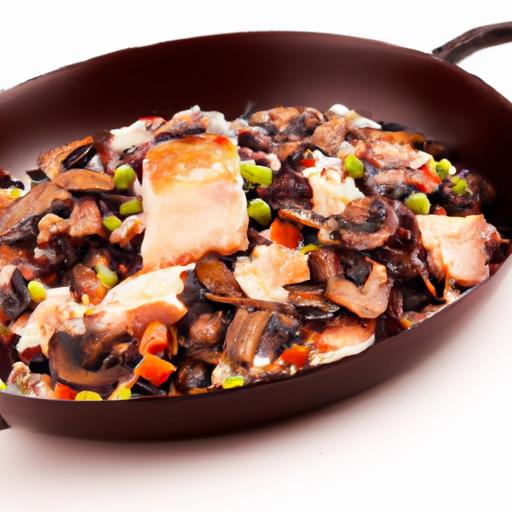
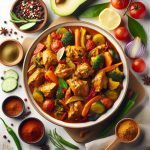
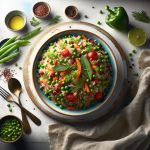
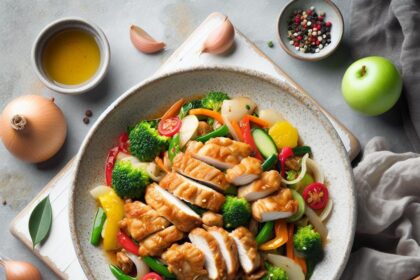
There’s something undeniably comforting about a one-pan meal – the ease, the minimal cleanup, and the promise of a hearty dish all cooked together. But what happens when that golden, crisp texture you imagined is replaced with an unwelcome sogginess? Suddenly, your hassle-free dinner feels like a soggy disappointment. Fear not! Understanding why your one-pan meal turns soggy is the first step to rescuing your culinary creation. In this article, we’ll dive into the common culprits behind that soggy mess and share quick, actionable tips to bring back the perfect balance of crispy and tender – all without sacrificing the convenience you love.
Why is my one-pan meal soggy? It’s a question almost every home cook faces when a promising, savory dish ends up swimming in moisture instead of serving crisp, vibrant layers of flavor. With the right approach, you can master the art of crafting one-pan meals that stay perfectly textured and bursting with flavor, every single time. The secret lies in understanding how ingredients interact, carefully controlling moisture, and applying cooking techniques designed to prevent sogginess.
Prep and Cook Time
Prep: 15 minutes | Cook: 30 minutes | Total: 45 minutes
Yield
Serves 4 hearty portions
Difficulty Level
Medium – Ideal for cooks comfortable with managing stovetop and oven techniques
Ingredients
- 2 tablespoons olive oil, divided
- 1 pound boneless chicken thighs, trimmed and patted dry
- 1 medium onion, thinly sliced
- 3 cloves garlic, minced
- 1 red bell pepper, thinly sliced
- 1 cup cherry tomatoes, halved
- 1 cup cooked quinoa, well-drained
- 1/2 cup frozen peas, thawed and drained
- 1 teaspoon smoked paprika
- 1/2 teaspoon dried oregano
- 1/2 teaspoon salt, divided
- Freshly ground black pepper, to taste
- 1 tablespoon fresh lemon juice
- Fresh parsley, chopped for garnish
Instructions
- Prepare your ingredients carefully: Dry the chicken thighs thoroughly with paper towels to remove excess moisture, which helps the meat sear properly without steaming.
- Heat 1 tablespoon olive oil in a heavy-bottomed skillet over medium-high heat. Add the chicken thighs, seasoned with 1/4 teaspoon salt and black pepper, skin side down, and sear until golden brown and crisp, about 5 minutes per side. Remove chicken and set aside on a plate.
- In the same pan, add the remaining tablespoon of olive oil. Sauté the sliced onion and garlic until translucent and aromatic, around 3-4 minutes, stirring carefully to avoid burning.
- Add the bell pepper and cherry tomatoes, sautéing briefly just until they start to soften, about 2 minutes. This quick cooking helps maintain a fresh and crisp texture.
- Stir in the cooked quinoa and peas, sprinkle smoked paprika, oregano, half the salt, and toss to combine. Cook for another 3 minutes, allowing the quinoa to absorb any pan juices without becoming mushy.
- Return the seared chicken thighs to the skillet. Lower the heat to medium-low, cover loosely, and let everything cook together for 8-10 minutes, allowing flavors to meld but preventing steam buildup that causes sogginess.
- Finish with a squeeze of fresh lemon juice to brighten the dish and sprinkle with chopped parsley before serving.
Tips for Success
- Choose ingredients mindfully: Opt for vegetables with low water content or prepare them to remove excess moisture (e.g., salting and draining spinach or zucchini before cooking).
- Pat dry proteins and veggies: Before cooking, remove moisture using paper towels to ensure a crisp sear and prevent steaming.
- Layer cooking steps: Cook ingredients in stages rather than all at once, minimizing excess liquid released into the pan.
- Avoid overcrowding: Crowded pans cause ingredients to steam rather than sauté. Use an appropriately sized pan for even heat and texture.
- Use lid judiciously: Cover only when needed and leave partially open to allow moisture to escape, controlling condensation buildup.
- Try quick-fix hacks: For slightly soggy meals, remove excess liquid gently with a paper towel or increase heat briefly to evaporate moisture while stirring.
- Make ahead: Cook components like quinoa or roasted vegetables in advance and add near the end of cooking to maintain texture.
Serving Suggestions
Plate your crisp, flavorful one-pan creation with a light drizzle of extra virgin olive oil and a sprinkle of finely chopped fresh herbs like parsley or cilantro to enhance brightness. For an elegant touch, serve with lemon wedges on the side and a crunchy side salad or toasted artisan bread to add contrast in texture. This dish pairs beautifully with a chilled glass of crisp white wine or a refreshing sparkling water with lime.

| Nutrient | Amount per Serving |
|---|---|
| Calories | 350 kcal |
| Protein | 28 g |
| Carbohydrates | 25 g |
| Fat | 12 g |
For more tips on perfecting one-pan meals, check out our detailed guide to one-pan cooking mastery. To dive deeper into ingredient moisture content and its cooking implications, visit Serious Eats for expert insights.
Q&A
Q: Why does my one-pan meal turn out soggy instead of crispy?
A: Sogginess usually happens when too much moisture gets trapped in the pan. When ingredients release water during cooking-think juicy veggies or marinades-it can create steam, leaving your meal limp instead of crisp.
Q: How can I prevent my one-pan meal from being soggy next time?
A: Start with a hot pan to sear ingredients quickly, which locks in moisture without steaming. Avoid overcrowding; give your food room to breathe so liquids can evaporate instead of pooling. Also, pat veggies and proteins dry before cooking to reduce excess water.
Q: Are there specific ingredients that tend to make my one-pan meal soggy?
A: Absolutely! Water-rich veggies like zucchini, mushrooms, or tomatoes release a lot of juices as they cook. If not managed properly, this excess moisture leads to sogginess. Pre-salting and draining these veggies can help minimize water release.
Q: Can I fix a soggy one-pan meal after it’s cooked?
A: Yes! Pop your soggy dish under the broiler or back into a hot pan without a lid to evaporate excess moisture. This helps revive crispness quickly. Just watch closely to avoid burning!
Q: Does the type of pan affect sogginess?
A: Definitely. Heavy-bottomed pans like cast iron or stainless steel distribute heat evenly and promote better browning. Nonstick pans sometimes trap steam underneath, which can encourage sogginess.
Q: How does adding liquids like sauces impact sogginess?
A: Adding too much liquid early on can steam your ingredients rather than roast them, leading to sogginess. If a sauce is part of the recipe, add it near the end or use less to maintain that desired crisp texture.
Q: What’s a quick tip to get my one-pan meal crispy without extra hassle?
A: Try finishing your dish with a quick blast of high heat-either under the broiler or in a hot pan-right before serving. This revives textures and adds appetizing golden edges in a flash!
The Way Forward
In the quest for quick, delicious one-pan meals, sogginess can often steal the show-turning what should be a crispy, flavorful dish into a disappointing soggy saga. But fear not! By mastering a few simple tweaks-like managing moisture, choosing the right ingredients, and dialing in your cooking technique-you can easily reclaim that perfect balance of texture and taste. So next time you whip up your favorite one-pan wonder, remember these tips to keep it crisp, savory, and downright crave-worthy. After all, the secret to a great meal isn’t just what’s on your plate-it’s how it got there. Happy cooking!