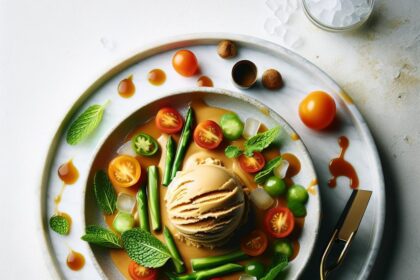
Imagine a world where dinner plates burst with vibrant colors, tantalizing aromas, and nourishing flavors-all sourced from the earth itself. Plant-based foods are not just a fleeting trend; they are at the forefront of a culinary revolution that’s redefining what it means to eat well in the 21st century. As more people embrace the benefits of plants-from their environmental impact to their healthful properties-tomorrow’s meals promise to be as exciting as they are sustainable. In this article, we explore how plant-based foods are shaping the future of dining, transforming kitchens, markets, and cultures one bite at a time.
Plant-Based Foods: Shaping Tomorrow’s Dinner Plates with a Vibrant Rainbow Buddha Bowl
Plant-based foods are revolutionizing global cuisine by infusing dishes with vibrant colors, rich flavors, and diverse nutrition. This Rainbow Buddha Bowl celebrates the essence of plant-based eating through an artful blend of fresh vegetables, ancient grains, and innovative plant-powered ingredients. Inspired by my travels through Southeast Asia’s bustling markets and the rising trend of nourishing meals that honor the planet and palate alike, this dish embodies balance and joy in every bite.
Prep and Cook Time
Prep: 20 minutes | Cook: 25 minutes | Total: 45 minutes
Yield
4 hearty servings
Difficulty Level
Easy to Medium
Ingredients
- 1 cup quinoa, rinsed
- 2 cups water or vegetable broth
- 1 medium sweet potato, peeled and diced into ½ inch cubes
- 1 cup shredded red cabbage
- 1 cup baby spinach leaves
- 1 medium carrot, julienned
- 1 avocado, sliced
- 1 cup cooked chickpeas, drained and rinsed
- 2 tbsp toasted sesame seeds
- 1 tbsp extra virgin olive oil
- 1 tbsp tahini
- 1 tbsp fresh lemon juice
- 1 tsp maple syrup
- 1 garlic clove, minced
- Salt and freshly ground black pepper, to taste
- Fresh cilantro or parsley for garnish
Instructions
- Cook the quinoa: In a medium saucepan, combine quinoa and water or vegetable broth. Bring to a boil, then cover and reduce heat to simmer for 15 minutes or until all liquid is absorbed. Fluff with a fork and set aside.
- Roast the sweet potato: Preheat the oven to 425°F (220°C). Toss the diced sweet potato with 1 tbsp olive oil, salt, and pepper. Spread on a baking sheet and roast for 20 minutes, turning halfway, until golden and tender.
- Prepare the dressing: In a small bowl, whisk together tahini, lemon juice, maple syrup, minced garlic, and a pinch of salt. Add water a teaspoon at a time until the dressing reaches a smooth, pourable consistency.
- Assemble the bowl: Divide quinoa as the base into four bowls. Artfully arrange roasted sweet potato, shredded red cabbage, baby spinach, carrot, chickpeas, and avocado slices on top.
- Drizzle the dressing: Generously spoon the tahini dressing over the bowl and sprinkle with toasted sesame seeds and fresh herbs.
- Serve immediately: Enjoy warm or at room temperature for the full spectrum of textures and flavors.
Chef’s Notes & Tips for Success
- Ingredient swaps: Swap quinoa for brown rice or farro if preferred. Sweet potatoes can be replaced with roasted beets or butternut squash for seasonal variation.
- Make-ahead magic: Fully assemble bowls without avocado and dressing, then store chilled in airtight containers for up to 2 days. Add avocado and dressing just before serving to keep textures fresh.
- Boost protein: Toasted pumpkin seeds or hemp hearts add a nutty crunch and further enrich the plant-based protein content.
- Spice it up: Add a sprinkle of chili flakes or a dash of smoked paprika to the roasted sweet potatoes for an extra layer of warmth.
Serving Suggestions
Serve this vibrant bowl with a crisp side of steamed edamame or a warm crusty loaf made from whole grains. For a refreshing contrast, pair it with a sparkling cucumber-mint agua fresca or an herbal green tea. Garnish with microgreens and a lemon wedge for bursts of fresh acidity that enliven every forkful.
| Nutrient | Per Serving |
|---|---|
| Calories | 410 kcal |
| Protein | 14 g |
| Carbohydrates | 58 g |
| Fat | 14 g |

Discover more inspiring plant-powered recipes on our Plant-Based Recipes page and learn about the science behind plant nutrition at Harvard University.
Q&A
Q&A: Plant-Based Foods – Shaping Tomorrow’s Dinner Plates
Q1: What exactly are plant-based foods, and why are they gaining so much attention?
A1: Plant-based foods are delicious dishes and products made primarily from plants-think vegetables, fruits, grains, nuts, seeds, and legumes. Unlike simply vegetarian or vegan diets, plant-based focuses on enriching your plate with plants as the centerpiece. They’re soaring in popularity because they offer a tasty way to boost health, honor planet Earth, and embrace food innovation all at once.
Q2: How are plant-based foods transforming what we expect for dinner?
A2: Think of traditional dinner staples-but reimagined. Juicy burgers crafted from peas and mushrooms, creamy dairy-free cheeses, and decadent desserts made from nuts and fruits. These innovations mean that plant-based foods aren’t just “side dishes” anymore; they’re the stars, making meals exciting, visually vibrant, and packed with nutrients.
Q3: Is eating plant-based just a trend, or is it the future of food?
A3: Unlike fleeting fads, plant-based eating is rooted in deeper shifts-climate awareness, evolving culinary creativity, and a surge in consumer demand for healthier choices. As technology improves and new ingredients emerge, plant-based options will likely become a mainstay, not a niche.
Q4: Can plant-based foods satisfy my nutritional needs, especially protein?
A4: Absolutely! Plants deliver protein through sources like lentils, chickpeas, quinoa, and soy. Moreover, many plant-based products are now engineered to offer complete proteins and vital nutrients traditionally associated with animal products. Planning a balanced plate keeps your energy and health flourishing.
Q5: How does choosing plant-based impact the environment?
A5: By opting for plants over animal-based foods, you’re helping reduce greenhouse gas emissions, conserve water, and preserve biodiversity. Farming plants generally requires fewer resources, making each meal a small act of environmental harmony.
Q6: What’s the best way for someone to start incorporating more plant-based foods into their diet?
A6: Begin with curiosity and small steps: swap one meat meal each week for a plant-based version, experiment with vibrant salads or hearty grain bowls, or explore plant-based milk in your morning coffee. The key is delicious discovery that feels joyful, not restrictive.
Q7: Are plant-based foods accessible and affordable for everyone?
A7: As the market grows, prices are becoming more competitive, and many plant staples like beans, rice, and seasonal veggies are budget-friendly. Plus, cooking at home with whole ingredients often means better value for money-and flavor-that money can’t always buy.
Q8: What exciting innovations are on the horizon in plant-based cuisine?
A8: Imagine lab-grown plants, meat alternatives that sizzle and bleed like beef, or algae-based superfoods packed with nutrients. Culinary scientists and chefs are continuously blending technology and tradition to surprise our palates and nourish our bodies in new ways.
Plant-based foods aren’t just changing dinner-they’re reshaping our relationship with food, health, and the planet. Ready to take a bite into tomorrow?
Final Thoughts
As the sun sets on traditional culinary boundaries, plant-based foods are emerging as the vibrant palette coloring tomorrow’s dinner plates. More than a trend, they represent a shift in how we nourish our bodies, honor the planet, and celebrate the diversity of flavors nature offers. From the humble legumes that once graced ancient tables to innovative creations pushing gastronomic frontiers, plant-based eating invites us to savor a future where health, sustainability, and creativity coexist harmoniously. So, as you ponder your next meal, consider the powerful possibilities sprouting from seeds and soil-because the future of food is not just on your plate, it’s planting roots in the way we live.