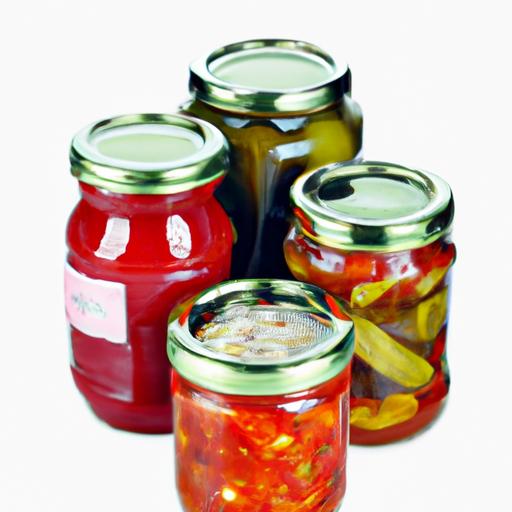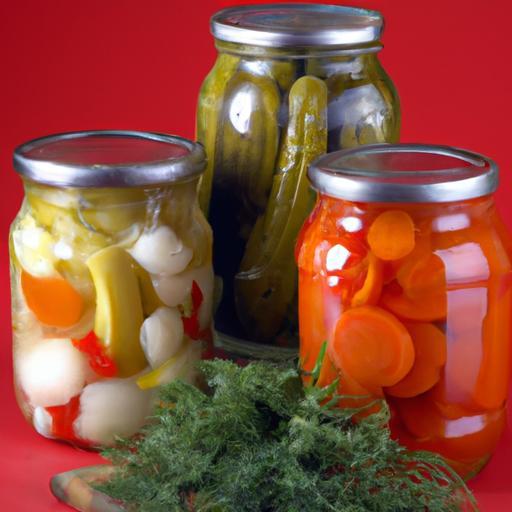

In the art of preserving nature’s bounty, one invisible ingredient stands as the silent guardian between safety and spoilage: acidity. Whether it’s the tangy zing in a jar of homemade pickles or the subtle brightness in a batch of luscious fruit preserves, acidity doesn’t just shape flavor-it dictates the fate of every sealed jar. Understanding the vital role of acidity in canning is like unlocking a secret recipe for both deliciousness and protection against harmful bacteria. In this exploration, we’ll delve into why acidity is the unsung hero of safe and tasty canning, ensuring that every bite is a burst of freshness and every jar a triumph of preservation.
The Vital Role of Acidity in Safe and Tasty Canning
Understanding the vital role of acidity in safe and tasty canning transforms the way we preserve fresh flavors. Drawing from decades of culinary craftsmanship, this knowledge not only enhances the shelf life of your preserves but also ensures every jar bursts with vibrant taste. Whether you’re canning heritage tomatoes, tangy pickles, or luscious fruit preserves, mastering acidity means achieving delicious, foolproof results every time.
Prep and Cook Time
Preparation: 20 minutes
Cooking & Processing: 45 minutes
Yield
4 quarts of safely preserved goodness
Difficulty Level
Medium – requires attention to detail with pH testing and acidity adjustments
Ingredients
- 4 cups fresh tomatoes, peeled and chopped (or preferred fruit/vegetable)
- 1 cup distilled white vinegar (5% acidity)
- 2 tbsp lemon juice, freshly squeezed
- 1/4 cup sugar (optional, depending on recipe)
- 1 tbsp kosher salt
- Certified pH test strips or digital pH meter
- Filtered water as needed
- Fresh herbs or spices (optional, for flavor layering)
Instructions
- Prepare your jars and lids: Wash thoroughly in hot soapy water and sterilize by boiling or using a dishwasher’s sterilization cycle.
- Combine acidic ingredients: In a large pot, pour distilled white vinegar and add lemon juice. These acids are crucial-they lower the pH, preventing bacterial growth and creating the tangy base.
- Cook your fresh produce: Add the peeled tomatoes (or chosen vegetable/fruit) to the acidic mixture. Simmer gently for 15-20 minutes until softened, stirring occasionally to prevent sticking.
- Test the pH: Carefully dip your pH test strips or probe into a cooled sample. Aim for a pH below 4.6 to guarantee safe preservation. If the pH is higher, add small increments of vinegar or lemon juice, re-testing after each addition.
- Add sugar, salt, and spices: Stir in sugar or salt to taste, enhancing flavor while keeping safety intact. This balance is key for a delicious, well-preserved product.
- Fill jars: Ladle the hot, acidified mixture into sterilized jars, leaving a 1/2 inch headspace. Wipe rims clean to ensure proper sealing.
- Seal and process: Apply lids and rings, then process jars in a boiling water bath for the recommended time per your altitude and recipe-usually 35-45 minutes.
- Cool and store: Remove jars and place them on a towel to cool. Listen for the satisfying popping sound of sealed lids. Store in a cool, dark place for up to one year.
Chef’s Notes: Tips for Success
- Choosing acidic ingredients: Vinegar at 5% acidity is non-negotiable; household vinegar varies, so confirm acidity levels. Lemon juice’s natural acid complements vinegar and adds brightness to flavor.
- Avoid substitutions without testing: Apple cider vinegar or fruit juices vary in acid and should be tested before use in canning.
- Testing pH is mandatory: Never skip pH testing when adjusting recipes. Safe canning demands precise acidity to eliminate pathogens like Clostridium botulinum.
- Make-ahead tips: Preserve your acidic mix and flavor combos, but always perform fresh pH testing if ingredients or source fruits vary in ripeness or type.
- Visual safety clues: If a jar shows bulging lids or leaks, discard immediately-these signals often indicate improper acidity or processing.
Serving Suggestions
Enjoy your perfectly acidic canned goods as dynamic accents to meals-layer pickled tomatoes into vibrant salads, spoon tangy preserved fruit over creamy desserts, or add your homemade acidic brine to cocktails for a savory twist. Garnish with fresh herbs like basil or dill to highlight freshness. The balance of acidity not only guarantees safety but invites flavorful creativity to every dish you craft from your pantry.

| Nutrient | Per Serving (1 cup) |
|---|---|
| Calories | 45 |
| Protein | 1g |
| Carbohydrates | 9g |
| Fat | 0g |
To deepen your knowledge, explore our detailed guide on Safe Canning Methods. For scientific insights on acidity levels and microbial control, see the USDA Food Safety Guidelines.
Q&A
Q&A: The Vital Role of Acidity in Safe and Tasty Canning
Q1: Why is acidity so important in the canning process?
A1: Acidity is the secret superhero in canning! It helps create an environment that’s hostile to harmful bacteria, especially the notorious Clostridium botulinum, which loves low-acid, oxygen-free corners. By boosting acidity, you’re essentially building a fortress that protects your preserves, keeping them safe to eat and delicious for months or even years.
Q2: How does acidity affect the taste of canned foods?
A2: Acidity isn’t just about safety-it’s also a flavor game-changer. Think of acidity as the zing that wakes up your taste buds, balancing sweetness and enhancing natural flavors. A splash of vinegar or a squeeze of lemon juice in your pickles or fruit preserves can turn bland into brilliant, making every jar a palate-pleasing adventure.
Q3: Which foods need their acidity adjusted before canning?
A3: Low-acid foods-like green beans, corn, meats, and most vegetables-are the ones that need a bit of acidic magic to keep them safe during canning. Fruits naturally have higher acidity, but sometimes a little extra lemon juice or citric acid is added to hit the safety sweet spot. Knowing your food’s pH is key before sealing that jar!
Q4: Can I substitute one acidifier for another in canning recipes?
A4: While it might be tempting, swapping acids is not always a safe bet. Different acidifiers (vinegar, lemon juice, citric acid) have varying acid strengths and flavors. A recipe calling for vinegar might not be safely replicated with lemon juice alone-or vice versa-without tweaking the quantity and testing the resulting pH. Always follow trusted recipes to keep your preserves both tasty and safe.
Q5: How can I tell if my canned food is safe to eat based on acidity?
A5: Safety starts in the kitchen, not after opening the jar! Proper acidity combined with correct processing (like pressure canning for low-acid foods) ensures safety. Once opened, trust your senses-off smells, unusual colors, or strange textures mean “no thank you.” When in doubt, throw it out. Remember, acidity helps prevent spoilage, but it’s only one piece of the canning puzzle.
Q6: Does acidity influence the texture of canned goods?
A6: Absolutely! Acidity can firm up the texture of fruits and vegetables during canning by strengthening their cell walls. Too little acid, and your canned goods might turn mushy; too much, and they could become overly soft or tangy. A balanced level of acidity is what keeps those peaches juicy, pickles crisp, and tomatoes the perfect base for your salsa.
Q7: Any quick tips for home canners regarding acidity?
A7: Sure! First, always use tested recipes from reliable sources like the USDA or university extension programs. Add the recommended amount of acidifier exactly as instructed-no guessing. If you’re experimenting with new recipes, measure pH cautiously with test strips or meters. And remember, acidity is your friend-respect it, and your jars will reward you with both safety and scrumptiousness.
From preserving grandma’s recipes to crafting vibrant pickles, acidity is the often unsung hero that keeps your canned creations safe and vibrant. So next time you reach for that lemon or vinegar bottle, know you’re stirring in a little bit of food science magic!
In Retrospect
In the art and science of canning, acidity is more than just a flavor note-it’s the silent guardian that ensures your preserved treasures remain safe and delicious for months and years to come. Understanding and respecting the role of acidity transforms home canning from a hopeful experiment into a reliable craft, where every jar tells a story of careful balance and preserved freshness. So, whether you’re pickling crisp cucumbers or simmering berry jams, remember: that perfect tang isn’t just a taste-it’s your assurance of safety and savor in every bite. Embrace acidity, and let your canning adventures be both boldly flavorful and steadfastly secure.