There’s a certain magic in mozzarella-the way it stretches in molten ribbons, melts into bubbling golden pockets, and dances on the palate with a delicate, milky charm. But behind this beloved cheese lies a craft honed through centuries, where art meets science in the humble curd. In “Crafting Creamy Perfection: The Ultimate Mozzarella Guide,” we’ll unravel the secrets to creating mozzarella that sings with softness and flavor, whether you’re a kitchen adventurer or a curious cheese lover. From milk selection to kneading techniques, prepare to embark on a journey that transforms simple ingredients into creamy perfection.
Crafting Creamy Perfection: The Ultimate Mozzarella Guide
Crafting creamy perfection in homemade mozzarella begins long before your hands touch the curds. The essence of truly silky smooth mozzarella lies in selecting the finest milk-an ingredient that breathes life into the cheese’s delicate flavor and luscious texture. Whether sourced from fresh whole cow’s milk or rich buffalo milk, the way you start profoundly influences your success in mastering the art of stretching and shaping cheese curds into pillowy spheres of pure indulgence.
Prep and Cook Time
- Preparation: 20 minutes
- Cooking: 15 minutes
- Total Time: 35 minutes
Yield
- Approximately 1 pound (450 grams) of fresh mozzarella cheese
- Serves 4-6 people
Difficulty Level
- Medium – Ideal for adventurous home cooks looking to elevate their cheese-making skills
Ingredients
- 1 gallon high-quality whole milk (preferably raw or pasteurized, never ultra-pasteurized)
- 1 ½ tsp citric acid dissolved in ¼ cup cool, non-chlorinated water
- ¼ tsp liquid rennet diluted in ¼ cup cool, non-chlorinated water
- 1 tsp kosher salt (adjust to taste)
- Ice water bath for brining and shaping
Instructions
- Prepare the milk: Pour the whole milk into a large stainless-steel pot. Add the dissolved citric acid and stir gently to combine. Slowly warm the milk over medium heat to 90°F (32°C), stirring occasionally.
- Add the rennet: Once the milk reaches 90°F, remove it from heat and stir in the diluted rennet using a gentle up-and-down motion for 30 seconds. Cover the pot and let it sit undisturbed for 5 minutes until a firm curd forms.
- Cut the curd: With a long knife, slice the curd into 1-inch cubes. Gently stir the curds for 5 minutes to help them release whey and firm up.
- Heat and stretch: Place the curds back on low heat and slowly heat to 105°F (40°C). Using a slotted spoon, transfer the curds into a microwave-safe bowl and microwave on high for 1 minute.
- Drain the whey: Carefully drain off excess whey, then fold and stretch the curds quickly using clean hands or gloves. Repeat microwaving for 30 seconds and stretching until the cheese becomes shiny, pliable, and elastic.
- Shape and salt: Sprinkle kosher salt over the stretched mozzarella. Gently fold and shape into smooth balls or logs. Immediately transfer the cheese into an ice water bath to cool and firm up.
- Serve or store: After 5 minutes in the ice bath, your mozzarella is ready to enjoy fresh or refrigerate in whey or lightly salted water for up to 3 days.
Tips for Success
- Choosing milk: Opt for fresh whole milk with a fat content of 3.5-4% for richer, silkier cheese. Avoid ultra-pasteurized milk which impairs curd formation.
- Temperature control: Maintaining precise temperatures during curd formation and stretching is crucial to achieving that coveted creamy texture.
- Stretching technique: Stretch quickly and confidently; warm curds stretch best and help develop the signature elastic texture.
- Substitutions: Buffalo milk offers a luxurious creaminess but may be harder to source. Cow’s milk works beautifully for a milder flavor.
- Make ahead tip: Mozzarella shines when freshly made but can be stored in a light brine wrapped in plastic for up to 3 days without losing creaminess.
Pairing and Storing Mozzarella for Freshness and Flavor Enhancement
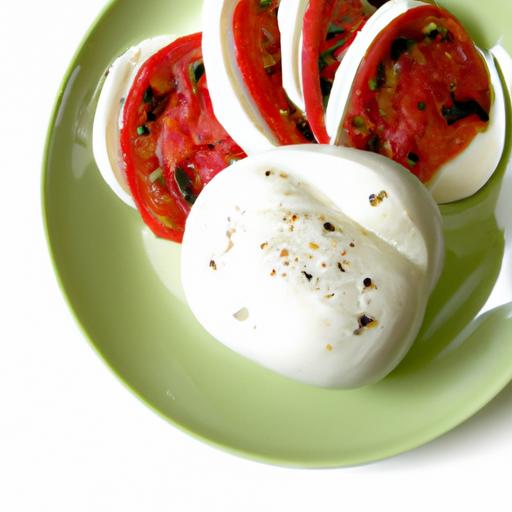
The fresh, creamy mozzarella you crafted can be paired beautifully with ripe heirloom tomatoes, fragrant basil leaves, and a drizzle of extra virgin olive oil to create the classic Caprese salad. For a bolder experience, try pairing with prosciutto, figs, or a sprinkle of cracked black pepper and Maldon sea salt.
To store your mozzarella, keep it submerged in a lightly salted whey or water solution inside an airtight container in the refrigerator. This method preserves moisture and flavor while extending shelf life. For longer storage, fresh mozzarella freezes poorly, so always aim to consume within a couple of days for maximum creaminess.

| Nutrient | Per 100g |
|---|---|
| Calories | 280 kcal |
| Protein | 22 g |
| Carbohydrates | 2 g |
| Fat | 20 g |
For more expert guidance on crafting homemade cheeses, explore our detailed Homemade Cheese Techniques article. For an in-depth scientific overview of cheese-making, visit the Cheese Science Portal.
Q&A
Q&A: Crafting Creamy Perfection – The Ultimate Mozzarella Guide
Q1: What makes mozzarella truly creamy and perfect?
A1: Creamy mozzarella owes its velvet texture to the delicate balance of fresh milk quality, precise curd handling, and the magical stretching process. It’s the dance of science and art-where curds are gently heated and pulled to create those tender, luscious strands that define mozzarella’s signature softness.
Q2: Is there a difference between fresh mozzarella and the shredded kind we buy at the store?
A2: Absolutely! Fresh mozzarella is softer, moist, and often sold in brine or whey, offering that melt-in-your-mouth creaminess. Shredded mozzarella, meanwhile, is usually a low-moisture variety designed to melt evenly on pizza or casseroles but lacks the buttery softness of its fresh counterpart.
Q3: Can I make mozzarella at home without fancy equipment?
A3: Yes! While professional cheesemakers use specialized tools, you can craft mozzarella in a home kitchen with simple ingredients: fresh whole milk, rennet, citric acid, and a good thermometer. The key is patience and attention-gently heating and stretching the curds by hand creates that authentically creamy texture.
Q4: How does the milk source affect mozzarella’s flavor and creaminess?
A4: Milk is the heartbeat of mozzarella. Cow’s milk offers a mild, creamy flavor, while water buffalo milk delivers a richer, tangier profile with extra silkiness. The freshness and fat content of the milk directly influence the cheese’s tenderness and subtle taste nuances.
Q5: What are the best ways to enjoy fresh mozzarella?
A5: Fresh mozzarella shines brightest when kept simple-think heirloom tomatoes, fresh basil, a drizzle of olive oil, and a sprinkle of sea salt in a classic Caprese salad. It also elevates pizzas, pastas, or even enjoyed on its own as a creamy, dreamy snack.
Q6: How should fresh mozzarella be stored to maintain its creaminess?
A6: Keep it chilled in its brine or whey until ready to eat. Fresh mozzarella prefers hydration over dryness; storing it airtight and submerged preserves its soft texture and prevents it from becoming rubbery or tough.
Q7: What’s the secret trick to stretching mozzarella perfectly?
A7: The mozzarella curds must reach just the right temperature-usually around 135°F (57°C)-to become elastic and stretch easily. If too hot, the curds become too soft and break; too cool, and they stay firm. Practice and a warm water bath help you master this silky stretch every time.
Q8: Can mozzarella be flavored or combined with other ingredients?
A8: Definitely! While classic mozzarella is loved for its pure creaminess, mixing in fresh herbs, chili flakes, or smoked spices before shaping can add delightful twists. Stuffed mozzarella balls with pesto or sun-dried tomatoes are also a gourmet treat.
Q9: How does mozzarella differ regionally?
A9: Italian mozzarella di Bufala from Campania is renowned for its rich taste and supple texture, made from water buffalo milk. Meanwhile, Fior di Latte uses cow’s milk and offers a milder flavor. Regional dairies often add their own spin, influenced by climate, pasture, and tradition, making mozzarella a delicious canvas of cultural expression.
Q10: What common mistakes should beginners avoid when making mozzarella?
A10: Overheating the curds, rushing the stretching phase, or using poor-quality milk can result in tough, grainy cheese. Also, skipping the acidification step with citric acid or lemon juice may prevent proper curd formation. Patience is key-cheesemaking rewards those who move with care and respect the process.
Crafting mozzarella is an artform wrapped in scientific precision-a journey that yields soft, sumptuous cheese worthy of celebration in every bite. Whether you savor it fresh or melt it golden, understanding what makes mozzarella creamy unlocks endless culinary possibilities.
Wrapping Up
As the final ripple of melted mozzarella stretches across your plate, remember that mastering this creamy marvel is both an art and a delicious adventure. From selecting the freshest curds to perfecting the stretch that defines its silky texture, mozzarella invites you to explore centuries of tradition and innovation in every bite. Armed with the insights from this ultimate guide, you’re now ready to craft your own creamy perfection-whether it’s the crowning touch on a rustic pizza or the star of a simple Caprese salad. So go ahead, embrace the magic of mozzarella, and let each mouthful transport you to the heart of Italian craftsmanship. Buon appetito!