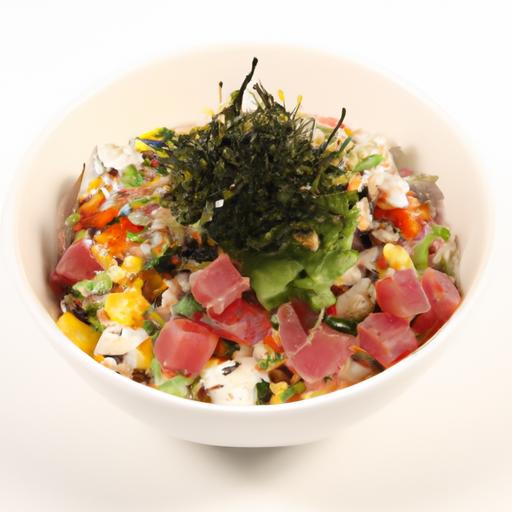
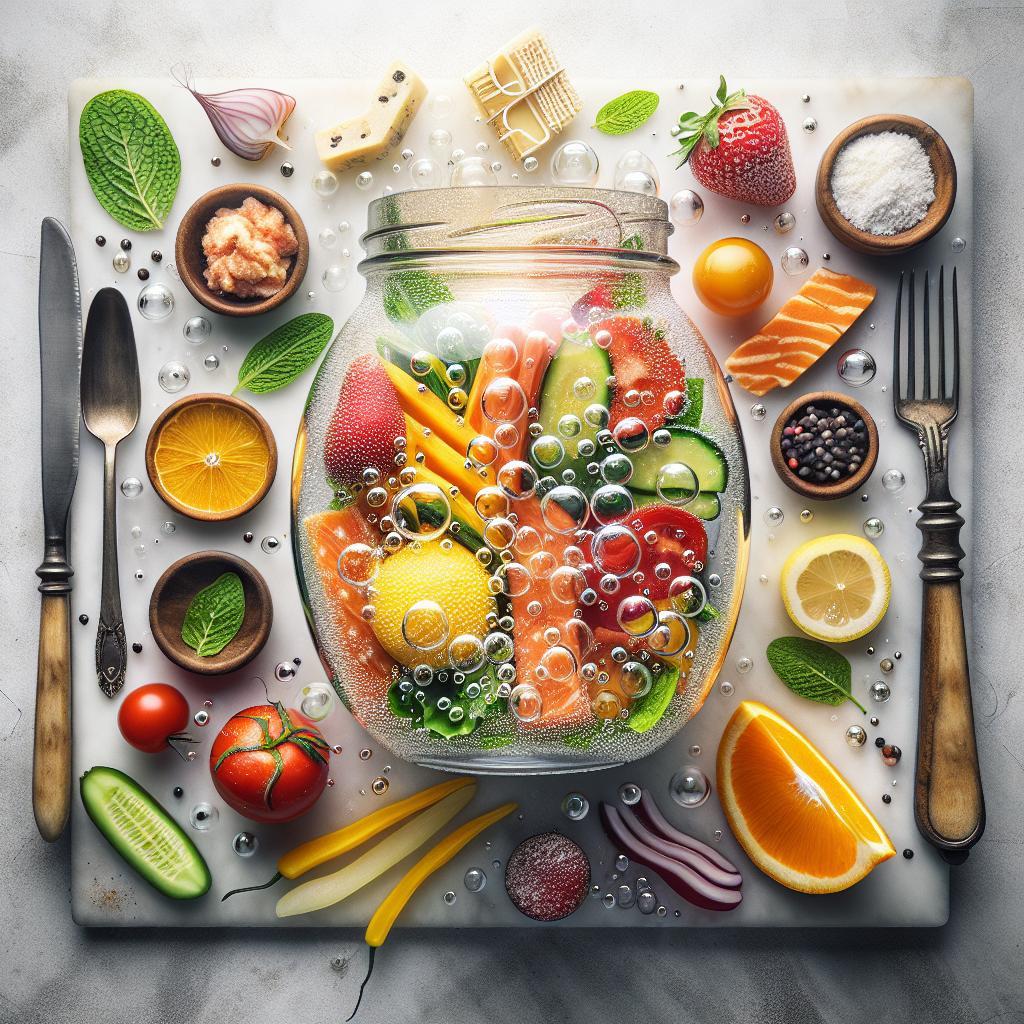
In the vibrant world of culinary innovation, few dishes capture the essence of tradition and modernity quite like the deconstructed poke bowl. This artful approach challenges the conventional, inviting diners to explore each ingredient’s story, texture, and flavor in isolation before experiencing their harmonious union. Unpacking flavor through the lens of the deconstructed poke bowl is more than a trend – it’s a celebration of craftsmanship, creativity, and the sensory journey that transforms a simple meal into an unforgettable experience. Join us as we delve into the layers of this culinary masterpiece, revealing how careful composition and thoughtful presentation elevate every bite into an exploration of taste and culture.
Unpacking Flavor: The Art of the Deconstructed Poke Bowl
Unpacking flavor in a deconstructed poke bowl reveals a celebration of freshness and balance that transforms a simple meal into an artistic experience. Originating from Hawaiian shores where local fish meets vibrant produce, this dish invites culinary enthusiasts to explore how premium ingredients, thoughtful textures, and innovative plating redefine comfort food for the modern palate.
Prep and Cook Time
- Preparation: 20 minutes
- Cooking: 10 minutes (excluding marinating)
- Marinating Time: 15-30 minutes (optional but recommended)
- Total Time: Approximately 45 minutes
Yield
Serves 4 generous portions, perfect for sharing or savoring leftovers the next day.
Difficulty Level
Medium: Ideal for cooks comfortable with basic knife skills and flavor balancing, seeking to elevate simple ingredients.
Ingredients
- 450g (1 lb) sashimi-grade ahi tuna, cut into 1/2-inch cubes
- 1/4 cup soy sauce (low sodium preferred)
- 1 tablespoon toasted sesame oil
- 1 teaspoon honey or maple syrup
- 1 teaspoon finely grated fresh ginger
- 1 small garlic clove, minced
- 1 avocado, sliced thinly
- 1 cup cooked sushi rice, cooled
- 1/2 cup julienned cucumber
- 1/2 cup shredded purple cabbage
- 1/4 cup edamame beans, shelled and steamed
- 2 tablespoons chopped green onions
- 1 tablespoon toasted sesame seeds
- Pickled ginger and radish slices for garnish
- Optional: Wasabi mayo or spicy sriracha sauce for a kick
Instructions
- Prepare the marinade: In a medium bowl, whisk together soy sauce, sesame oil, honey, ginger, and garlic until well combined.
- Marinate the tuna: Gently fold the tuna cubes into the marinade, coating evenly. Cover and refrigerate for 15-30 minutes to deepen the flavors while maintaining the fish’s freshness.
- Prepare the base: Fluff the sushi rice with a fork and divide it into individual serving bowls or plates, creating a clean canvas to layer your ingredients.
- Arrange the vegetables: Place the cucumber juliennes, shredded cabbage, and steamed edamame in small clusters around the rice, emphasizing the vibrant colors and contrasting textures.
- Build the centerpiece: Gently place marinated tuna cubes atop the rice in a neat pile without letting the marinade soak into the base, preserving each texture.
- Garnish artistically: Fan thin avocado slices on one side, sprinkle with toasted sesame seeds and green onions, then artfully add pickled ginger and radish slices to punctuate the presentation.
- Add optional sauces: Provide a small drizzle of wasabi mayo or spicy sriracha on the side or over certain components to enhance complexity without overpowering the freshness.
- Serve immediately: Encourage guests to mix bites as they like, experiencing the interplay of textures and tastes with every forkful.
Tips for Success
- Select fresh, sashimi-grade fish: The quality of your tuna directly impacts the dish’s freshness and safety-purchase from trusted vendors.
- Balancing textures: Combine crunchy (cabbage, radish), creamy (avocado), and tender (tuna) elements consciously to captivate the palate.
- Rice preparation: Use short-grain sushi rice for optimal stickiness and texture; let it cool to room temperature before assembling.
- Marinade timing: Avoid marinating for too long to prevent the tuna from becoming mushy or overly salty; 15-30 minutes is ideal.
- Make-ahead options: Prepare rice and vegetables a day in advance, store separately, and assemble just before serving for maximum freshness.
Serving Suggestions
Present your deconstructed poke bowl on shallow wide bowls or sleek plates to highlight the vibrant ingredients. Accent the dish with edible flowers or microgreens for a refined touch. Serve with a chilled glass of dry white wine or aromatic green tea to complement the clean, bright flavors. Encourage an interactive eating experience by offering chopsticks alongside a fork, inviting diners to explore traditional and modern ways of enjoying the bowl.
Nutrition Information
| Per Serving | Calories | Protein | Carbs | Fat |
|---|---|---|---|---|
| 1 bowl | 350 kcal | 30 g | 28 g | 12 g |

Explore more on classic poke bowl techniques for deeper insights or visit Serious Eats for additional Hawaiian poke lore and recipes.
Q&A
Q&A: Unpacking Flavor – The Art of the Deconstructed Poke Bowl
Q1: What exactly is a deconstructed poke bowl?
A1: Imagine taking the vibrant elements of a traditional poke bowl-fresh fish, vibrant veggies, bold sauces-and presenting them separately but harmoniously on your plate. Instead of mixing everything together, each ingredient shines on its own, inviting you to savor individual flavors and then combine them as you wish. It’s a playful, artistic reinvention of a classic Hawaiian dish.
Q2: Why choose to deconstruct a poke bowl rather than serve it traditionally?
A2: Deconstruction elevates the dining experience by spotlighting each ingredient’s unique texture and taste. It encourages mindful eating and creativity, allowing you to tailor each bite. Plus, it’s visually stunning-like a culinary canvas, where colors and forms create a feast for the eyes before the palate.
Q3: How do the components of a deconstructed poke come together flavor-wise?
A3: Each piece-sashimi-grade fish, marinated vegetables, nutty seaweed, spongey rice, and tangy sauces-is crafted to balance and contrast one another. The creamy richness of avocado might harmonize with the crisp snap of pickled cucumbers, while a drizzle of ponzu brings brightness that lifts the dish. Together, elements flirt and dance on your taste buds but never overpower.
Q4: What are the key ingredients that make a deconstructed poke bowl work?
A4: Freshness is queen here. High-quality fish like tuna or salmon is essential, alongside crisp vegetables, fragrant herbs, and perfectly seasoned sushi rice. Artful touches-think toasted sesame seeds, shiso leaves, or a citrusy yuzu-based dressing-add complexity. Each must be thoughtfully prepared to retain its character when enjoyed apart or paired.
Q5: Can anyone try making a deconstructed poke bowl at home?
A5: Absolutely! It’s a fun way to experiment with textures and flavors without the pressure of perfect assembly. Start with your favorite poke ingredients, plate them separately but invitingly, and mix bites as you go. It’s both approachable and impressive-perfect for home cooks looking to play chef artist.
Q6: How does this style of presentation reflect modern culinary trends?
A6: The deconstructed poke bowl embodies contemporary dining’s love for customization, visual storytelling, and ingredient transparency. It blends the nostalgia of a beloved dish with inventive presentation, mirroring how chefs and eaters crave fresh ways to connect with food on multiple sensory levels.
Q7: What’s a secret tip for maximizing flavor in a deconstructed poke bowl?
A7: Don’t underestimate the power of the sauces and textures! Keeping components separate means each needs a pronounced flavor or mouthfeel to stand alone. Experiment with umami-rich marinades, crunchy toppings, or zingy citrus finishes-these little bursts elevate every forkful into a mini celebration of contrast and harmony.
This Q&A aims to whisk readers into the imaginative world of deconstructed poke bowls, blending culinary insight with creative inspiration-an invitation to both savor and create.
The Way Forward
As we close this flavorful journey through the art of the deconstructed poke bowl, it’s clear that this culinary approach offers more than just a meal-it’s an invitation to engage with each element, to appreciate textures, colors, and tastes in their purest forms. By unpacking the layers individually, we unlock a deeper understanding of how fresh ingredients harmonize and create a vibrant symphony on the palate. Whether you’re a seasoned foodie or a curious newcomer, embracing the deconstructed poke bowl transforms dining into an interactive experience, where every bite tells a story. So next time you gather your ingredients, remember: the beauty of flavor lies not just in the bowl, but in the mindful assembly and savoring of each component.