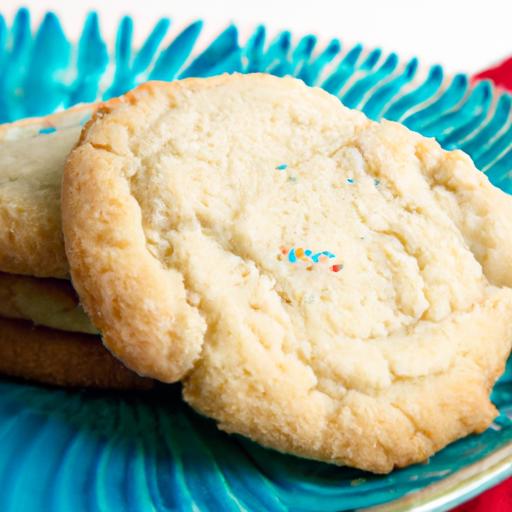
There’s something undeniably magical about sugar cookies-their buttery aroma, delicate crumb, and the way their edges caramelize to perfection in the oven. But for all their charm, these sweet treats come with one common baking conundrum: spreading. One minute you’ve got a neat, round dough ball, and the next, a puddle of cookie wishbones sprawling across the tray. If you’ve ever scratched your head wondering why your sugar cookies lose their shape or merge into one gooey mass, you’re not alone. In this article, we’ll unravel the science behind spreading sugar cookies and share expert tips to keep your dough tight, so your sweets stay as picture-perfect as they are delicious. Get ready to transform your baking game from “runny surprise” to “just-right delight.”
Understanding the Science Behind Cookie Spread
When sugar cookies spread in the oven, it’s often due to the delicate chemistry between ingredients and temperature. Sugar melts during baking, and butter softens, causing the dough to loosen and expand. This transformation is natural but can be managed with precise ingredient ratios and careful handling. Factors like the type of sugar, butter temperature, and flour protein content all play a role in how much your cookies spread. Recognizing these elements empowers you to create perfectly firm, shapely cookies every time.
Choosing the Right Ingredients for Firm Dough
Start by selecting ingredients that naturally limit spread. Use granulated sugar sparingly or replace part with brown sugar for moisture retention and less spread. Opt for unsalted butter, preferably cold and solid, as softened or melted butter increases cookie spread. The type of flour matters: all-purpose flour, sifted, is ideal for balanced gluten development, resulting in structure without toughness. Including a small amount of cornstarch can add tenderness while preventing excessive flattening.
Chilling and Handling Techniques to Control Spread
Chilling the dough is a game-changer. After mixing, wrap your cookie dough tightly and refrigerate for at least 1 hour (or up to 24), allowing the fats to solidify. This resistance to melting keeps cookies from sprawling on the baking sheet. When handling, avoid over-mixing, which warms the dough, and always transfer chilled dough balls directly to a cold baking sheet to maintain temperature. For ultimate control, scoop dough with a cookie scoop for uniformity and chill scooped dough on the tray before baking.
Baking Tips to Maintain Perfect Cookie Shape
Bake your sugar cookies at a moderately high temperature, around 350°F (175°C), to set edges quickly and hold the shape. Use parchment paper or silicone baking mats to prevent sliding and uneven spreading. Space cookie dough balls adequately-about 2 inches apart-to allow for gentle expansion without overcrowding. Avoid opening the oven door early, which causes temperature fluctuations and uneven baking. Finally, remove cookies when edges are just set but centers are still slightly soft, letting carryover heat complete the bake.
Prep and Cook Time
- Preparation: 15 minutes
- Chilling: 1 hour
- Baking: 10-12 minutes
- Total: Approximately 1 hour 30 minutes
Yield
About 24 medium-sized sugar cookies
Difficulty Level
Easy to Medium – Perfect for beginner bakers who want professional results
Ingredients
- 2 ½ cups all-purpose flour, sifted
- ½ teaspoon baking powder
- ¼ teaspoon salt
- ½ teaspoon cornstarch
- ¾ cup unsalted butter, cold and cubed
- 1 cup granulated sugar
- ¼ cup light brown sugar, packed
- 1 large egg, cold
- 1 teaspoon pure vanilla extract
Instructions
- Mix dry ingredients: In a medium bowl, whisk together flour, baking powder, salt, and cornstarch. Set aside.
- Cream butter and sugars: Using a stand mixer or hand mixer, beat the cold butter with granulated and brown sugars on medium speed until creamy yet firm, about 2-3 minutes.
- Add egg and vanilla: Beat in the cold egg and vanilla extract, mixing just until combined to keep the dough cool.
- Combine dry and wet: Gradually add flour mixture, mixing on low speed until you have a firm dough. Avoid over-mixing.
- Chill the dough: Form dough into a disk, wrap in plastic wrap, and refrigerate for 1 hour or until firm.
- Shape cookies: Scoop dough using a cookie scoop or tablespoon, roll slightly to even rounds, and place on a parchment-lined baking sheet about 2 inches apart.
- Pre-bake chilling: Refrigerate scooped dough for 15 minutes on the baking sheet to solidify fats once more.
- Bake: Preheat oven to 350°F (175°C). Bake for 10-12 minutes until edges are set and centers are just starting to firm.
- Cool: Let cookies cool on the baking sheet for 5 minutes to solidify shape, then transfer to a wire rack to cool completely.
Tips for Success
- Use cold ingredients for minimal dough spread.
- Chilling is non-negotiable-don’t skip it!
- For even more structure, add a tablespoon of cornstarch-it softens while reducing spread.
- Avoid over-creaming butter and sugar to prevent too much air incorporation.
- If cookies still spread too much, increase flour by 2 tablespoons next batch.
- For decoration, chill cookies thoroughly before icing to prevent sogginess.
Serving Suggestions
Serve these perfectly shaped sugar cookies plain for a classic treat, or decorate with royal icing and colorful sprinkles for festive occasions. Pair with a warm cup of chai tea or cold milk to balance sweetness. For an elegant presentation, stack cookies tied with a ribbon or place on a tiered dessert tray garnished with edible flowers or fresh berries.
| Nutrient | Per Cookie |
|---|---|
| Calories | 120 |
| Protein | 1g |
| Carbohydrates | 18g |
| Fat | 5g |

For further baking insights, explore our guide on avoiding overbaking cookies. Also, visit the King Arthur Baking Science Guide for an in-depth explanation of flour and fat interactions that affect cookie consistency.
Q&A
Q&A: When Sugar Cookies Spread – Tips to Keep Your Dough Tight
Q1: Why do sugar cookies spread too much during baking?
A: Sugar cookies spread when the fat in the dough melts too quickly, causing the dough to lose its shape. This often happens if the dough is too warm, if there’s too much sugar or fat, or if the dough lacks enough flour or structure to hold its shape during baking.
Q2: How can I prevent my sugar cookies from flattening out?
A: Keep your dough chilled! Cold dough means the fat stays solid longer in the oven, giving your cookies a better chance to hold their shape. Pop your dough or cut-out cookies in the fridge for at least 30 minutes before baking.
Q3: Does the type of fat affect spreading?
A: Absolutely! Butter tends to make cookies spread more than shortening because it melts faster. If you’re struggling with spreading, try using a mix of butter and shortening to balance flavor and structure.
Q4: Can I modify the recipe to reduce spreading?
A: Yes. Increasing the flour slightly can add structure, but be careful not to add too much or your cookies may become dry. Also, reducing sugar a bit or adding a teaspoon of cornstarch can help keep cookies tighter.
Q5: How does baking temperature influence cookie spread?
A: A hotter oven (around 375°F/190°C) can help cookies set faster, minimizing spread. Baking at a lower temperature allows fat to melt before the cookie sets, leading to a flatter result.
Q6: Does flour type make a difference?
A: Using all-purpose flour is standard and gives the right balance of gluten to hold cookies together. Substitute flours with lower protein can lead to less structure and more spreading.
Q7: What role does chilling the dough play in preventing spreading?
A: Chilling firms up the fat, slows sugar hydration, and lets the flour absorb moisture fully, resulting in dough that bakes without runaway spreading. It’s the secret weapon for tight, perfectly shaped sugar cookies.
Q8: Can I fix already spreading cookies while baking?
A: Once spreading starts, there’s limited control. However, you can quickly remove the baking sheet and chill it for a few minutes, then return it to the oven to help cookies set faster.
Q9: Why is precise measuring important in sugar cookie dough?
A: Sugar cookie dough is a delicate balance of ingredients. Too much sugar or butter and your cookies spread uncontrollably; too little flour and they won’t have structure. Use a kitchen scale for best accuracy.
With these tips and a sprinkle of patience, your sugar cookies will hold their shape perfectly-ready for decorating or simply savoring straight from the oven!
To Conclude
In the dance of sugar and butter, even the most trusted dough can sometimes slip and slide, spilling beyond its intended borders. But with a pinch of science, a dash of precision, and the right techniques in your baking toolkit, you can keep your sugar cookies beautifully contained-crisply edged and perfectly shaped. Whether you’re aiming for charming stars, classic circles, or whimsical shapes, these tips ensure your dough stays as tight as your creative vision. So next time you roll out your batch, remember: a little attention to detail can turn your sugar cookies from a sugary spread into a masterpiece of controlled sweetness. Happy baking!