In the world of baking, some ingredients play starring roles, while others work quietly behind the scenes to create magic. Vinegar is one such unassuming hero, especially in the beloved wacky cake-a charmingly simple dessert that owes its delightfully fluffy and light texture to this humble pantry staple. But how does a dash of tangy vinegar transform a dense batter into a cloud-like confection? Join us as we unravel the science and sorcery behind vinegar’s role in making wacky cake wonderfully airy, proving that sometimes, the oddest combinations create the most extraordinary results.
- The Science Behind Vinegar’s Reaction with Baking Soda Creating Lift
- How Vinegar Enhances Texture Without Dairy or Eggs
- Choosing the Right Type of Vinegar for Optimal Fluffiness
- Tips for Incorporating Vinegar Seamlessly into Wacky Cake Recipes
- Prep and Cook Time
- Yield
- Difficulty Level
- Ingredients
- Instructions
- Chef’s Notes
- Serving Suggestions
- Q&A
- The Way Forward
The Science Behind Vinegar’s Reaction with Baking Soda Creating Lift
Why vinegar makes wacky cake wonderfully fluffy and light lies in its fascinating chemical dance with baking soda. When combined, vinegar (an acid) reacts with baking soda (a base) to produce carbon dioxide gas. These tiny bubbles become trapped in the batter, acting like miniature balloons that puff up the cake during baking. This simple yet powerful reaction creates an airy crumb and delightful lift – a magic that’s especially critical in wacky cakes without eggs or dairy, where traditional leaveners might fall short.
How Vinegar Enhances Texture Without Dairy or Eggs
Replacing eggs and dairy in baking often poses texture challenges. Vinegar steps in beautifully by activating the leavening agents and tenderizing the gluten network. This dual role ensures each slice of wacky cake feels moist, delicate, and exceptionally light. Unlike heavy creams or eggs that provide richness, vinegar’s acidic nature helps break down tough proteins gently, enhancing crumb softness and adding moisture without a hint of tang once baked.
Choosing the Right Type of Vinegar for Optimal Fluffiness
Different vinegars impart unique qualities. Distilled white vinegar is the classic choice for wacky cake thanks to its clean flavor and neutral acidity. Apple cider vinegar offers a subtle fruity note that complements spice or chocolate variations beautifully. For best results, select vinegars with about 5% acidity to ensure consistent rise and texture. Avoid overly sharp types like balsamic or malt vinegar, which may overpower the delicate profile and color of your cake.
Tips for Incorporating Vinegar Seamlessly into Wacky Cake Recipes
To maximize fluffiness, add vinegar last, just before combining the wet and dry ingredients. This timing activates the baking soda instantly, so don’t let the batter sit uncovered for long before baking. Mix gently to preserve the burgeoning bubbles, but avoid overmixing to prevent collapse. Consider warming your oven ahead of time to capture every speck of lift from this effervescent duo. Lastly, use fresh baking soda for the best chemical reaction – old or clumpy soda can soften your rise dramatically.
Prep and Cook Time
- Prep Time: 10 minutes
- Cook Time: 25-30 minutes
- Total Time: 35-40 minutes
Yield
Serves 8 generous slices
Difficulty Level
Easy – perfect for novice bakers and busy weeknights
Ingredients
- 1 1/2 cups all-purpose flour, sifted
- 1 cup granulated sugar
- 1/4 cup unsweetened cocoa powder, sifted (optional for chocolate wacky cake)
- 1 teaspoon baking soda
- 1/2 teaspoon fine salt
- 1 cup water, room temperature
- 1/3 cup vegetable oil
- 1 tablespoon distilled white vinegar
- 1 teaspoon pure vanilla extract
Instructions
- Preheat your oven to 350°F (175°C). Lightly grease an 8-inch square baking pan or line it with parchment paper.
- In a large bowl, sift together flour, sugar, cocoa powder (if using), baking soda, and salt. This helps aerate the flour and evenly distribute the leavening agents for a consistent rise.
- In a separate bowl, combine water, vegetable oil, and vanilla extract. Mix just to combine.
- Add the vinegar to the wet ingredients last. Mix gently-it will fizz as it activates the baking soda, so be quick but light with blending.
- Pour the wet mixture into the dry ingredients. Stir just until incorporated. Avoid overmixing to preserve the lift generated by the vinegar and baking soda.
- Pour the batter into the prepared pan. Smooth the surface with a spatula for even baking.
- Bake for 25 to 30 minutes. Insert a toothpick into the center-if it comes out clean, your cake is ready. Do not overbake, as this can dry out the delicate crumb.
- Cool in the pan for 10 minutes before transferring to a wire rack to cool completely. This step helps the cake set and improves texture.
Chef’s Notes
- For a dairy-free and egg-less marvel, vinegar is your secret hero – keep it fresh for best results.
- Swap distilled vinegar for apple cider vinegar for a warmer, subtly fruity undertone.
- If making a larger cake, double ingredients but add vinegar just before baking to maintain rise.
- If your cake turns out dense, ensure your baking soda is fresh and your oven fully preheated.
- Mix batter gently to avoid deflating the precious carbon dioxide bubbles formed.
Serving Suggestions
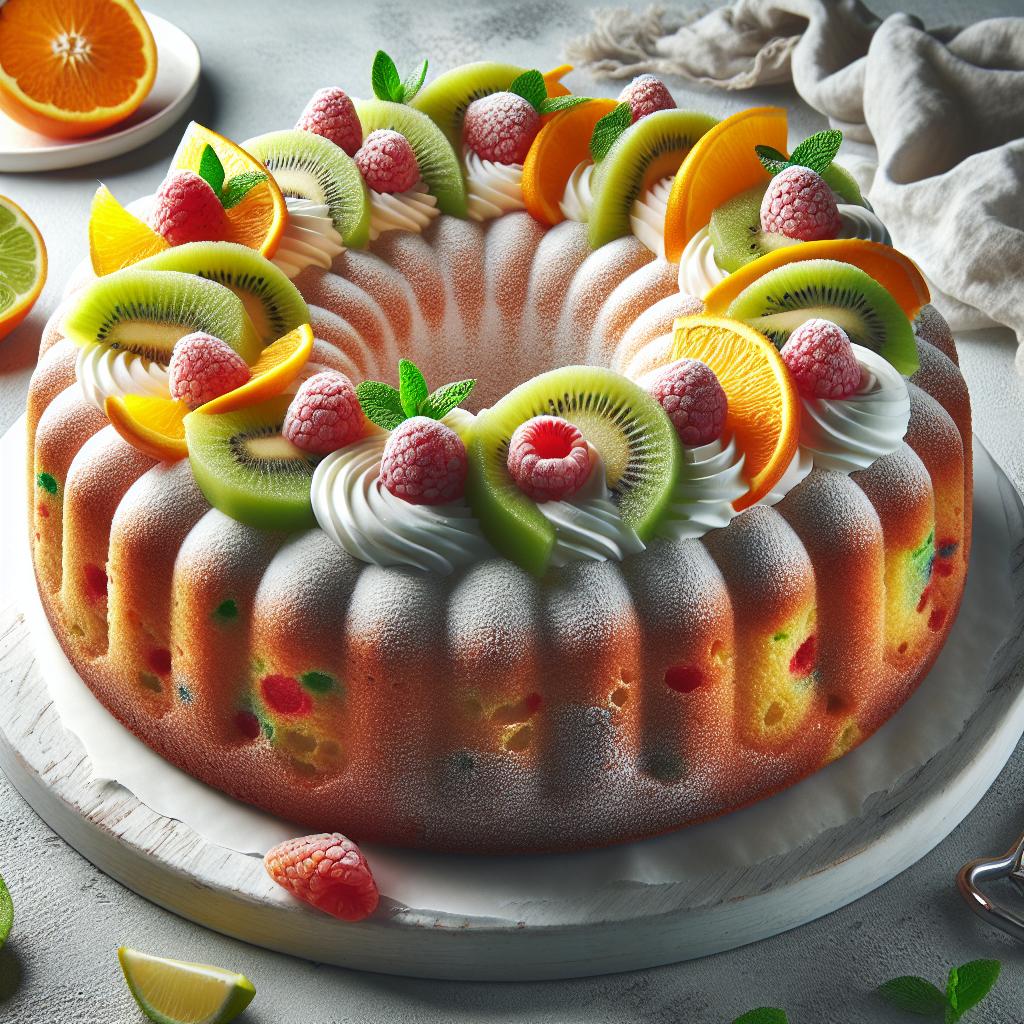
This wacky cake shines when dusted with powdered sugar or topped with a dollop of coconut whipped cream for a dairy-free treat. Fresh berries or a drizzle of warm chocolate sauce add contrast and vibrant flair. Serve slices alongside a hot cup of tea or coffee to highlight the moist softness and delicate crumb gifted by vinegar’s magic.
| Nutrient | Per Slice (1/8) |
|---|---|
| Calories | 210 |
| Protein | 3g |
| Carbohydrates | 32g |
| Fat | 8g |

Discover more eggless recipes here. Learn about the chemistry of baking agents at Britannica’s Baking Soda Page.
Q&A
Q&A: Why Vinegar Makes Wacky Cake Wonderfully Fluffy and Light
Q1: What exactly is wacky cake?
A1: Wacky cake is a charmingly simple chocolate cake that doesn’t use eggs, milk, or butter – making it a pantry-friendly wonder! Instead, it relies on a few key ingredients, including vinegar, to achieve its famously fluffy and light texture.
Q2: Wait, vinegar in cake? That sounds strange. Why put vinegar in a cake at all?
A2: It does sound a bit quirky, doesn’t it? Vinegar’s role is actually quite scientific – it reacts with baking soda to create carbon dioxide gas bubbles. These tiny bubbles get trapped in the batter, lifting the cake as it bakes and giving it that airy, cloud-like crumb.
Q3: Is any vinegar okay, or is there a special kind for wacky cake?
A3: The most common vinegar used is white distilled vinegar because it’s neutral in flavor and won’t alter the cake’s taste. Apple cider vinegar is sometimes used too, lending a subtle fruity nuance. The key is to use a mild vinegar that won’t overpower the chocolate.
Q4: Does the acidity of vinegar affect the flavor of the cake?
A4: Vinegar’s acidity actually enhances the chocolate flavor by balancing sweetness and deepening the cocoa’s richness. While you might expect a tangy edge, the baking process tames vinegar’s sharpness, leaving behind only a subtle brightness that perks up the palate.
Q5: Could I substitute vinegar with something else?
A5: Yes! Lemon juice is a popular substitute since it’s also acidic and can react with baking soda similarly. But vinegar has the advantage of being virtually flavor-neutral and more shelf-stable, which is why it’s a classic choice for wacky cake recipes.
Q6: How does vinegar contribute to the cake’s moistness?
A6: The acidity in vinegar helps break down gluten strands in the flour, tenderizing the crumb and keeping the cake moist and soft. It’s a gentle texture magician that works behind the scenes for melt-in-your-mouth results.
Q7: Is vinegar used in other baked goods for the same reason?
A7: Absolutely! Vinegar pops up in recipes like red velvet cake and homemade sourdough bread starters, where its acidity can react with leavening agents or contribute to flavor and texture development. It’s a versatile ingredient that elevates baking science in subtle ways.
Q8: So, what’s the secret takeaway about vinegar in wacky cake?
A8: Vinegar is the unassuming hero of wacky cake – a humble acid that teams up with baking soda to breathe life into the batter, transforming simple pantry staples into a delicately fluffy, tender, and delicious cake. It’s proof that sometimes odd ingredients make the best magic!
The Way Forward
In the delightful alchemy of wacky cake, vinegar plays the unsung hero-a simple ingredient that transforms humble batter into a cloud of tender, airy goodness. By reacting with baking soda, vinegar releases a burst of tiny bubbles, lifting the cake’s crumb to lightness that belies its simplicity. So the next time you whip up this classic treat, remember: it’s not just the sweetness you taste, but the fizz and magic of vinegar working behind the scenes. Embracing this curious chemistry invites both bakers and eaters to savor the joy of a cake that’s truly as wacky as it is wonderfully fluffy.