In the vibrant tapestry of global gastronomy, Indo-Chinese cuisine stands out as a dazzling thread woven with bold flavors and cultural harmony. Born from the crossroads of tradition and innovation, this unique culinary fusion brings together the fiery zest of Indian spices and the delicate sophistication of Chinese cooking techniques. Indo-Chinese cuisine isn’t just food; it’s a flavorful journey where East meets spice, inviting food lovers to explore an exciting world where chopsticks flirt with chili and soy sauce dances with cumin. Join us as we delve into the history, ingredients, and signature dishes that make Indo-Chinese cuisine a beloved bridge between two rich culinary heritages.
- Exploring the Origins and Evolution of Indo-Chinese Cuisine
- Key Ingredients and Signature Flavors That Define the Fusion
- Popular Indo-Chinese Dishes to Savor and Try at Home
- Prep and Cook Time
- Yield
- Difficulty Level
- Ingredients
- Instructions
- Tips for Perfecting Indo-Chinese Cooking Techniques in Your Kitchen
- Serving Suggestions
- Q&A
- The Conclusion
Exploring the Origins and Evolution of Indo-Chinese Cuisine
Indo-Chinese cuisine is a dynamic and flavorful symphony born from the marriage of traditional Chinese cooking and the bold spices of Indian fare. This captivating fusion emerged in the early 20th century, primarily in Kolkata (formerly Calcutta), where Chinese immigrants adapted their culinary heritage to suit Indian ingredients and tastes. The result is a vibrant tapestry of textures, spices, and aromas that invite everyone to embark on a unique gastronomic journey.
Key Ingredients and Signature Flavors That Define the Fusion
The magic of Indo-Chinese cuisine lies in its distinctive blend of soy sauce, garlic, ginger, and chili, balanced by Indian elements like cumin, coriander, and garam masala. Staples such as vinegar and sesame oil lend authenticity, while ingredients like capsicum, spring onions, and green chilies add crunch and heat. Unlike traditional Chinese dishes, this fusion highlights intensified tanginess and spice to cater to Indian palates. The hallmark flavor profile includes a harmonious mix of sweet, spicy, sour, and umami.
Popular Indo-Chinese Dishes to Savor and Try at Home
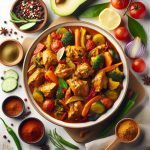
Some beloved classics you can recreate include Chili Chicken, with its succulent chunks of battered chicken in a fiery sauce; Hakka Noodles, stir-fried with vibrant veggies and soy; and Manchurian-whether veg or chicken-featuring deep-fried morsels coated in a tangy, spicy gravy. Each dish embodies the tantalizing essence of Indo-Chinese cuisine, making them perfect to experiment with in your own kitchen.
Prep and Cook Time
- Preparation: 20 minutes
- Cooking: 25 minutes
- Total Time: 45 minutes
Yield
Serves 4 generous portions
Difficulty Level
Medium – Perfect for home cooks looking to explore fusion cooking with manageable techniques
Ingredients
- 1 cup all-purpose flour, sifted
- 1/2 cup cornstarch
- 2 large eggs
- 1 lb boneless chicken breast, cut into bite-sized pieces
- 4 cloves garlic, finely minced
- 1-inch piece ginger, grated
- 2 green chilies, sliced thinly
- 1 medium onion, chopped
- 1 large capsicum (bell pepper), diced
- 3 tbsp soy sauce
- 2 tbsp tomato ketchup
- 1 tbsp chili sauce
- 1 tsp vinegar
- 2 tsp sugar
- 1/4 cup spring onions, chopped (for garnish)
- Salt to taste
- Black pepper to taste
- Oil for deep frying and sautéing
Instructions
- Make the batter: In a large bowl, whisk together all-purpose flour, cornstarch, eggs, salt, and pepper with enough water to create a smooth, thick batter. It should coat the back of a spoon without dripping too fast.
- Coat and fry chicken: Dip the chicken pieces into the batter, ensuring an even coat. Heat oil in a deep pan over medium-high heat. Carefully drop chicken pieces in batches, frying until golden brown and crisp, about 5 minutes per batch. Drain on paper towels.
- Prepare the sauce: In a wok or large skillet, heat 2 tbsp oil over medium heat. Sauté minced garlic, ginger, and green chilies until aromatic, about 30 seconds.
- Add veggies: Toss in the chopped onions and diced capsicum. Stir-fry for 3-4 minutes, keeping the veggies crunchy yet tender.
- Create the Indo-Chinese sauce: Mix together soy sauce, tomato ketchup, chili sauce, vinegar, and sugar. Pour this mixture into the wok, stirring well to combine.
- Combine and simmer: Add the fried chicken pieces back into the wok, tossing to coat fully in the glossy sauce. Cook for 2-3 minutes, allowing the flavors to meld and the sauce to thicken slightly.
- Garnish and serve: Sprinkle chopped spring onions atop just before serving. Enjoy piping hot with steamed rice or fried noodles.
Tips for Perfecting Indo-Chinese Cooking Techniques in Your Kitchen
- Frying tips: Maintain medium-high heat for a crispy crust without absorbing excess oil. Avoid overcrowding the pan for uniform frying.
- Sauce balance: Adjust the sugar and chili sauce to balance sweetness with heat to your preference. Vinegar should give a subtle tang, not overpower the dish.
- Vegetable crunch: Stir-fry vegetables quickly over high heat to retain their crisp texture and vibrant color.
- Make ahead: Batter-coated chicken can be prepped and frozen. Fry fresh when ready to eat for best texture.
- Substitute options: For a vegetarian twist, use cauliflower florets or paneer cubes instead of chicken.
Serving Suggestions
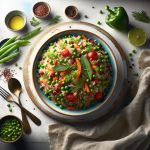
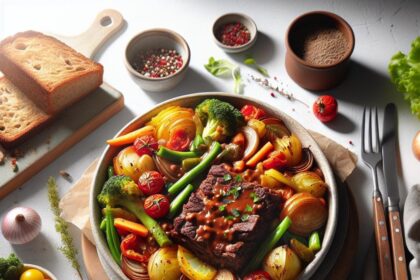
Serve Indo-Chinese chicken hot, plated with a side of fragrant basmati rice or steaming Hakka noodles. Garnish with extra spring onions or a drizzle of sesame oil for elevated aroma. A crisp cucumber raita or fresh salad balances the heat and rounds out the meal beautifully, inviting a true feast of East meets spice.

| Nutrient | Per Serving |
|---|---|
| Calories | 320 kcal |
| Protein | 30 g |
| Carbohydrates | 25 g |
| Fat | 15 g |
For more authentic fusion inspirations, explore our fusion recipes collection. To deepen your understanding of Chinese culinary techniques, visit Serious Eats – Guide to Chinese Cooking Techniques.
Q&A
Q&A: Indo-Chinese Cuisine: A Flavorful Fusion of East Meets Spice
Q1: What exactly is Indo-Chinese cuisine?
A1: Indo-Chinese cuisine is a vibrant culinary fusion that marries the bold, fiery flavors of Indian spices with the savory techniques and ingredients of traditional Chinese cooking. It’s a delicious hybrid born in India’s bustling food markets, where chefs reimagined classic Chinese dishes through an Indian spice-laden lens.
Q2: How did Indo-Chinese cuisine come into existence?
A2: This flavorful fusion emerged in the mid-20th century, primarily through the Chinese immigrant communities in Kolkata (Calcutta), India. These early culinary pioneers adapted Chinese recipes to suit Indian tastes, incorporating local ingredients and spices, resulting in a distinctive and beloved hybrid cuisine.
Q3: What makes Indo-Chinese dishes so unique?
A3: The uniqueness lies in the balance of flavors-tangy, spicy, sweet, and savory-achieved by combining soy sauce, garlic, and ginger with chili peppers, garam masala, and sometimes even tomato ketchup. The texture contrasts, like crispy pakoras alongside stir-fried noodles, add an additional layer of indulgence.
Q4: Can you give examples of popular Indo-Chinese dishes?
A4: Definitely! Some famous staples include:
- Chili Chicken: Crispy chicken pieces tossed in a spicy, tangy sauce with soy and chili.
- Manchurian: Deep-fried vegetable or meat balls simmered in a savory sauce.
- Hakka Noodles: Stir-fried noodles with vegetables, soy, and aromatic spices.
- Gobi Manchurian: Cauliflower florets cooked in a spicy Indo-Chinese gravy – a vegetarian favorite.
Q5: Is Indo-Chinese cuisine spicy?
A5: Yes, it is generally on the spicier side, with heat levels adjusted to Indian palates. However, the spicy kick is skillfully balanced by sweet, sour, and savory notes, making it a full-spectrum flavor experience rather than just fiery heat.
Q6: How does Indo-Chinese cuisine differ from authentic Chinese food?
A6: While Indo-Chinese shares Chinese cooking styles and ingredients like soy sauce and wok-frying, it infuses Indian spices and sometimes thickens sauces with cornstarch or ketchup, which you won’t find in traditional Chinese dishes. The flavor profile tends to be more intense and vibrant, catering to Indian taste buds longing for boldness.
Q7: Is Indo-Chinese cuisine popular outside India?
A7: Yes! Indo-Chinese cuisine has gained international popularity in countries with large Indian diasporas and beyond. Its inventive fusion appeals to adventurous eaters worldwide who crave eclectic and comforting flavors with a spicy twist.
Q8: Can Indo-Chinese cuisine be enjoyed by vegetarians?
A8: Absolutely! Indo-Chinese is incredibly vegetarian-friendly, with dishes featuring paneer (Indian cottage cheese), vegetables like cauliflower, mushrooms, bell peppers, and tofu playing starring roles in many recipes.
Q9: What drinks pair well with Indo-Chinese dishes?
A9: To complement the spicy, tangy flavors, try chilled beverages like sweet mango lassi, refreshing buttermilk, or even light beers. The coolness helps temper the heat and cleanse the palate.
Q10: How can someone start experimenting with Indo-Chinese cooking at home?
A10: Begin by mastering basic sauces-soy, chili garlic, and a slightly sweet tangy mixture. Then try simple stir-fries with vegetables or chicken. Using a wok or a large skillet helps achieve that authentic high-heat stir-fry flavor. Don’t be afraid to boldly mix spices and ingredients-the heart of Indo-Chinese lies in daring fusion!
The Conclusion
As the vibrant aromas of Indo-Chinese cuisine continue to captivate taste buds around the world, this flavorful fusion remains a testament to culinary creativity and cultural harmony. Bridging the bold spices of India with the delicate techniques of Chinese cooking, Indo-Chinese dishes invite us on a delicious journey where tradition meets innovation. Whether it’s the tangy tang of chili garlic noodles or the crispy delight of Gobi Manchurian, each bite tells a story of two rich culinary heritages intertwined in perfect harmony. So next time you crave something familiar yet refreshingly new, dive into the vibrant world of Indo-Chinese cuisine-a true celebration of East meeting spice on every plate.