
In the heart of American culture lies a culinary tradition as rich and complex as the lands it inhabits-a tradition where fire meets wood, and patience births flavor. Barbecue, more than a method of cooking, is a storied ritual that has smoked its way through centuries, weaving together the diverse threads of indigenous practices, immigrant influences, and regional pride. From the crackling pits of the South to the smoky grills of the Midwest, the history of American barbecue is a flavorful tapestry that tells tales of community, innovation, and a shared love for savoring smoke. Join us on a journey through time and taste as we explore the rich history of American barbecue, uncovering the secrets behind its mouthwatering evolution and enduring allure.
Savoring Smoke is a journey back to the heart of American barbecue, where the symphony of hickory, mesquite, and oak wood smoke mingles with centuries-old traditions passed down by passionate pitmasters. From the earliest Native American open-fire pits to the refined smoker masterpieces of today, the art of barbecue has evolved into an iconic culinary celebration of regional pride and communal joy. Each style across the U.S. tells a story-from the tangy vinegar-based sauces of North Carolina, to the sweet and smoky Kansas City ribs, to the dry rubs of Texas brisket-offering a rich palette of flavors to explore and master.
Savoring Smoke: Mastering Regional Barbecue Styles and Techniques
Prep and Cook Time
- Preparation Time: 30 minutes
- Cooking Time: 6-8 hours (for low and slow smoking)
- Total Time: 6.5-8.5 hours
Yield
- Serves 6-8 hungry guests
Difficulty Level
- Medium – Patience and attention to detail required
Ingredients
- 5 lbs beef brisket, trimmed of excess fat
- 1/4 cup kosher salt
- 1/4 cup coarse black pepper
- 2 tbsp smoked paprika
- 2 tbsp garlic powder
- 1 tbsp onion powder
- 1 tbsp brown sugar
- Wood chips (hickory or oak) for smoking
- Apple cider vinegar spritz (1:1 vinegar and water, optional)
- Barbecue sauce, regional style (e.g., North Carolina vinegar sauce or Kansas City sweet sauce)
- Cooking oil for prepping smoker grates
Instructions
- Prepare your brisket: Trim your brisket of silver skin and any overly thick fat. Score the fat cap in a crosshatch pattern to help render it down during smoking.
- Make the dry rub: Combine kosher salt, black pepper, smoked paprika, garlic powder, onion powder, and brown sugar in a bowl. Rub generously over the entire brisket, pressing it firmly into the meat to adhere well.
- Preheat your smoker: Bring your smoker to a steady 225°F (107°C), placing soaked wood chips over hot coals or in a wood box for electric/gas smokers. Oil the grates lightly to prevent sticking.
- Smoke the brisket low and slow: Place the brisket fat side up on the smoker grate. Maintain consistent temperature and add wood chips as needed to keep a thin smoke veil. Smoke for approximately 6-8 hours or until the internal temperature reaches 195°F to 205°F (90°C to 96°C).
- Spritz for moistness: Every hour after the first 2 hours, spritz the brisket with apple cider vinegar spray to keep the exterior moist and develop a flavorful bark.
- Wrap and rest: Once the brisket reaches the desired temperature, remove it from the smoker and wrap tightly in butcher paper or foil. Let it rest for at least 1 hour to redistribute juices.
- Slice and serve: Slice brisket against the grain in thin slices. Serve with your preferred regional barbecue sauce and classic sides like creamy coleslaw, baked beans, or cornbread.
Tips for Success
- Consistency is key: Keep your smoker at a steady 225°F to avoid drying out the meat.
- Wood selection matters: Try oak for a robust flavor or fruit woods like apple for a milder sweetness.
- Don’t rush the rest period; it’s crucial for tender, juicy slices.
- For Texas-style brisket aficionados, a simple salt and pepper rub suffices to let the beef shine.
- If using a charcoal smoker, create a two-zone fire for indirect heat, placing coals to one side.
- Practice patience with your spritzing to enhance bark without washing away seasonings.
Serving Suggestions
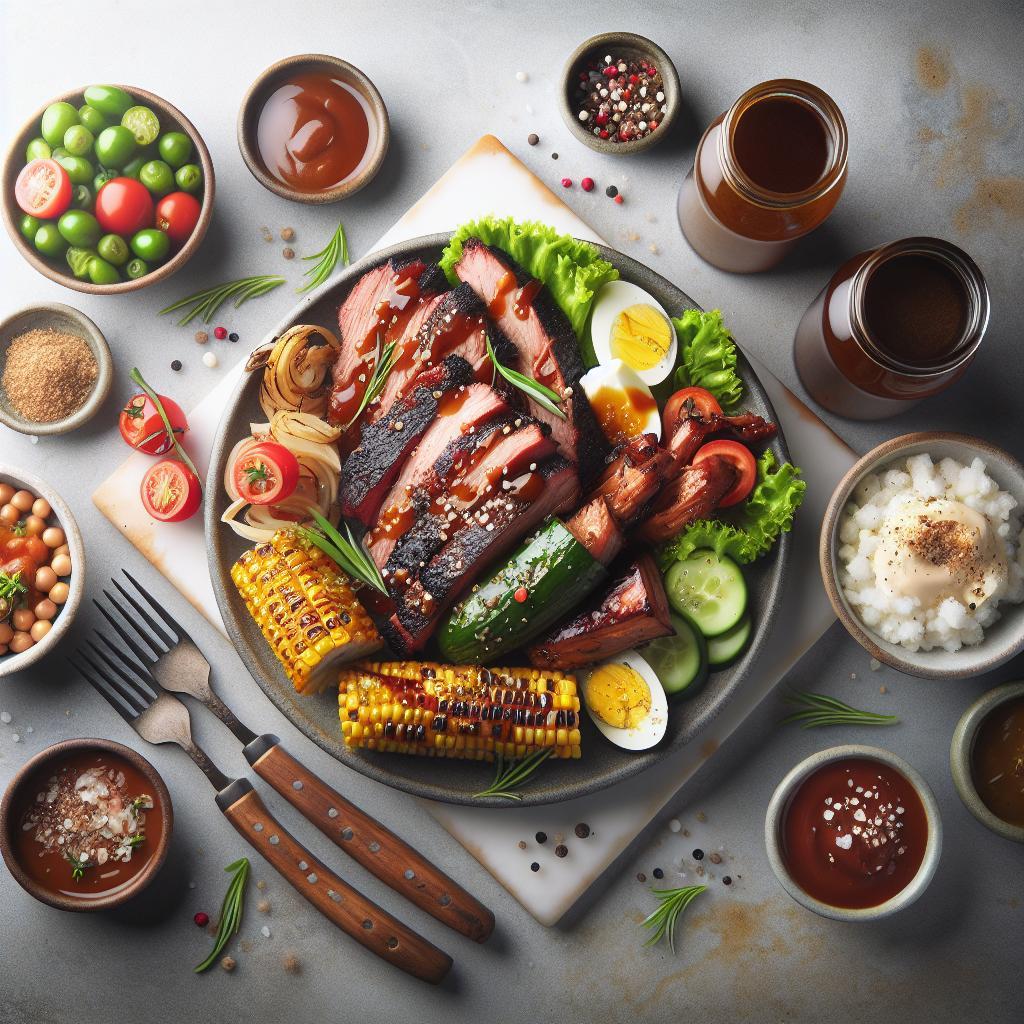
Present your barbecued brisket on a rustic wooden board garnished with fresh parsley or sliced green onions to brighten the rich, smoky hues. Pair it alongside classic sides-cool, tangy coleslaw; smoky baked beans; warm cornbread slathered with honey butter-and offer a selection of regional barbecue sauces for guests to explore. Complete the feast with crisp craft beers or a tangy, citrusy lemonade to refresh the palate.

| Nutrient | Per Serving |
|---|---|
| Calories | 520 kcal |
| Protein | 45 g |
| Carbohydrates | 4 g |
| Fat | 36 g |
Explore more authentic barbecue recipes in our Regional BBQ Styles Collection, and deepen your knowledge with the comprehensive guide from the National Park Service on American Barbecue History.
Q&A
Q&A: Savoring Smoke – The Rich History of American Barbecue
Q1: What makes American barbecue more than just a way of cooking meat?
A1: American barbecue is a mouthwatering tapestry woven from centuries of tradition, culture, and community. It’s not just about the smoky flavors; it’s about the storytelling, the rituals of slow-cooking, and the shared moments around a fire that have bonded generations. Each tender bite carries whispers of history and heritage, making BBQ a flavorful symphony rather than just a meal.
Q2: How did barbecue first become popular in America?
A2: Barbecue’s roots in America dig deep into the early colonial era, where Native American techniques of pit roasting met European settlers’ culinary customs. Coastal explorers first encountered Indigenous smoke pits, sparking a culinary fusion. Over time, barbecue evolved regionally as immigrant influences mingled with Indigenous and African traditions, transforming simple smoked meats into complex, revered dishes.
Q3: What role did African-American culture play in shaping American barbecue?
A3: African-American communities were instrumental in the development of American barbecue, particularly in the South. Enslaved Africans brought with them knowledge of meat curing, spice blends, and fire management, which enriched local cooking methods. Barbecue pits often became places for community gathering and cultural expression, influencing not only cooking styles but also the social fabric of the regions.
Q4: What are some key regional styles of American barbecue, and what makes them unique?
A4: Across the U.S., barbecue reveals its rich regional personality:
- Texas: Bold beef brisket smoked to tender perfection, seasoned simply with salt and pepper, reflecting the cowboy heritage.
- Memphis: Known for fall-off-the-bone pork ribs and pulled pork slathered in a tangy tomato-based sauce.
- Carolina: A vinegar-based sauce dominates here, especially in Eastern Carolina, where whole hog barbecue reigns supreme, while the Western Carolinas prefer a mustard-infused sauce.
- Kansas City: Famous for a thick, sweet molasses-based sauce and a variety of meats, making it a carnivore’s dream.
Each style tells a story of local ingredients, history, and cultural influences.
Q5: How has barbecue influenced American culture beyond food?
A5: Barbecue has transcended the kitchen to become a symbol of hospitality, celebration, and cultural identity. State fairs, backyard cookouts, and competitive BBQ contests serve as social glue, bringing people together across generations and backgrounds. It’s also inspired music, literature, and art, capturing the soulful spirit of American life imbued with the aroma of smoked wood and sizzling meat.
Q6: What is the future of American barbecue?
A6: As palates evolve and foodways blend, American barbecue continues to innovate while honoring its roots. Chefs experiment with global spices and sustainable ingredients, fusing tradition with modern creativity. Meanwhile, the communal essence remains-bringing people together over slow-smoked plates, reminding us that some flavors and stories only get richer with time.
This Q&A offers a flavorful slice into the captivating saga of American barbecue-a delicious journey through history, culture, and the smoky art of savoring meat.
Future Outlook
As the last wisps of smoke curl into the twilight sky, the story of American barbecue reminds us that this beloved tradition is more than just a method of cooking-it’s a living, breathing tapestry of culture, community, and craftsmanship. From smoky backyard pits to legendary pitmasters, each bite carries with it a rich heritage forged in fire and flavor. So next time you savor that tender, smoky meat, remember you’re tasting history-one slow-smoked legacy that continues to bring people together, one mouthwatering meal at a time.