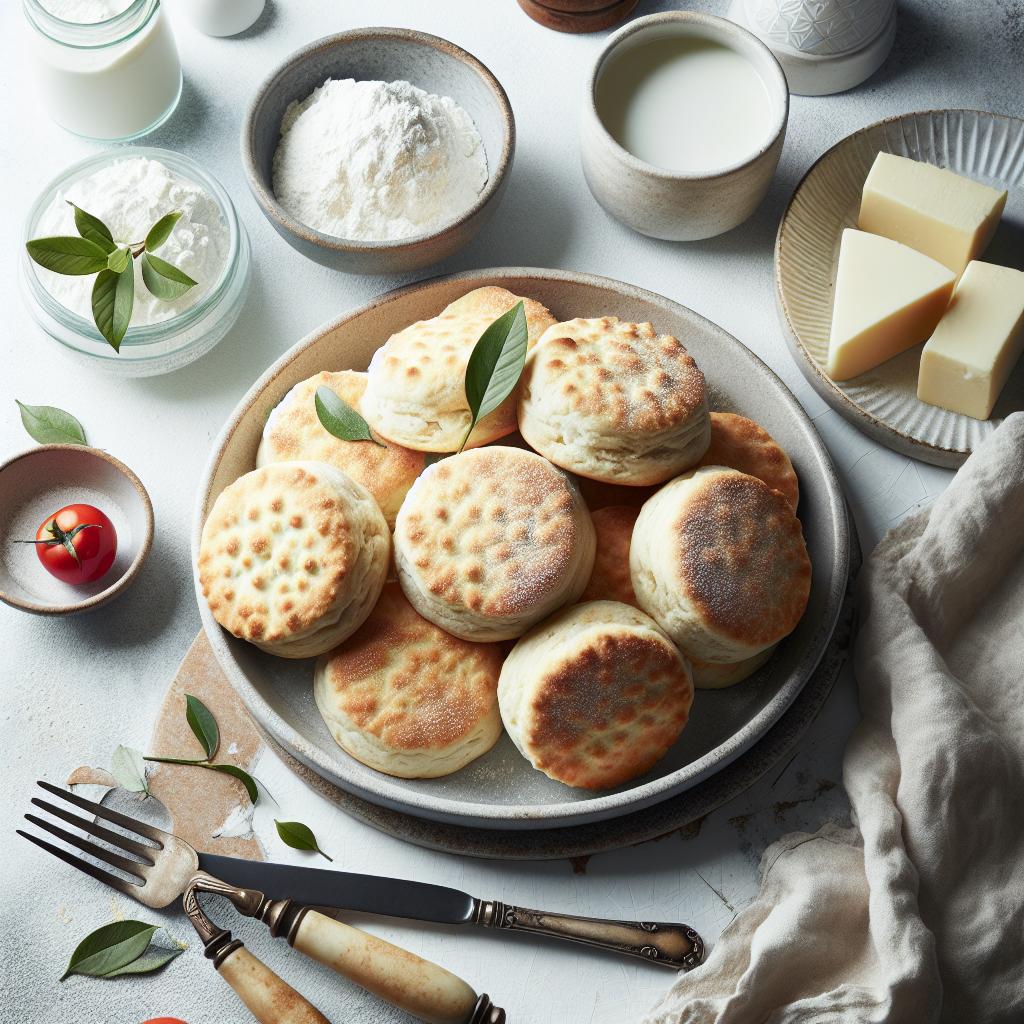

There’s a certain magic that happens when you bite into a warm, freshly baked biscuit-the delicate crumb, the airy fluff that melts in your mouth, and that irresistible buttery aroma. At the heart of this culinary delight lies an often-overlooked hero: White Lily flour. Known for its uniquely soft texture and low protein content, White Lily flour has been a cherished secret among Southern bakers for generations. In this article, we’ll explore why White Lily flour is the ideal choice for crafting irresistibly fluffy homemade biscuits, unlocking the science and tradition that make your biscuits rise to perfection every time.
Understanding the Unique Composition of White Lily Flour and Its Impact on Texture
Why White Lily Flour Is Perfect for Fluffy Homemade Biscuits begins with appreciating its exceptional formulation. Originating in the South, White Lily flour is milled from soft red winter wheat, resulting in an extraordinarily low protein content – typically around 8-9%. This low protein level means less gluten development, which is the secret behind biscuits that rise with gentle, tender layers and a melt-in-your-mouth fluffiness.
The unique fineness of the milling process also contributes to the flour’s silky texture, allowing your dough to remain light and airy. This is a stark contrast to traditional all-purpose flours, which often yield denser, chewier biscuits. Using White Lily flour transforms ordinary biscuit dough into a delicate, cloudlike treat each time.
How Low Protein Content Creates the Ultimate Fluffiness in Biscuits
Protein in flour forms gluten strands when hydrated and worked, which provide structure but can also toughen baked goods if overdeveloped. With White Lily flour’s low protein content, gluten formation is naturally limited. This means your biscuit dough can be handled just enough to bind without leading to a dense or rubbery texture.
Because gluten development is minimal, biscuits made with White Lily flour rise higher and cook into pillowy pockets, perfect for cutting open and slathering with butter or honey. The gentle crumb structure also soaks up gravies and jams beautifully, enhancing every bite with fluffy tenderness.
Tips for Perfecting Your Biscuit Dough with White Lily Flour
Mastering biscuit dough – especially with White Lily flour – is about care and precision:
- Keep everything cold: Chill your flour, butter, and liquid ingredients. Cold butter creates steam bursts in the oven, helping biscuits puff up.
- Minimal mixing: Stir just until ingredients come together. Overmixing can still overwork the little gluten present, toughening the dough.
- Don’t flatten the dough: When shaping, gently pat it to thickness rather than rolling it out. Folding the dough twice helps build layers for flakiness.
- Use the right leavening: Fresh baking powder ensures the best rise. Consider adding a pinch of baking soda when using buttermilk for balanced lift and tenderness.
- Cut biscuits cleanly: Use a sharp cutter and press straight down without twisting to preserve layers and height.
Choosing the Right White Lily Flour Variety for Different Biscuit Recipes
White Lily offers both Bleached and Unbleached White Cake Flour types-both excellent for biscuits but suited to different styles:
- Bleached White Lily Flour: Ideal for classic Southern-style biscuits. The bleaching process slightly weakens the protein and brightens the flour, perfect for light-colored, ultra-tender results.
- Unbleached White Lily Flour: A good option when you want a slightly chewier biscuit with a bit more structure, suitable for savory biscuits that hold hearty toppings.
Experiment with blending White Lily flour with a small portion of pastry flour if you want an extra delicate crumb or combine with whole wheat for healthier bites that still lift well.
Prep and Cook Time
- Preparation: 15 minutes
- Cooking: 12-15 minutes
- Total Time: 30 minutes
Yield
Makes approximately 12 medium-sized biscuits
Difficulty Level
Easy to Medium – Perfect for bakers of all levels wanting to achieve bakery-quality biscuits at home.
Ingredients
- 2 ½ cups White Lily Bleached Flour, sifted
- 1 tablespoon baking powder
- ½ teaspoon baking soda
- 1 teaspoon fine sea salt
- 6 tablespoons unsalted butter, very cold, diced
- 1 cup buttermilk, cold
Instructions
- Preheat your oven to 450°F (230°C). Line a baking sheet with parchment paper for even baking.
- Combine dry ingredients: In a large bowl, whisk together White Lily flour, baking powder, baking soda, and salt until well blended.
- Cut in the butter: Using a pastry blender or fingertips, quickly incorporate cold butter into the flour mixture until it resembles coarse crumbs with pea-sized pieces.
- Add the buttermilk: Pour the cold buttermilk into the bowl all at once and stir gently with a wooden spoon or spatula just until the dough comes together. Avoid overmixing.
- Turn out and fold: Lightly flour your surface and turn the dough out. Gently pat it into a 1-inch thick rectangle. Fold the dough in thirds like a letter, and pat down again to 1-inch thickness. Repeat once more for layered texture.
- Cut the biscuits: Using a 2.5-inch biscuit cutter, cut straight down without twisting. Place biscuits on the prepared baking sheet, close but not touching.
- Bake: Place in the oven and bake for 12-15 minutes until golden brown and risen. Avoid opening the oven early to prevent collapse.
- Cool and serve: Transfer biscuits to a wire rack to cool slightly before serving warm with butter or your preferred toppings.
Chef’s Notes
- Butter Substitute: For a richer flavor, substitute half the butter with chilled lard or vegetable shortening.
- Make-Ahead: Prepare biscuit dough, shape, and cut biscuits; freeze on a baking sheet. Transfer to a bag for up to 1 month. Bake from frozen-add 3 minutes to baking time.
- Milk Alternatives: Buttermilk is key for that tangy lift, but you can substitute with milk + 1 tbsp vinegar if needed.
- Overmixing Tip: If dough looks sticky after mixing, fold in a tablespoon of flour at a time until just manageable to avoid dense texture.
Serving Suggestions
Serve these airy, soft biscuits slathered with honey butter or classic Southern white gravy for brunch. For a sweet twist, top with fresh berries and whipped cream. Biscuit sandwiches with crispy bacon, egg, and melted cheese elevate breakfast, while a side of pimento cheese pairs wonderfully for a savory snack. Garnish freshly baked biscuits with a light sprinkle of flaky sea salt or herbs for visual appeal and flavor pop.

| Nutrient | Per Biscuit (Approx.) |
|---|---|
| Calories | 180 kcal |
| Protein | 3 g |
| Carbohydrates | 22 g |
| Fat | 8 g |
For additional tips on baking with specialty flours, check out our guide on Baking with Pastry Flour: A Beginner’s Guide. Learn more about the science behind flour at the Grain Millers Association.
Q&A
Q&A: Why White Lily Flour Is Perfect for Fluffy Homemade Biscuits
Q: What makes White Lily flour stand out from other flours when baking biscuits?
A: White Lily flour is milled from soft red winter wheat, which has a lower protein content compared to all-purpose flours. This lower protein means less gluten development, resulting in a tender, melt-in-your-mouth texture. It’s like the magic ingredient that transforms ordinary dough into irresistibly fluffy biscuits.
Q: How does the protein content affect biscuit fluffiness?
A: Protein in flour creates gluten when mixed with liquid. While gluten gives bread its chewy texture, too much can make biscuits tough. White Lily’s lower protein content strikes a perfect balance-it creates just enough structure to hold the biscuit together without sacrificing softness or fluff.
Q: Is there something special about the way White Lily flour is milled?
A: Absolutely! White Lily is uniquely “blended” with soft wheat and sometimes a touch of corn starch, which helps produce an ultra-fine, silky flour. This superfine milling lets biscuits rise beautifully and have that iconic tender crumb we all crave.
Q: Can I substitute White Lily flour with all-purpose flour in biscuit recipes?
A: You can, but the texture will be noticeably different. All-purpose flour has a higher protein content, which often leads to denser, less tender biscuits. If you want fluffiness close to White Lily’s effect, try sifting the all-purpose flour multiple times or mixing it with cake flour for a softer bite.
Q: Are there regional differences that explain the popularity of White Lily flour in biscuit baking?
A: Yes! White Lily has deep Southern roots, where biscuits are a breakfast staple and a proud tradition. The soft wheat grown in the Southeastern U.S., where White Lily flour originates, complements classic Southern biscuit recipes perfectly-producing fluffier, lighter, and flaky results that have become synonymous with Southern comfort food.
Q: Does White Lily flour affect the baking time or technique?
A: Because White Lily flour absorbs less liquid and forms less gluten, the dough is often softer and more delicate, meaning you want to handle it gently. Bake at a slightly higher temperature to achieve that golden exterior quickly, preserving the tender interior. The key is minimal mixing and quick baking!
Q: Can White Lily flour be used for other baked goods besides biscuits?
A: Definitely! While it’s famous for biscuits, it also works wonderfully in cakes, muffins, and pancakes-any recipe where a light, tender crumb is desired. However, for bread or anything requiring a strong gluten network, you might want a higher-protein flour.
Q: Where can I find White Lily flour if I want to try it at home?
A: White Lily flour is widely available in grocery stores across the U.S., especially in the South, and online. Having a bag in your pantry is like holding a secret weapon for achieving bakery-quality biscuits in your own kitchen.
Q: In summary, why should home bakers choose White Lily flour for biscuits?
A: Because it’s the trusted flour that delivers irresistibly fluffy, tender biscuits every time. Its fine texture and low protein make it a baker’s best friend-turning simple ingredients into golden, flaky perfection that melts in your mouth. If biscuits are your passion, White Lily flour is your perfect partner.
Future Outlook
In the world of baking, the secret to truly fluffy, melt-in-your-mouth biscuits often lies in the flour you choose. White Lily flour, with its uniquely soft texture and low protein content, stands out as a baker’s best-kept secret. It embraces your dough gently, allowing biscuits to rise beautifully and develop that tender crumb we crave. So, next time you embark on your homemade biscuit adventure, let White Lily be your trusted companion – turning simple ingredients into light, airy bites of comfort that feel like a warm hug from the South. With White Lily flour in your pantry, fluffy perfection is always just a bake away.