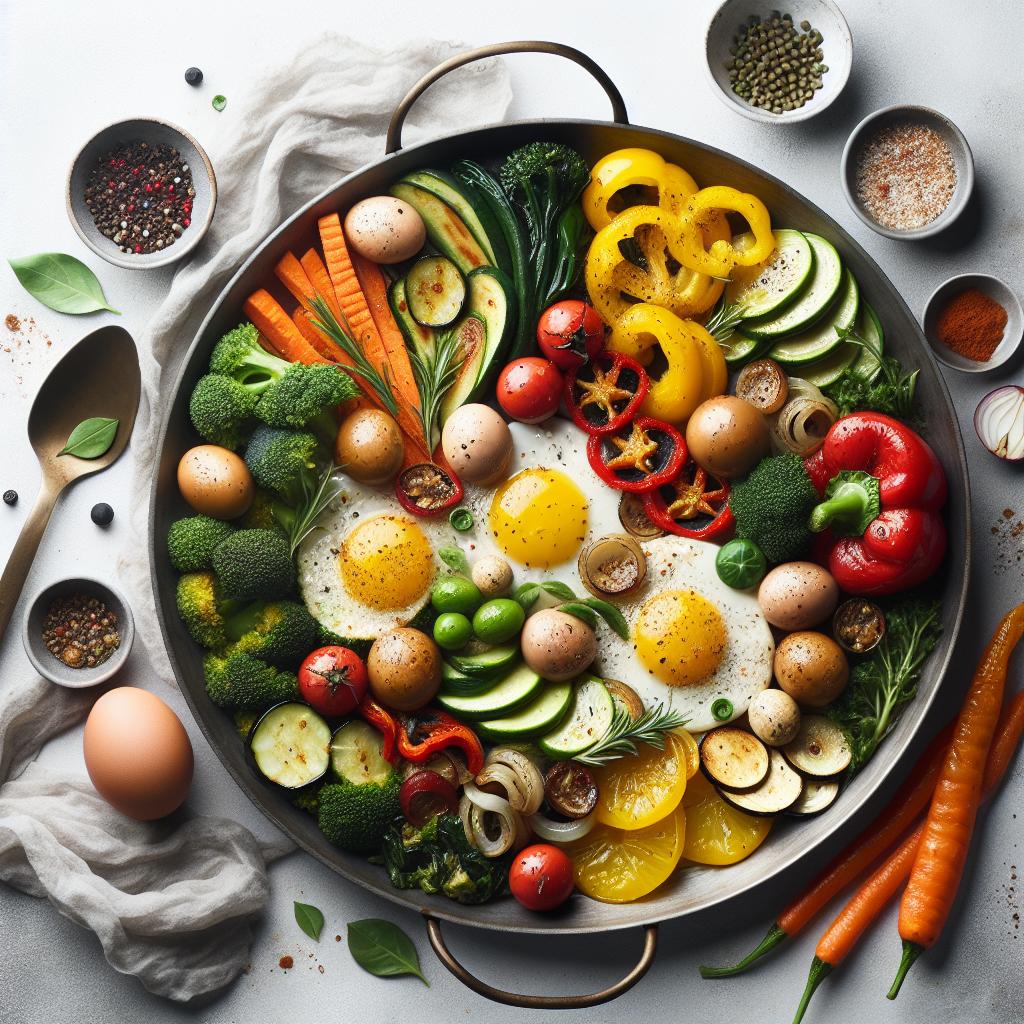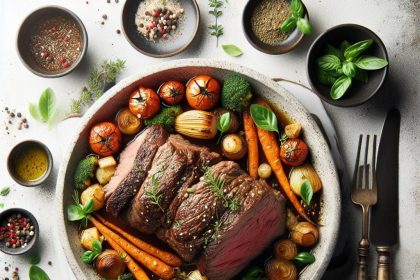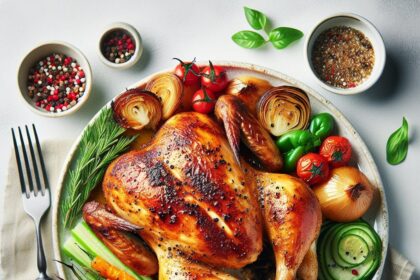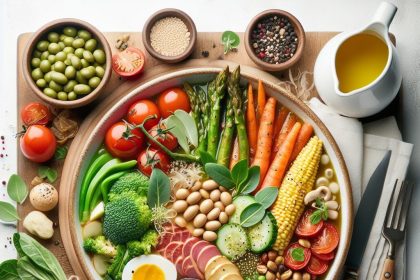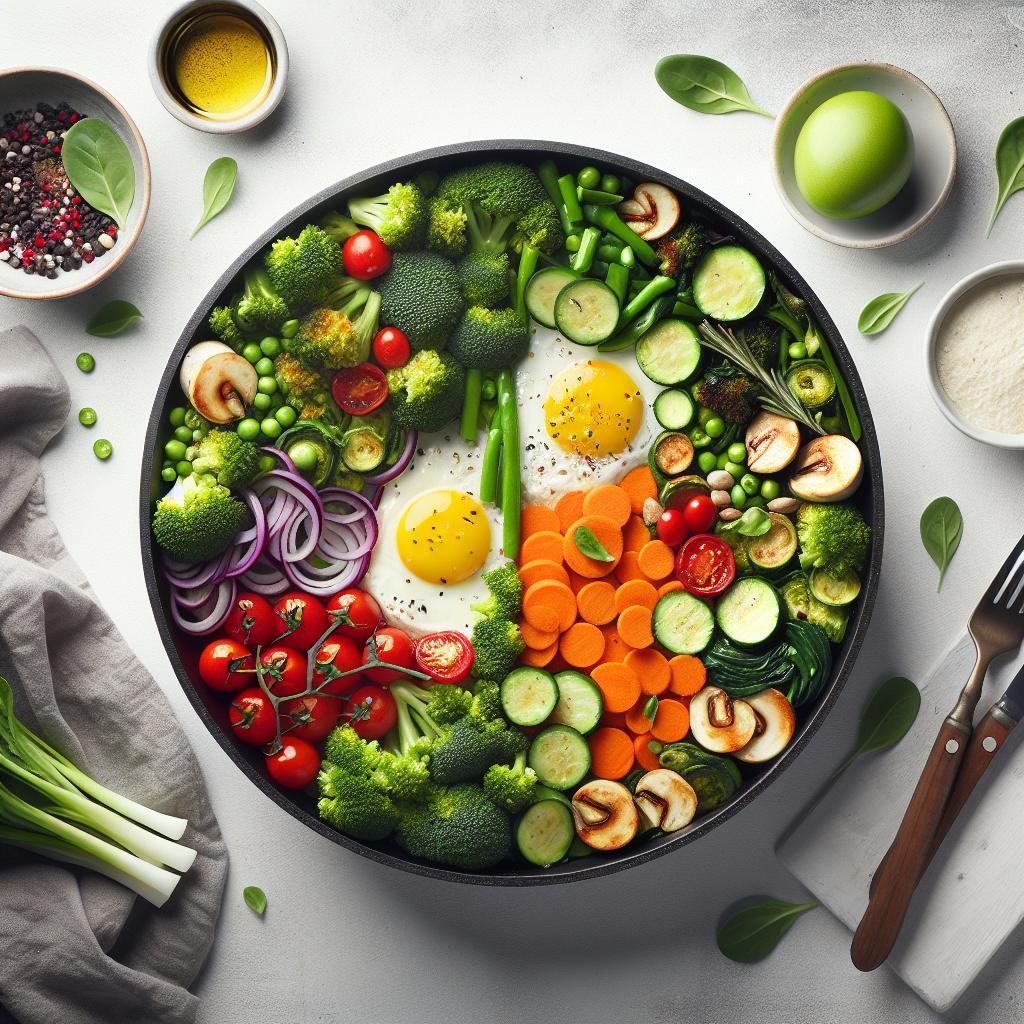

In the world of one-pan wonders, vegetables often play a delicate role-sometimes undercooked and stubbornly raw, other times overcooked and begging for mercy. Achieving that perfect balance, where every bite bursts with just-right tenderness and vibrant flavor, can feel like a culinary tightrope walk. But fear not: mastering the harmony of heat and timing in your skillet or sheet pan is entirely within reach. This article dives into the art and science of rescuing both undercooked and overcooked veggies in one-pan meals, transforming your dishes from uneven to extraordinary with simple tips and creative tricks. Whether you’re a weeknight warrior or a weekend chef, get ready to unlock the secrets of perfectly balanced veggies that make one-pan cooking an absolute joy.
Balancing Act: Fixing Undercooked and Overcooked Veggies in One-Pan Meals
One-pan dishes are a testament to kitchen efficiency and flavor harmony, yet achieving perfect texture in a medley of vegetables can be a culinary juggling act. Balancing Act: Fixing Undercooked and Overcooked Veggies in One-Pan Meals offers an approachable guide to mastering cook times, pan choices, and heat control that bring every vegetable to its ideal tender-crisp or melt-in-the-mouth finish. From the first sizzle to the last stir, you’ll learn to celebrate texture balance, ensuring every bite delights with just the right bite.
Prep and Cook Time
Preparation: 15 minutes | Cooking: 25 minutes | Total Time: 40 minutes
Yield
Serves 4 as a vibrant vegetable side or light main
Difficulty Level
Medium – Great for cooks ready to elevate their one-pan technique
Ingredients
- 2 tbsp olive oil (extra virgin, for sautéing)
- 1 medium carrot, peeled and sliced thin on a bias
- 1 small zucchini, cut into ½-inch rounds
- 1 red bell pepper, seeded and julienned
- 1 cup broccoli florets, trimmed and washed
- 1 small red onion, finely sliced
- 2 cloves garlic, minced
- ½ tsp smoked paprika
- Salt and freshly ground black pepper, to taste
- Fresh lemon juice, from ½ lemon
- 2 tbsp chopped fresh parsley (optional, for garnish)
Instructions
- Heat a heavy-bottomed non-stick or cast iron pan over medium heat; add the olive oil and warm until shimmering but not smoking, ensuring even heat distribution for all vegetables.
- Add the carrots first, stirring occasionally for about 4 minutes until they begin to soften but retain a slight crunch. This staggers their longer cook time.
- Introduce the red onion and garlic, stirring until fragrant and translucent, about 2 minutes. These add a sweet aroma and depth to the base.
- Next, add the broccoli florets and bell pepper. Toss frequently to promote even cooking and prevent steaming that could make veggies soggy.
- After 3-4 minutes, when broccoli is bright green and slightly tender, toss in the zucchini. Its softer texture means it cooks fastest and keeps from turning mushy.
- Sprinkle the smoked paprika, salt, and pepper. Stir well to coat and enhance layers of flavor.
- Adjust heat to medium-low and cover the pan for 2-3 minutes, allowing residual steam to gently finish cooking without over-softening delicate veggies.
- Remove the lid, stir, and check doneness: carrots should be tender-crisp; bell pepper bright and slightly softened; broccoli vibrant. If any pieces feel undercooked, add a splash of water, cover briefly again, or push overcooked parts to the pan edge temporarily to cool.
- Finish with a squeeze of fresh lemon juice and toss with fresh parsley for brightness and freshness.
- Serve immediately to enjoy the perfect medley of textures and complementary flavors.
Tips for Success
- Choose a pan with a thick base for even heat distribution-this is key for preventing hot spots that create both undercooked and overcooked veggies in the same dish.
- Use high heat initially for sautéing, then reduce and cover briefly to allow gentle steam finish; this controls the balancing act between tender and crisp.
- Cut vegetables uniformly and consider their natural cook times; stagger additions starting with the densest.
- If veggies seem underdone mid-cook, add a small splash of water or broth and cover the pan for a minute or two to steam gently without overdoing it.
- For overcooked veggies, quickly toss in fresh slices of crunchy vegetables or a handful of toasted nuts for textural contrast.
- Experiment with aromatic herbs like thyme or rosemary to add depth without overpowering delicate vegetables.
- Make ahead tip: Keep the veggies slightly undercooked if you plan to reheat, then finish cooking in the pan just before serving for fresh texture.
Serving Suggestions
Serve this one-pan vegetable medley as a vibrant side to grilled chicken or tofu. A dusting of toasted nuts like pine nuts or walnuts adds delightful crunch. For an earthy finish, sprinkle crumbled feta or a swirl of herbaceous pesto. Garnish with fresh parsley or microgreens to add color and freshness. Pair with a simple quinoa or couscous for a wholesome, texture-rich plate that shines in every bite.

| Nutrient | Per Serving |
|---|---|
| Calories | 120 kcal |
| Protein | 3 g |
| Carbohydrates | 15 g |
| Fat | 7 g |
Discover more tips for vibrant vegetable dishes in our Perfect Roasted Vegetables Guide or explore vegetable steaming techniques at Just One Cookbook.
Q&A
Q&A: Balancing Act – Fixing Undercooked and Overcooked Veggies in One-Pan Meals
Q1: Why do veggies often come out unevenly cooked in one-pan meals?
A1: One-pan meals are a dance of ingredients with different cooking times and sizes. Veggies vary in density, moisture, and shape-think tender zucchini vs. hearty carrots. When tossed together without strategy, softer veggies can turn mushy while sturdier ones stay stubbornly crunchy. It’s all about timing and technique to get that harmonious texture.
Q2: How can I ensure all my vegetables cook evenly in one pan?
A2: Think of veggies like a symphony-each instrument (or vegetable) must come in at the right time. Start by cutting them into uniformly sized pieces to promote even cooking. Group veggies by cooking time: add denser, longer-cooking ones first, then toss in tender varieties later. Using medium heat and stirring often also helps everything cook at a steady pace.
Q3: What are some clever fixes if I realize my veggies are undercooked after plating?
A3: No worries, underdone veggies can be saved! Place your meal back in a hot pan with a splash of water or broth, then cover it like a lid to steam gently for a few minutes. This method softens veggies without overcooking. Alternatively, microwave them in short bursts to finish the job quickly.
Q4: Is there a way to rescue veggies that have become overcooked and soggy?
A4: Overcooked veggies can be tricky but not hopeless. Brighten limp veggies by tossing them in a hot skillet with a little oil or butter for a quick sauté-it adds a bit of crispiness and revives flavor. Another trick is to incorporate them into sauces, soups, or purees where texture is less critical but flavor shines.
Q5: Can the type of pan affect how well vegetables cook in a one-pan dish?
A5: Absolutely! A heavy-bottomed pan distributes heat more evenly, preventing hotspots that scorch some veggies while leaving others raw. Nonstick pans help with gentle cooking and easy stirring, while cast iron or stainless steel invigorate caramelization, enhancing flavor and texture. Choosing the right pan is part of the balancing act.
Q6: Any secret ingredients or techniques to enhance cooked veggies’ texture and taste?
A6: Yes! A pinch of acid-like lemon juice or vinegar-added at the end can brighten flavors and perk up the texture. A sprinkle of fresh herbs or a dash of spice adds dimension while masking minor texture slips. Finally, don’t underestimate the power of resting your dish off the heat for a few minutes-steam redistributes moisture, balancing softness and bite.
Q7: How can I plan my cooking steps to avoid undercooked or overcooked vegetables altogether?
A7: Planning is your secret weapon. Map out cooking times for each vegetable in your dish, and stagger their addition accordingly. Par-cook dense veggies by blanching or roasting first if needed. Keep a timer handy, monitor temperature closely, and stir mindfully. With practice, you’ll conduct your one-pan meals to perfect veggie harmony every time.
Concluding Remarks
Mastering the art of one-pan meals is a journey paved with perfectly cooked veggies-where neither crunch nor sogginess steals the spotlight. By understanding the unique cooking times and employing simple fixes to rescue undercooked or overcooked vegetables, you transform every bite into a harmonious dance of flavors and textures. Remember, cooking is as much about patience and intuition as it is about technique. So next time your one-pan creation edges toward imbalance, let these tips guide you back to delicious equilibrium-making every meal not just quick and convenient but truly satisfying. Happy cooking!