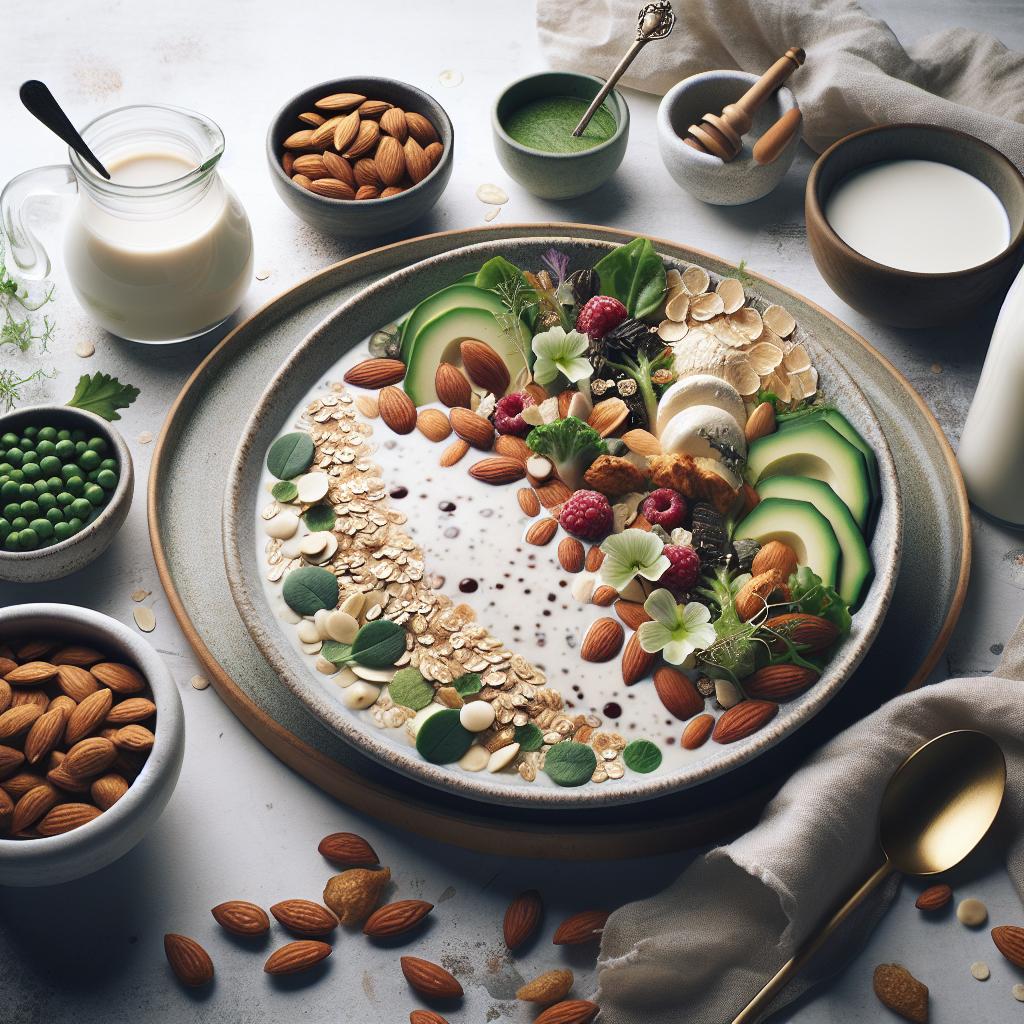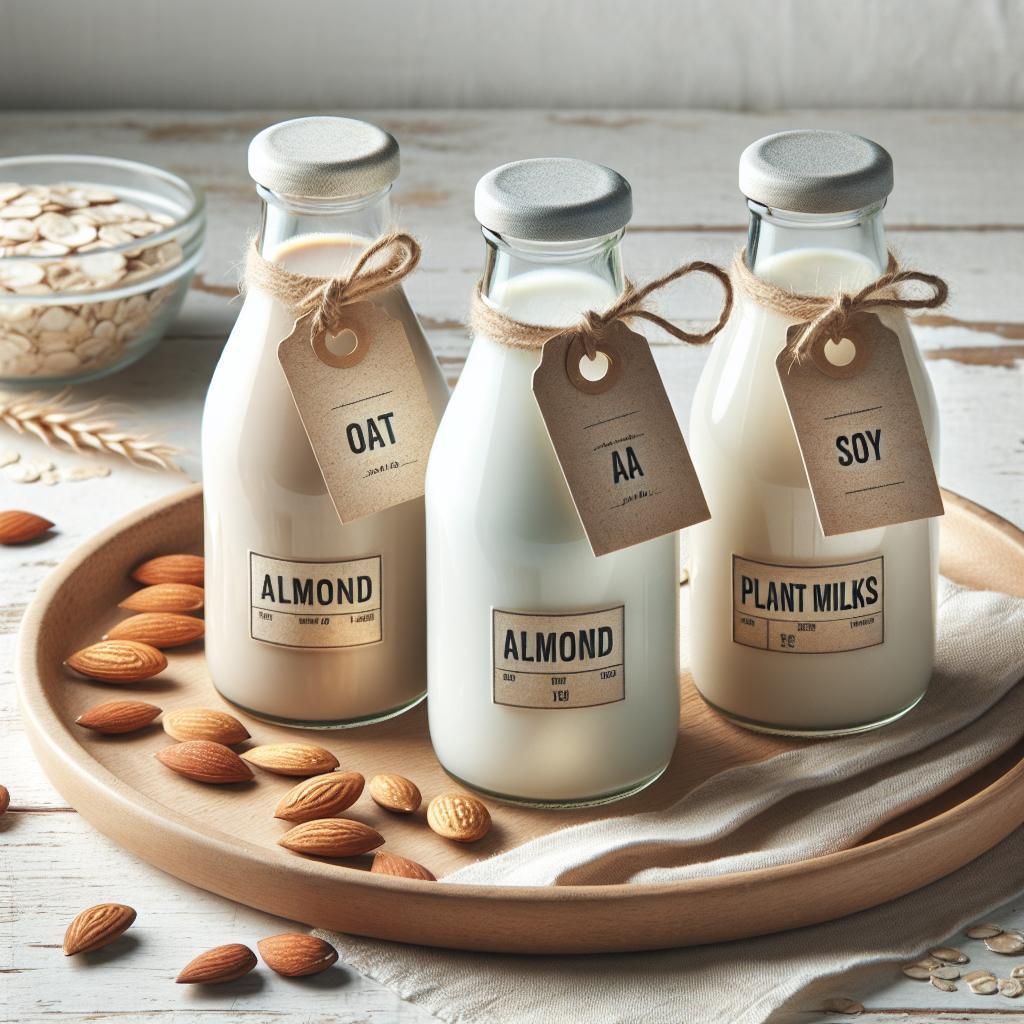

In a world where the humble glass of milk is no longer just cow’s milk, the rise of plant-based alternatives has sparked a creamy revolution in our kitchens. Almond, oat, soy – each offers a unique swirl of flavor, texture, and nutrition that can transform your morning coffee, cereal, or smoothie into something truly special. But with so many options, how do you choose the best plant milk that matches your taste, health goals, and environmental values? Join us as we dive deep into the nutty notes, creamy comforts, and protein-packed perks to unveil which plant milk stands tall in the dairy-free cup. Whether you’re a longtime vegan, a curious newcomer, or simply milk-curious, this guide will help you pick the perfect pour.
- Taste and Texture Showdown: Which Plant Milk Matches Your Palate?
- Environmental Footprint: Comparing Sustainability and Resource Use
- Expert Tips for Choosing the Ideal Plant Milk for Cooking and Daily Use
- Basic Homemade Plant Milk Recipe Using Almonds, Oats, or Soybeans
- Instructions
- Chef’s Notes
- Serving Suggestions
- Q&A
- Insights and Conclusions
Almond, oat, and soy plant milks offer distinct nutritional advantages that influence your choice beyond taste alone. Almond milk tends to be lower in calories and rich in vitamin E, providing a natural antioxidant boost making it perfect for light, refreshing drinks and cereals. Oat milk, known for its creamy texture, shines with dietary fiber and beta-glucans that support heart health and digestion. Meanwhile, soy milk boasts a robust protein profile comparable to cow’s milk, making it ideal for those seeking plant-based protein without sacrificing creaminess.
Taste and Texture Showdown: Which Plant Milk Matches Your Palate?
Texture and flavor play vital roles in choosing a plant milk. Almond milk delivers a subtly nutty, slightly sweet note with a thin consistency that blends beautifully into smoothies and coffee. Oat milk offers a naturally sweet, rich creaminess reminiscent of traditional milk alternatives, lending a luxurious mouthfeel to lattes, soups, and baked goods. Soy milk presents a neutral, beany flavor that can be masked or enhanced by spices and flavorings, with a medium-bodied texture that performs exceptionally in cooking and savory dishes.
Environmental Footprint: Comparing Sustainability and Resource Use
When considering sustainability, oat milk stands out as the most eco-friendly option, requiring less water and land compared to almond and soy cultivation. Almond farming demands significant irrigation, notably in drought-prone regions, while soy production has raised concerns regarding deforestation and biodiversity loss, although responsible sourcing and certifications help mitigate this impact. Choosing organic and local options further supports a lower environmental footprint with clearer supply chain transparency.
Expert Tips for Choosing the Ideal Plant Milk for Cooking and Daily Use
Selecting the best plant milk depends on your culinary goals and nutritional priorities. For baking, oat milk works well because its natural sweetness and creamy consistency enhance texture without overwhelming flavor. Almond milk excels in light beverages and cold dishes, while soy milk’s protein and creaminess offer versatility for both savory recipes and high-protein smoothies.
Prep and Cook Time: 5 minutes
Yield: 1 cup of homemade plant milk (recipe below), approximately 4 servings per batch
Difficulty Level: Easy
Basic Homemade Plant Milk Recipe Using Almonds, Oats, or Soybeans
- 1 cup raw almonds, rolled oats, or soybeans (soaked overnight)
- 4 cups filtered water
- Optional: 1 tbsp maple syrup or honey (for sweetness)
- Optional: 1 tsp vanilla extract or a pinch of sea salt (for flavor enhancement)
Instructions
- Drain and rinse the soaked almonds, oats, or soybeans thoroughly under cold water.
- Add the soaked ingredients and 4 cups of filtered water to a high-speed blender.
- Blend on high for 1-2 minutes until smooth and creamy (tip: blend soybeans longer, about 2-3 minutes)
- Strain the mixture through a fine mesh nut milk bag or cheesecloth over a large bowl, squeezing gently to extract all liquid.
- Pour into a clean glass bottle and refrigerate. Shake well before each use as natural separation may occur.
Chef’s Notes
- Variation: For a richer texture, add 1-2 tbsp melted coconut oil or soaked cashews during blending.
- Substitution: Use filtered water for best flavor and shelf-life.
- Tip: Homemade oat milk can thicken upon refrigeration; stirring or adding a splash of water restores original texture.
- Storage: Consume within 3 to 5 days for optimal freshness.
Serving Suggestions
- Almond milk: Serve chilled over granola or blend into refreshing smoothies with berries and banana.
- Oat milk: Froth for lattes or pour into hot cereals topped with cinnamon and chopped nuts.
- Soy milk: Use in savory sauces, creamy soups, or morning protein shakes with a dash of cocoa powder.
- Garnish with ground cinnamon, nutmeg, or toasted seeds for added aroma and visual appeal.
| Plant Milk | Calories (per cup) | Protein (g) | Carbs (g) | Fat (g) |
|---|---|---|---|---|
| Almond Milk | 40 | 1 | 2 | 3.5 |
| Oat Milk | 120 | 3 | 16 | 5 |
| Soy Milk | 100 | 7 | 4 | 4 |
For deeper insights into plant-based nutrition, explore our detailed Plant-Based Protein Guide and visit Healthline’s comprehensive review on soy milk.

Q&A
Q&A: Almond, Oat, or Soy? Unveiling the Best Plant Milk Choice
Q1: Why are plant milks becoming so popular these days?
A1: Plant milks have surged in popularity as more people seek dairy alternatives that are lactose-free, lower in environmental impact, and often richer in certain nutrients. They cater to dietary restrictions, ethical choices, and a growing craving for diverse flavors and textures.
Q2: What makes almond milk stand out in the plant milk lineup?
A2: Almond milk is loved for its light, slightly nutty taste and creamy texture without being overpowering. It’s naturally low in calories and sugar but also low in protein. Plus, it boasts a good dose of vitamin E, making it a skin-friendly option.
Q3: How does oat milk compare nutritionally and environmentally?
A3: Oat milk is a nutritional superstar, packed with fiber and often fortified with vitamins like B12 and D. It tends to have a naturally sweeter, buttery flavor, great for coffee and cereals. Environmentally, oats require less water than almonds, making oat milk a greener choice.
Q4: What are the benefits of soy milk, and does it have any drawbacks?
A4: Soy milk is a protein powerhouse, boasting a complete amino acid profile comparable to cow’s milk. It’s great for those seeking a filling, balanced plant milk. However, some people may be sensitive to soy or wary of its phytoestrogens, and taste preferences vary widely.
Q5: Can any of these plant milks replace cow’s milk completely?
A5: Each plant milk has unique strengths. Almond milk is excellent for light drinking and smoothies, oat milk excels in coffee and baking, and soy milk offers the most balanced nutrition for protein needs. Choosing “the best” depends on your dietary priorities, taste buds, and how you plan to use it.
Q6: How can I decide which plant milk is right for me?
A6: Consider your nutritional needs, taste preferences, and environmental values. Try them in different recipes-from lattes to oatmeal to sauces-to see which one complements your lifestyle best. Variety is key, so keep exploring!
Q7: Are there any hidden ingredients or considerations to watch for?
A7: Absolutely. Some plant milks contain added sugars, stabilizers, or fortifying agents. Organic and unsweetened options are often healthier. Also, check allergy information if you have nut or soy sensitivities.
Q8: What’s the final verdict-almond, oat, or soy?
A8: The “best” plant milk is a personal journey. Almond offers light refreshment, oat delivers creamy indulgence with a green footprint, and soy packs protein power. Embrace the diversity, mix it up, and enjoy the plant-powered possibilities!
Insights and Conclusions
As the popularity of plant-based lifestyles continues to flourish, choosing the perfect milk alternative has become more than just a simple swap-it’s a flavorful journey shaped by nutrition, sustainability, and personal taste. Whether you lean toward the creamy subtlety of almond, the hearty goodness of oat, or the protein-packed versatility of soy, each option offers a unique blend of benefits that can complement your diet and values. So next time you pour a splash into your morning coffee or cereal bowl, remember: the best plant milk is the one that suits your lifestyle, satisfies your palate, and nourishes your body. Cheers to sipping smart and savoring every drop of nature’s delicious alternatives!