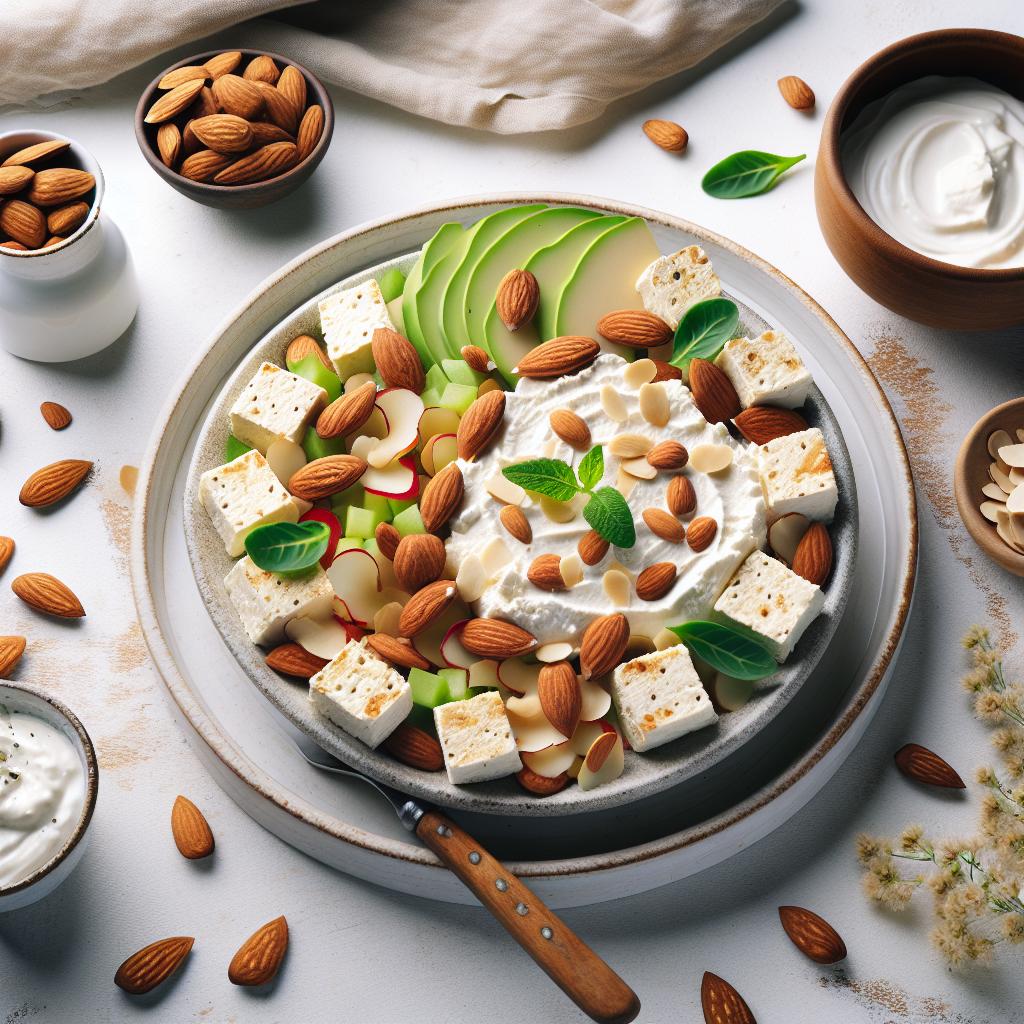
When it comes to creamy, dreamy ricotta cheese, plant-based eaters often find themselves at a flavorful crossroads. Enter the ultimate tofu vs. almonds showdown-a battle of texture, taste, and versatility that promises to redefine your vegan kitchen game. Whether you crave a silky smooth spread or a subtly nutty crumbly delight, understanding the unique qualities of these two powerhouse ingredients will help you craft the perfect vegan ricotta every time. In this guide, we dive spoon-first into the creamy world of tofu and almonds, exploring their nutritional benefits, culinary uses, and flavor profiles to help you decide which one deserves a starring role on your next pasta or dessert plate. Let the creamy showdown begin!
Creamy Vegan Ricotta offers a luscious, versatile alternative to traditional cheese, perfect for those seeking plant-based delights that don’t compromise on texture or flavor. Whether crafted from the subtle softness of tofu or the nutty richness of almonds, each variation brings unique culinary magic to your table. Embracing these diverse bases not only broadens your recipe repertoire but also introduces exciting nutritional benefits and textural contrasts that inspire creativity in every dish.
Prep and Cook Time
- Preparation: 10 minutes
- Cook Time: 0 minutes (no-cook recipe)
- Total Time: 10 minutes
Yield
Approximately 1 ½ cups (serves 4)
Difficulty Level
Easy
Ingredients
- For Tofu Vegan Ricotta:
- 1 cup firm tofu, drained and patted dry
- 2 tablespoons nutritional yeast
- 1 tablespoon lemon juice
- 1 garlic clove, minced
- 1 teaspoon extra virgin olive oil
- ½ teaspoon sea salt
- Freshly ground black pepper, to taste
- 1 tablespoon fresh basil, chopped (optional)
- For Almond Vegan Ricotta:
- 1 cup raw almonds, soaked overnight and drained
- 2 tablespoons water (or more for desired creaminess)
- 1 tablespoon lemon juice
- 1 tablespoon nutritional yeast
- ½ teaspoon sea salt
- 1 garlic clove, minced
Instructions
- Prepare Your Base: For tofu ricotta, crumble the dried tofu into a food processor. For almond ricotta, after soaking and draining, add almonds to the food processor.
- Add Flavor Enhancers: Incorporate nutritional yeast, lemon juice, minced garlic, salt, and pepper (to taste) into the processor.
- Process to Desired Texture: Pulse the mixture until the ricotta reaches a creamy yet slightly grainy consistency, stopping to scrape down the sides occasionally. Add olive oil for tofu ricotta or water for almond ricotta to help blend smoothly without becoming too liquid.
- Adjust Seasoning: Taste and fine-tune with extra salt, lemon juice, or nutritional yeast based on preference.
- Optional Fresh Herbs: Stir in finely chopped fresh basil or parsley for a fresh burst of flavor and color.
- Chill or Use Immediately: Transfer to a bowl. While best chilled for an hour to firm up flavors, this vegan ricotta is delightful right away in salads, pastas, or spreads.
Tips for Success
- Texture Control: The tofu version offers a firmer, slightly denser mouthfeel perfect for layering, while almond ricotta is creamier and richer, great for dolloping or blending into sauces.
- Flavor Boost: Experiment with adding fresh herbs like thyme or oregano, or a pinch of smoked paprika for an earthy twist.
- Soaking Almonds: Make sure almonds are well soaked to soften fully, ensuring a smooth texture.
- Make-Ahead: Store in an airtight container in the fridge for up to 4 days. Bring to room temperature before serving for optimal softness.
- Allergy-Friendly Adjustments: Substitute almonds with cashews for a more neutral flavor, or sunflower seeds for a nut-free alternative.
Serving Suggestions
Use your creamy vegan ricotta as a spread atop toasted artisan bread with a drizzle of aged balsamic glaze, or dollop generously over your favorite tomato basil pasta. Layer it in lasagnas with sautéed mushrooms and spinach, or mix into stuffed peppers or zucchini boats for a delightful, dairy-free twist. Garnish with a sprinkle of toasted pine nuts, fresh parsley, or a zest of lemon to elevate every bite visually and flavor-wise.

| Variation | Calories | Protein (g) | Carbs (g) | Fat (g) |
|---|---|---|---|---|
| Tofu Vegan Ricotta (per ¼ cup) | 70 | 8 | 2 | 4 |
| Almond Vegan Ricotta (per ¼ cup) | 130 | 5 | 4 | 11 |
For further inspiration on plant-based cheese alternatives, check out our comprehensive vegan cheese recipe collection. For nutritional insights about plant proteins, consider visiting the Harvard T.H. Chan School of Public Health.
Q&A
Q&A: Creamy Vegan Ricotta – Tofu vs. Almonds Showdown Guide
Q1: What makes vegan ricotta different from traditional ricotta?
A1: Vegan ricotta swaps animal-based dairy for plant-powered ingredients, crafting that beloved creamy, slightly grainy texture using nuts, legumes, or soy, making it perfect for those avoiding dairy or seeking a cruelty-free alternative.
Q2: Why tofu and almonds? Aren’t there other options?
A2: Absolutely! But tofu and almonds reign supreme because they offer contrasting textures, flavors, and nutritional perks. Tofu brings a mild, neutral canvas and silky consistency, while almonds deliver a nuttier punch with natural richness-both champions in creamy ricotta creation.
Q3: How does tofu contribute to vegan ricotta’s creaminess?
A3: Silken or soft tofu blends into a luscious, smooth base that mimics traditional ricotta’s moisture and softness. Tofu’s subtle flavor is a blank slate, absorbing herbs, spices, or lemon zest beautifully for a fresh, tangy twist.
Q4: What does almond ricotta bring to the table?
A4: Almonds add an irresistible nuttiness and slight graininess that’s closer to classic ricotta’s texture. When soaked, blended, and combined with nutritional yeast or lemon juice, almond ricotta bursts with depth, making it both tangy and rich.
Q5: Which is better for cooking or baking?
A5: Both are versatile! Tofu ricotta melts gently and holds up well in baked dishes like lasagna, while almond ricotta provides a firmer bite and toasty flavor, ideal for no-bake recipes or dolloping on pasta. Your choice depends on the desired texture and dish complexity.
Q6: What about nutrition-who wins?
A6: Tofu is packed with plant protein and lower in fat, great for those watching calories or seeking a protein boost. Almond ricotta shines in healthy fats, vitamin E, and minerals but is slightly higher in calories. Both are nutritious and wholesome options.
Q7: Can I make these ricottas at home easily?
A7: Yes! Both require minimal ingredients and simple blending techniques. Tofu ricotta is a quick blitz with tofu and seasoning, while almond ricotta needs a bit of soaking time for the nuts but promises rewarding flavor and creaminess.
Q8: Any tips to perfect my vegan ricotta?
A8: For tofu, press out excess water for firmer texture; add acid like lemon juice or apple cider vinegar for that tang. For almonds, soak at least 4 hours for smooth blending, and don’t forget a pinch of salt and nutritional yeast to mimic that cheesy umami vibe.
Q9: Which vegan ricotta is more budget-friendly?
A9: Tofu typically edges out as more wallet-friendly and easy to find in bulk, while almonds can be pricier depending on quality and sourcing. Your pantry goals and budget can tip the scales here.
Q10: Final verdict – tofu or almonds for creamy vegan ricotta?
A10: There’s no one-size-fits-all! For smooth, protein-rich, everyday ricotta, tofu is your best friend. Craving depth, nuttiness, and richer texture? Almonds win hearts. Why not experiment and keep both in your culinary arsenal for every creamy craving?
Closing Remarks
In the end, whether you lean towards the silky smoothness of tofu or the nutty richness of almonds, both bring unique virtues to your creamy vegan ricotta journey. Tofu offers a neutral canvas, effortlessly soaking up herbs and spices, while almonds deliver a naturally buttery depth with a touch of sweet earthiness. Your choice may hinge on texture, flavor preference, or nutritional needs, but either way, you’re crafting a plant-based ricotta that’s as versatile as it is delicious. So, roll up your sleeves, experiment boldly, and let this tofu vs. almond showdown inspire your kitchen creations to rise beyond traditional boundaries. After all, in the world of vegan cheese, the real winner is your taste buds.