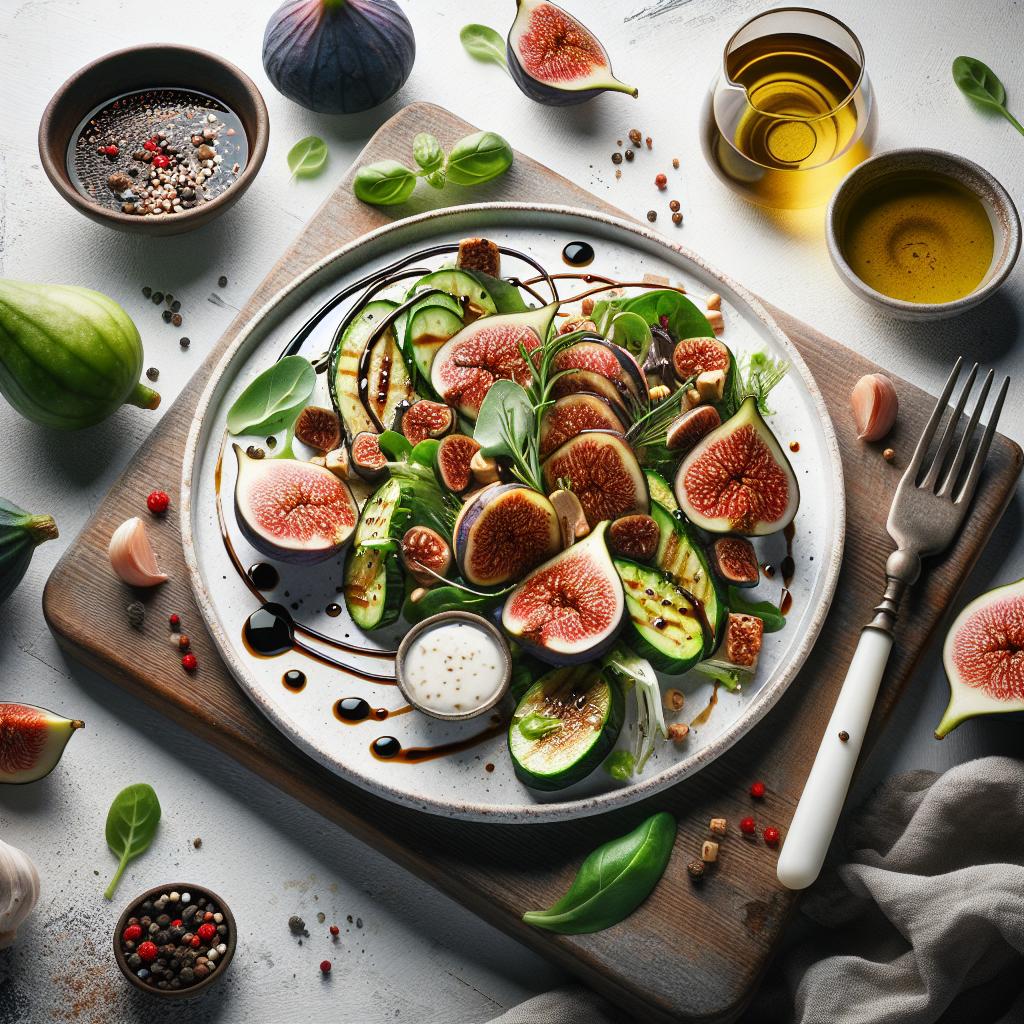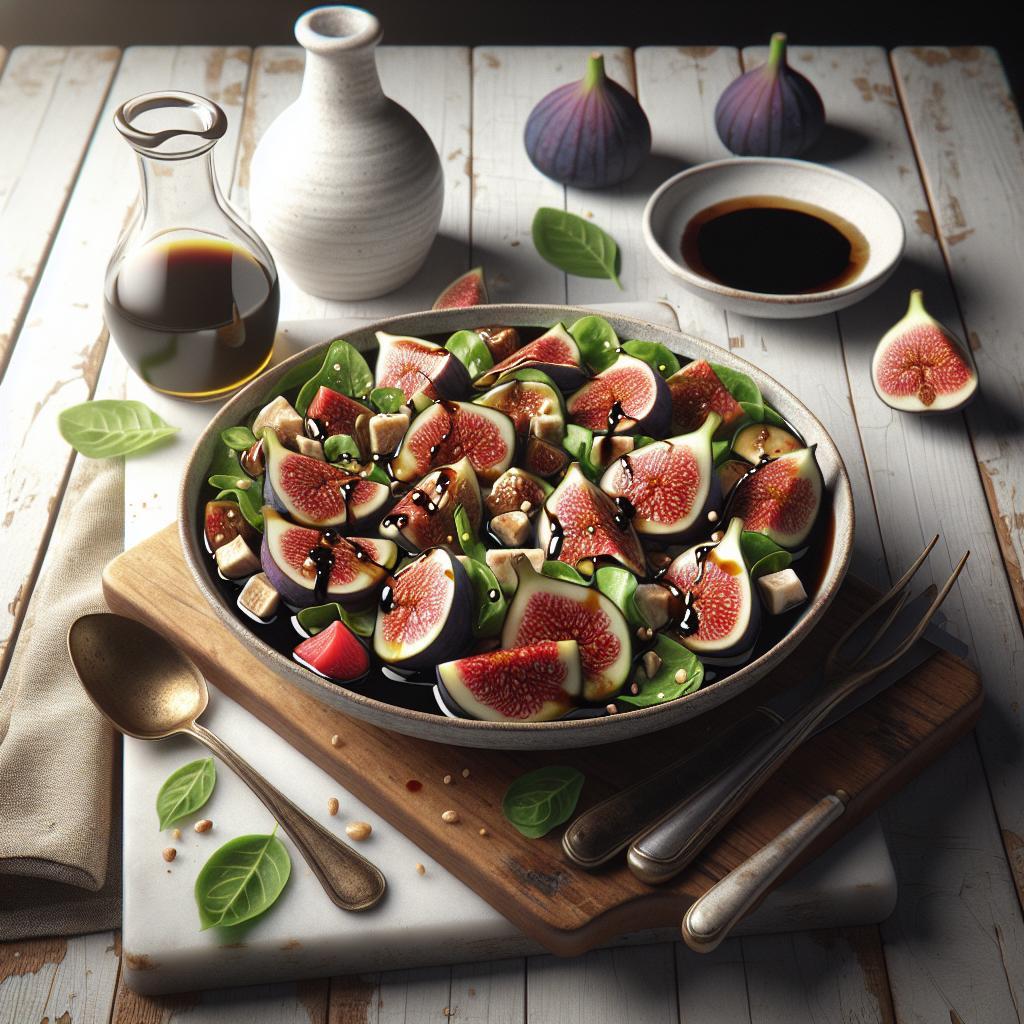

There’s something magical about a drizzle that transforms a simple salad into an unforgettable experience. Enter fig balsamic vinaigrette-a luscious twist on the classic dressing that marries the rich, tangy depth of aged balsamic vinegar with the natural sweetness of ripe figs. This vibrant concoction not only elevates greens but also adds a sophisticated layer of flavor to roasted vegetables, grilled meats, and even desserts. In this article, we’ll explore the origins, ingredients, and creative uses of fig balsamic vinaigrette, revealing why it’s quickly becoming a beloved staple for cooks and food lovers seeking a sweet spin on tradition.
Fig Balsamic Vinaigrette: A Sweet Spin on Classic Dressing
Fig balsamic vinaigrette offers an irresistible blend of natural sweetness and vibrant tang, transforming ordinary salads into extraordinary culinary experiences. This dressing draws inspiration from Mediterranean flavors, where the luscious fig complements the rich, aged balsamic vinegar, creating a harmonious balance that delights the palate. Whether you’re a seasoned chef or a passionate home cook, mastering this vinaigrette recipe invites you to unlock the subtle infusion of fig’s natural sugars, elevating your dishes with a nuanced depth rarely found in standard dressings.
Prep and Cook Time
- Preparation: 10 minutes
- Total Time: 10 minutes
Yield
Approximately 1 cup (serves 6-8)
Difficulty Level
Easy
Ingredients
- 1/3 cup dried figs, finely chopped
- 1/4 cup high-quality balsamic vinegar
- 1/2 cup extra virgin olive oil
- 2 teaspoons honey or maple syrup (optional, for extra sweetness)
- 1 teaspoon Dijon mustard
- 1 clove garlic, minced
- Salt to taste
- Freshly ground black pepper to taste
Instructions
- Combine figs and balsamic: In a small bowl, mix chopped dried figs with balsamic vinegar. Allow them to soak for 5 minutes-this softens the figs and infuses the vinegar with their natural sweetness.
- Blend the base: In a separate mixing bowl, whisk together the honey (if using), Dijon mustard, minced garlic, salt, and black pepper until smooth and emulsified.
- Add fig-balsamic mixture: Add the softened fig and balsamic infusion to the bowl, stirring gently to incorporate all flavors.
- Slowly whisk in olive oil: Slowly drizzle in the olive oil while continuously whisking to create a smooth, velvety vinaigrette with a balanced emulsion.
- Adjust seasoning: Taste and adjust salt, pepper, or sweetness as necessary. For a thinner consistency, add a splash of water or more balsamic vinegar.
- Optional blending: For a smoother dressing, blend the vinaigrette for 30 seconds using an immersion blender, which also intensifies the fig infusion.
- Chill before serving: Let the vinaigrette rest in the refrigerator for at least 15 minutes. This resting period allows flavors to deepen and meld beautifully.
Chef’s Notes and Tips for Success
- Fig varieties: Use mission or black figs for a richer sweetness; lighter figs provide a more delicate flavor.
- Substitution insights: Fresh figs can be used in season-simply puree them before blending with the vinegar.
- Storage advice: Store the vinaigrette in an airtight glass container in the refrigerator for up to one week; stir or shake well before each use.
- Enhancing freshness: Add a twist of lemon zest or a splash of freshly squeezed lemon juice to brighten the flavor.
- Versatility tip: This vinaigrette pairs beautifully not only with leafy greens but also with roasted veggies, grilled chicken, or drizzled over fresh goat cheese.
Serving Suggestions
Drizzle this fig balsamic vinaigrette over vibrant mixed greens, such as arugula, baby spinach, and frisée, tossed with toasted walnuts and crumbled blue cheese for an elegant salad. For a rustic flair, serve alongside grilled peaches or pears, adding a sprinkle of fresh thyme or rosemary as garnish. Elevate your charcuterie boards by using this vinaigrette as a dip for crusty bread or roasted nuts, offering a sweet yet tangy contrast that excites every bite.
| Nutrient | Per 1 Tbsp Serving |
|---|---|
| Calories | 80 kcal |
| Protein | 0.2g |
| Carbohydrates | 3g |
| Fat | 7.5g |

For further inspiration on incorporating Mediterranean flavors into your cooking, explore our Mediterranean Salad Recipes. To understand balsamic vinegar’s time-honored aging process and selection tips, visit the Balsamic Vinegar 101 expert resource.
Q&A
Q&A: Fig Balsamic Vinaigrette – A Sweet Spin on Classic Dressing
Q1: What exactly is fig balsamic vinaigrette?
A1: Fig balsamic vinaigrette is a luscious twist on the traditional balsamic dressing, where the deep, tangy notes of balsamic vinegar are beautifully complemented by the natural sweetness and subtle earthiness of ripe figs. It’s a harmonious blend that elevates any salad from ordinary to extraordinary.
Q2: How does adding figs change the flavor profile of classic balsamic vinaigrette?
A2: Adding figs introduces a rich, fruity sweetness and a hint of jammy complexity that tempers the sharp acidity of the balsamic vinegar. This creates a vinaigrette that’s both balanced and layered-sweet but not overpowering, tangy yet smooth.
Q3: What are the key ingredients needed to make fig balsamic vinaigrette?
A3: The essentials include balsamic vinegar, fresh or dried figs (sometimes fig preserves for convenience), extra virgin olive oil, a touch of honey or maple syrup to boost sweetness if desired, Dijon mustard for emulsification, and a pinch of salt and pepper. Optional add-ins like garlic or shallots add extra depth.
Q4: Can fig balsamic vinaigrette be used beyond salads?
A4: Absolutely! Its sweet-savory complexity makes it a fantastic glaze for roasted vegetables, a marinade for grilled chicken or pork, or a finishing drizzle over fresh cheeses like goat cheese or ricotta. It’s a versatile condiment that brings a gourmet flair to many dishes.
Q5: Is this dressing suitable for special diets?
A5: Yes! Fig balsamic vinaigrette is naturally gluten-free and vegan when made without honey (maple syrup works well as a substitute). It’s also a healthier alternative to creamy dressings since it’s oil and vinegar-based with natural sweeteners.
Q6: How can I store fig balsamic vinaigrette, and how long will it last?
A6: Store the vinaigrette in an airtight container or jar in the refrigerator for up to one week. Give it a good shake or stir before use, as the oil and vinegar may separate over time. For longer shelf life, consider using dried figs or fig preserves, which reduce moisture content.
Q7: Any tips for making the perfect fig balsamic vinaigrette at home?
A7: Start with ripe, high-quality figs for the best flavor. If using fresh figs, puree them for a smooth texture or finely chop for a chunkier mix. Always whisk the mustard and vinegar together before slowly streaming in the oil to emulsify your dressing perfectly. Taste and tweak-sometimes a little lemon juice or a dash of black pepper can bring the whole dressing to life.
Enjoy the sweet symphony of flavors that fig balsamic vinaigrette brings-a deliciously creative upgrade your salads and dishes will thank you for!
In Conclusion
In the world of dressings, few can boast the harmonious dance of sweet and tang quite like Fig Balsamic Vinaigrette. This delightful twist on a classic favorite invites your taste buds to explore new dimensions-where the rich, fruity depth of figs meets the sharp elegance of balsamic vinegar, creating a symphony of flavor in every drop. Whether drizzled over a crisp summer salad or used as a marinade to elevate your grilled favorites, this vinaigrette proves that tradition and creativity can beautifully coexist in one bottle. So next time you reach for that salad dressing, consider giving Fig Balsamic Vinaigrette a spin-it might just become your new culinary muse.