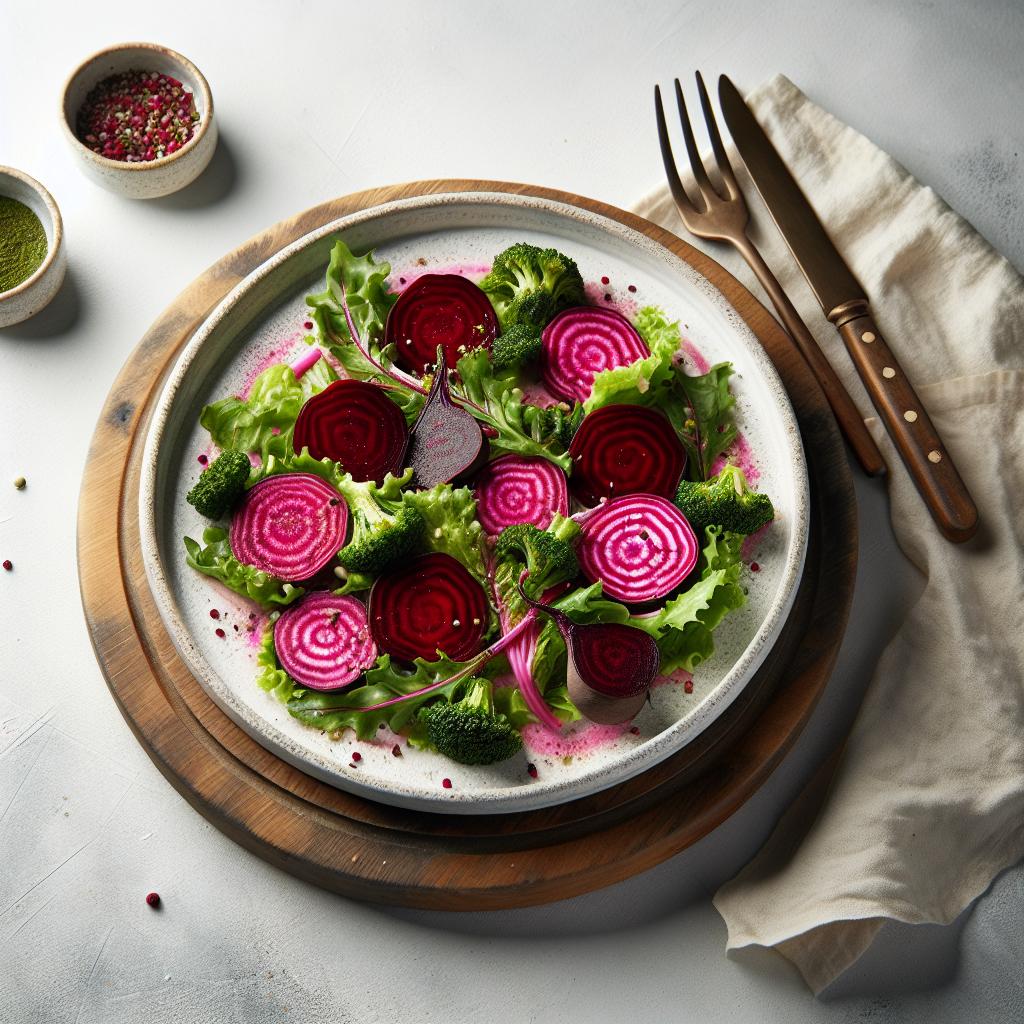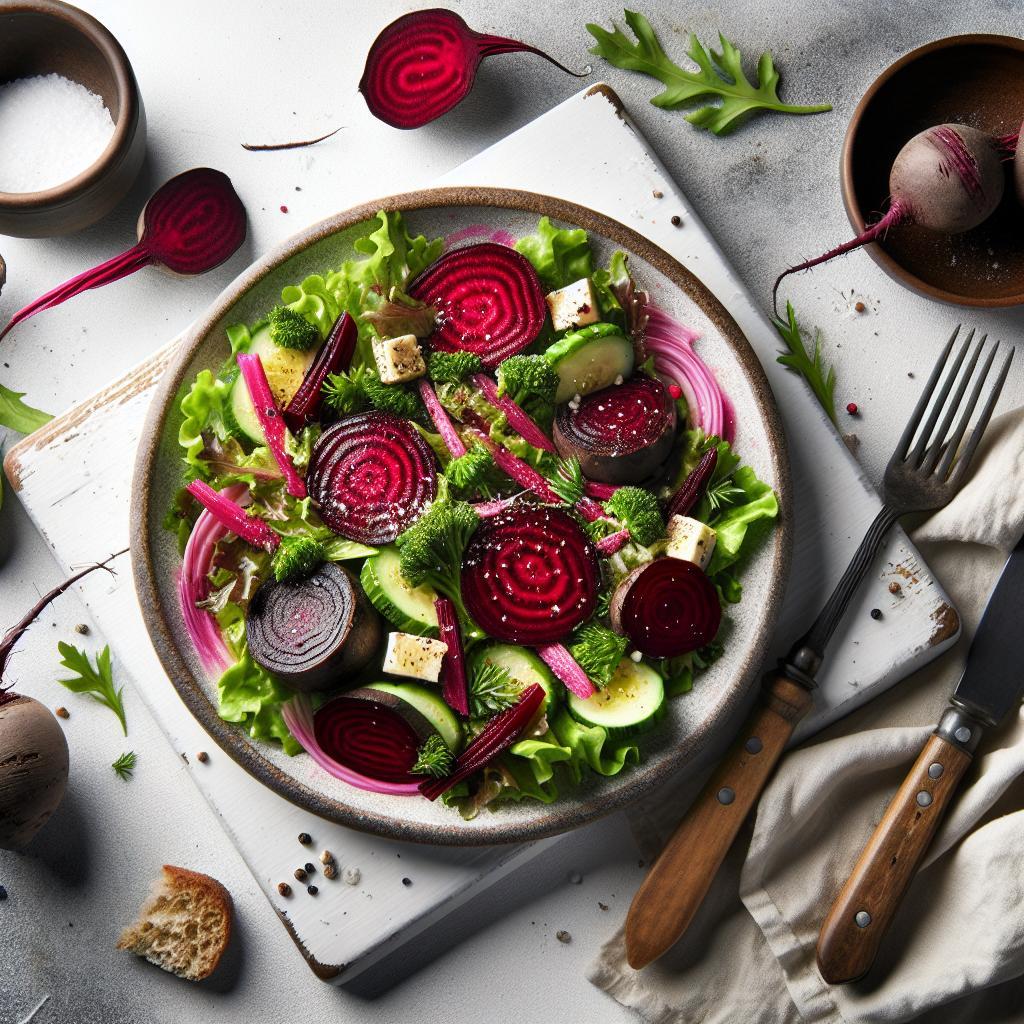

Beets have long been celebrated for their vibrant hue and earthy sweetness, gracing tables across cultures as a beloved side dish. Among these culinary classics, Harvard Beets stand out-tangy, tender, and steeped in tradition. But what if this timeless recipe could be reimagined with a fresh twist that honors its roots while inviting new flavors to the dance? In this article, we delve into a creative take on Harvard Beets, blending age-old charm with modern flair to brighten your plate and delight your palate. Get ready to discover how this simple side can transform into a show-stopping accompaniment, perfect for both everyday meals and festive feasts.
Harvard Beets Recipe: A Fresh Spin on a Timeless Side offers a bright and invigorating take on a classic favorite, transforming the humble beet into a visually stunning and flavor-packed dish. Originating from New England kitchens, this side is beloved for its perfect balance of sweet and tangy notes. Today, we explore vibrant ingredient swaps and refined techniques that elevate this dish beyond tradition, making it a must-try for both seasoned cooks and culinary adventurers alike.
Prep and Cook Time
Preparation: 15 minutes | Cooking: 25 minutes | Total Time: 40 minutes
Yield
Serves 4 as a side dish
Difficulty Level
Easy to Medium – approachable for home cooks yet impressive enough for dinner parties
Ingredients
- 4 medium fresh beets, peeled and sliced into ¼-inch thick rounds
- 1/3 cup apple cider vinegar (or pomegranate vinegar for a fruity twist)
- 3 tbsp honey (or pure maple syrup for a richer sweetness)
- 2 tbsp unsalted butter
- 1 small shallot, finely minced
- 1 tsp fresh grated ginger (optional, adds a gentle spice)
- Salt and freshly ground black pepper, to taste
- Fresh thyme leaves or microgreens, for garnish
- 1/4 cup toasted walnuts or pecans, roughly chopped (for crunch)
Instructions
- Prepare the beets: Boil the beets in a large pot of salted water until just tender, about 20 minutes. Drain and transfer to a bowl of ice water to stop cooking and retain color. Drain again and slice evenly.
- Sauté aromatics: In a large skillet over medium heat, melt the butter. Add the finely minced shallot and cook until translucent and fragrant, about 3 minutes. Stir in the grated ginger if using.
- Build the glaze: Pour in the apple cider vinegar and honey. Stir constantly as the mixture bubbles and thickens, about 4 to 5 minutes, until it reaches a syrupy consistency.
- Combine beets: Gently fold the beet slices into the glaze. Allow them to warm and absorb the tangy-sweet sauce for 3-4 minutes, turning occasionally to coat evenly. Season with salt and freshly ground black pepper to taste.
- Finish and serve: Remove from heat. Transfer the glazed beets onto a serving dish, sprinkle toasted walnuts and fresh thyme leaves or microgreens on top for a burst of texture and color.
Tips for Success
- For a quicker version, use pre-cooked vacuum-sealed beets, but make sure to slice them evenly to ensure a consistent glaze.
- Swap honey for agave or a touch of brown sugar to adjust the sweetness and create a vegan-friendly alternative.
- If the glaze becomes too thick, gently add a splash of warm water or extra vinegar to loosen it without losing its shine.
- Make-ahead tip: Prepare the glaze in advance and toss with freshly cooked beets just before serving to maintain vibrant flavor.
- For an added layer of zest, garnish with a light sprinkle of finely chopped fresh mint or a dash of smoked paprika.
Serving Suggestions to Elevate Your Meal
Serve these reinvented Harvard Beets alongside roasted meats such as herb-crusted lamb or glazed ham to complement their sweet acidity. For a vegetarian feast, pair with creamy risotto or a grain bowl featuring quinoa and roasted squash. A dollop of whipped goat cheese or ricotta alongside the beets adds a luxurious creaminess and bright contrast. Garnish with crunchy toasted nuts and fresh herbs to create a stunning presentation on any holiday or weeknight table, sure to impress your guests visually and satisfy every palate.
| Nutrition | Per Serving |
|---|---|
| Calories | 140 kcal |
| Protein | 2 g |
| Carbohydrates | 25 g |
| Fat | 5 g |
Explore more colorful roasted vegetable recipes to round out your culinary repertoire. For further culinary inspiration and the science behind flavor balancing, visit Serious Eats.

Q&A
Q&A: Harvard Beets Recipe – A Fresh Spin on a Timeless Side
Q1: What exactly are Harvard beets, and why are they called that?
A1: Harvard beets are a classic side dish made from cooked beets dressed in a sweet and tangy sauce, typically featuring vinegar, sugar, and sometimes mustard or cream. The “Harvard” part is a bit of culinary folklore-while no one is certain about the name’s origin, it’s thought to have been popularized by Harvard University cafeterias in the early 20th century or simply to evoke an air of refinement and tradition. Either way, the dish has endured as a beloved accompaniment known for its vibrant color and balanced flavor.
Q2: What makes the “fresh spin” on Harvard beets in this recipe stand out?
A2: This recipe reinvents the old favorite by incorporating fresh herbs, a hint of ginger, and a splash of citrus juice, which brighten the natural earthiness of the beets while preserving the classic sweet-and-sour profile. Instead of relying solely on vinegar and sugar, the addition of fresh ingredients transforms the dish into something lively and modern without losing its comforting roots.
Q3: Can I use both fresh and canned beets for this recipe?
A3: Absolutely! Fresh beets provide a deeper, more complex flavor and firmer texture, but canned beets offer convenience and speed. If using fresh, roast or boil them until tender, peel, and slice. If using canned, simply drain and rinse to reduce brine flavor. The recipe adapts beautifully to either option, making it accessible for all kitchens.
Q4: How long does this dish keep, and can it be made ahead?
A4: Harvard beets actually benefit from sitting overnight, as the flavors meld and intensify. Stored in an airtight container in the refrigerator, they can keep well for up to 4-5 days. This makes the recipe perfect for meal prepping or for bringing a colorful, flavorful side to potlucks and gatherings.
Q5: What dishes pair best with Harvard beets?
A5: Harvard beets shine alongside roasted poultry, grilled meats, or hearty vegetarian mains like lentil loaf or stuffed squash. Their sweet-and-sour zing also contrasts beautifully with creamy mashed potatoes or rich grains like wild rice or quinoa. For a simple yet sophisticated meal, serve Harvard beets with roasted chicken and a crisp green salad.
Q6: Are there any health benefits to including beets in your meals?
A6: Definitely! Beets are nutritional powerhouses-packed with fiber, vitamins (like folate and vitamin C), minerals (such as potassium and manganese), and antioxidants. They support heart health, aid digestion, and have natural nitrates that may improve blood flow and exercise performance. Plus, their vibrant red color makes every plate more inviting and nutritious.
Q7: Any tips for peeling and cooking fresh beets without the mess?
A7: To keep your hands stain-free, wear kitchen gloves when handling beets or rub them with a little lemon juice after peeling to prevent discoloration. Roasting wrapped in foil or boiling until tender are the best ways to cook them evenly. After cooking, the skin slips off easily with a gentle rub from your fingers or a paper towel.
By giving Harvard beets a contemporary update, this recipe invites you to enjoy a timeless side dish that’s both comforting and refreshingly new. It’s a delicious way to celebrate the humble beet-rich in history and flavor!
The Conclusion
As you tuck into these vibrant Harvard beets, you’re not just savoring a side dish-you’re enjoying a harmonious blend of tradition and innovation. This timeless recipe, refreshed with a modern twist, proves that even the simplest ingredients can tell a captivating story on your plate. So next time you’re looking to brighten your meal with a splash of color and a burst of flavor, let these Harvard beets take center stage-reminding us that culinary classics are always ripe for reinvention.