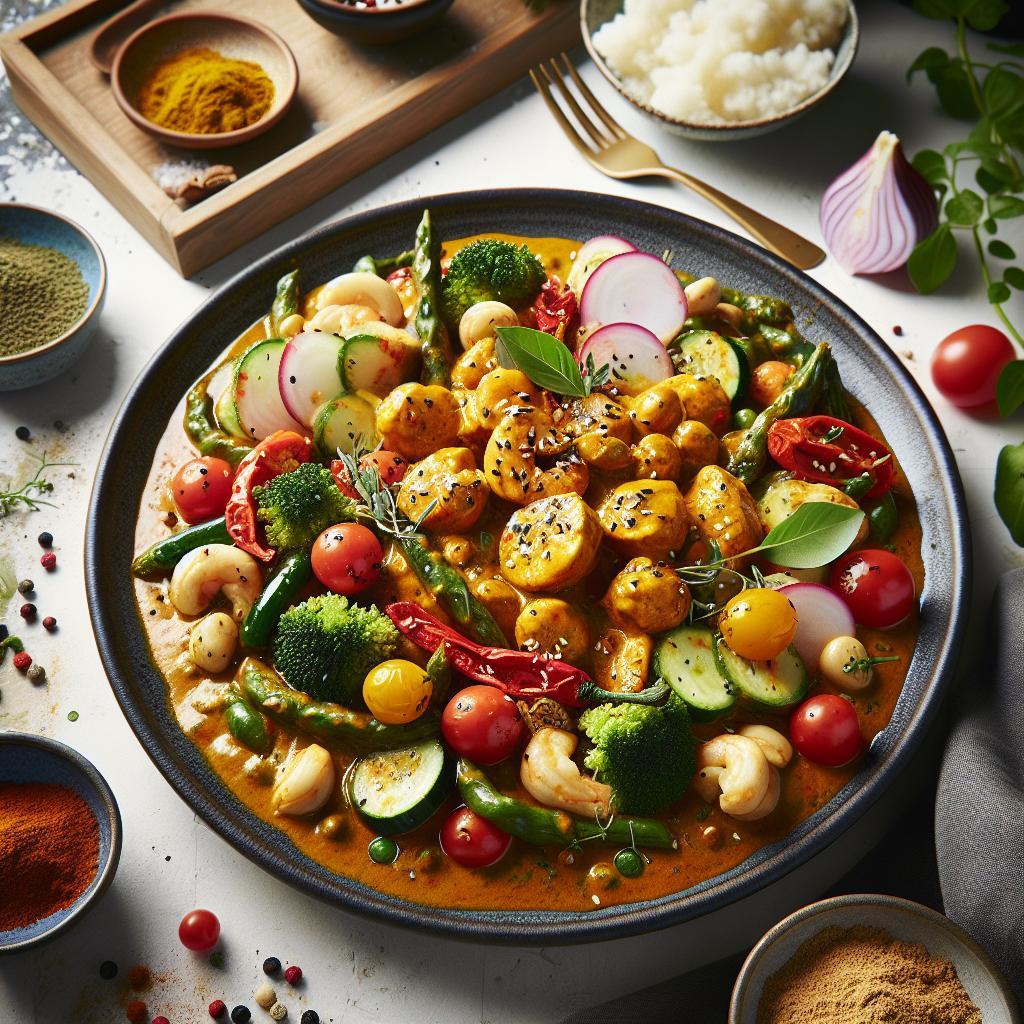

In the bustling crossroads of culinary tradition and innovation, a surprising yet irresistible fusion has emerged: Italian curry. Picture the sun-kissed hills of Tuscany meeting the aromatic spice markets of India, where fragrant blends of cumin, coriander, and turmeric intertwater with robust tomatoes, fresh basil, and rich olive oil. Italian curry is more than just a dish-it’s a vibrant celebration of Mediterranean zest infused with exotic warmth, a flavorful dialogue between two rich food cultures. This article delves into the origins, ingredients, and evolving recipes of Italian curry, inviting you to explore how this harmonious marriage of flavors transforms classic Italian cooking into an adventurous new experience for the palate.
- Italian Curry: A Flavorful Fusion of Mediterranean Spice
- Prep and Cook Time
- Yield
- Difficulty Level
- Key Ingredients That Define Italian Curry’s Unique Taste Experience
- Cooking Techniques to Perfect the Harmony of Italian Curry
- Chef’s Notes and Tips for Success
- Pairing Italian Curry with Traditional and Contemporary Italian Dishes
- Nutritional Information
- Q&A
- To Wrap It Up
Italian Curry: A Flavorful Fusion of Mediterranean Spice
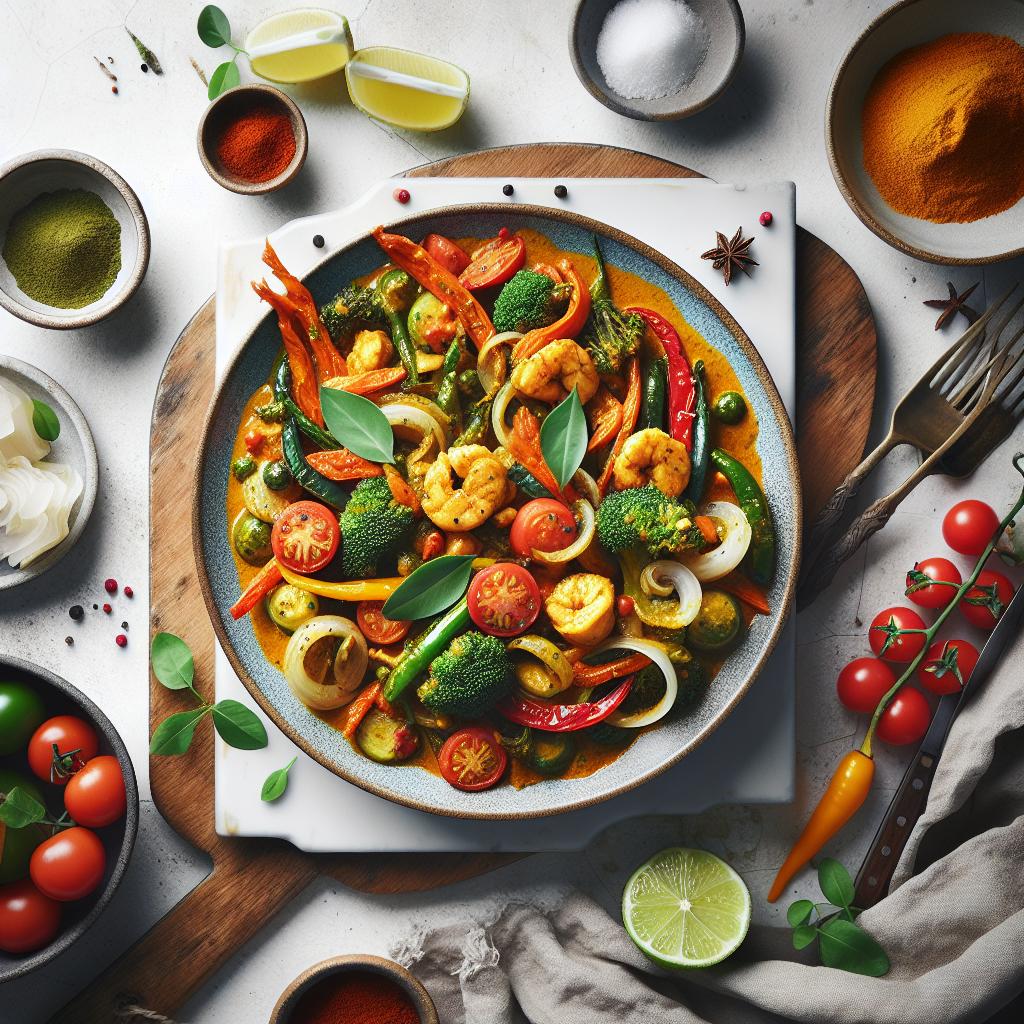
Italian Curry offers a tantalizing culinary crossover, where the bold, fragrant spices of curry blend seamlessly with Mediterranean freshness and tradition. This unique dish embodies an inventive approach to Italian cuisine by infusing it with the warmth and complexity often reserved for Eastern spice blends. From vibrant herbs like basil and oregano to sun-kissed tomatoes and creamy olive oil, Italian Curry is a celebration of flavor contrasts that harmonize beautifully on the palate.
Prep and Cook Time
- Prep Time: 15 minutes
- Cook Time: 30 minutes
- Total Time: 45 minutes
Yield
Serves 4 generous portions
Difficulty Level
Medium – perfect for adventurous home cooks comfortable with blending classic spice profiles and Mediterranean ingredients.
Key Ingredients That Define Italian Curry’s Unique Taste Experience
- 1 ½ tbsp extra virgin olive oil – for that authentic Mediterranean richness
- 1 medium yellow onion, finely chopped – provides the savory base
- 3 garlic cloves, minced – infuses aromatic depth
- 1 tbsp fresh ginger, finely grated – adds a warm, peppery bite
- 2 tbsp curry powder – the heart of the dish; opt for a mild Mediterranean-style blend
- 1 tsp smoked paprika – evokes Italian smoky flavors
- 1 can (14 oz) diced tomatoes, no salt added – imparts bright acidity
- 1 cup vegetable broth – to create a luscious sauce
- 1 medium zucchini, diced – fresh, mild sweetness
- 1 red bell pepper, sliced – adds vivid color and crisp texture
- 1 cup cooked chickpeas – protein-packed and hearty
- 1 handful fresh basil leaves, roughly chopped – signature Mediterranean herb to finish
- Salt and black pepper, to taste
Cooking Techniques to Perfect the Harmony of Italian Curry
- Heat the olive oil in a large skillet over medium heat. Add the chopped onion and sauté until translucent and slightly golden, about 5 minutes, stirring occasionally to ensure even cooking.
- Stir in garlic and ginger, cooking for 1-2 minutes until fragrant, careful not to burn them as they release their essential oils.
- Sprinkle in curry powder and smoked paprika, stirring constantly for 30 seconds to bloom the spices-this step unlocks deeper flavors and aromas.
- Add the diced tomatoes and vegetable broth, mixing well to combine. Bring to a gentle simmer and let the sauce reduce for 10 minutes, developing a thick, rich base.
- Introduce the zucchini, red bell pepper, and chickpeas to the pan. Stir gently and cook for another 10-12 minutes until the vegetables soften yet retain a slight bite.
- Finish with fresh basil and season with salt and freshly ground black pepper to taste. Give a final stir to incorporate all elements harmoniously.
- Remove from heat, letting the dish rest for a few minutes before serving to allow the flavors to meld perfectly.
Chef’s Notes and Tips for Success
- Spice blends: Use a high-quality Mediterranean-inspired curry powder to highlight herbs and mild chilies instead of intense heat.
- Vegetarian option: Swap vegetable broth for a light chicken broth substitute if preferred for added depth.
- Make-ahead: Italian Curry tastes even better the next day as flavors intensify. Store covered in the fridge for up to 3 days.
- Texture balance: Avoid overcooking the vegetables to maintain their delightful crunch and contrast against the silky curry sauce.
Pairing Italian Curry with Traditional and Contemporary Italian Dishes
To elevate your Italian Curry experience, pair it with creamy polenta, which perfectly soaks up the aromatic sauce. Alternatively, a side of golden garlic focaccia delivers crunchy satisfaction and Mediterranean flair. For a modern touch, serve alongside a fresh arugula and cherry tomato salad tossed in lemon vinaigrette, which adds a refreshing brightness counterbalancing the warm spices.
Garnish with a sprinkle of toasted pine nuts for texture and a drizzle of high-quality extra virgin olive oil for an irresistible glossy finish.
Nutritional Information
| Nutrient | Per Serving |
|---|---|
| Calories | 280 kcal |
| Protein | 9 g |
| Carbohydrates | 34 g |
| Fat | 10 g |

Discover more Mediterranean-inspired recipes that blend tradition with innovation in our Mediterranean Cuisine Guide.
Q&A
Q&A: Italian Curry – A Flavorful Fusion of Mediterranean Spice
Q1: What is Italian curry, and how did it come to be?
A: Italian curry is a delightful culinary invention that marries the rich, aromatic spices typical of traditional curries with Mediterranean flavors and ingredients. Born from cultural exchange and the adventurous spirit of Italian cooks, this dish captures the essence of Italy’s sun-kissed herbs and fresh produce, blending them with warm, exotic spices to create a truly unique taste experience.
Q2: How does Italian curry differ from traditional Indian or Thai curries?
A: While Indian and Thai curries often emphasize bold, complex spice blends and creamy bases like coconut milk or yogurt, Italian curry leans into the vibrant freshness of Mediterranean herbs such as rosemary, oregano, and basil. It often incorporates ingredients like tomatoes, olives, capers, and a subtle heat from spices like saffron and smoked paprika, resulting in a curry that’s aromatic but not overpowering.
Q3: What are typical ingredients used in Italian curry?
A: Italian curry commonly features staples like tender chicken or seafood, garlic, olive oil, fresh tomatoes, onions, and an array of spices such as cumin, fennel seeds, turmeric, and cinnamon. Vegetables like bell peppers, zucchini, and artichokes often make an appearance, contributing to both texture and flavor. The marriage of these ingredients produces a colorful and deeply satisfying dish.
Q4: Can Italian curry be adapted for vegetarians or vegans?
A: Absolutely! Italian curry easily welcomes plant-based alternatives. Hearty vegetables like eggplant, mushrooms, chickpeas, and lentils take center stage, absorbing the curry’s fragrant spices beautifully. Using vegetable broth and quality olive oil ensures the dish remains rich and full-bodied without animal products.
Q5: How is Italian curry typically served?
A: Embracing its Italian roots, this curry is often accompanied by creamy polenta, crusty bread, or even a bed of risotto instead of traditional rice. These pairings soak up the flavorful sauce perfectly and add an Italian twist to the presentation. A sprinkle of fresh herbs and a drizzle of extra virgin olive oil elevate the final dish to something truly special.
Q6: What makes Italian curry a great choice for home cooks?
A: Italian curry offers an exciting yet accessible way to experiment with spices while staying grounded in familiar Mediterranean flavors. It can be customized easily to suit individual tastes, uses ingredients that are commonly found in most kitchens, and lends itself well to batch cooking or improvisation-a true fusion feast for adventurous palates.
Q7: Are there any traditional Italian dishes that inspired Italian curry?
A: Italian cuisine’s love for richly spiced tomato sauces and fragrant herb blends subtly informs Italian curry’s flavor profile. Classic dishes like chicken cacciatore or caponata inspire the savory, tangy base, while Mediterranean citrus and aromatic herbs add layers of complexity, reflecting the innovative spirit of Italian home cooking.
Q8: Can Italian curry be made mild for those sensitive to spice?
A: Yes, the beauty of Italian curry lies in its balance. Spices can be adjusted to personal preference, making it suitable for mild palates by emphasizing herbs over heat and using gentle spices like saffron or sweet paprika. The resulting dish retains its depth without an overpowering kick.
Q9: What sauces or garnishes complement Italian curry best?
A: A dollop of creamy ricotta or a sprinkle of grated Pecorino Romano cheese adds a luscious finish, while fresh basil leaves or a squeeze of lemon brighten the dish. Toasted pine nuts or chopped toasted almonds contribute delightful texture contrasts, highlighting the creative fusion at the heart of Italian curry.
Q10: Where can I find inspiration to create my own Italian curry recipe?
A: Start by exploring classic Italian herb blends and your favorite curry spice mixes, then experiment with Mediterranean vegetables and proteins. Cooking blogs, fusion cookbooks, and Italian markets can provide fresh ideas and quality ingredients. Most importantly, trust your palate and let your culinary curiosity guide you!
To Wrap It Up
In the grand tapestry of culinary traditions, Italian curry emerges as a vibrant thread-woven with bold Mediterranean spices and rich Italian heritage. This flavorful fusion invites food lovers to savor a new narrative where sun-soaked herbs meet exotic warmth, bridging cultures on a single plate. Whether you’re a seasoned chef or an adventurous eater, Italian curry promises a journey that delights the senses and redefines what spice truly means in Italian cooking. Embrace this bold blend, and let your palate explore the unexpected harmony of Italy’s timeless flavors and curry’s enchanting allure.