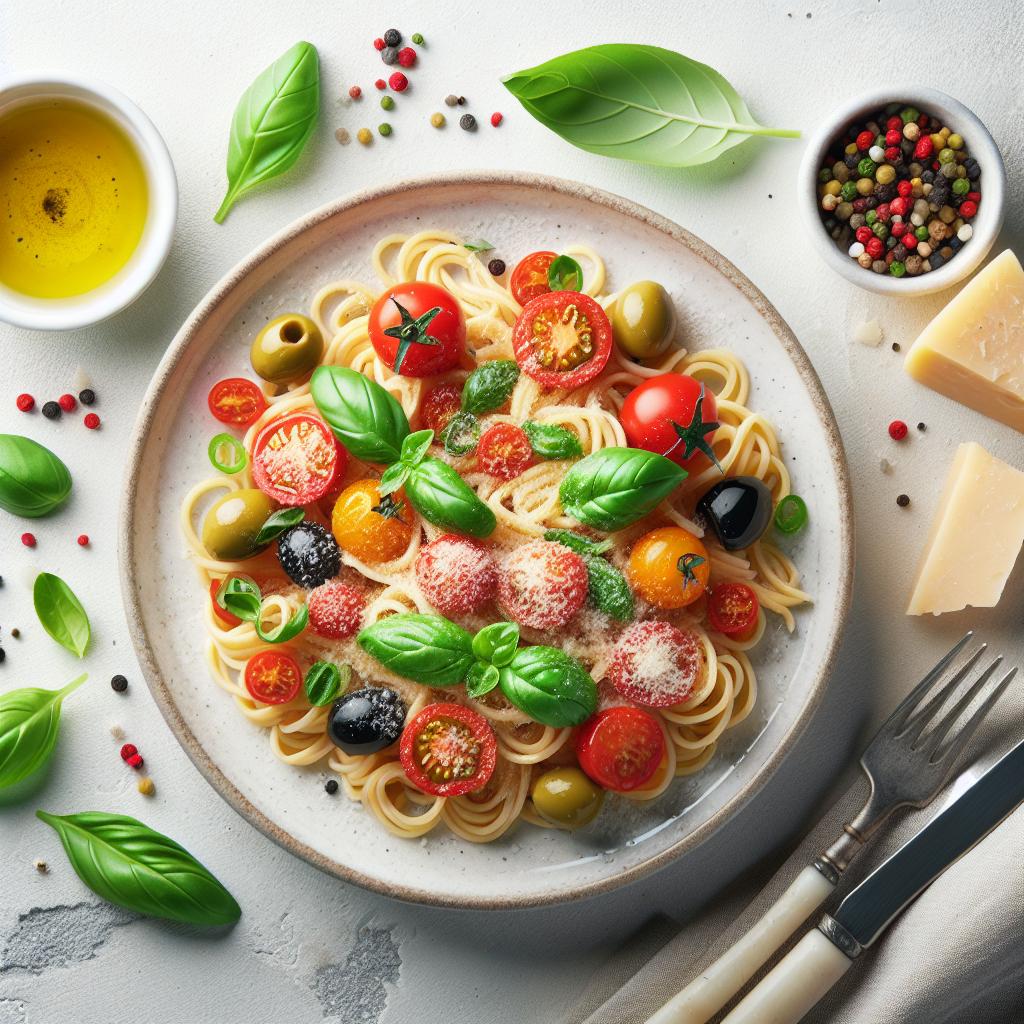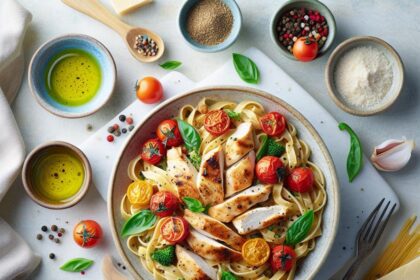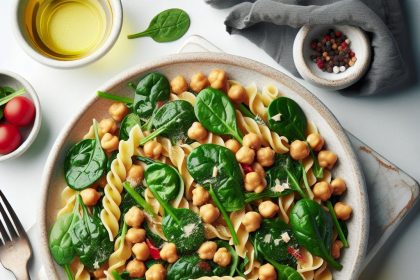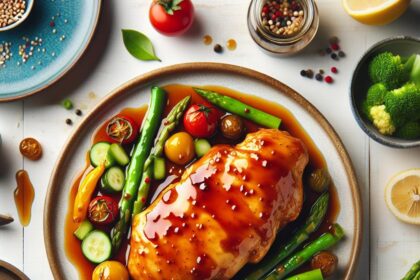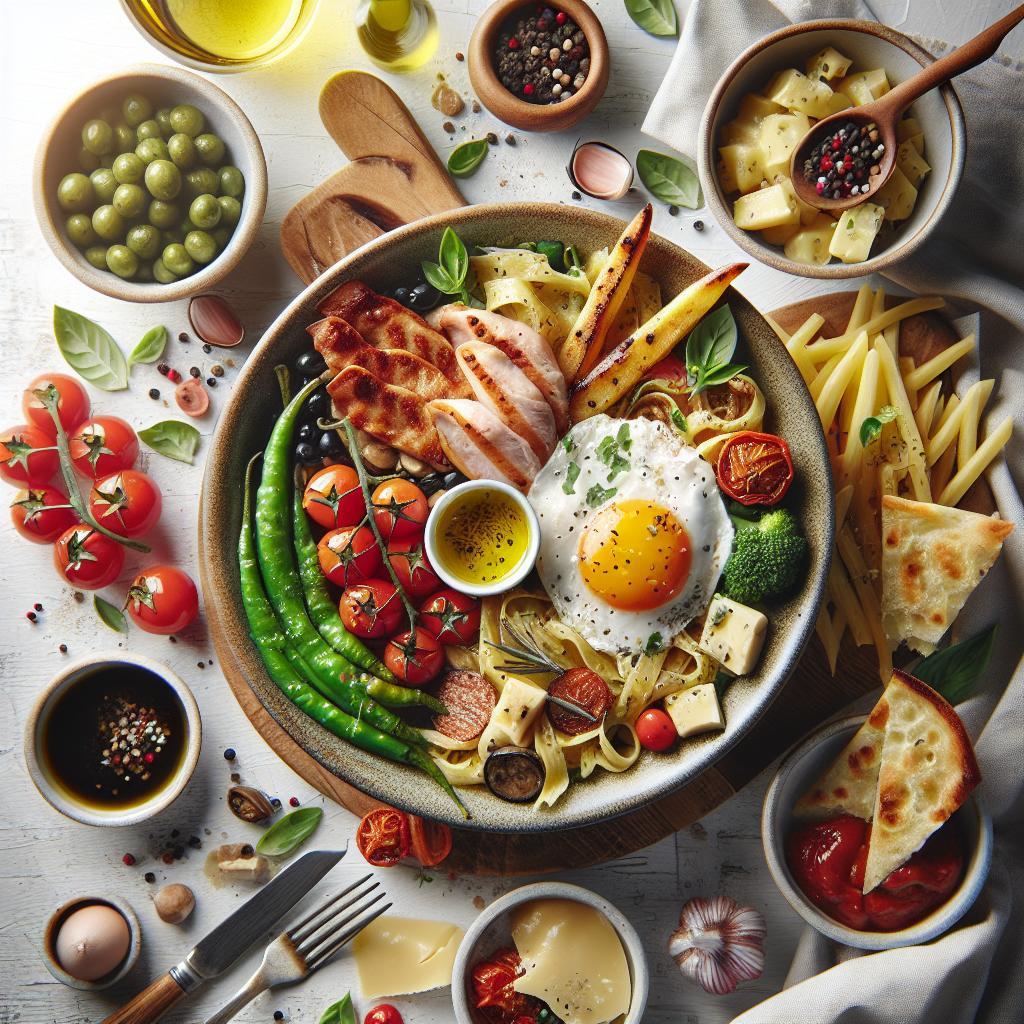

Imagine a place where every meal tells a story, where flavors dance in harmony and time slows to savor each bite. Welcome to Italy-a land where food is not just sustenance, but an art form passed down through generations. From the sun-kissed vineyards of Tuscany to the bustling markets of Naples, authentic Italian meals offer more than taste-they offer a journey into culture, history, and heart. In this article, we invite you to explore the rich tapestry of Italy’s culinary heritage, discovering the ingredients, traditions, and passion behind every dish that makes Italian cuisine a timeless celebration of life itself.
Mastering the Art of Traditional Italian Cooking Techniques
Savoring Italy: A Journey Through Authentic Italian Meals invites you to uncover the soul of Italian cuisine through a hands-on approach to time-honored cooking methods. Let your kitchen transform into an Italian trattoria as you prepare the beautifully rustic Sicilian Pasta alla Norma, a dish that encapsulates the island’s vibrant ingredients and culinary heritage, featuring tender eggplants, rich tomato sauce, and creamy ricotta salata.
Prep and Cook Time
Preparation: 20 minutes | Cooking: 30 minutes | Total Time: 50 minutes
Yield
Serves 4 hearty portions
Difficulty Level
Medium – ideal for cooks ready to explore authentic Italian techniques with approachable guidance
Ingredients
- 400g (14 oz) dried rigatoni or ziti pasta
- 2 medium eggplants (about 600g), cut into 1-inch cubes
- 4 tbsp extra virgin olive oil, plus more for frying
- 1 small onion, finely chopped
- 3 cloves garlic, minced
- 700g (25 oz) canned San Marzano tomatoes, crushed
- 1 tsp crushed red pepper flakes (optional)
- Salt and freshly ground black pepper, to taste
- 150g (5 oz) ricotta salata, finely grated
- Fresh basil leaves, for garnish
Instructions
- Prepare the eggplants: Sprinkle the cubed eggplants with salt and place them in a sieve for 30 minutes to draw out bitterness. Rinse and pat dry thoroughly with paper towels.
- Fry the eggplants: Heat a generous amount of olive oil in a large skillet over medium-high heat. Add the eggplant cubes in batches, frying until golden and tender, about 5-7 minutes. Transfer to a plate lined with paper towels to absorb excess oil.
- Make the sauce: In the same skillet, reduce heat to medium and add 4 tablespoons of extra virgin olive oil. Sauté the onion gently until translucent, about 4 minutes. Add the garlic and cook for another minute, stirring to avoid burning.
- Add tomatoes and spices: Pour in the crushed San Marzano tomatoes. Season with salt, black pepper, and red pepper flakes if using. Let the sauce simmer uncovered for 20-25 minutes, stirring occasionally, until it thickens and develops a deep red color.
- Cook the pasta: Bring a large pot of salted water to a boil. Cook the rigatoni according to package instructions until al dente. Reserve 1 cup of pasta water before draining.
- Combine pasta and sauce: Return the sauce to medium heat, stir in the fried eggplants and cooked pasta, adding reserved pasta water a little at a time to achieve a silky sauce that coats every rigatoni piece beautifully.
- Plate and garnish: Serve immediately, generously sprinkling grated ricotta salata and fresh basil leaves on top for that unmistakable Sicilian flair.
Chef’s Notes
- Eggplant prep: Salting helps remove bitterness but also prevents sogginess. Don’t skip this step for authentic texture.
- Ricotta salata substitute: If sourness isn’t your preference or unavailable, try aged feta or Pecorino Romano as a delicious alternative.
- Advanced tip: For a lighter version, roast the eggplant cubes on a baking sheet brushed with olive oil instead of frying.
- Make ahead: The tomato sauce can be prepared a day before and gently reheated; add fried eggplant just before serving to maintain texture.
Serving Suggestions
Present your Pasta alla Norma in wide, shallow bowls to let the vibrant red sauce contrast with creamy ricotta salata. Add a drizzle of extra virgin olive oil and a fresh basil leaf on each serving for a pop of green and fragrant aroma. Pair this dish with a chilled glass of Vermentino, a white water native to Italy’s coastal regions, to balance the dish’s rich textures.
| Nutritional Info (per serving) | Calories | Protein | Carbs | Fat |
|---|---|---|---|---|
| Pasta alla Norma | 500 kcal | 15g | 70g | 18g |

For a deeper dive into Italian culinary traditions, see our Authentic Tuscany Recipe Collection. To explore the history and cultural significance of Sicilian ingredients, visit Britannica’s Sicilian Cuisine article.
Q&A
Q&A: Savoring Italy: A Journey Through Authentic Italian Meals
Q: What makes Italian cuisine so distinct and beloved worldwide?
A: Italian cuisine is a beautiful blend of simplicity and tradition, where fresh, high-quality ingredients take center stage. It emphasizes vibrant flavors from humble elements like ripe tomatoes, fragrant basil, creamy cheeses, and fragrant olive oils. The regional diversity-from the seafood-rich coasts to the hearty mountain dishes-creates a tapestry of tastes that capture the essence of Italy’s landscapes and history.
Q: Can you describe the structure of a traditional Italian meal?
A: A traditional Italian meal is a harmonious experience, often unfolding in multiple courses. It typically begins with an antipasto-small bites that awaken the palate, like bruschetta or marinated vegetables. This is followed by the primo, often a comforting pasta, risotto, or soup. Next comes the secondo, a protein-based main, such as fish, chicken, or beef. The meal may conclude with a light contorno (side of vegetables), and a sweet dolce, like tiramisu or panna cotta, delightfully rounding off the experience.
Q: How do regional specialties influence authentic Italian cooking?
A: Italy’s culinary heritage is deeply regional, shaped by geography and local tradition. In the north, you’ll find creamy risottos and delicate polentas, while Tuscany’s rustic dishes highlight legumes and grilled vegetables. Coastal regions celebrate fresh seafood, herbs, and citrus, whereas central and southern Italy burst with robust tomato sauces and sun-drenched flavors. Each region offers a unique window into Italian culture through its signature meals.
Q: What are some iconic Italian ingredients that embody authentic flavors?
A: Essential ingredients include fragrant extra virgin olive oil, sun-ripened San Marzano tomatoes, aromatic basil, garlic, and aged Parmigiano-Reggiano cheese. Fresh pasta made from durum wheat semolina flour, seasonal vegetables, and a variety of seafood or tender meats also form the backbone of many traditional dishes. The magic lies in their simplicity and the respect each ingredient receives in a well-crafted recipe.
Q: How can travelers best immerse themselves in Italy’s authentic culinary scene?
A: To truly savor Italy’s food culture, venture beyond tourist hotspots to family-run trattorias and markets where local chefs prepare age-old recipes. Participate in cooking classes or food festivals to learn firsthand the stories behind each dish. Embrace seasonal menus that celebrate local harvests, and engage with the vendors and cooks who carry forward Italia’s cherished culinary tradition.
Q: Are there any signature Italian meals that showcase the country’s culinary artistry without common animal proteins like pork?
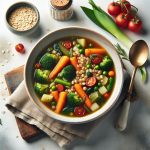
A: Absolutely. Dishes such as Risotto al Limone-a zesty, creamy risotto infused with lemon-highlight the elegance of Italian cooking without reliance on pork. Fresh seafood dishes like Spaghetti alle Vongole (spaghetti with clams) or Grilled Branzino (sea bass) embody the Mediterranean coast’s bounty. Vegetarian delights like Melanzane alla Parmigiana (eggplant Parmesan) and Minestrone (hearty vegetable soup) also showcase the country’s rich flavors and traditions.
Q: What role does seasonality play in Italian meals?
A: Seasonality is at the heart of Italian cooking-it dictates what’s fresh, flavorful, and celebrated in kitchens across the country. Spring brings tender artichokes and asparagus; summer bursts with ripe tomatoes, zucchini, and basil; autumn offers wild mushrooms and chestnuts; winter comforts with hearty root vegetables and citrus fruits. Eating seasonally ensures not only authentic taste but also a connection to the natural rhythm of Italian life.
Q: How does the concept of “slow food” relate to authentic Italian dining experiences?
A: “Slow food” perfectly mirrors the Italian philosophy of savoring meals without rush, honoring tradition, and using sustainable, local ingredients. It encourages diners to appreciate the stories behind each dish and the time invested in its creation. In Italy, meals are an opportunity to gather, share, and celebrate life-making every bite a meaningful part of cultural heritage.
Insights and Conclusions
As our culinary journey through Italy draws to a close, the rich tapestry of authentic Italian meals leaves an indelible mark on the palate and the soul. From the sun-kissed vineyards of Tuscany to the bustling markets of Naples, each bite tells a story-of tradition, family, and an unyielding passion for food. Savoring Italy is more than just tasting its dishes; it is an invitation to embrace a way of life where meals are celebrated, memories are made, and every flavor is a chapter in a timeless narrative. So whether you’re twirling your fork through fresh pasta or sharing a rustic slice of pizza with friends, remember that authentic Italian cuisine is an experience meant to be savored, cherished, and always shared. Buon appetito!