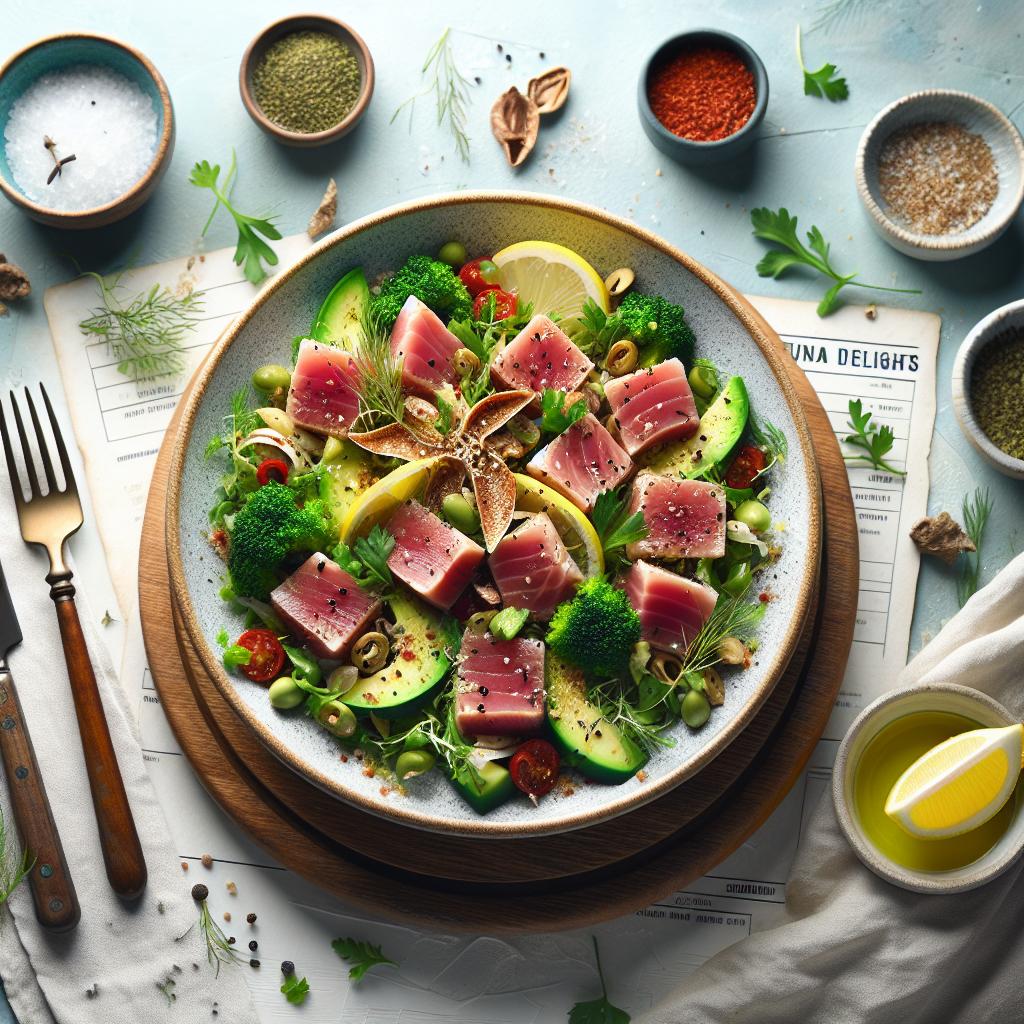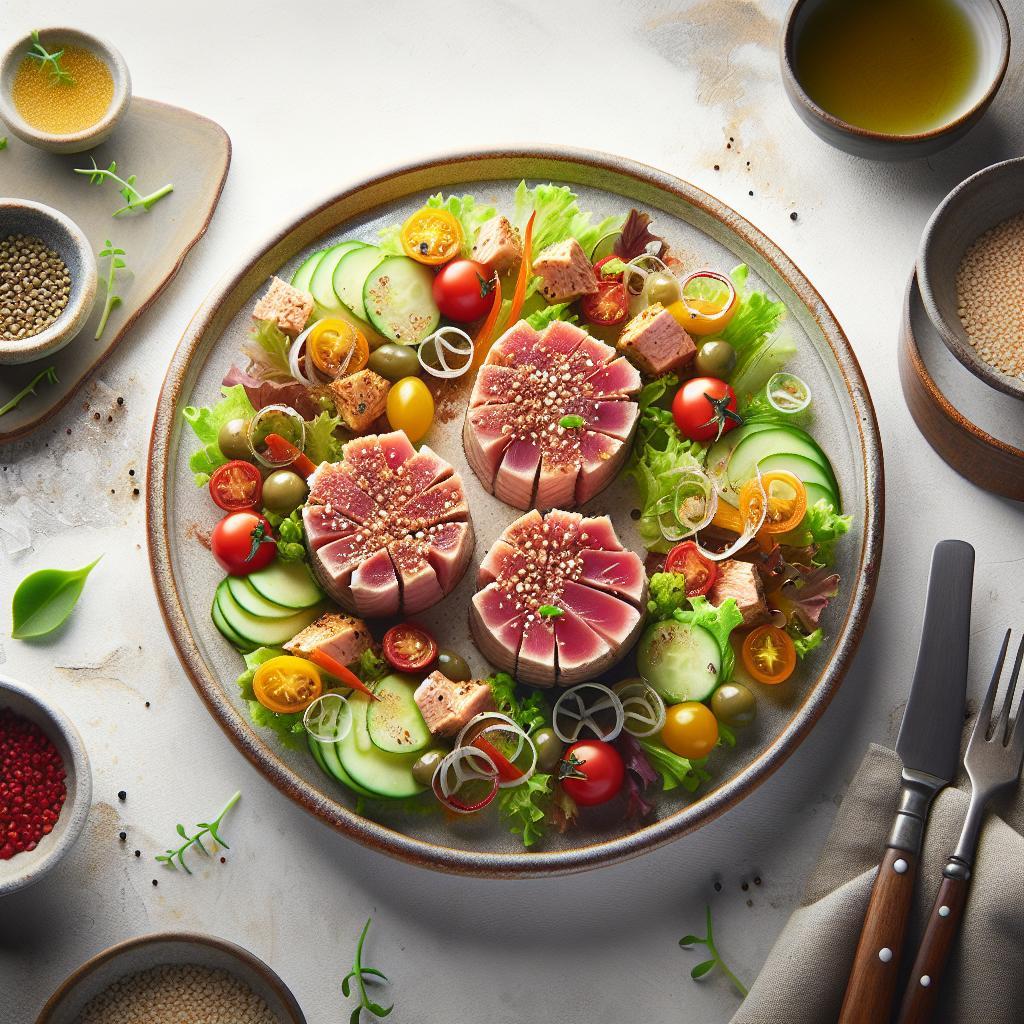

Beneath the shimmering surface of the world’s oceans lies a treasure trove of flavors waiting to be discovered. Among these, tuna stands out as a versatile and beloved ingredient, celebrated for its rich texture and robust taste. “Savory Tuna Delights: Crafting the Perfect Ocean Dish” invites you on a culinary journey to unlock the secrets behind preparing tuna in ways that elevate this oceanic marvel from simple seafood to an unforgettable gastronomic experience. Whether seared, cured, or tossed in vibrant salads, the art of crafting the perfect tuna dish blends tradition, innovation, and a deep appreciation for the sea’s bounty. Join us as we dive deep into techniques, recipes, and flavor pairings that transform tuna into savory delights worthy of any dining table.
Savory Tuna Delights: Crafting the Perfect Ocean Dish
Savory Tuna Delights offer a vibrant journey into the heart of oceanic flavors, inviting culinary enthusiasts to experience tuna in its most exquisite form. Selecting the finest cuts and mastering the art of seasoning and cooking unlocks a world of unmatched taste and texture. As a passionate food stylist, I’ve discovered that achieving the ideal balance between tender, fresh tuna and vibrant accents transforms every meal into a celebration of the sea’s bounty.
Prep and Cook Time
Preparation: 20 minutes Cooking: 10 minutes Total: 30 minutes
Yield
Serves 4 elegantly, perfect for a dinner party or intimate gathering.
Difficulty Level
Medium – suitable for home cooks eager to elevate their seafood repertoire with confidence.
Ingredients
- 500g sashimi-grade fresh tuna loin, trimmed and patted dry
- 3 tbsp tamari soy sauce (or gluten-free soy sauce)
- 2 tbsp toasted sesame oil
- 1 tbsp freshly grated ginger
- 2 cloves garlic, minced
- 1 tbsp yuzu juice or fresh lemon juice
- 1 tsp honey or pure maple syrup
- ½ tsp freshly cracked black pepper
- 1 tbsp toasted sesame seeds, for garnish
- 2 tbsp finely chopped scallions, for garnish
- Fresh microgreens or baby arugula, for serving
- Olive oil, for searing
Instructions
- Choose your tuna: Begin with the freshest sashimi-grade tuna loin, ideally deep red and firm to the touch, ensuring a superior flavor base for this ocean-inspired creation.
- Prepare the marinade: In a non-reactive bowl, combine tamari soy sauce, toasted sesame oil, grated ginger, minced garlic, yuzu juice, honey, and black pepper. Whisk gently until evenly blended.
- Marinate the tuna: Place the tuna loin in the marinade, turning to coat every side. Cover and refrigerate for 15-20 minutes-this step allows the delicate flavors to infuse without overpowering the natural freshness.
- Preheat your skillet: Use a heavy-bottomed skillet and heat 1 tablespoon of olive oil over medium-high heat until shimmering but not smoking.
- Sear the tuna: Remove the tuna from the marinade (reserve it) and pat dry lightly. Sear each side for about 1¼ minutes – the goal is a beautifully caramelized exterior while preserving a ruby-red center for that melt-in-your-mouth texture.
- Finish with marinade glaze: Pour the reserved marinade into the hot skillet, carefully swirling to reduce slightly and intensify flavor, about 1-2 minutes. Spoon this glaze over the seared tuna carefully.
- Rest and slice: Let the tuna rest for 3-5 minutes for juices to redistribute. Then slice against the grain into thick medallions for an elegant presentation.
- Garnish and serve: Sprinkle with toasted sesame seeds and chopped scallions. Plate over fresh microgreens or lightly dressed baby arugula for a peppery contrast.
Tips for Success
- Freshness is paramount: Always source sashimi-grade tuna from a trusted fishmonger to ensure optimal taste and safety.
- Marinate briefly: Over-marinating tuna can mask its natural flavor and alter its texture negatively. Stick to 15-20 minutes unless curing for a tartare-inspired dish.
- Handle with care when searing: Use high heat and avoid overcrowding the pan to get a perfect crust without steaming the fish.
- Variation inspiration: Swap yuzu juice for lime for a sharper citrus note or add a small pinch of smoked paprika to the marinade for depth.
- Make-ahead advice: Tuna is best served immediately after searing. If necessary, marinate ahead but sear just before serving.
Serving Suggestions
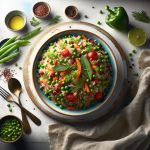
For a balanced and visually stunning plate, accompany this dish with vibrant quinoa salad tossed with crisp cucumber ribbons and cherry tomatoes dressed in a light lemon vinaigrette. A chilled avocado and mango salsa adds a fresh, creamy complement that contrasts beautifully with the umami-rich tuna. Garnish with toasted nori strips or a drizzle of wasabi-infused mayo for an added layer of intrigue. Complement this meal with an ice-cold sparkling water infused with mint and cucumber to refresh the palate.
| Nutrient | Per Serving |
|---|---|
| Calories | 280 kcal |
| Protein | 38 g |
| Carbohydrates | 4 g |
| Fat | 9 g |

For further inspiration on seafood preparation and flavor pairings, discover our detailed guide on Ultimate Guide to Seafood Cooking. To deepen your understanding of sustainable tuna sourcing and quality standards, explore the latest recommendations provided by the Marine Stewardship Council.
Q&A
Q&A: Savory Tuna Delights – Crafting the Perfect Ocean Dish
Q1: What makes tuna such a popular choice for savory dishes?
A1: Tuna’s popularity lies in its rich, meaty texture and bold flavor that can stand on its own or beautifully complement an array of herbs, spices, and sauces. Its firm flesh holds up well to various cooking methods – from searing and grilling to poaching – allowing culinary creativity to shine.
Q2: How do you select the freshest tuna for cooking?
A2: Fresh tuna should have a vibrant, deep-red or pink hue with a moist, slightly translucent surface. It smells like the ocean – clean and briny, but never fishy or sour. Opt for sushi-grade or sashimi-quality cuts if you’re preparing raw or lightly seared dishes.
Q3: What are some essential seasoning tips for enhancing tuna dishes?
A3: Simple seasonings like sea salt, freshly cracked black pepper, and citrus zest can elevate tuna’s natural flavors. Incorporate herbs such as dill, cilantro, or basil for freshness, and consider spices like smoked paprika or ginger to add warmth and complexity without overpowering the fish.
Q4: Which cooking techniques highlight tuna’s best qualities?
A4: Searing tuna briefly on high heat locks in its moisture and creates a caramelized crust while keeping the interior tender and rare. Grilling imparts a subtle smokiness perfect for outdoor dining, while poaching gently infuses the fish with delicate flavors. Raw preparations like tartare or poke showcase its silky texture and clean taste.
Q5: Can tuna be combined with plant-based ingredients for a balanced ocean dish?
A5: Absolutely! Tuna pairs wonderfully with fresh vegetables, creamy avocados, tangy citrus segments, and crunchy nuts or seeds. Seaweed, pickled ginger, and soy-based sauces add umami depth, while grains like quinoa or wild rice provide hearty balance.
Q6: What are some creative twists on classic tuna recipes?
A6: Try a Mediterranean-inspired tuna salad tossed with olives, capers, cherry tomatoes, and lemon vinaigrette. Or craft an Asian-style poke bowl with marinated tuna cubes, edamame, mango, and a drizzle of sesame oil. For a comforting meal, a seared tuna steak atop a bed of garlic-sautéed spinach and roasted sweet potatoes offers bold flavors and nourishment.
Q7: How do you avoid overcooking tuna, which can result in dryness?
A7: Tuna is best enjoyed medium-rare to medium. Cook it quickly over high heat and monitor closely-usually less than two minutes per side for steaks. Remove it from heat just before your desired doneness, as residual heat continues cooking briefly. Resting the fish for a few minutes preserves juiciness.
Q8: What are some health benefits of incorporating tuna into your diet?
A8: Tuna is an excellent source of lean protein and omega-3 fatty acids, which support heart and brain health. It’s rich in vitamins B12 and D, as well as minerals like selenium and potassium. Including tuna in meals can enhance nutrition without adding excessive calories.
Q9: Are there sustainable practices to consider when choosing tuna?
A9: Definitely. Look for certified sustainable options like those labeled by the Marine Stewardship Council (MSC) or fish caught with methods that minimize bycatch and habitat impact. Supporting sustainable fishing helps ensure ocean health and the future availability of delicious tuna.
Q10: What final tips would you share for crafting the perfect savory tuna dish?
A10: Focus on quality ingredients and respect tuna’s natural flavor by balancing simplicity with bold accents. Embrace freshness in accompaniments, mind your cooking timing, and allow your creativity to explore international flavors. With these in mind, your ocean-inspired creation will be a memorable delight.
The Way Forward
As the final notes of the ocean’s symphony settle on your palate, crafting the perfect savory tuna dish emerges as both an art and a celebration of nature’s bounty. From the delicate balance of spices to the freshest catch, each element plays a vital role in transforming humble tuna into a culinary masterpiece. Whether you savor it seared, cured, or tossed in a vibrant salad, the savory tuna delight invites you to explore endless flavors anchored by tradition and innovation alike. So, dive in with confidence and creativity-your perfect ocean dish awaits beneath the waves of possibility.