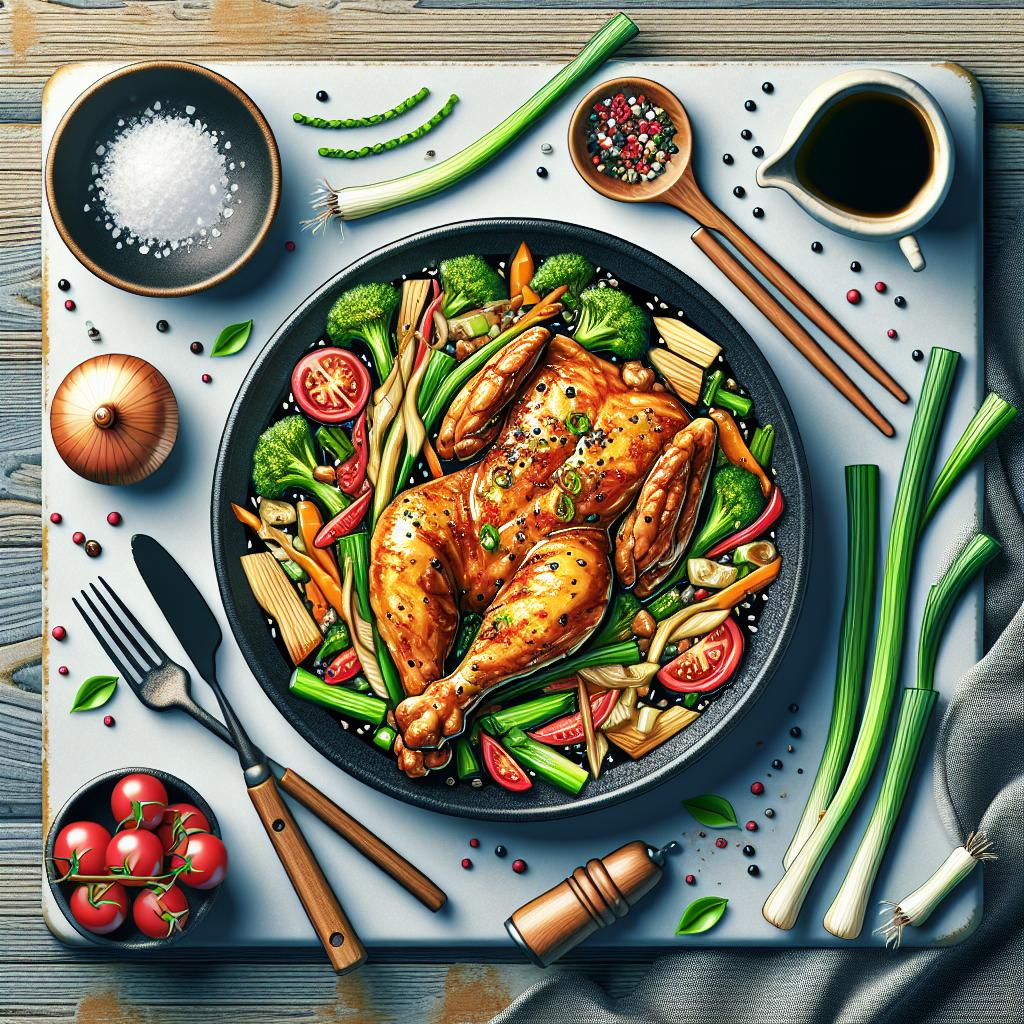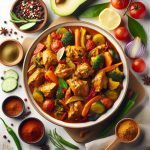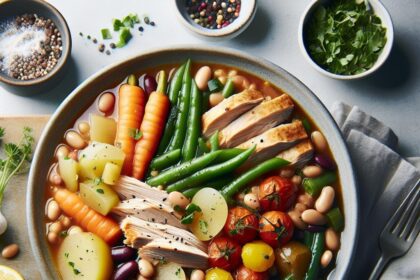

In the vast landscape of culinary traditions, some dishes stand out not merely for their taste but for the stories they tell. Ginger scallion chicken is one such classic-a harmonious blend of fragrant ginger and vibrant scallions, tender chicken, and subtle seasonings that has warmed countless tables. Yet, like all timeless recipes, it invites reinvention. In this article, we explore how this beloved dish is being reimagined with fresh techniques and unexpected ingredients, breathing new life into an old favorite while honoring its rich heritage. Join us on a flavorful journey where tradition meets innovation, and every bite tells a delicious story.
Ginger Scallion Chicken Origins and Cultural Significance
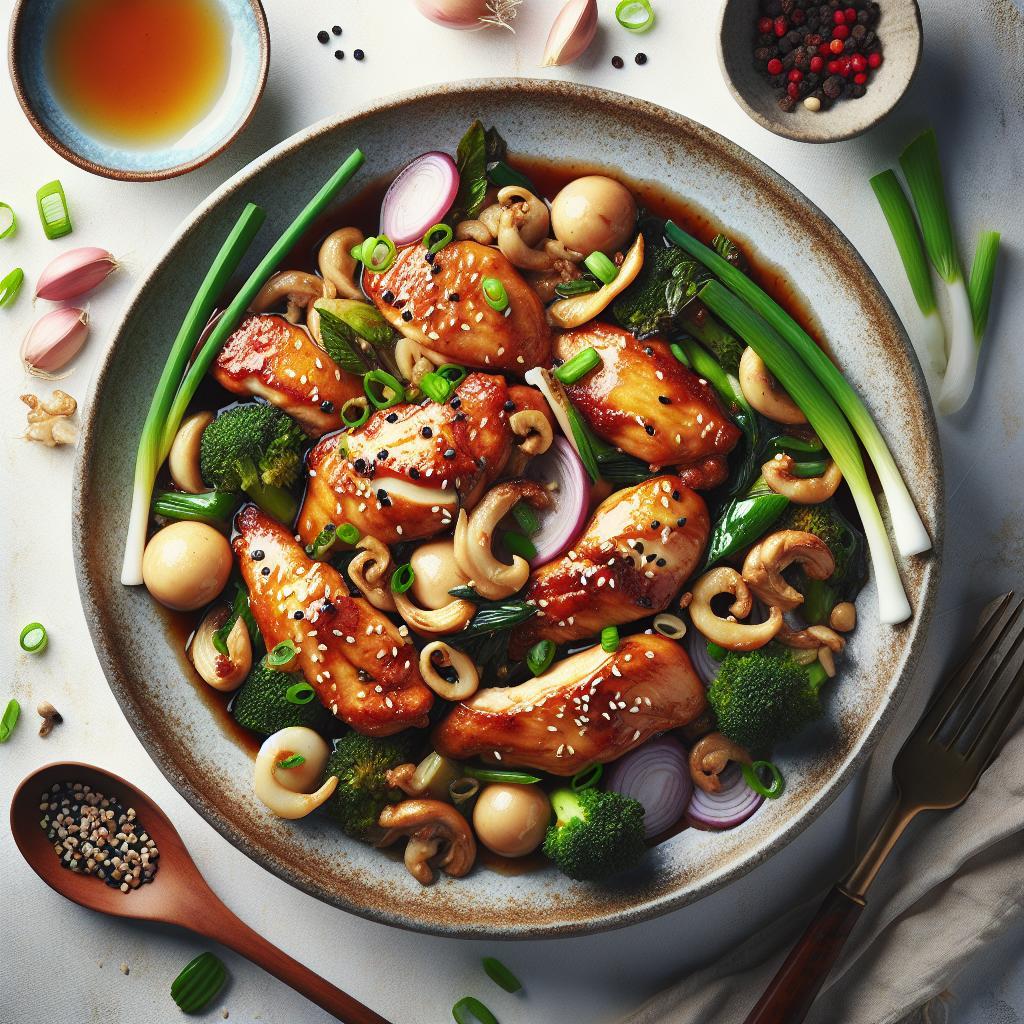
Ginger Scallion Chicken is a beloved staple in many Asian households, celebrated for its perfect harmony of aromatic ginger and fresh scallions that infuse tender chicken with irresistible flavor. Rooted in Chinese cuisine, this dish reflects centuries of culinary tradition, where simple ingredients combine to create a dish that’s both comforting and vibrant. It’s a testament to how the right balance of seasonings can elevate humble ingredients into something truly memorable. My first encounter with this classic was at a family dinner, where its lively fragrance and succulent texture turned it into an instant favorite. This recipe brings that same authentic magic to your kitchen, inviting you to explore its rich heritage and vibrant tastes.
Prep and Cook Time
- Preparation: 15 minutes
- Cooking: 20 minutes
- Total Time: 35 minutes
Yield
Makes 4 generous servings
Difficulty Level
Easy – Perfect for weeknight meals or special occasions
Ingredients
- 4 boneless, skinless chicken thighs, trimmed
- 3 tablespoons vegetable oil (or any neutral oil)
- 1/4 cup fresh ginger, finely julienned
- 1/2 cup scallions, thinly sliced (white and green parts separated)
- 1 tablespoon soy sauce (low sodium preferred)
- 1 tablespoon sesame oil
- 1 teaspoon sugar
- Salt and freshly ground black pepper, to taste
- 1/2 cup chicken broth (preferably homemade or low sodium)
- 1 teaspoon cornstarch mixed with 2 teaspoons water (optional, for sauce thickening)
Step by Step Guide to Achieving Perfectly Tender Chicken
- Prepare the chicken: Pat the chicken thighs dry with paper towels to ensure even browning. Lightly season both sides with salt and pepper.
- Heat the oil: In a large skillet or wok, warm 2 tablespoons of vegetable oil over medium-high heat until shimmering but not smoking.
- Sear the chicken: Place the chicken thighs skin-side down (if skin-on) and cook undisturbed for 5-6 minutes until golden brown and caramelized. Flip and cook another 4-5 minutes until cooked through and tender. Remove and set aside on a warm plate.
- Build the aromatic base: In the same pan, add the remaining 1 tablespoon of vegetable oil. Toss in the finely julienned ginger and the white parts of the scallions. Sauté until fragrant and just starting to turn golden, about 2 minutes, stirring frequently to prevent burning.
- Create the sauce: Pour in the chicken broth, soy sauce, sesame oil, and sugar. Stir to combine and bring to a gentle simmer. If you prefer a thicker sauce, mix the cornstarch slurry in now and stir until slightly thickened, about 1 minute.
- Return chicken to pan: Nestle the seared chicken back into the sauce. Spoon sauce over the pieces and allow everything to simmer together for 3-4 minutes, letting the chicken absorb the aromatic flavors and stay juicy.
- Finish with scallion greens: Sprinkle the green parts of the scallions on top just before serving for freshness and vibrant color.
Chef’s Notes and Tips for Success
- Choosing the chicken: Thighs provide the best tenderness and richness, but boneless breast can be used for a leaner option-just watch cooking times closely to prevent drying out.
- Ginger preparation: Julienne ginger finely to maximize flavor release without overpowering the dish with large fibrous bites.
- Balancing saltiness: Adjust soy sauce to your preference and consider a splash of fish sauce for umami depth.
- Make-ahead tip: Prepare the ginger-scallion sauce in advance and simply reheat with freshly cooked chicken for quick meals.
- Vegan version: Substitute chicken with firm tofu or seitan and use vegetable broth instead of chicken broth. Maintain all other flavor elements for authenticity.
Creative Twists and Serving Suggestions to Elevate Your Dish
For a modern spin, serve this Ginger Scallion Chicken over a bed of fragrant jasmine or sticky rice, garnished with toasted sesame seeds and a handful of fresh cilantro leaves. Pairing it with crisp stir-fried greens like bok choy or snap peas adds delightful texture contrast.
Alternatively, wrap tender chicken pieces and aromatic scallions in soft steamed buns for an irresistible handheld treat that’s perfect for entertaining. A drizzle of chili oil or a squeeze of fresh lime can brighten the dish further, catering to bold flavor enthusiasts.
| Nutrient | Per Serving |
|---|---|
| Calories | 320 kcal |
| Protein | 30 g |
| Carbohydrates | 6 g |
| Fat | 18 g |
Discover more tips on selecting quality chicken to enhance your cooking experience.
For an in-depth understanding of the vital role ginger plays in traditional Asian cooking, visit Serious Eats, a trusted culinary resource.

Q&A
Q&A: Ginger Scallion Chicken – A Flavorful Classic Reimagined
Q1: What makes ginger scallion chicken a timeless dish?
A1: Ginger scallion chicken is beloved for its vibrant balance of bold, fresh flavors. The sharp warmth of ginger pairs with the crisp, aromatic bite of scallions, creating a simple yet deeply satisfying profile that highlights the natural juiciness of tender chicken. Its versatility and ease of preparation have kept it a kitchen staple across generations.
Q2: How has the classic ginger scallion chicken been reimagined in modern cuisine?
A2: Modern takes on ginger scallion chicken often incorporate creative twists such as incorporating citrus zest for brightness, adding textured vegetables for contrast, or using different cooking techniques like slow roasting or air frying to deepen flavor and retain juiciness. Some chefs also experiment with alternative proteins or plant-based options to expand the dish’s appeal while honoring its core taste.
Q3: What are the essential ingredients that define ginger scallion chicken?
A3: The heart of the dish lies in fresh ginger, scallions, chicken (typically thighs for richness), soy sauce, and a hint of sesame oil. These ingredients work harmoniously, with ginger providing zest and warmth, scallions contributing sharpness and color, soy sauce adding umami depth, and sesame oil rounding it all off with a subtle nuttiness.
Q4: Can ginger scallion chicken be adapted for different dietary preferences?
A4: Absolutely! The dish is naturally gluten-free if tamari or a gluten-free soy sauce is used. It can be made dairy-free by sticking to the traditional ingredients. For those seeking plant-based variations, tofu or seitan can be marinated and cooked with the ginger scallion sauce to mimic the flavor profile while catering to vegetarian and vegan diets.
Q5: What cooking methods best enhance the flavors of ginger scallion chicken?
A5: Stir-frying, pan-searing, and steaming are popular methods. Stir-frying allows for quick cooking with a slight char, boosting flavor complexity; pan-searing locks in juices and caramelizes the skin; steaming yields tender, succulent meat that absorbs the ginger scallion sauce beautifully. Combining these techniques creates layers of texture and aroma.
Q6: How can home cooks elevate the ginger scallion sauce for a restaurant-quality experience?
A6: Using freshly grated ginger and thinly sliced scallions is key. Letting the ginger and scallions marinate in hot oil briefly releases essential oils and amp up flavor. Adding a dash of freshly cracked black pepper, a squeeze of lime, or a sprinkle of toasted sesame seeds can add bright, textural pops. Serving the sauce slightly warm or at room temperature ensures the aromas bloom right before eating.
Q7: What sides complement ginger scallion chicken for a well-rounded meal?
A7: Light, steamed jasmine or brown rice absorbs the saucy goodness perfectly. Crisp, stir-fried greens like bok choy or snap peas offer refreshing crunch. Pickled vegetables or a cucumber salad balance the savory richness with bright acidity. Together, these sides create a harmonious mix of textures and flavors that make every bite exciting.
Q8: Why is ginger scallion chicken a great dish for experimenting with new culinary ideas?
A8: Its simple, adaptable foundation encourages culinary creativity without losing its identity. Whether playing with spice levels, integrating new herbs, or introducing global influences, ginger scallion chicken welcomes innovation. This flexibility makes it an excellent canvas for cooks to express personal style while celebrating a beloved classic.
To Conclude
In the world of culinary classics, Ginger Scallion Chicken stands out as a vibrant symphony of simple ingredients harmonizing into something truly extraordinary. By reimagining this beloved dish, home cooks and chefs alike can celebrate tradition while embracing innovation-infusing each bite with fresh layers of flavor and texture. Whether served on a weeknight or showcased at a festive gathering, this revitalized recipe invites you to rediscover a timeless favorite and savor every fragrant, tender morsel. Ultimately, Ginger Scallion Chicken is more than a dish; it’s a delicious bridge connecting past and present, inspiring creativity in every kitchen.