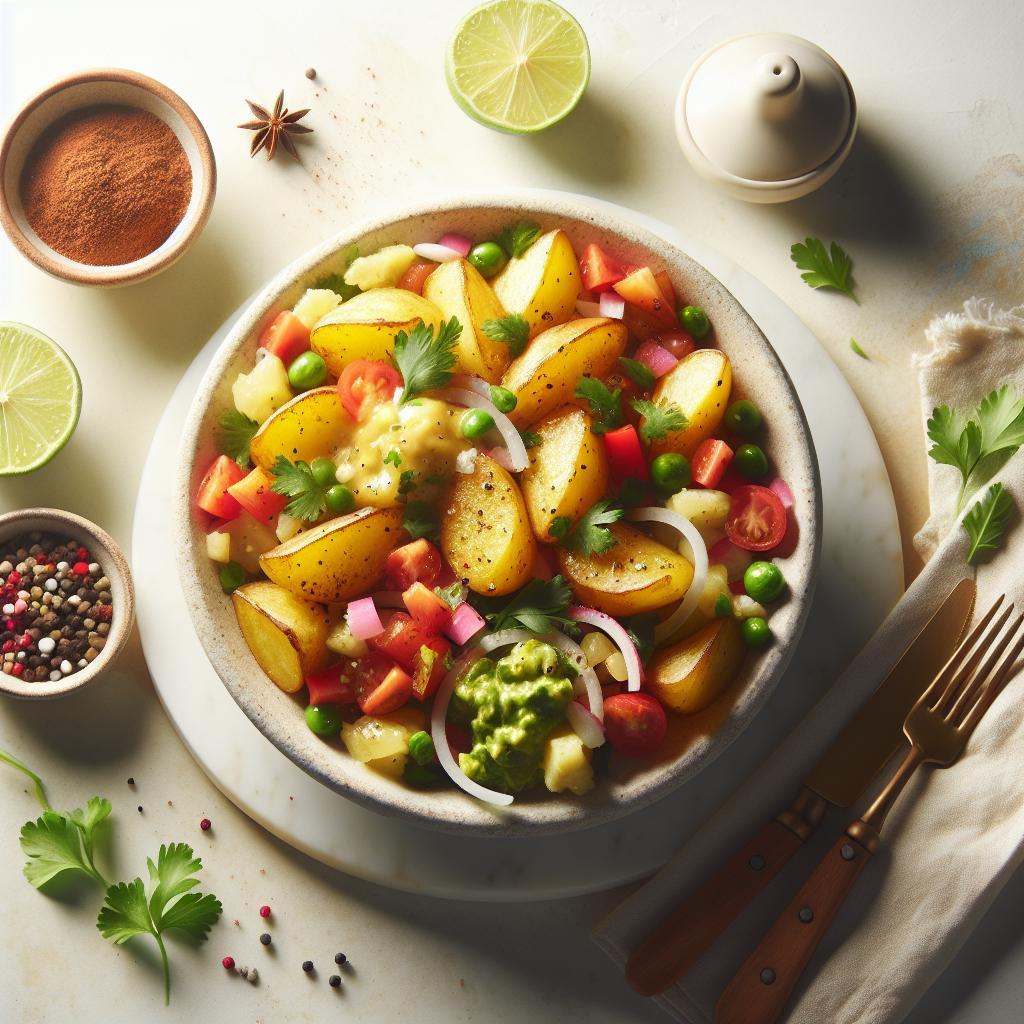

Beneath the vibrant tapestry of Mexican cuisine, where bold spices and colorful ingredients often steal the spotlight, lies a humble treasure waiting to be uncovered-the Mexican potato. This unassuming tuber has quietly nourished generations and carried stories of tradition, resilience, and flavor through Mexico’s diverse regions. Join us on a flavorful journey as we peel back the layers of history, culture, and taste to discover why the Mexican potato is a hidden culinary gem deserving of attention in kitchens and on menus around the world.
Discovering the Mexican Potato: A Hidden Culinary Gem
Discovering the Mexican potato unveils a treasure trove of flavor and cultural heritage deeply woven into Mexico’s culinary tapestry. Celebrated by indigenous communities for centuries, this unique tuber offers a distinct texture and earthy sweetness that elevates traditional and contemporary dishes alike. From its rustic roots in mountain villages to modern kitchens, the Mexican potato invites food enthusiasts to explore vibrant flavors and versatile cooking techniques that spotlight its true potential.
Prep and Cook Time
Preparation: 15 minutes
Cooking: 25 minutes
Total Time: 40 minutes
Yield
Serves 4 generous portions
Difficulty Level
Medium – perfect for adventurous home cooks ready to dive into traditional Mexican ingredients with ease.
Ingredients
- 4 medium Mexican potatoes, washed and quartered
- 2 tablespoons olive oil
- 1 small white onion, finely diced
- 2 cloves garlic, minced
- 1 teaspoon smoked paprika
- 1 teaspoon ground cumin
- 1 small jalapeño, seeded and thinly sliced (optional)
- Salt and freshly ground black pepper, to taste
- Fresh cilantro, chopped for garnish
- 1/2 cup crumbled queso fresco (or mild feta cheese)
- Juice of 1 lime
Instructions
- Boil the potatoes: Place the quartered Mexican potatoes in a large pot with salted water. Bring to a boil and cook until tender but firm, about 10-12 minutes. Drain and set aside.
- Sauté aromatics: Heat olive oil over medium heat in a wide skillet. Add diced onions and cook until soft and translucent, around 5 minutes. Stir in garlic and cook for an additional minute until fragrant.
- Add spices and potatoes: Sprinkle smoked paprika and cumin over the aromatics, stirring to combine. Add the cooked potatoes and gently toss to coat evenly. Sauté until golden edges form, about 8 minutes, turning occasionally to avoid sticking.
- Incorporate heat: If using jalapeño, add slices now and sauté briefly to infuse the dish with a subtle kick.
- Season and finish: Adjust seasoning with salt and black pepper. Remove from heat, and stir in fresh lime juice for a bright, zesty finish.
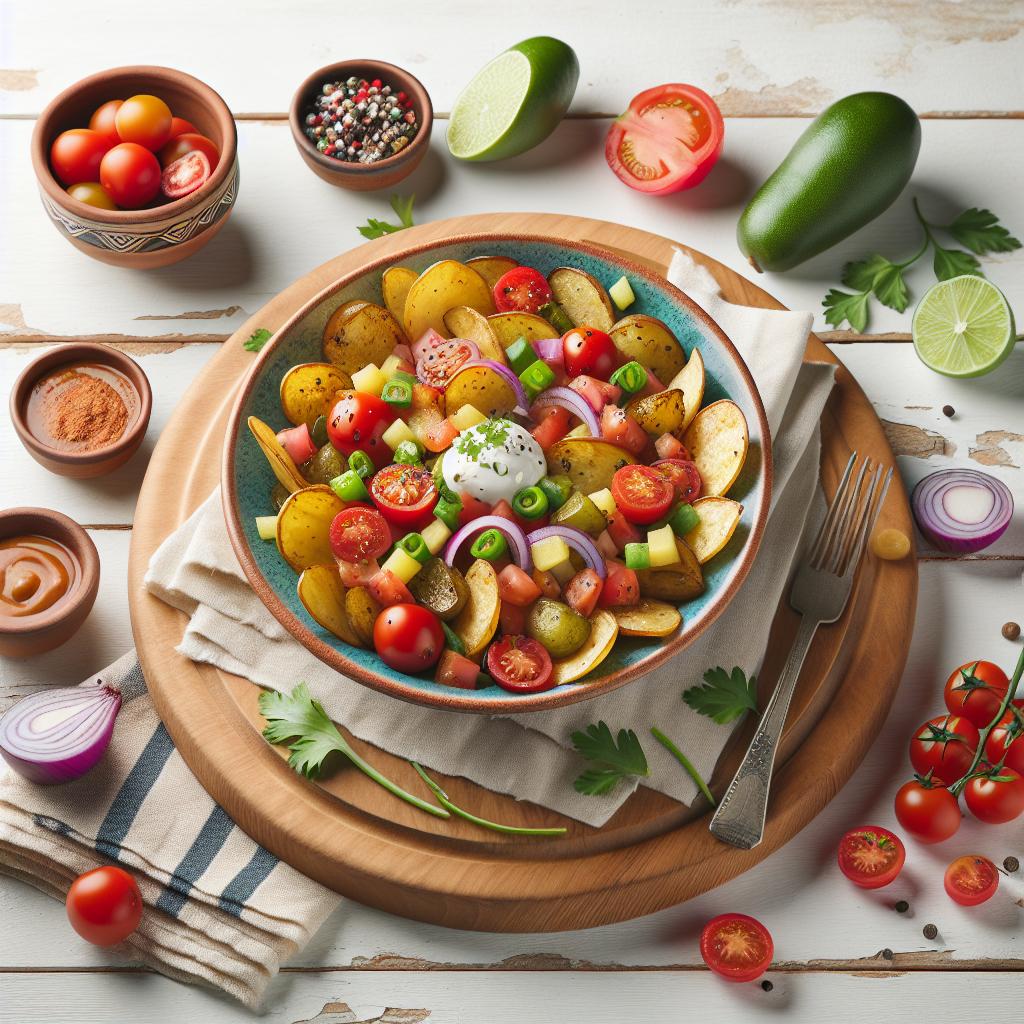
- Plate and garnish: Transfer to serving plates and sprinkle crumbled queso fresco and chopped cilantro over the top for a pop of color and creamy contrast.
Tips for Success
- Choose firm, medium-sized Mexican potatoes with smooth skin for the best texture.
- For a smoky depth, try adding a pinch of chipotle powder in place of smoked paprika.
- Substitute queso fresco with vegan cheese for a dairy-free option while maintaining creaminess.
- Make ahead tip: parboil and store potatoes in the fridge for up to 24 hours to save time when ready to cook.
- Avoid boiling too long-overcooked potatoes become mushy and lose their distinctive bite.
Serving Suggestions
This dish shines beautifully alongside grilled vegetables or charred corn for a true Mexican feast. Garnish with sliced avocado and a dollop of fresh guacamole for added richness. Serve with warm corn tortillas to scoop and savor the vibrant flavors.
For an elevated presentation, drizzle with a homemade chili-lime crema or sprinkle with toasted pumpkin seeds for crunch. Pair with a side of fresh pico de gallo to balance the smoky warmth with brightness.
| Nutrient | Per Serving |
|---|---|
| Calories | 210 |
| Protein | 5g |
| Carbohydrates | 35g |
| Fat | 6g |

Embrace the rich history and bold tastes by exploring more Mexican-inspired root vegetables in our Mexican Roots Explored series. For thorough insights into the nutritional benefits of indigenous tubers like the Mexican potato, visit USDA’s nutritional database.
Q&A
Q&A: Discovering the Mexican Potato: A Hidden Culinary Gem
Q1: What exactly is the Mexican potato, and how does it differ from the common potato?
A1: The Mexican potato, also known as oca or oca de México, is a tuber native to the highlands of Mexico. Unlike the common white or russet potato, this vibrant root boasts a unique texture-firm yet tender-and a subtly sweet, nutty flavor. Its colorful skin and flesh range from shades of pink and orange to creamy white, making it a visually striking and versatile ingredient in the kitchen.
Q2: Where in Mexico is the Mexican potato traditionally grown?
A2: The Mexican potato thrives in the mountainous regions of central and southern Mexico, particularly in states like Puebla and Veracruz. These high-altitude areas provide the perfect cool climate and rich volcanic soil that the plant needs to develop its characteristic flavor and robust texture.
Q3: How is the Mexican potato typically prepared in traditional cuisine?
A3: In traditional Mexican kitchens, the Mexican potato is often roasted or boiled to bring out its natural sweetness. It’s also mashed or sliced thinly and fried for a delightful twist on classic potato chips. Because of its tender texture, it’s a popular choice in soups and stews, where it absorbs accompanying spices and herbs beautifully.
Q4: Can the Mexican potato be used in modern cooking and fusion dishes?
A4: Absolutely! The Mexican potato’s adaptable flavor profile shines in contemporary culinary creations. Chefs love incorporating it into salads, pairing it with fresh citrus and avocado; transforming it into creamy gratins with local cheeses; or using it as a base for vibrant vegetable tarts. Its colorful appearance also makes it a fantastic garnish or centerpiece on the plate.
Q5: Are there any nutritional benefits to eating the Mexican potato?
A5: Yes, the Mexican potato is a nutritious powerhouse. It’s rich in complex carbohydrates, fiber, and essential minerals such as potassium and iron. Being naturally low in fat and gluten-free, it’s a wholesome option for those seeking energy-sustaining, naturally delicious foods with a bit of regional flair.
Q6: Where can food enthusiasts find Mexican potatoes outside of Mexico?
A6: While not yet widely available in mainstream markets, adventurous food lovers can find Mexican potatoes at specialty Latin American grocery stores or farmers’ markets that focus on heirloom produce. Some online retailers also offer dried or fresh versions, making it easier than ever to explore this culinary treasure from afar.
Q7: What tips would you give to someone cooking with Mexican potatoes for the first time?
A7: Start simple-try roasting them with a drizzle of olive oil, a sprinkle of sea salt, and fresh herbs like oregano or epazote to appreciate their natural flavor. Avoid overcooking, as they maintain their best texture when tender but not mushy. Experiment with texture contrasts by pairing them alongside crunchy fresh veggies or silky sauces.
Q8: Why should food enthusiasts embrace the Mexican potato in their cooking repertoire?
A8: Beyond its delightful taste and vibrant look, the Mexican potato is a bridge to Mexico’s rich agricultural heritage and biodiversity. Incorporating it into your meals is a way to celebrate tradition, support sustainable farming practices, and enjoy a fresh twist on a beloved staple-inviting you to rediscover potato magic through a new lens.
Insights and Conclusions
As we peel back the layers of the Mexican potato’s story, it becomes clear that this humble tuber is far more than just a root vegetable-it’s a vibrant thread woven into the rich tapestry of Mexico’s culinary heritage. From ancient fields to modern kitchens, the Mexican potato invites chefs and food lovers alike to rediscover flavors that have quietly shaped dishes for generations. So, next time you seek a culinary adventure, let the Mexican potato guide your taste buds on a journey of tradition, resilience, and unforgettable taste-proving that sometimes, the most extraordinary gems are hidden right beneath our feet.