
Beans Unveiled: A Flavorful Journey into Classic Bean Dishes
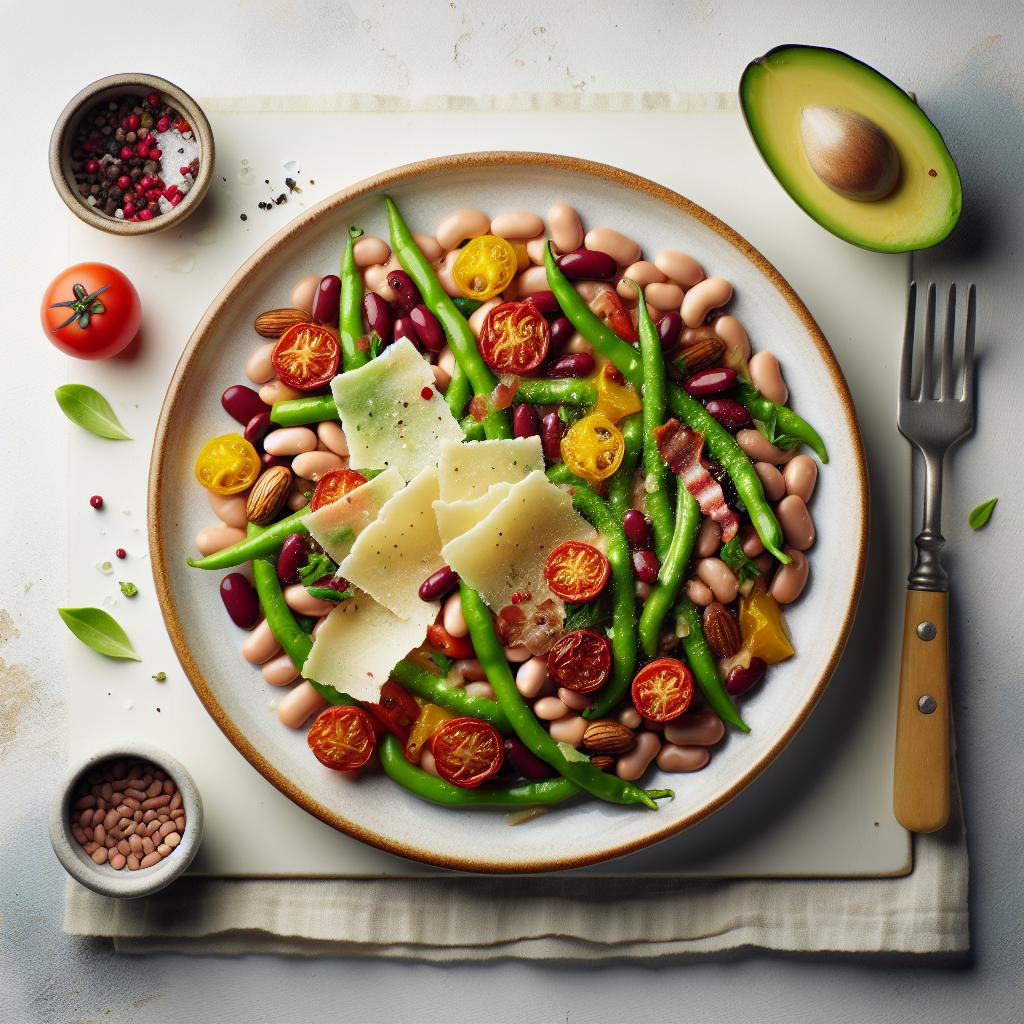
Few ingredients boast the timeless charm and versatile nature of beans. From humble pantry staples to star players in culinary traditions around the world, beans have quietly woven themselves into the fabric of countless beloved dishes. Join us as we embark on a flavorful journey, unveiling the rich history, diverse varieties, and iconic recipes that celebrate beans in all their glory. Whether simmered in fragrant stews, tossed in vibrant salads, or mashed into creamy spreads, these wholesome legumes offer more than just nutrition-they tell stories of culture, comfort, and creativity. Welcome to a tribute that honors beans not just as ingredients, but as culinary treasures waiting to be discovered.
Diving into Flavor Profiles and Cooking Techniques for Perfect Beans
Beans Unveiled invites you to discover the incredible depth found in humble beans, a culinary cornerstone cherished worldwide. From creamy white cannellini to earthy black beans, each variety boasts unique flavor notes-from subtly sweet and nutty to deeply smoky and robust. Mastering bean-cooking techniques unlocks their true potential, transforming simple legumes into velvety stews, crisp salads, or hearty mains bursting with character.
Slow soaking and simmering coax out the creamy texture and earthy flavor inherent to dried beans, while methods like pressure cooking offer time-saving magic without sacrificing taste. Pairing beans with aromatics such as garlic, bay leaves, and smoked paprika heightens their natural qualities and crafts complex, soulful dishes. Whether soaking overnight or embracing quick-soak hacks, your beans will always come out tender and perfectly cooked.
Prep and Cook Time
- Prep Time: 12 hours (including soaking)
- Active Cook Time: 1 hour 15 minutes
- Total Time: 13 hours 15 minutes
Yield
4 hearty servings
Difficulty Level
Medium
Ingredients
- 1 cup dried black beans, rinsed and soaked overnight
- 3 cups filtered water
- 1 medium yellow onion, finely chopped
- 3 cloves garlic, minced
- 1 teaspoon smoked paprika
- 1 bay leaf
- 1 teaspoon ground cumin
- Salt, to taste
- 2 tablespoons extra virgin olive oil
- Fresh cilantro for garnish
- 1 lime, cut into wedges
Instructions
- Soak your beans overnight in cold water, covering them by at least 2 inches. This hydrates the beans and reduces cooking time.
- Drain and rinse the soaked beans thoroughly before cooking.
- In a large pot, heat olive oil over medium heat. Add the chopped onion and sauté until translucent, about 5 minutes.
- Stir in garlic, smoked paprika, and ground cumin and cook for another minute until fragrant, careful not to burn the spices.
- Add soaked beans, bay leaf, and 3 cups of water to the pot. Bring to a gentle boil, then reduce the heat to low and simmer uncovered.
- Cook beans low and slow for about 1 hour, stirring occasionally to avoid sticking. Add more water as needed to keep beans submerged.
- Check for tenderness: Beans should be creamy inside but hold their shape. Add salt during the last 10 minutes of cooking to enhance flavor without toughening them.
- Remove bay leaf and discard.
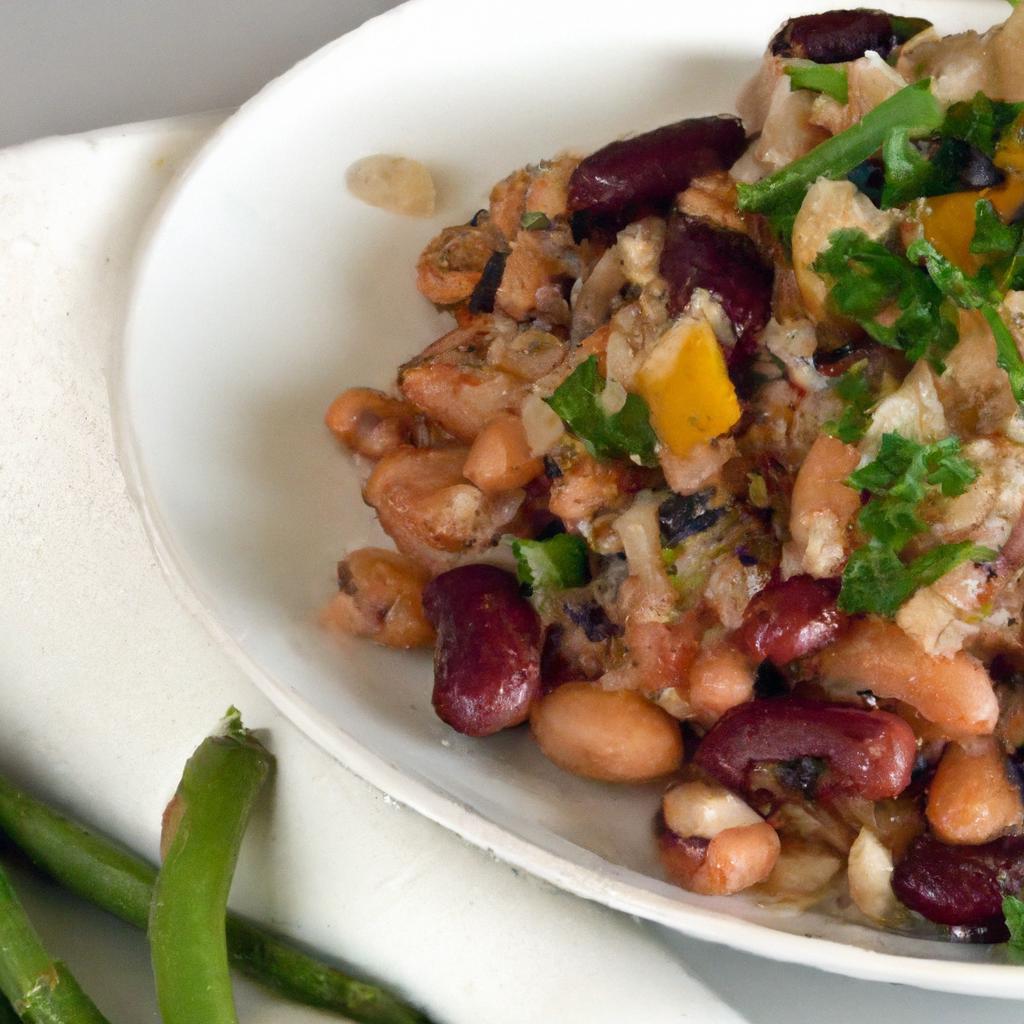
- Serve the beans hot, garnished with freshly chopped cilantro and a squeeze of lime juice for brightness.
Tips for Success
- Soaking beans: If short on time, use a quick soak by boiling beans for 2 minutes, removing from heat, and letting them soak for 1 hour before cooking.
- Flavor layering: Experiment with bay leaves, thyme, or chili flakes to tailor the flavor profile to your dish.
- Texture control: To create creamier beans, mash a few at the end of cooking and stir back in.
- Storage: Refrigerate leftover beans in their cooking liquid for up to 4 days or freeze for up to 3 months.
- Ingredient substitutions: Replace smoked paprika with chipotle powder for a smoky heat, or try different bean varieties like navy or kidney beans using the same cooking method.
Serving Suggestions
Serve these versatile beans atop saffron rice or creamy polenta for a comforting meal. They shine as a side with grilled vegetables or folded into warm tortillas with avocado and fresh salsa for a vibrant vegan taco. Garnish with a sprinkle of crumbled feta or dollops of cooling yogurt to contrast the smoky, earthy flavors. For an elegant twist, add a drizzle of chili oil and toasted pumpkin seeds for crunch. The fresh lime juice adds a lively brightness that perfectly balances the richness of the beans.
| Nutrient | Per Serving |
|---|---|
| Calories | 240 |
| Protein | 15g |
| Carbohydrates | 38g |
| Fat | 5g |

For more on innovative bean recipes, explore our article on Seasonal Legume Recipes. You can also learn about the global cultural significance of legumes at the Encyclopaedia Britannica.
Q&A
Q&A: Beans Unveiled: A Flavorful Journey into Classic Bean Dishes
Q1: What makes beans such a beloved ingredient across global cuisines?
A1: Beans are nature’s little powerhouses-packed with protein, fiber, and rich flavors that absorb seasonings beautifully. Their versatility allows them to adapt from hearty stews to fresh salads, making them a staple across cultures and centuries. Plus, their earthy taste brings hearty warmth to any dish.
Q2: How do different types of beans influence the flavor and texture of classic dishes?
A2: Each bean variety carries its own personality. Black beans bring a creamy texture with a subtle sweetness, great for Southwestern or Caribbean recipes. Kidney beans offer a firmer bite and a robust flavor, perfect for chili-style dishes. Chickpeas add nuttiness and a slightly grainy texture, lending themselves to Mediterranean and Middle Eastern delights. This spectrum shapes the character and complexity of each dish.
Q3: What are some traditional bean dishes from around the world that showcase beans’ versatility?
A3: Across continents, beans star in iconic dishes like the smoky Brazilian feijoada (vegetarian versions abound), the vibrant Indian rajma curry, the comforting French cassoulet (vegetarian or chicken-based), and the Middle Eastern hummus, where chickpeas are transformed into creamy dips. Each dish not only highlights beans but also tells a story of cultural flavors and cooking traditions.
Q4: How can one enhance the flavor of beans when cooking at home?
A4: Beans truly shine when paired with aromatic spices, herbs, and slow cooking. Toasting cumin, coriander, or smoked paprika before adding beans can intensify flavor layers. Fresh herbs like cilantro or parsley add brightness. Cooking beans slowly allows them to fully absorb the seasonings, resulting in a rich and harmonious dish.
Q5: Are canned beans a good alternative to dried beans in these recipes?
A5: Absolutely! Canned beans offer convenience without sacrificing much taste or texture, especially when rinsed and used thoughtfully. They’re perfect for quick weekday meals or as a base for bean salads and dips. However, dried beans often deliver deeper flavor and a fresher texture when properly soaked and cooked.
Q6: What are some creative ways to incorporate beans into everyday meals beyond the classics?
A6: Think beyond stews and salads-beans can be mashed into spreads for sandwiches, blended into creamy soups, or even used as a base for veggie burgers. Roasted beans make crunchy, protein-packed snacks, and pureed beans work beautifully as a secret thickener in baked goods or sauces, adding richness and nutrition.
Q7: How important is soaking beans before cooking, and what methods can one use?
A7: Soaking beans helps reduce cooking time and improves digestibility by leaching out certain complex sugars. The traditional overnight soak in cool water is effective, but for a quicker method, bring beans to a boil for a few minutes, then let them soak for an hour. Always discard the soaking water before cooking to avoid any bitter taste.
Q8: Can beans be incorporated into vegetarian or vegan diets easily?
A8: Absolutely. Beans play a starring role in plant-based diets, providing essential protein, fiber, and numerous micronutrients. They offer a delicious, satisfying meat-free alternative in chili, stews, salads, and even comfort foods, making them invaluable for anyone embracing vegetarian or vegan lifestyles.
Q9: What tips do chefs recommend for making bean dishes richly flavorful without meat?
A9: Layering flavors is key-start with well-sautéed aromatics like onions, garlic, and bell peppers. Incorporate smoky elements such as smoked paprika or chipotle chilies, or add umami-rich ingredients like mushrooms, sun-dried tomatoes, or miso paste. Herbs and acidic notes, like a splash of lemon juice or vinegar at the end, brighten and round out the dish beautifully.
Q10: Why should home cooks embark on their own flavorful journey with beans?
A10: Beans invite exploration-a humble ingredient with infinite culinary possibilities. Cooking with beans encourages creativity, budget-friendly meals, and nourishing results. Embracing beans means celebrating tradition and innovation simultaneously, discovering flavors that comfort, inspire, and sustain. It’s a delicious journey worth every bite.
Insights and Conclusions
As we close the lid on this flavorful exploration, it’s clear that beans are much more than humble pantry staples-they are vibrant storytellers of culture, history, and taste. From the smoky depths of a classic chili to the creamy comfort of a cassoulet, each bean dish invites us to savor traditions passed down through generations while inspiring new culinary adventures. So next time you reach for that can or scoop from the bag, remember: you’re not just cooking beans-you’re unlocking a world of flavor waiting to be uncovered. Here’s to the timeless magic of beans, forever enriching our plates and palates alike.