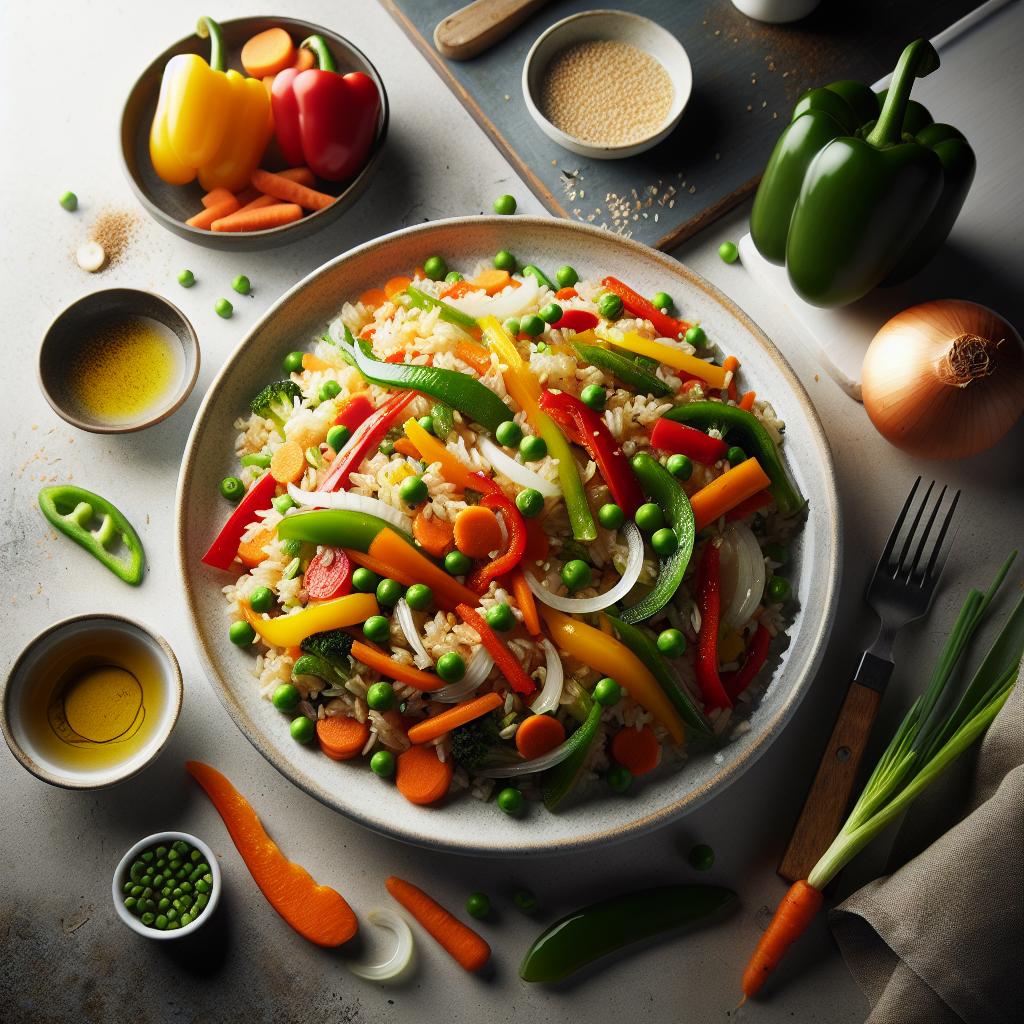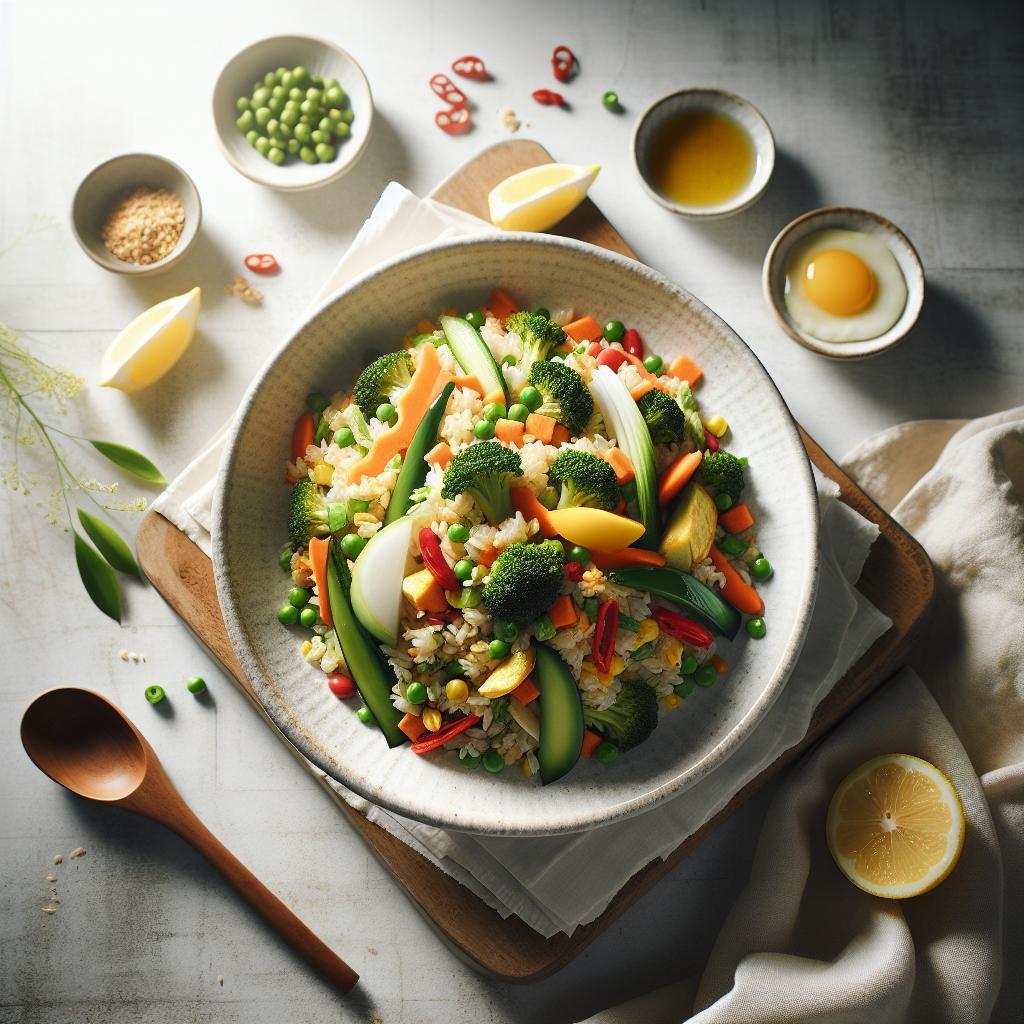

Vegetable fried rice, a vibrant symphony of colors, textures, and flavors, takes a beloved classic to new culinary heights. This dish transforms humble grains of rice and a medley of garden-fresh vegetables into a mouthwatering masterpiece that’s both comforting and exciting. Whether you’re a seasoned home cook or a kitchen novice, vegetable fried rice offers a versatile canvas for creativity, nutrition, and quick satisfaction. In this article, we’ll explore the origins, techniques, and delightful variations of this flavorful twist on a timeless favorite, inviting you to elevate your next meal with a burst of wholesome goodness.
Vegetable Fried Rice: A Flavorful Twist on a Classic Dish
Vegetable fried rice is a delightful canvas of colors, textures, and flavors that invites both beginners and seasoned cooks into the kitchen. Rooted in Asian culinary traditions, this dish transforms humble leftover rice and fresh vegetables into a vibrant, nourishing meal. Whether you’re craving a quick weeknight dinner or a family-friendly crowd-pleaser, mastering this recipe ensures perfectly fluffy grains paired with crisp veggies bursting with umami and a hint of aromatic sesame.
Prep and Cook Time
- Preparation: 15 minutes
- Cooking: 15 minutes
- Total: 30 minutes
Yield
Serves 4 generous portions
Difficulty Level
Easy to Medium – approachable for cooks of all skill levels
Ingredients
- 3 cups cooked jasmine rice, preferably day-old and chilled
- 2 tablespoons vegetable oil
- 1 cup diced carrots
- 1 cup chopped bell peppers (use a mix of red, yellow, and green)
- 1/2 cup finely chopped green onions
- 1/2 cup frozen peas, thawed
- 3 cloves garlic, minced
- 1-inch piece fresh ginger, grated
- 2 large eggs, lightly beaten
- 3 tablespoons soy sauce
- 1 tablespoon toasted sesame oil
- 1/2 teaspoon freshly ground black pepper
- 1/4 teaspoon crushed red pepper flakes (optional for a mild kick)
- Fresh cilantro or Thai basil, for garnish
- 1 tablespoon toasted sesame seeds, for garnish
Instructions
- Prepare Your Rice: Start with cold, day-old jasmine rice, which helps keep the grains separate and fluffy when cooked. If using freshly cooked rice, spread it in a single layer on a baking sheet and chill for at least 1 hour.
- Heat the Pan: Warm a large wok or heavy skillet over medium-high heat. Add 1 tablespoon of vegetable oil and swirl to coat the surface evenly.
- Sauté Aromatics and Veggies: Add minced garlic and grated ginger, sautéing until fragrant, about 30 seconds. Toss in diced carrots and bell peppers, stir-frying for 3-4 minutes until they begin to soften but retain crunch.
- Cook the Eggs: Push the vegetables to one side of the pan. Pour the beaten eggs into the empty side and scramble gently until just set. Combine eggs with the veggies.
- Add Rice and Peas: Increase heat to high, add the remaining tablespoon of vegetable oil, and then the chilled rice. Break up any clumps with your spatula. Fold in the thawed peas. Sauté everything for 4-5 minutes until the rice is heated through and starting to toast.
- Season Well: Drizzle soy sauce and toasted sesame oil evenly over the mixture. Sprinkle black pepper and crushed red pepper flakes, if using. Toss thoroughly to distribute all flavors.
- Finish with Green Onions: Stir in chopped green onions for freshness and a pop of vibrant green color. Remove immediately from heat to avoid overcooking the veggies.
- Plate and Garnish: Serve hot, garnished with fresh cilantro or Thai basil and toasted sesame seeds to add a nutty crunch and herbal brightness.
Tips for Success
- Rice selection: Jasmine rice is preferred for its fragrant aroma and fluffy texture, but basmati can also be a lovely alternative. Avoid short-grain rice that turns sticky.
- Prepping ahead: Cook rice a day prior and refrigerate to dry out the grains, critical for that perfect fluffy texture.
- Mix veggies freely: Use any available colorful vegetables like snap peas, baby corn, or mushrooms to build complexity.
- Egg-free option: Omit the eggs and add 1/4 cup diced firm tofu for a vegan-friendly protein boost.
- Master your heat: Cooking on high heat with constant stirring prevents sogginess and makes for that coveted slight toastiness.
- Storing leftovers: Cool completely and refrigerate in an airtight container for up to 3 days. Reheat in a hot pan to revive crispness.
Serving Suggestions
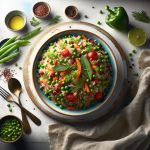
Presented in a rustic wooden bowl or traditional Chinese-style porcelain plate, this vegetable fried rice shines when paired with light Asian-inspired sides. Serve alongside simple steamed edamame sprinkled with sea salt or a crisp cucumber salad to balance warm and fresh textures. Garnish generously with fresh herbs and a wedge of lime to awaken the flavors. For a celebratory meal, stack with vegetable dumplings or crispy spring rolls. Each forkful combines the crunch of fresh vegetables, the tenderness of perfectly cooked rice, and bursts of savory goodness – a true harmony of flavor and texture.
| Nutrient | Per Serving |
|---|---|
| Calories | 320 kcal |
| Protein | 10 g |
| Carbohydrates | 45 g |
| Fat | 8 g |

For more inspiration on healthy and flavorful rice dishes, explore our collection of wholesome rice recipes. Discover the science behind perfectly cooked rice and rice varieties on Encyclopedia Britannica.
Q&A
Q&A: Vegetable Fried Rice – A Flavorful Twist on a Classic Dish
Q1: What makes vegetable fried rice different from traditional fried rice?
A1: While traditional fried rice often features meat or seafood, vegetable fried rice puts fresh, vibrant veggies center stage. It combines the comforting texture of stir-fried rice with a colorful medley of crunchy carrots, snap peas, bell peppers, and leafy greens, making it a wholesome and exciting twist on the classic.
Q2: Can I use any type of rice to make vegetable fried rice?
A2: Absolutely! Jasmine, basmati, or long-grain white rice work beautifully because they’re fluffy and separate well after cooking. For a heartier texture, try brown rice or even quinoa for a nutritious twist. The key is to use day-old rice or well-cooled freshly cooked rice to prevent clumping and ensure perfect stir-frying.
Q3: What are some essential ingredients for creating depth of flavor in vegetable fried rice?
A3: A splash of soy sauce or tamari brings that savory umami punch, while garlic and ginger provide aromatic zest. Toasted sesame oil adds a nutty fragrance, and a pinch of white pepper or chili flakes can introduce gentle heat. Don’t forget green onions and fresh herbs for a final burst of freshness.
Q4: How can I make vegetable fried rice gluten-free?
A4: Opt for tamari or coconut aminos instead of regular soy sauce, as many soy sauces contain gluten. Ensure all other sauces and seasonings are labeled gluten-free. Using gluten-free ingredients keeps the dish safe for those with sensitivities without sacrificing flavor.
Q5: What’s the best technique to get that perfect, restaurant-style fried rice texture?
A5: High heat and quick stirring are your best friends. Using a well-seasoned wok or a large skillet, cook the vegetables first until tender-crisp, then add the rice and seasonings. Toss everything rapidly so the rice grains separate and soak in the savory flavors, avoiding mushiness and achieving that coveted slightly toasted finish.
Q6: Are there creative vegetable combinations to try outside the usual carrots and peas?
A6: Definitely! Think beyond the basics with diced zucchini, baby corn, water chestnuts, shiitake mushrooms, or even roasted sweet potatoes. Seasonal veggies like asparagus tips, broccoli florets, or snap peas can add exciting textures and flavors, making every batch a unique culinary adventure.
Q7: Can vegetable fried rice be turned into a complete meal?
A7: Certainly! To boost protein content, add scrambled eggs, tofu cubes, or edamame. Nuts like cashews or peanuts contribute crunch and nutrients, while a sprinkle of toasted sesame seeds enhances flavor and presentation. Served alongside a crisp salad or miso soup, it transforms into a fulfilling, balanced meal.
Q8: How can I make vegetable fried rice kid-friendly?
A8: Keep flavors mild by reducing spicy elements and finely chopping or grating vegetables for easy eating. A touch of sweetness from corn or peas often appeals to kids. Getting little ones involved with adding ingredients or stirring can make mealtime fun and encourage them to enjoy their veggies.
Q9: Is vegetable fried rice suitable for meal prepping?
A9: Absolutely! It reheats well and often tastes even better the next day as the flavors meld. Store in airtight containers and reheat in a hot skillet or microwave, adding a dash of soy sauce or a splash of water to revive moisture. It’s a convenient, tasty option for busy days.
Q10: What cultural influences have shaped vegetable fried rice’s popularity?
A10: Rooted in Chinese culinary tradition, vegetable fried rice represents resourcefulness-transforming leftover rice and veggies into a savory dish. As it traveled across Asia and beyond, each culture added its signature elements, embracing local produce and flavors, which explains its diverse and beloved variations worldwide today.
The Way Forward
In the ever-evolving world of culinary delights, vegetable fried rice stands out as a vibrant testament to the magic that happens when simplicity meets creativity. This flavorful twist on a classic dish not only captivates the palate but also embraces the joyous harmony of fresh ingredients and bold seasonings. Whether enjoyed as a hearty main or a colorful side, vegetable fried rice invites you to explore endless variations and savor the satisfying blend of textures and tastes. So next time you crave a dish that’s both nourishing and delicious, remember that a humble wok and a garden’s bounty can transform everyday rice into an unforgettable feast.