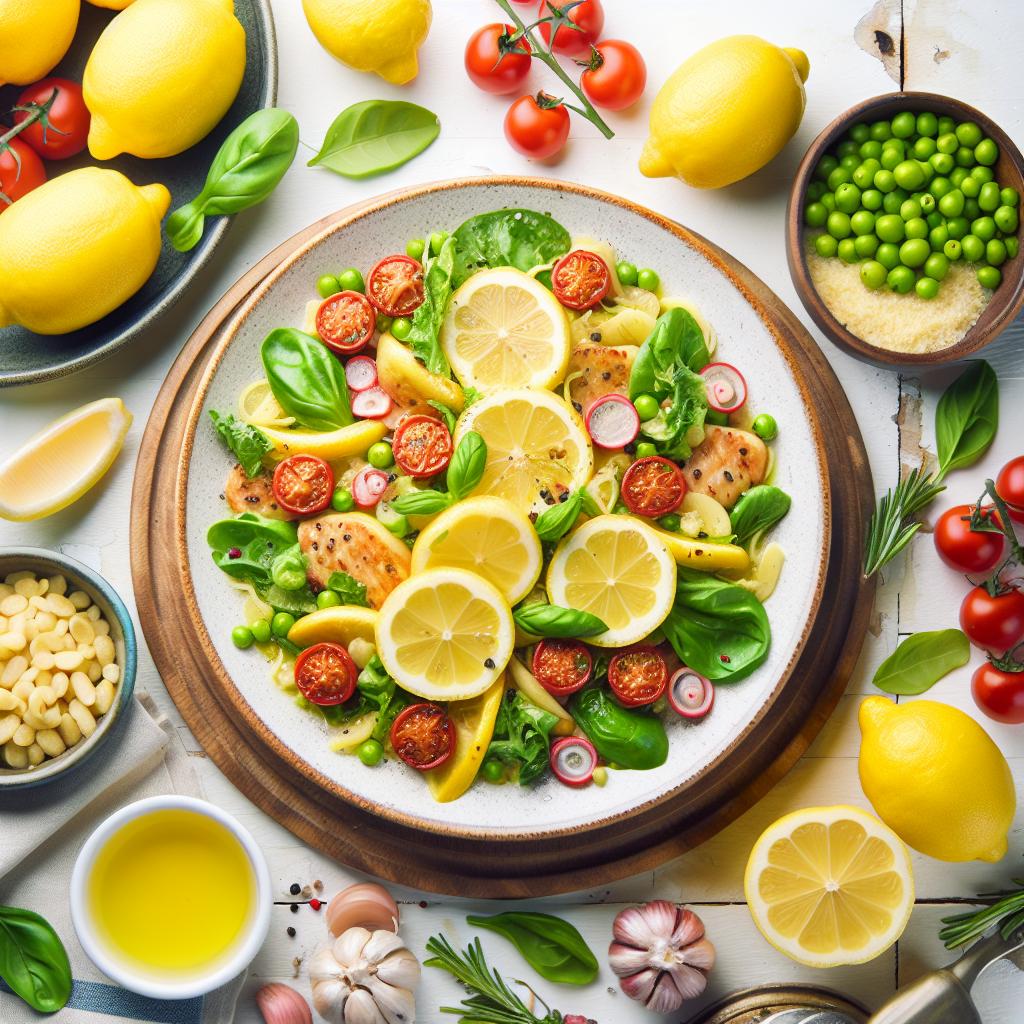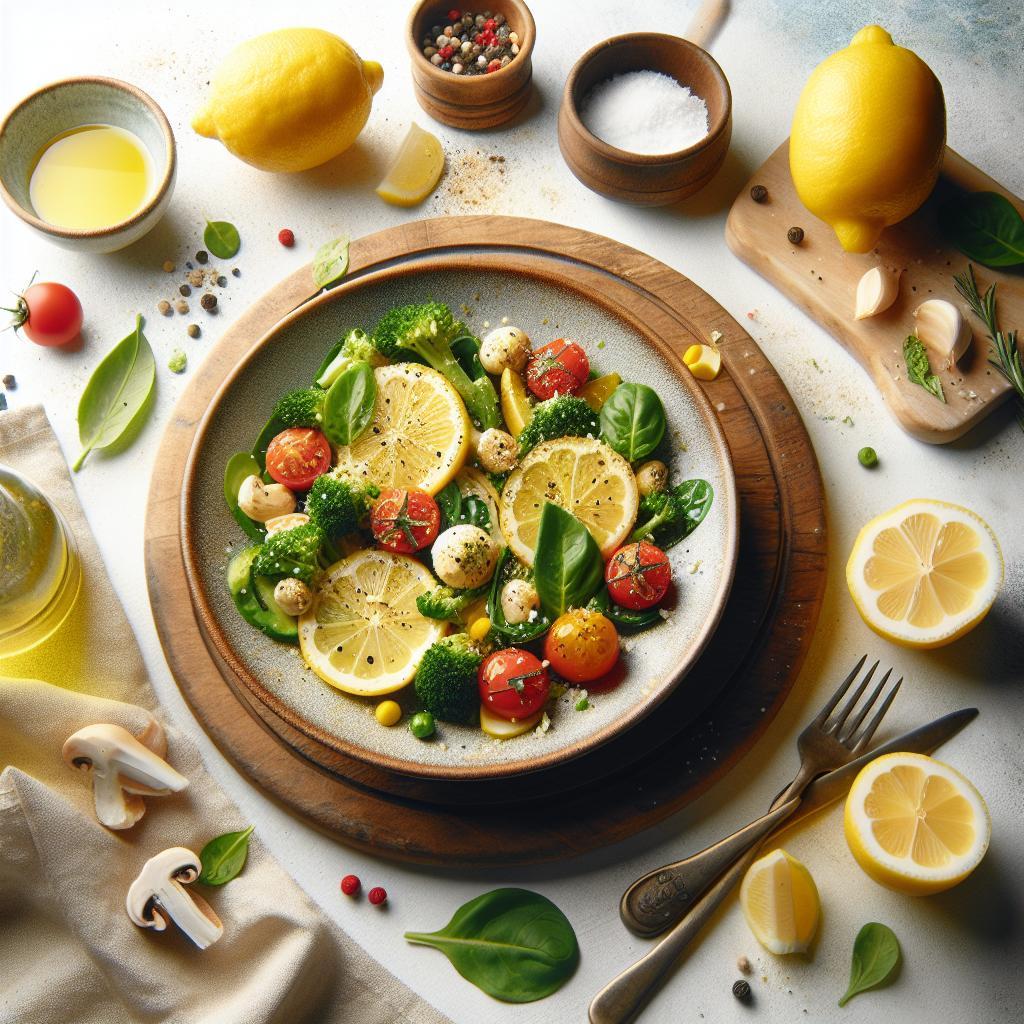

Bright, sun-kissed, and bursting with invigorating zest, Italian lemons are more than just a vibrant splash of color on Mediterranean groves-they are a fragrant symbol of heritage, flavor, and culinary artistry. From the rugged cliffs of the Amalfi Coast to the fragrant orchards of Sicily, these golden orbs have enchanted taste buds and cultures alike for centuries. In this article, we embark on a sensory journey to explore the charm of Italian lemons-their unique varieties, storied traditions, and the myriad ways they infuse life into both kitchen creations and lifestyle rituals. Prepare to discover the zesty wonders that have made Italian lemons an enduring treasure of the sunlit south.
Zesty Wonders come alive in this vibrant Lemon Risotto recipe, inspired by the radiant citrus groves of Italy’s Amalfi Coast. Italian lemons, famed for their aromatic zest and bright juice, infuse this creamy risotto with a burst of sun-kissed flavor that evokes a carefree Mediterranean afternoon. With each spoonful, you’ll experience a harmonious blend of tartness balanced with gentle creaminess-a celebration of the remarkable character these lemons bring to your table.
Prep and Cook Time
Prep: 15 minutes | Cook: 35 minutes | Total: 50 minutes
Yield
Servings: 4 hearty portions
Difficulty Level
Medium – perfect for home cooks eager to explore Italian-inspired comfort dishes.
Ingredients
- 1 ½ cups Arborio rice
- 1 large Italian lemon, zested and juiced
- 4 cups low sodium vegetable broth, kept warm
- 1 small onion, finely chopped
- 3 tablespoons unsalted butter
- 3 tablespoons extra virgin olive oil
- ½ cup freshly grated Parmesan cheese (or Pecorino Romano for a sharper bite)
- 2 garlic cloves, minced
- Fresh basil leaves, roughly chopped (for garnish)
- Salt and cracked black pepper, to taste
Instructions
- Prepare the broth: Keep your vegetable broth warm in a saucepan on low heat. This ensures even cooking for the Arborio rice.
- Sauté aromatics: In a wide skillet or heavy-bottomed pot, heat the olive oil and 2 tablespoons of butter over medium heat. Add the finely chopped onion and cook, stirring frequently, until translucent and soft, about 5-7 minutes.
- Add garlic and rice: Stir in the minced garlic and cook for an additional minute until fragrant. Add the Arborio rice, stirring to coat every grain with the buttery, aromatic mixture, about 2 minutes. This step helps the rice slowly release its creamy starch.
- Incorporate broth gradually: Pour in a ladle of warm vegetable broth, stirring constantly until mostly absorbed. Repeat this process, adding broth one ladle at a time, stirring until absorbed before the next, approximately 20-25 minutes, until the rice is creamy and al dente.
- Enhance with lemon: Once the rice is tender, stir in the lemon zest and the juice of the Italian lemon. The vibrant citrus notes will instantly brighten the dish while complementing the rich texture.
- Finish with cheese and butter: Remove from heat and stir in remaining butter and grated Parmesan cheese until luxuriously creamy. Season with salt and cracked black pepper according to your taste.
- Serve immediately: Spoon the risotto into warm plates and garnish with fresh chopped basil for a fragrant, colorful finish.
Chef’s Notes
- Feel free to swap vegetable broth with a light chicken broth if preferred-though the citrus remains the star.
- For a vegan version, substitute butter and Parmesan with dairy-free margarine and nutritional yeast or vegan cheese.
- To intensify lemon aroma, gently toast the lemon zest in the pan with onions before adding rice.
- Make-ahead tip: Prepare risotto up to step 4 and cool completely. Reheat gently with a splash of broth or water, then finish with lemon juice and cheese.
- Adding a handful of fresh peas or asparagus tips during the last 5 minutes of cooking introduces subtle sweetness and a pop of color.
Serving Suggestions
Present your Lemon Risotto alongside a crisp arugula salad drizzled with olive oil and a sprinkle of toasted pine nuts. For an elegant touch, add a thin slice of lemon confit as a garnish atop each serving. Pair with freshly cracked black pepper and a light drizzle of high-quality extra virgin olive oil for that final zesty flourish. This dish shines as a refined vegetarian main course or a luxurious side dish to a summer vegetable medley.

| Nutrient | Per Serving |
|---|---|
| Calories | 380 kcal |
| Protein | 10 g |
| Carbohydrates | 55 g |
| Fat | 11 g |
| Fiber | 2 g |
Discover more inspired Italian citrus dishes in our Italian Citrus Desserts Collection and deepen your culinary knowledge with credible insights on Italian lemon varieties and their uses from FAO’s Citrus Fruit Report.
Q&A
Q&A: Zesty Wonders: Exploring the Charm of Italian Lemons
Q1: What makes Italian lemons stand out among citrus fruits?
A1: Italian lemons are renowned for their bright, vibrant flavor and intoxicating fragrance. Grown under the Mediterranean sun, their zest carries a unique intensity and subtle floral notes that elevate any dish or drink. It’s this perfect balance of tartness and sweetness that gives Italian lemons their irresistible charm.
Q2: Are there specific varieties of lemons unique to Italy?
A2: Absolutely! Among the most celebrated is the Sorrento lemon, famous for its thick, aromatic peel-a key component in Italy’s treasured limoncello. Another is the Femminello St. Teresa, prized for its juiciness and vibrant flavor, cultivated mainly along the Amalfi Coast. These varieties boast qualities that are difficult to replicate elsewhere.
Q3: How have Italian lemons influenced Italian cuisine?
A3: Italian lemons add brightness and depth across regional dishes, from refreshing salads to rich seafood recipes. Their zest and juice are used not just for flavor but also to balance and enhance other ingredients. Beyond savory, they contribute to the magic of desserts like the classic lemon granita and baba al limone, showcasing their versatility.
Q4: Can you share some creative ways to use Italian lemon zest in cooking?
A4: Certainly! Lemon zest can transform a simple olive oil drizzle into a fragrant finishing touch, or it can be folded into fresh ricotta for a vibrant spread. It also beautifully infuses baked goods, from fluffy cakes to buttery cookies, and can brighten up vegetable dishes or homemade pasta dough for a subtle citrus burst.
Q5: What health benefits do Italian lemons offer?
A5: Packed with vitamin C, antioxidants, and essential oils, Italian lemons support the immune system, aid digestion, and promote glowing skin. Their natural acidity can also help balance body pH and provide a refreshing detoxifying effect, making them as beneficial as they are delicious.
Q6: How do Italian farmers cultivate these lemons to maintain their quality?
A6: Italian lemon farmers rely on age-old techniques combined with modern care, nurturing their groves on sunny hillsides with careful pruning and attention to soil health. The Mediterranean climate, with its warm days and cool nights, ensures slow, steady growth, resulting in lemons with robust flavor and thick, aromatic rinds.
Q7: What role do Italian lemons play in cultural traditions or festivals?
A7: Lemons are celebrated in many Italian coastal communities, symbolizing abundance and vitality. Festivals like the Festa del Limone in Menton and those along the Amalfi Coast showcase the fruit through parades, art, and culinary events, reflecting the deep connection between Italians and their cherished citrus heritage.
Q8: How can someone best store Italian lemons to preserve their freshness?
A8: To keep Italian lemons vibrant and juicy, store them unwashed in the refrigerator’s crisper drawer inside a breathable bag. This method extends their life for several weeks while preserving the essential oils in the peel. For zesting, it’s ideal to use them when freshest to capture that fragrant zing.
Q9: Are the peels of Italian lemons edible, and how can they be used?
A9: Yes! The thick, aromatic peel is not only edible but a prized ingredient. It can be candied for sweet treats, infused into syrups or oils, or dried and ground as a natural seasoning. The zest contains essential oils that bring brightness to everything from savory dishes to herbal teas and desserts.
Q10: What inspired the deep affection Italians have for their lemons?
A10: The affection grows from centuries of tradition, where lemons symbolize sunshine, warmth, and the richness of the land. They play a role in family recipes passed down through generations, local economy, and the joy of fresh, natural flavors. Italian lemons aren’t just fruits-they’re a zestful expression of culture and life’s simple pleasures.
Closing Remarks
As our journey through the vibrant world of Italian lemons draws to a close, we find ourselves enriched by more than just their tangy zest and radiant hues. These citrus jewels are not merely fruits but cultural symbols, steeped in history and bursting with flavor that ignites the senses and culinary imaginations alike. From sun-kissed groves to bustling markets, Italian lemons embody a tradition of craftsmanship and natural beauty that continues to inspire chefs, artisans, and travelers around the globe. Whether squeezed into a refreshing limoncello or zesting up a hearty pasta, they remind us that sometimes, the simplest ingredients hold the most extraordinary charm. So next time you peel back the bright skin of an Italian lemon, savor the story and spirit behind its zesty wonders – a true taste of Italy’s timeless allure.