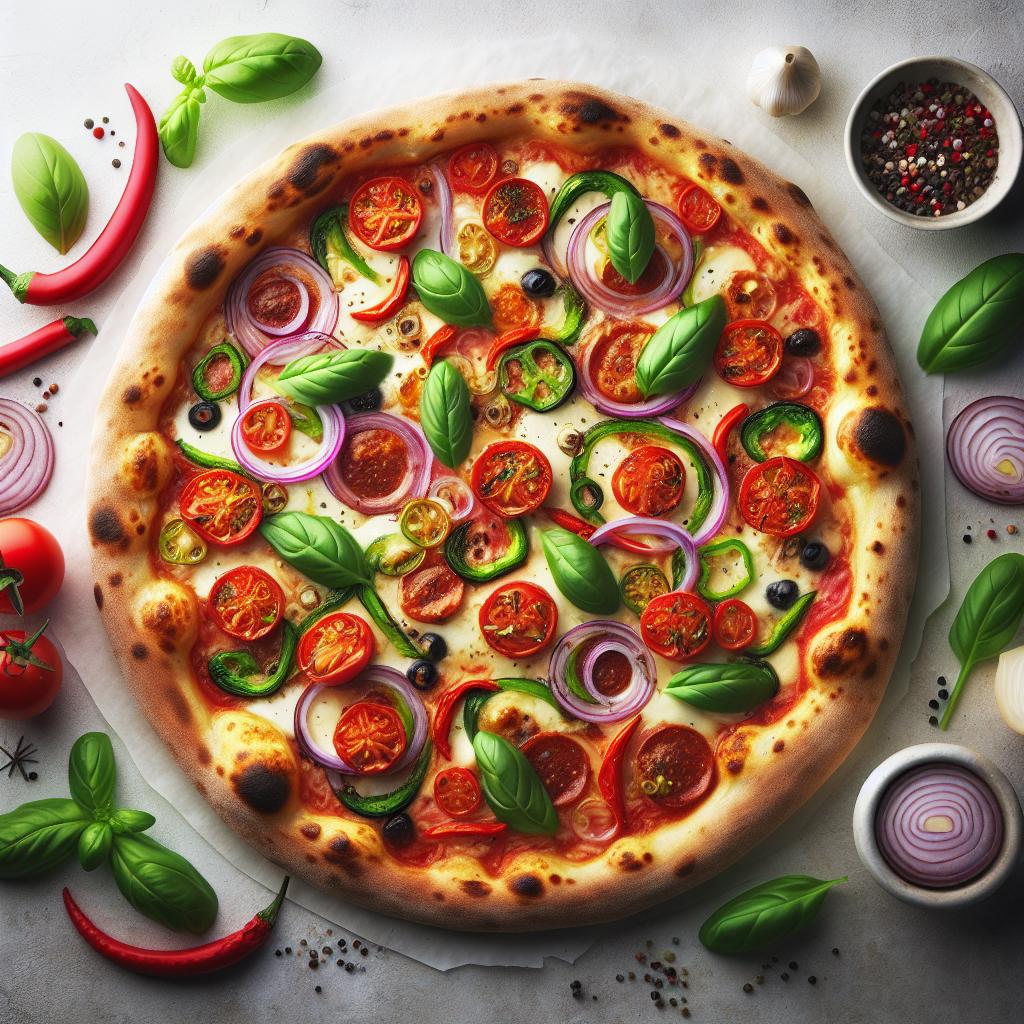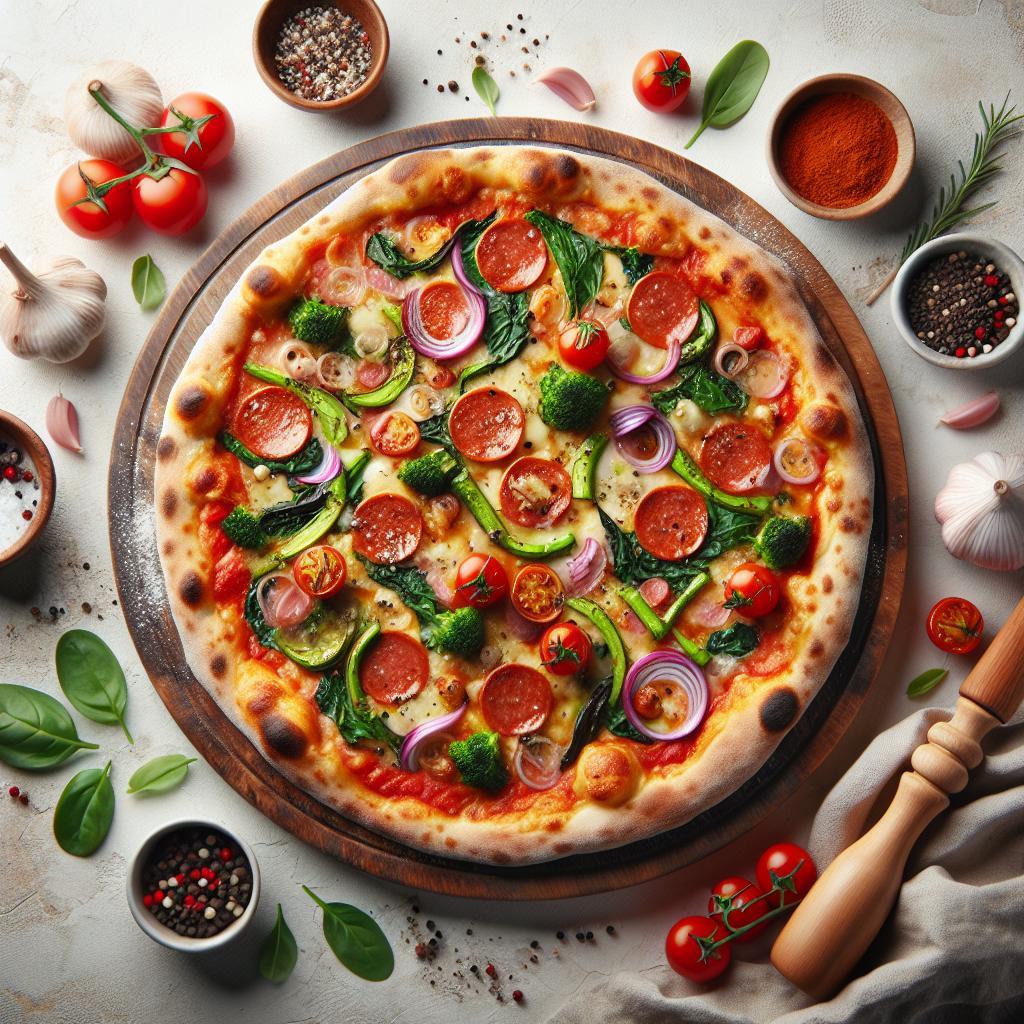

There is something truly magical about Italian pizza-an art form where simplicity meets mastery, and every bite tells a story of heritage, passion, and time-honored tradition. Rooted in centuries of culinary history, Italian pizza is much more than just a dish; it is a cultural emblem baked to perfection. From the tender, hand-stretched dough to the vibrant, sun-ripened tomatoes and creamy mozzarella, every element is carefully crafted to honor a legacy that has inspired palates worldwide. In this exploration of “The Art of Italian Pizza: Tradition Baked to Perfection,” we delve into the origins, techniques, and secrets that make Italian pizza an enduring masterpiece on the global table.
The Art of Italian Pizza comes alive in every fold of dough, every swirl of sauce, and every layer of thoughtfully selected toppings. As you embark on this culinary journey, you’ll uncover not just a recipe, but the heritage of Italy’s pizza mastery-where texture and flavor blend to produce an exquisite symphony that delights the senses. From the softness and resilience of the dough, kissed by time and fermentation, to regional sauces bursting with character, to the golden crust achieved by expert oven techniques-this guide brings the essence of traditional Italian pizza right into your kitchen.
Prep and Cook Time
- Preparation: 20 minutes (plus 24 hours fermentation)
- Cook Time: 7-10 minutes
- Total Time: Approximately 24 hours 30 minutes (due to dough resting)
Yield
- Servings: 2 large pizzas (10-12 inches each)
Difficulty Level
- Skill: Medium – Perfect for home cooks ready to elevate their baking craft
Ingredients
- For the Dough:
- 3 ¼ cups 00 flour (or all-purpose, sifted)
- 1 ¼ cups lukewarm water (approx. 95°F / 35°C)
- 2 tsp sea salt
- ½ tsp active dry yeast
- 2 tbsp extra virgin olive oil
- For the Classic Tomato Sauce:
- 1 cup San Marzano canned tomatoes, crushed
- 1 garlic clove, finely minced
- 1 tbsp extra virgin olive oil
- Fresh basil leaves, torn
- Pinch of sea salt and freshly ground black pepper
- Toppings:
- 8 oz fresh mozzarella, torn into pieces
- Fresh basil leaves
- A drizzle of extra virgin olive oil
Mastering the Dough: Secrets to Authentic Texture and Flavor
The foundation of all great pizza begins with dough. Start by dissolving the yeast in lukewarm water-avoid hotter temperatures to protect the yeast’s potency. Gradually incorporate the flour and salt, mixing gently to encourage gluten development without overworking, preserving the dough’s airy structure. The secret to authentic texture lies in the slow fermentation: cover your dough and refrigerate overnight or for up to 24 hours. This patient rise not only deepens the dough’s flavor but also builds the signature elasticity and golden crust crispness.
Instructions
- In a medium bowl, dissolve active dry yeast in lukewarm water. Let it sit for 5 minutes until slightly frothy.
- Add 3 cups of 00 flour and salt to the yeast mixture. Stir with a wooden spoon until combined.
- Transfer dough onto a lightly floured surface; knead, gradually adding remaining ¼ cup flour, until smooth and elastic, about 8 minutes. Avoid over-flouring.
- Place dough in an oiled bowl, cover with plastic wrap or a damp cloth, and refrigerate for 18-24 hours for slow fermentation.
- Remove dough from fridge 1 hour before baking. Shape into two equal balls; rest covered for 30 minutes at room temperature.
- Meanwhile, prepare tomato sauce: heat olive oil in a saucepan over medium heat, add garlic, sauté until fragrant (1 minute). Add crushed tomatoes, salt, pepper, and simmer for 10 minutes. Stir in fresh basil and remove from heat.
- Preheat oven to its highest setting (ideally 500°F/260°C) with pizza stone or inverted baking tray inside.
- On a floured surface, gently stretch dough into a 10-12 inch circle. Transfer onto a pizza peel or parchment paper.
- Spread a thin layer of sauce, scatter torn mozzarella evenly, and sprinkle fresh basil leaves.
- Slide pizza onto the hot stone and bake for 7-10 minutes until the crust is a deep golden brown with light char spots and cheese is bubbling.
- Finish with a delicate drizzle of extra virgin olive oil before serving.
Oven Techniques for Achieving the Perfect Golden Crust
The secret to a golden crust is an explosively hot baking surface and minimal toppings to encourage a dry, blistered bottom. Using a preheated pizza stone or steel absorbs intense heat evenly, ensuring a crisp crust with beautiful leopard spotting achieved through radiant heat and steam. Avoid overcrowding toppings, which trap moisture-resulting in a soggy base rather than the iconic crunch. If you have a broiler, finish the pizza under it for 1 minute to caramelize cheese and create that irresistible golden hue.
Chef’s Notes: Tips for Success
- For a lighter crust, try a 50/50 mix of 00 flour and bread flour for added chew.
- Always stretch dough by hand; use gentle pulls instead of rolling pins to preserve air bubbles.
- If your dough feels sticky, rest it longer instead of adding more flour.
- Use whole canned San Marzano tomatoes for authentic flavor; crush them by hand for texture.
- Make sauce a day ahead: flavors meld beautifully overnight.
- Substitute fresh mozzarella with buffalo mozzarella for creamier richness.
- Store any leftover dough portion wrapped tightly in olive oil and cling film in the fridge for up to 48 hours.
Serving Suggestions
Serve your Italian masterpiece immediately while still hot, garnished with a few torn basil leaves and an extra drizzle of fragrant olive oil. Pair with a light arugula salad dressed in lemon and olive oil for a refreshing contrast. For a touch of elegance, add shaved Parmigiano-Reggiano or a sprinkle of crushed red pepper flakes. Slice with a sharp pizza cutter and enjoy alongside your favorite sparkling water or a chilled non-alcoholic aperitif.
| Nutrient | Per Serving (1 pizza) |
|---|---|
| Calories | 610 kcal |
| Protein | 25 g |
| Carbohydrates | 70 g |
| Fat | 18 g |

For further exploration of Mediterranean flavors, check out our article on Italian Tomato Sauces Guide, an essential companion in your kitchen.
Explore historical context and expert insights at Italian Food Forever, a trusted resource on authentic Italian cuisine.
Q&A
Q&A: The Art of Italian Pizza: Tradition Baked to Perfection
Q1: What defines an authentic Italian pizza compared to other styles?
A1: Authentic Italian pizza is a harmonious blend of simplicity and quality. It is characterized by a thin, soft, and slightly chewy crust, often cooked in a wood-fired oven at high temperatures. The toppings are fresh and minimalistic, allowing each ingredient to shine without overwhelming the palate. It’s a celebration of balance – from the tangy San Marzano tomatoes to the creamy mozzarella and fragrant basil.
Q2: How important is the dough in creating a perfect Italian pizza?
A2: The dough is the soul of the pizza. Italian pizzaioli (pizza makers) consider it their craft’s cornerstone. It’s made from just flour, water, salt, and yeast, but the magic lies in the fermentation process. A long, slow rise, sometimes over 24 hours, enhances flavor and texture, resulting in a crust that’s crisp on the outside and tender inside – a canvas for the toppings.
Q3: What role does the wood-fired oven play in pizza-making?
A3: The wood-fired oven is legendary in the art of Italian pizza. It reaches scorching temperatures of around 900°F (485°C), producing an intense, even heat that cooks the pizza in just a couple of minutes. This rapid cooking locks in freshness, creates a beautiful leopard-spotted char on the crust, and imparts a subtle smoky aroma that is impossible to replicate in conventional ovens.
Q4: Can Italian pizza be made without tomato sauce?
A4: Absolutely! While the classic Margherita features tomato sauce, pizza bianca (white pizza) is a cherished variation that skips the tomatoes altogether. Instead, it relies on olive oil, garlic, herbs, and cheeses to build flavor. This style highlights the dough’s quality and offers a different, yet equally delightful, taste experience.
Q5: What are some signature toppings that showcase Italian tradition without overpowering the pizza?
A5: Traditional Italian pizzas often embrace simplicity. Think fresh mozzarella, fragrant basil leaves, ripe cherry tomatoes, wild mushrooms, artichokes, olives, grilled vegetables, and a drizzle of extra virgin olive oil. Each ingredient is chosen for its authentic flavor and ability to complement rather than dominate, honoring the pizza’s rustic origins.
Q6: How does regional variation influence Italian pizza styles?
A6: Italy is a tapestry of regional flavors and techniques. In Naples, the birthplace of pizza, the style is soft and tender with a focus on fresh mozzarella and basil. Rome offers a thinner, crispier crust with creative toppings. Each region reflects its local produce, culture, and traditions, adding unique twists that enrich the broader story of Italian pizza.
Q7: Is it possible to recreate authentic Italian pizza at home?
A7: Yes! While professional ovens and techniques add flair, passionate home cooks can craft amazing Italian-style pizzas with patience and quality ingredients. Key steps include making a well-hydrated dough with ample fermentation time, using fresh tomatoes or tomato passata, and baking on a preheated pizza stone to mimic the intense heat of traditional ovens.
Q8: What is the cultural significance of pizza in Italy?
A8: Pizza in Italy is more than food; it’s a cultural symbol, a social experience, and a connection to heritage. Sharing a pizza is an act of community – bringing family and friends together. It represents ingenuity, simplicity, and respect for quality ingredients, embodying a timeless tradition passed down through generations.
This Q&A provides an insightful and creative glimpse into the timeless craft of Italian pizza, celebrating its tradition and inviting readers to appreciate every thoughtfully baked slice.
Closing Remarks
In the end, the art of Italian pizza is more than just a recipe-it’s a timeless tradition where passion meets perfection, every crust telling a story of heritage and heart. From the rustic wood-fired ovens of Naples to the bustling pizzerias that keep the flame alive today, this culinary masterpiece invites us to savor not just a dish, but a cultural legacy baked to golden perfection. So the next time you bite into a slice, remember: you’re tasting centuries of craft, care, and an enduring love for one of Italy’s most iconic creations. Buon appetito!