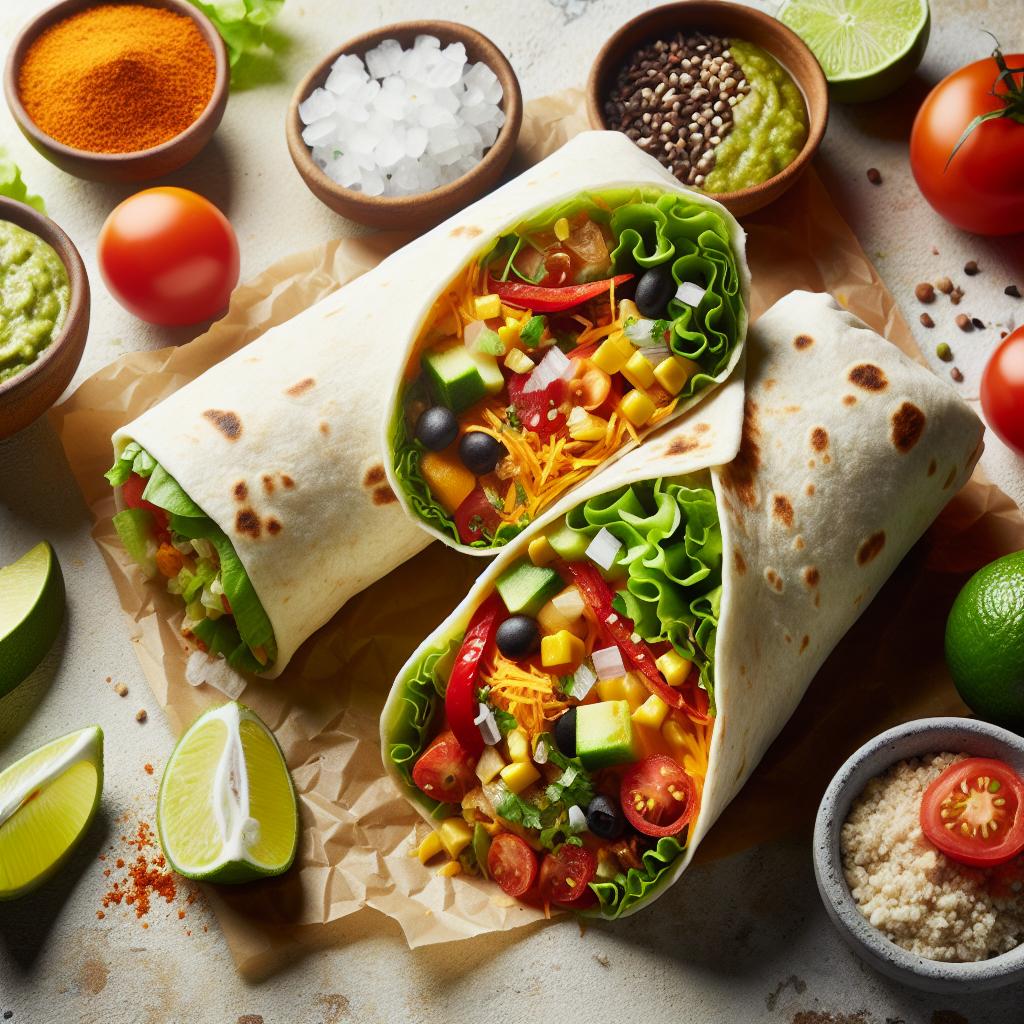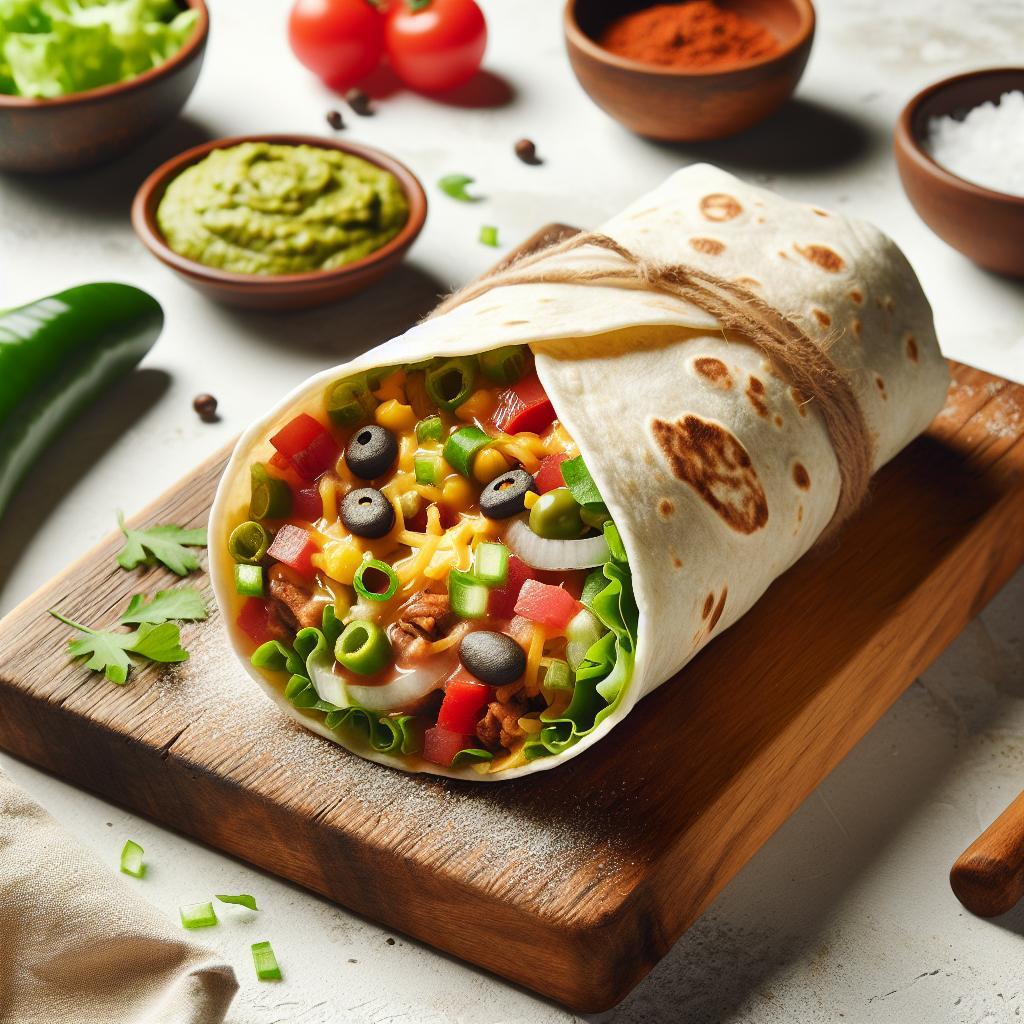

Beneath the warm embrace of a soft tortilla lies a story rich with culture, creativity, and culinary mastery. The Mexican burrito, a seemingly simple bundle of ingredients, is much more than a convenient meal; it is a vibrant tapestry woven from centuries of tradition and innovation. From its humble origins in the bustling markets of northern Mexico to its iconic status on tables worldwide, the burrito invites us to unwrap not only layers of savory flavors but also the fascinating history and artistry that have shaped it. Join us as we journey through the flavorful world of Mexican burritos, exploring how this beloved dish has evolved into a symbol of heritage and culinary expression.
- Origins and Evolution of the Mexican Burrito: Regional Variations and Unique Flavor Profiles
- Essential Ingredients and Traditional Preparation Techniques
- Expert Tips for Crafting the Perfect Burrito at Home
- Prep and Cook Time
- Yield
- Difficulty Level
- Ingredients
- Instructions
- Chef’s Notes: Tips for Success
- Serving Suggestions
- Q&A
- In Summary
Origins and Evolution of the Mexican Burrito: Regional Variations and Unique Flavor Profiles
Unwrapping Flavor begins with a journey back to northern Mexico, where the burrito first took shape as a humble street food. Its origins are often traced to the Mexican state of Chihuahua in the early 20th century, where itinerant vendors wrapped hearty fillings in large, warm flour tortillas. This innovation was born out of practicality-easy to eat on the go and packed with sustenance. Over decades, the burrito evolved, traveling across borders and developing vast regional identities.
The burrito’s evolution differs significantly from southern Mexican tacos, largely because northern Mexico favored wheat flour over corn due to climate and agriculture. This created the perfect canvas for the burrito’s signature large tortilla. Today’s burrito spans from the traditional machaca con huevo (shredded beef with eggs) in northern Mexico to the iconically stuffed and smothered “Mission-style” burritos of San Francisco, filled with rice, beans, meat, and myriad toppings.
Essential Ingredients and Traditional Preparation Techniques
The backbone of any authentic burrito is its tortilla. A soft yet sturdy flour tortilla acts as a tender vessel, able to cradle robust, flavorful fillings without tearing. Beyond the tortilla, key ingredients include high-quality proteins such as grilled chicken, sautéed beef, or beans for vegetarians, tender rice, and slow-cooked legumes. Fresh vegetables like diced onions, cilantro, and sliced avocado infuse brightness.
Traditional preparation honors slow cooking and layering flavors that build depth. For instance, soaking dried beans overnight before gentle simmering is paramount to achieve creamy textures. Meats are often marinated with cumin, garlic, and chili powders before being grilled or stewed until tender. Wrapping requires a practiced hand: warm the tortilla until pliable, layer ingredients thoughtfully to balance moisture and texture, then roll tightly to lock in flavors and create that satisfying handheld experience.
Expert Tips for Crafting the Perfect Burrito at Home
Mastering burrito construction at home is an art-and a joy-with a few expert tips:
- Warm your tortillas in a dry skillet or wrapped in a damp cloth in the microwave. This enhances flexibility and prevents cracking.
- Balance moisture carefully: Overly wet ingredients like salsa or guacamole can cause soggy wraps, so drain beans thoroughly and use creamy components sparingly.
- Layer gently: Place heavier ingredients near the tortilla’s center and lighter toppings on top to avoid bursting when rolled.
- Do a test roll: Before filling generously, practice folding with a plain tortilla to perfect your technique.
- Enhance texture: Add crunch with fresh vegetables, toasted pepitas, or crispy lettuce for contrast.
With these tips, crafting your burrito becomes a delightful culinary adventure, where flavors meld beautifully inside a tender, golden embrace.
Prep and Cook Time
- Preparation: 25 minutes
- Cooking: 30 minutes
- Total Time: 55 minutes
Yield
4 generous burritos
Difficulty Level
Medium – requires some practice in wrapping and ingredient layering
Ingredients
- 4 large flour tortillas (12-inch diameter), warmed
- 1 cup cooked long-grain white rice
- 1½ cups black beans, drained and rinsed
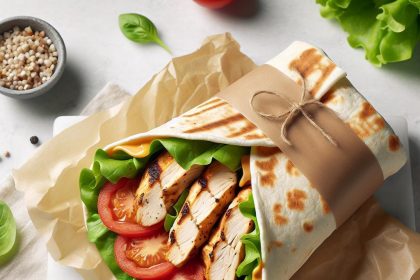
- 1 lb boneless, skinless chicken breast, grilled and sliced
- 1 medium red bell pepper, thinly sliced
- 1 small red onion, caramelized
- 1 cup shredded sharp cheddar cheese
- ½ cup fresh cilantro, chopped
- 1 medium avocado, sliced
- ½ cup tomato salsa, drained
- 1 teaspoon ground cumin
- ½ teaspoon smoked paprika
- Salt and freshly ground black pepper, to taste
- 1 tablespoon olive oil
Instructions
- Place the grilled chicken in a bowl and sprinkle with cumin, smoked paprika, salt, and pepper. Toss to coat evenly.
- Heat olive oil in a skillet over medium heat. Add sliced bell peppers and caramelized onion; sauté until slightly softened, about 5 minutes. Remove from heat.
- Lay a warm flour tortilla flat on a clean surface. In the center of the tortilla, layer ¼ cup rice, ⅓ cup black beans, a portion of the sautéed peppers and onions, sliced chicken, and shredded cheddar.
- Add a few slices of avocado and sprinkle with fresh cilantro. Top with a spoonful of drained tomato salsa-avoid excess liquid.
- Fold the sides of the tortilla inward over the filling, then tightly roll from the bottom up, ensuring a snug wrap. Place seam side down to seal.
- To finish, warm a dry skillet over medium heat. Place the burrito seam side down and cook for 2 minutes, then flip and cook another 2 minutes until light golden and slightly crisp.
- Remove from skillet and let rest for 1-2 minutes before serving to allow ingredients to meld inside the wrap.
Chef’s Notes: Tips for Success
- Vegetarian variation: Substitute grilled chicken with spiced sautéed mushrooms or roasted cauliflower to maintain depth.
- Make-ahead: Prepare and portion your fillings in advance. Assemble burritos just before warming to preserve tortilla softness.
- Adjust spice: Introduce minced jalapeños or chipotle powder for a smoky kick, according to preference.
- Prevent sogginess: Always drain salsa and beans thoroughly and avoid overfilling-less is more for ease of rolling.
- Extra creaminess: Stir a spoonful of sour cream or Mexican crema inside the burrito before wrapping.
Serving Suggestions
Serve your burritos cut in half diagonally on a vibrant ceramic plate garnished with lime wedges and additional fresh cilantro. A side of zesty pico de gallo, a dollop of guacamole, or freshly made tortilla chips complements well. For a refreshing contrast, offer chilled Mexican horchata or a crisp sparkling agua fresca.
This presentation not only highlights the vibrant colors but also invites an interactive dining experience, encouraging guests to add toppings and customize each bite.
| Nutrient | Per Serving |
|---|---|
| Calories | 520 kcal |
| Protein | 38 g |
| Carbohydrates | 45 g |
| Fat | 17 g |

For more on traditional Mexican dishes and their histories, explore our comprehensive Mexican cuisine guide. To deepen your understanding of Mexican culinary roots and regional flavors, visit the authoritative insights at National Geographic’s Mexican cuisine history.
Q&A
Q&A: Unwrapping Flavor: The Art and History of Mexican Burritos
Q: What is the origin of the burrito, and how did it get its name?
A: The burrito, meaning “little donkey” in Spanish, traces its roots to northern Mexico. Its name is believed to come from the rolled shape resembling the packs or bedrolls that donkeys carried. The humble burrito was designed as a convenient, portable meal for workers and travelers, wrapping savory fillings inside a warm flour tortilla.
Q: How does the traditional Mexican burrito differ from its Americanized versions?
A: Traditional Mexican burritos are simple and focused on a few fresh, vibrant ingredients-typically beans, rice, cheese, and grilled meats or vegetables-wrapped tightly in a thin flour tortilla. In contrast, American adaptations often feature larger flour tortillas and a wider array of fillings such as sour cream, guacamole, and extra sauces, sometimes turning the burrito into a calorie-packed meal.
Q: What role do regional ingredients play in shaping burrito varieties across Mexico?
A: Regional diversity shines in Mexican burritos. In the north, beans and beef are staples, while in other regions you might find burritos filled with chicken simmered in rich green tomatillo sauce or fresh roasted vegetables. The flour tortilla itself is more common in northern Mexico, whereas corn tortillas dominate in the south, impacting the types of burritos made.
Q: Why is the flour tortilla crucial in creating an authentic burrito?
A: The flour tortilla serves as the foundation and flavor carrier for the burrito. Its pliability allows for a snug wrapping of fillings without breaking, and its mild, slightly sweet taste complements bold fillings without overpowering them. Historically, this tortilla was developed in arid northern regions where wheat thrived better than corn.
Q: How have contemporary chefs transformed the burrito while honoring its history?
A: Innovative chefs fuse tradition with creativity by incorporating seasonal produce, unique spice blends, and novel cooking methods while respecting the burrito’s simple, comforting essence. Ingredients like sautéed mushrooms, grilled nopales (cactus paddles), and locally foraged herbs add new layers of flavor without losing touch with the burrito’s Mexican roots.
Q: Is there a particular technique that elevates a burrito from merely tasty to truly memorable?
A: Absolutely-balance is key. An expert burrito maker harmonizes textures and flavors: creamy beans, fluffy rice, tender meats or veggies, fresh salsas, and melted cheese wrapped in a warm tortilla. Even the way the tortilla is warmed and folded-tight, but not overflowing-creates an experience that’s both satisfying and elegant.
Q: Can vegetarian and vegan burritos capture the spirit of traditional Mexican burritos?
A: Definitely! Mexican cuisine’s rich plant-based offerings-black beans, lentils, grilled peppers, squash blossoms, and hearty potatoes-translate beautifully into burritos. These alternatives preserve the hearty, wholesome feel while highlighting the bold flavors and freshness that define Mexican culinary artistry.
Q: What cultural significance does the burrito hold in Mexican food traditions?
A: Beyond nourishment, burritos carry stories of migration, adaptation, and daily life. Once a simple meal for laborers, they symbolize resourcefulness and community-food that’s easy to share and enjoy anywhere. Today, burritos continue bridging tradition and innovation, celebrating Mexico’s culinary heritage with every wrapped bite.
In Summary
As we fold together the threads of history, culture, and culinary craft, the Mexican burrito emerges not just as a meal, but as a vibrant story wrapped in a warm tortilla. From humble beginnings to global tables, its layers reveal a tapestry of traditions, regional flavors, and innovative twists that continue to delight and inspire. So next time you unwrap a burrito, savor more than its rich, seasoned fillings-taste the history and artistry that make it a truly timeless treasure of Mexican cuisine.