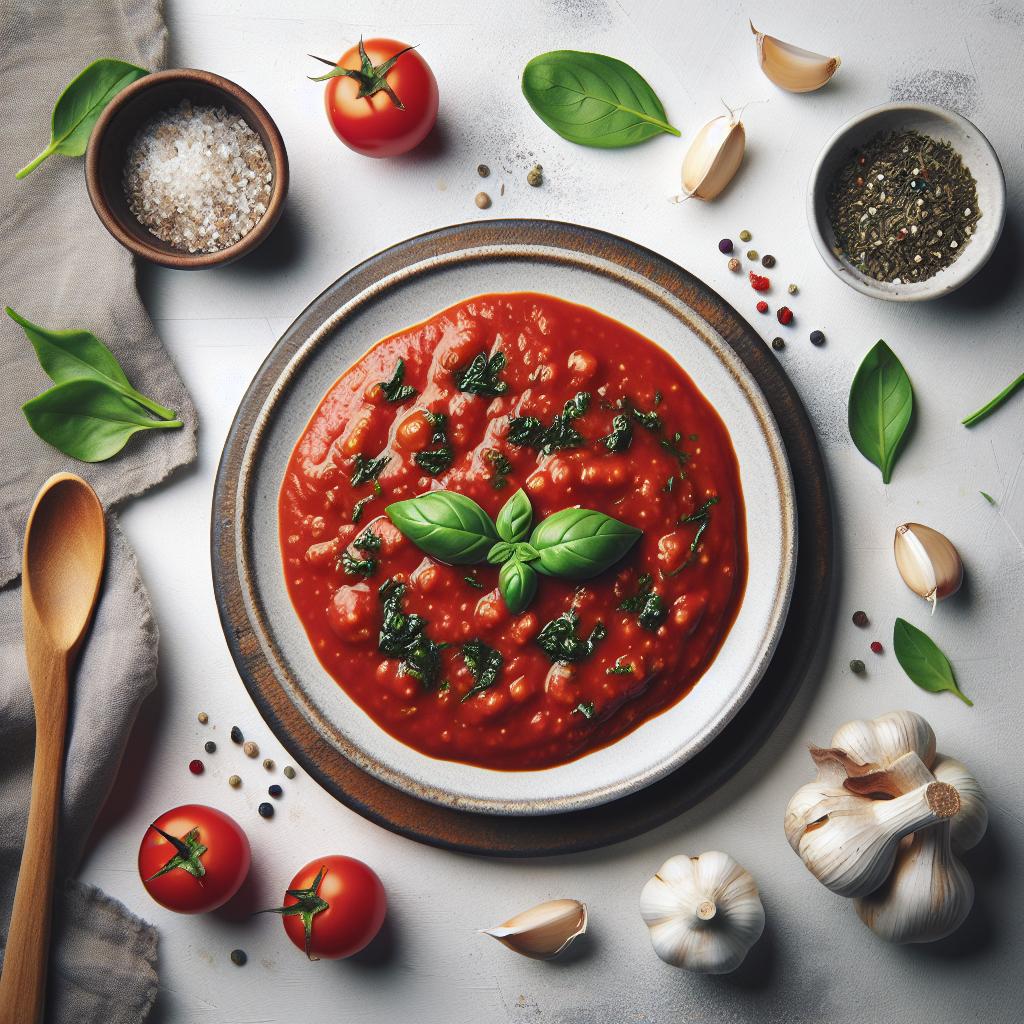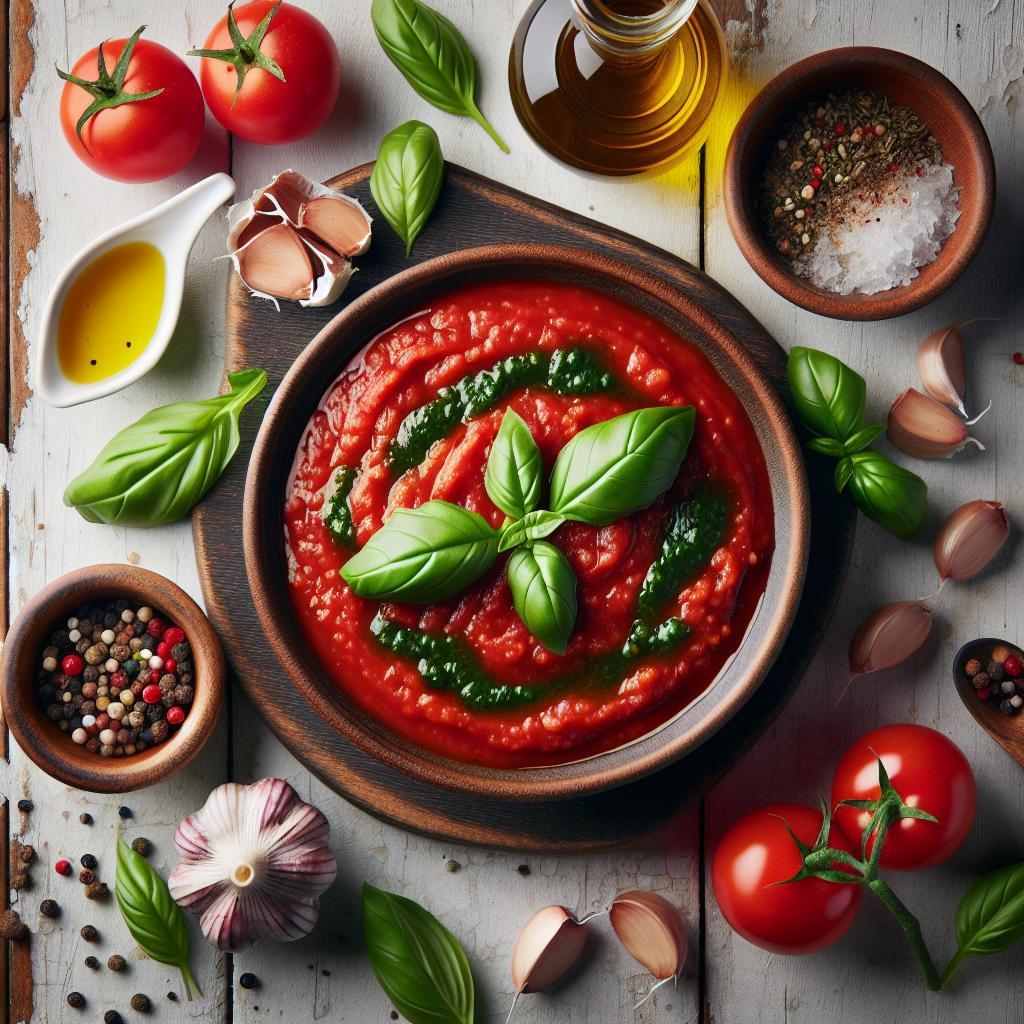

There’s something undeniably magical about a rich, velvety marinara sauce-a simple melody of ripe tomatoes, fragrant herbs, and a hint of garlic that can transform any dish from ordinary to extraordinary. But what if you could unlock that flavor in your own kitchen, crafting a homemade marinara sauce that bursts with freshness and personality? Welcome to your ultimate guide, where tradition meets creativity, and every simmer reveals the secrets behind the perfect sauce. Whether you’re a seasoned cook or a curious beginner, this flavorful journey will empower you to create marinara that’s not just a condiment, but the heart and soul of your meals. Let’s dive in and unlock the true essence of homemade marinara!
Unlock Flavor: the secret to a truly remarkable homemade marinara sauce starts long before the pot hits the stove. It’s about selecting the ideal tomatoes to craft a vibrant base that sings with tang and richness. The journey begins at the market, where your hands gravitate towards tomatoes bursting with deep color and a firm yet yielding texture. Opt for plum tomatoes like San Marzano or Roma-they’re revered for their naturally sweet flesh and lower moisture, perfect for a thick, luscious sauce that clings gloriously to pasta. Fresh, vine-ripened tomatoes add brightness, while a handful of canned San Marzano tomatoes on hand can ensure consistency year-round.
Prep and Cook Time
- Preparation Time: 15 minutes
- Cooking Time: 1 hour 20 minutes (includes simmering)
Yield
- Makes approximately 4 cups (serves 6)
Difficulty Level
- Medium
Ingredients
- 3 lbs ripe plum tomatoes, peeled, seeded, and chopped (or 2 cans 28 oz San Marzano tomatoes, crushed)
- 3 tbsp extra virgin olive oil
- 1 medium yellow onion, finely diced
- 4 cloves garlic, minced
- 1 tsp sea salt, adjust to taste
- ½ tsp freshly cracked black pepper
- 1 tsp granulated sugar (balances acidity)
- 1 tsp dried oregano
- 1 handful fresh basil leaves, finely chopped
- 1 carrot, grated (to soften acidity naturally)
- 1 small pinch of crushed red pepper flakes (optional for warmth)
- ¼ cup vegetable broth or water, as needed
Instructions: Mastering the Art of Simmering for Depth and Complexity
- Prepare the tomatoes: Bring a large pot of water to a boil. Score the base of each fresh tomato with an “X.” Blanch tomatoes in boiling water for 30 seconds to 1 minute, then transfer immediately to an ice bath. Peel off skins gently, core, seed, and chop.
- Sauté the aromatics: Heat olive oil in a heavy-bottomed saucepan over medium heat. Add diced onions and sauté until translucent and soft, about 5-7 minutes. Stir frequently to avoid browning.
- Garlic’s fragrant moment: Add minced garlic to the onions and cook for 1-2 minutes, stirring constantly to release its full savory aroma. Never let it burn.
- Add carrots and seasonings: Stir in the grated carrot, which will lend subtle sweetness and counter tomato acidity. Add salt, pepper, oregano, and optional red pepper flakes, stirring to combine.
- Tomatoes meet heat: Pour in chopped or crushed tomatoes. Stir gently and bring the mixture to a light boil.
- Simmer, don’t rush: Reduce heat to low. Partially cover and let the sauce simmer slowly for 1 hour to 1 hour 15 minutes. Stir every 10 minutes to prevent sticking and encourage even flavor development. Add vegetable broth or water if the sauce begins to dry out.
- Final flourish: Stir in fresh basil leaves during the last 10 minutes, anchoring bright herbal notes to the rich base.
Secret Ingredients That Elevate Your Marinara to Gourmet
The humble grated carrot is your unsung hero, effortlessly taming tomato acidity while contributing subtle natural sweetness. The slow simmer invites flavors to deepen and marry, unlocking layers of complexity typically reserved for seasoned chefs. Fresh basil finishes the sauce with a brightness that elevates every bite. A sprinkle of crushed red pepper flakes adds gentle warmth, transforming a simple sauce into a gourmet experience.
Tips for Storing and Reheating to Preserve Freshness and Flavor
Once your marinara is cool, transfer it to an airtight container. It will stay fresh for up to 5 days in the refrigerator or freeze beautifully for 3 months. When reheating, warm gently over low heat to preserve the sauce’s nuanced flavors-avoid boiling. Stir occasionally and add a splash of water or broth if it thickens excessively.
Chef’s Notes
- Variation: For a smoky note, add a teaspoon of smoked paprika during the sauté step.
- Substitute: If you prefer a chunkier sauce, lightly pulse the cooked sauce in a blender instead of fully pureeing.
- Make-ahead: This sauce tastes even better the day after cooking. Prepare in advance and layer flavors overnight.
- Common issue: If your sauce tastes too acidic, a touch more sugar or a splash of non-dairy cream can nicely mellow the sharpness.
Serving Suggestions
Serve this rich and tangy marinara tossed with your favorite pasta, sprinkled liberally with shredded Parmesan or a fresh handful of torn basil leaves. For an elegant appetizer, spoon over grilled polenta or roasted vegetables. A drizzle of extra virgin olive oil and a few sliced black olives create a stunning visual and flavor contrast.
| Nutritional Info (per ½ cup serving) | Calories | Protein | Carbs | Fat |
|---|---|---|---|---|
| Marinara Sauce | 70 kcal | 2 g | 12 g | 3.5 g |
Explore more classic Italian sauces in our Homemade Pesto Sauce Recipe.
Learn about the nutritional benefits of tomatoes from Healthline’s comprehensive guide.

Q&A
Q&A: Unlock Flavor – Your Ultimate Guide to Homemade Marinara Sauce
Q1: What makes homemade marinara sauce better than store-bought versions?
A1: Homemade marinara sauce bursts with fresh, vibrant flavors that pre-made jars often lack. You control the ingredients, customize the seasoning to your taste, and avoid preservatives or additives. Plus, the slow simmering process allows the tomatoes and herbs to meld beautifully, creating a sauce that tastes truly artisanal.
Q2: What are the essential ingredients for an authentic marinara sauce?
A2: At its core, marinara sauce is a harmonious blend of ripe tomatoes, olive oil, garlic, onions, and fresh herbs like basil and oregano. A pinch of salt and pepper rounds out the flavors, while a touch of sugar can balance out the acidity of the tomatoes if needed.
Q3: Can I use canned tomatoes, or should I always use fresh ones?
A3: Both work beautifully, but canned tomatoes – especially high-quality whole San Marzano – offer convenience and consistent flavor year-round. Fresh tomatoes can shine in the summer months when they’re at their peak ripeness and juiciness.
Q4: How do I achieve a rich, thick texture without using cream or flour?
A4: Slow simmering is key! Allowing the sauce to cook gently over low heat reduces excess liquid, concentrating the flavors and naturally thickening the sauce. Crushing some of the tomatoes by hand or using an immersion blender can also help create a smoother, heartier texture.
Q5: Is it necessary to sauté the garlic and onions first?
A5: While you can add raw garlic directly, sautéing garlic and onions in olive oil softens their sharpness and enhances their sweetness, building layers of flavor that make the sauce more complex and inviting.
Q6: How long should marinara sauce simmer for the best flavor?
A6: A good marinara sauce benefits from at least 30 to 45 minutes of gentle simmering. This time allows the ingredients to marry and the sauce to deepen in flavor without losing its bright tomato essence.
Q7: Can I add spice to marinara sauce? If so, how?
A7: Absolutely! A pinch of crushed red pepper flakes or a bit of freshly ground black pepper can add a subtle kick without overpowering the sauce’s natural sweetness. Start with a little and adjust to your heat preference.
Q8: What dishes pair beautifully with homemade marinara?
A8: Marinara is a versatile superstar-perfect for pasta, polenta, eggplant parmigiana, or as a dipping sauce for fresh bread and roasted vegetables. It’s also a wonderful base for shakshuka or a vibrant pizza sauce.
Q9: Can I store marinara sauce in advance? How long does it keep?
A9: Yes! Marinara sauce stores well in the refrigerator for up to 5 days. For longer storage, freeze it in airtight containers or ice cube trays for up to 3 months. Just thaw and gently reheat when ready to enjoy.
Q10: Any tips for making marinara sauce even more flavorful?
A10: Use fresh herbs added toward the end of cooking to preserve their brightness, and consider infusing your olive oil with extra garlic or herbs before beginning. Also, stirring occasionally and tasting throughout the process helps you balance the flavors perfectly.
Unlock the magic of marinara by embracing freshness, patience, and a touch of culinary love!
In Summary
As you embark on your marinara-making journey, remember that this humble sauce is much more than just a base-it’s a canvas for your creativity and a celebration of simple, fresh ingredients. Armed with these tips and tricks, you can unlock a world of bold flavors and transform everyday meals into Italian-inspired feasts. Whether it’s a cozy weeknight pasta or a weekend pizza party, your homemade marinara will always add that unmistakable touch of love and authenticity. So grab your pot, gather your ingredients, and let your kitchen become the heart of flavor. Buon appetito!