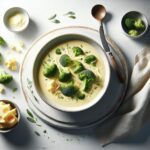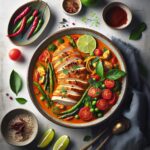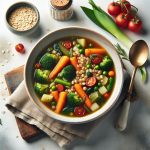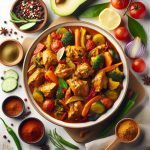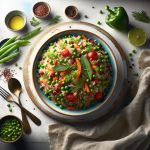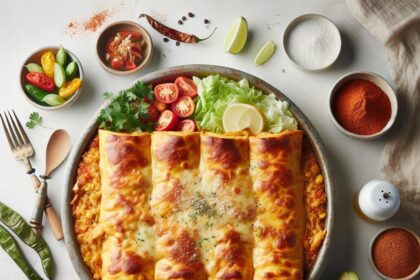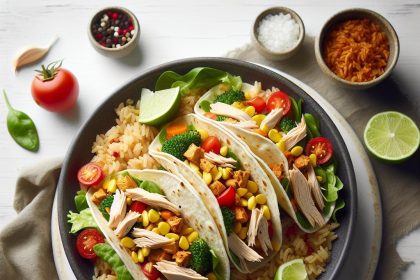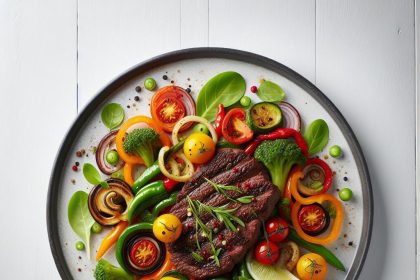

In the sun-kissed landscapes of Anatolia, where ancient traditions mingle with vibrant flavors, a fiery gem known as the Turkey pepper ignites the senses and honors the culinary heritage of the region. More than just a spice, this pepper embodies the bold spirit of Anatolian cuisine-bringing warmth, zest, and a tantalizing kick to every dish it graces. From rustic village kitchens to bustling city markets, the Turkey pepper is a testament to the enduring passion for flavor that defines Turkey’s rich gastronomic tapestry. Join us as we delve into the origins, varieties, and spirited uses of this remarkable ingredient-an exquisite flame flickering in the heart of Anatolian cooking.
Turkey Pepper: A Fiery Delight from the Anatolian Kitchen
Turkey Pepper is a cornerstone of Anatolian cuisine, revered for its vibrant color, smoky aroma, and formidable heat that ignites the palate. In my years as a Culinary Content Creator and Food Stylist, I have seen how this fiery ingredient transforms simple dishes into culinary masterpieces. Originating from the sun-kissed regions of Anatolia, the Turkey Pepper carries centuries of tradition-each handpicked pepper telling a story of cultural richness and bold flavors. Whether dried, crushed, or used fresh, its deep red hues and unique Scoville heat bind families and food lovers through unforgettable meals.
Prep and Cook Time
Preparation: 20 minutes | Cooking: 35 minutes | Total Time: 55 minutes
Yield
Serves 4 generous portions
Difficulty Level
Medium – perfect for cooks with some experience in handling bold spices
Ingredients
- 3 large fresh Turkey Peppers, seeds removed and finely chopped
- 2 tablespoons extra virgin olive oil
- 1 large onion, finely diced
- 3 cloves garlic, minced
- 1 cup ripe tomatoes, chopped
- 1 teaspoon smoked paprika
- 1 teaspoon ground cumin
- 1 tablespoon Tomato paste
- 1/2 cup water or vegetable broth
- Salt to taste
- Fresh parsley for garnish
- 1 teaspoon lemon juice (optional)
Instructions
- Heat the olive oil in a heavy-bottomed saucepan over medium heat. Add the onion and sauté until translucent, about 5-7 minutes, stirring occasionally.
- Add the garlic and chopped Turkey Peppers. Cook for another 4-5 minutes, allowing the peppers to soften while releasing their smoky aroma and natural heat.
- Stir in the chopped tomatoes, tomato paste, smoked paprika, and ground cumin. Mix thoroughly to marry the spices and vegetables, sautéing until the tomatoes begin to break down, roughly 10 minutes.
- Pour in the water or vegetable broth and season with salt. Bring the mixture to a simmer, then reduce the heat to low and cover. Let it gently cook for 15 minutes, stirring occasionally to prevent sticking.
- Remove the lid and increase heat slightly to thicken the sauce; simmer uncovered for another 5 minutes.
- Finish with a squeeze of lemon juice to brighten the deep flavors and garnish with freshly chopped parsley before serving.
Tips for Success
- Choose Turkey Peppers that are firm with a vibrant red color for the best flavor and heat intensity.
- To moderate the heat, remove all seeds and membranes before chopping; for full kick, leave some seeds intact.
- If fresh Turkey Peppers are unavailable, high-quality dried Turkey Pepper flakes can be used; rehydrate in warm water for 15 minutes before cooking.
- This sauce is versatile-great for adding depth to stews, grilled veggies, or as a bold spread for traditional flatbreads.
- Make ahead and refrigerate for up to 3 days; flavors deepen and develop beautifully when reheated gently.
Serving Suggestions
This fiery Turkey Pepper sauce shines atop grilled eggplants or chickpea stew, adding warmth and complexity. Serve with rustic Anatolian flatbread or a side of creamy yogurt to balance the heat. Garnish generously with fresh parsley and a drizzle of olive oil for an inviting, colorful presentation that is as pleasing to the eye as it is to the palate.

| Nutritional Info | Per Serving |
|---|---|
| Calories | 120 kcal |
| Protein | 2g |
| Carbohydrates | 15g |
| Fat | 7g |
Discover more about bold Anatolian flavors in our guide to Anatolian Spices and learn about the science of chili heat at PepperScale’s Scoville Scale Guide.
Q&A
Q: What is Turkey pepper, and why is it called a fiery delight?
A: Turkey pepper, also known as “Anatolian fire,” is a vibrant, spicy pepper native to the rich soils of Turkey’s Anatolian region. Its intense heat and smoky, fruity undertones make it a beloved staple in Turkish kitchens, often described as a “fiery delight” for its bold flavor that awakens the palate with every bite.
Q: How is Turkey pepper typically used in Anatolian cuisine?
A: In Anatolian cooking, Turkey pepper is incredibly versatile. It is ground into a coarse or fine powder to season meats, vegetables, and stews. It also adds a vibrant color and an intriguing heat to dishes like kebabs, lentil soups, and stuffed eggplants. Beyond seasoning, it can be infused into oils or sprinkled over breads and cheeses for added zest.
Q: What makes the flavor profile of Turkey pepper unique compared to other hot peppers?
A: Unlike many hot peppers that emphasize sheer heat, Turkey pepper balances its spiciness with a subtle smokiness and a hint of fruitiness. This complexity allows it to complement rather than overpower dishes, offering a rich depth that’s both warming and aromatic – a sensory experience closely tied to the flavors of Anatolia.
Q: Can Turkey pepper be used in vegetarian or vegan cooking?
A: Absolutely! Turkey pepper is a fantastic addition to vegetarian and vegan dishes. Its bold, spicy notes elevate simple vegetable stews, roasted legumes, and grain dishes. It pairs beautifully with ingredients like eggplant, tomatoes, chickpeas, and fresh herbs, making plant-based meals full of flavor and character.
Q: How do local farmers in Anatolia cultivate Turkey pepper?
A: Turkish farmers cultivate Turkey pepper with care, often using traditional, organic methods that emphasize soil health and natural irrigation. The peppers thrive in the region’s unique climate, where hot days and cooler nights intensify their flavor and heat. Harvesting is typically done by hand to ensure peak ripeness and quality.
Q: Are there any health benefits associated with Turkey pepper?
A: Yes, Turkey pepper contains capsaicin, a natural compound known for boosting metabolism and reducing inflammation. It’s also rich in vitamins A and C, which promote immunity and skin health. Traditionally, its warming properties have been used to soothe digestion and improve circulation in Anatolian folk medicine.
Q: How can someone unfamiliar with Turkey pepper incorporate it into their cooking at home?
A: Start small – a pinch of Turkey pepper can transform a simple salad dressing, roasted vegetable dish, or homemade soup. Experiment by adding it to tomato-based sauces or sprinkling it over grilled chicken or fish. Its smoky warmth enhances many dishes, so let your taste buds guide how fiery you want your creation to be!
Q: Is Turkey pepper available outside of Turkey, and how should it be stored?
A: Increasingly, Turkey pepper can be found in specialty spice shops and online markets worldwide, often labeled as Anatolian or Turkish chili. Keep it stored in an airtight container away from light and heat to preserve its vibrant color and intense flavor. Ground forms retain freshness for about six months, while whole dried pods can last longer.
Q: What cultural significance does Turkey pepper hold in Anatolia?
A: Beyond its culinary use, Turkey pepper is a symbol of Anatolian heritage and hospitality. It is often used in family recipes passed down through generations, and its presence at the table represents warmth, comfort, and the vibrant spirit of Turkish home cooking. Sharing dishes spiced with Turkey pepper is a way to connect, celebrate, and honor tradition.
Q: Can Turkey pepper be combined with other spices to create unique blends?
A: Definitely! Turkey pepper blends beautifully with sumac, cumin, coriander, and smoked paprika, creating layered spice mixes that capture the essence of Anatolian flavors. These blends can be used as rubs for grilled vegetables, marinades for tofu or legumes, or sprinkled over freshly baked flatbreads for an authentic taste experience.
Insights and Conclusions
As the flames of Anatolia’s rich culinary heritage continue to dance through every dish, the Turkey pepper stands proudly as a fiery emblem of flavor and tradition. This vibrant, bold ingredient offers more than just heat-it carries the stories of generations, the sun-soaked soils of the region, and a zest for life that transforms any meal into an unforgettable experience. Whether you’re a seasoned spice lover or a curious newcomer, embracing the Turkey pepper is an invitation to savor the heart of Anatolian cuisine, one fiery bite at a time. So next time you reach for that bottle or fresh pod, remember: you’re not just adding spice-you’re igniting a legacy.