
In the realm of culinary delights, few ingredients boast the captivating allure of herbs when paired with succulent chicken. “Unlocking Flavor: The Aromatic Secrets of Chicken Herb” invites you on a sensory journey deep into the garden of fragrant wonders that transform a simple dish into an unforgettable feast. From the earthy whispers of rosemary to the bright zing of thyme, these botanical treasures unlock layers of taste and aroma that dance harmoniously with tender poultry. Join us as we unravel the mysteries behind these verdant gems, revealing how their aromatic compounds awaken the palate and elevate chicken from everyday fare to a celebration of flavor.
Unlocking Flavor: The Aromatic Secrets of Chicken Herb begins with understanding how the unique combination of herbs transforms a simple chicken dish into an unforgettable culinary experience. Drawing from Mediterranean and Provençal traditions, this herb blend balances fragrant, earthy, and slightly sweet notes that synergize with the natural umami of chicken. The magic lies not only in the individual herbs but in how their essential oils interact during marination and cooking, releasing volatile compounds that deepen flavor and aroma. Imagine tender chicken infused with fresh rosemary’s piney brightness, thyme’s subtle woodiness, and the vibrant lift of lemon zest-all merging seamlessly with each bite.
Prep and Cook Time
- Prep Time: 20 minutes
- Marination Time: 2-4 hours (or overnight for best flavor)
- Cook Time: 25-30 minutes
Yield
Serves 4 hearty portions
Difficulty Level
Easy to Medium – perfect for home cooks aiming to impress with elevated flavors and approachable techniques
Ingredients
- 4 boneless, skinless chicken breasts, pounded to even thickness
- 3 tbsp extra virgin olive oil
- 2 tbsp fresh rosemary, finely chopped
- 1 tbsp fresh thyme, leaves only
- 1 tbsp dried oregano
- 2 cloves garlic, minced
- Zest of 1 lemon (organic preferred)
- 2 tbsp fresh parsley, chopped
- 1 tsp sea salt
- ½ tsp freshly ground black pepper
- 1 tbsp honey (optional, for subtle balance)
- Juice of 1 lemon
Instructions
- Prepare the herb marinade: In a medium bowl, combine the olive oil, chopped rosemary, thyme, dried oregano, minced garlic, lemon zest, parsley, salt, pepper, honey (if using), and lemon juice. Whisk vigorously until well blended.
- Marinate the chicken: Place the chicken breasts in a large zip-lock bag or glass container. Pour the herb mixture evenly over the chicken, ensuring all pieces are well coated. Seal or cover and refrigerate for 2 to 4 hours; overnight marination yields a more intense aroma and tenderness.
- Preheat your pan or grill: Heat a heavy skillet (preferably cast iron) over medium-high heat or prepare your grill for direct heat cooking.
- Cook the chicken: Remove chicken from marinade, letting excess drip off. Sear chicken in the hot skillet for about 5-6 minutes per side, or until golden brown and cooked through (internal temperature of 165°F/74°C). Avoid overcrowding; cook in batches if necessary.
- Rest and serve: Transfer cooked chicken to a warm plate and cover loosely with foil. Let rest for 5 minutes to lock in juices and flavor.
Tips for Success: Expert Insights to Maximize Flavor Impact
- Fresh vs. Dried Herbs: Fresh herbs impart a vivid brightness but be mindful that dried herbs concentrate flavor more intensely. Balance your quantities accordingly; for instance, reduce dried herbs by half if substituting for fresh.
- Layering Aroma: Gently crush herbs like rosemary and thyme before adding to the marinade to release essential oils and deepen flavor complexity.
- Marination Time: While 2 hours is sufficient to enhance taste, an overnight soak radically improves tenderness and aroma depth, especially for lean chicken breasts.
- Cooking Tip: Avoid high flames that char herbs quickly; moderate heat preserves aromatic oils and creates a gorgeously caramelized crust.
- Alternative Herbs: Experiment by adding a pinch of dried lavender or tarragon for unique floral notes that elevate traditional blends.
Serving Suggestions
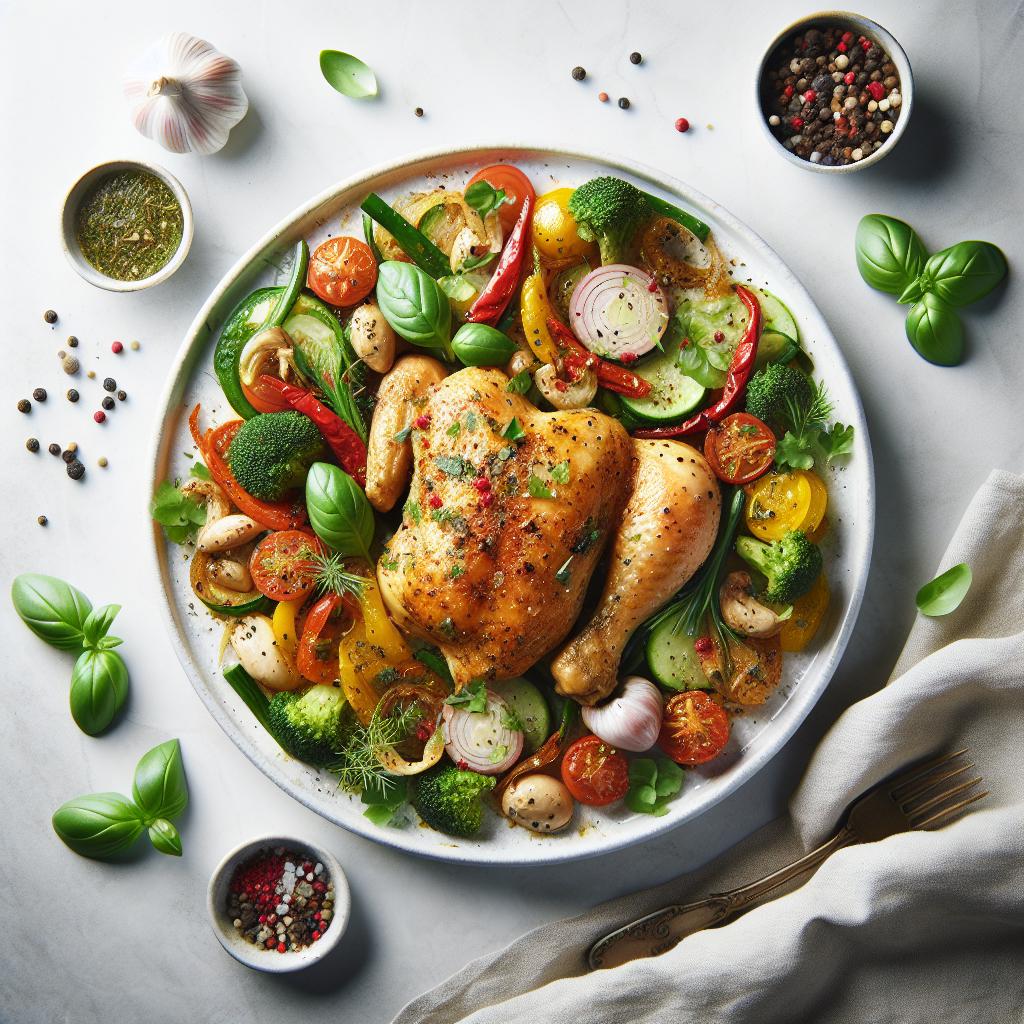
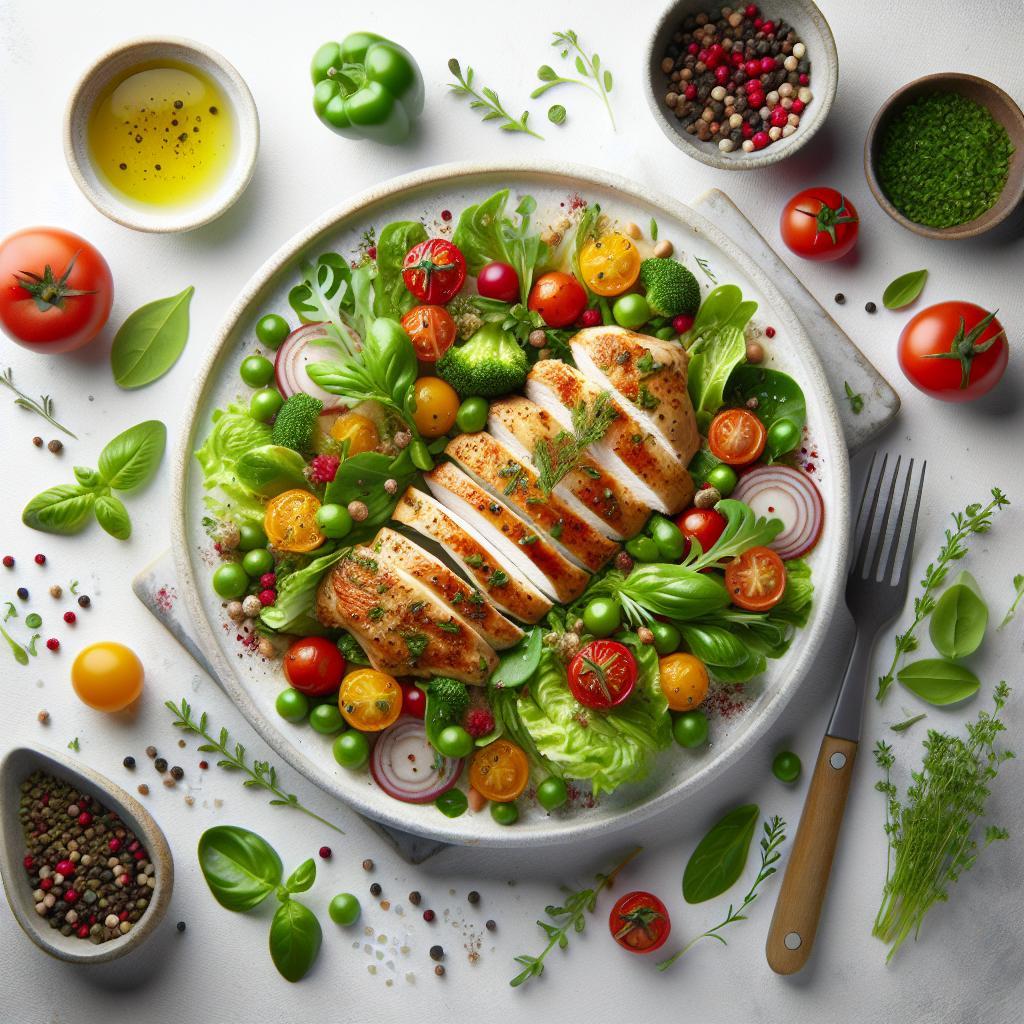
Present this herb-infused chicken atop a bed of fluffy couscous or garlic mashed potatoes to soak up any extra juices. Garnish with a sprig of rosemary, a lemon wedge for zest, and a scattering of freshly chopped parsley for color and freshness. A drizzle of good-quality extra virgin olive oil adds a luscious final touch. Complement with a crisp green salad featuring cucumber, radish, and a light vinaigrette for balanced texture and flavor.

| Nutrient | Amount per Serving |
|---|---|
| Calories | 280 kcal |
| Protein | 35 g |
| Carbohydrates | 4 g |
| Fat | 12 g |
For further inspiration on pairing ingredients and elevating chicken recipes, explore our Mediterranean Herb Chicken guide. To deepen your understanding of herbs’ impact on flavor, visit this scientific review on herbal aromatic compounds.
Q&A
Q&A: Unlocking Flavor – The Aromatic Secrets of Chicken Herb
Q1: What exactly is “chicken herb,” and why is it so special in cooking?
A1: Chicken herb isn’t a single herb, but rather a vibrant blend of aromatic herbs traditionally paired with chicken dishes to elevate flavor. Think rosemary, thyme, sage, and parsley – each lends its own unique note, creating a symphony of earthy, fresh, and slightly sweet aromas that transform ordinary chicken into a culinary masterpiece.
Q2: How do herbs enhance the flavor profile of chicken?
A2: Herbs act like flavor magnets, infusing the chicken with layers of complexity. Their essential oils release during cooking, permeating the meat with fragrant compounds that enhance natural savoriness. Whether used fresh or dried, herbs tenderize, brighten, and deepen every bite.
Q3: Can you explain the chemistry behind why certain herbs work so well with chicken?
A3: Absolutely! Chicken’s mild flavor creates a perfect canvas for herbs rich in volatile oils-like thymol in thyme and cineole in rosemary. These compounds blend with the proteins and fats in chicken, intensifying aroma and taste. The gentle herbal oils don’t overpower but instead complement the subtle sweetness of the meat.
Q4: What’s the best way to use chicken herbs for maximum aromatic impact?
A4: For an aromatic punch, try layering herbs at multiple stages: marinate chicken overnight with herb mixtures, sprinkle dried herbs into a spice rub, and garnish freshly chopped herbs just before serving. This multi-step approach releases and preserves aromatic oils, ticking every sensory box.
Q5: Are there any lesser-known herbs that can add an unexpected twist to chicken dishes?
A5: Definitely! Herbs like marjoram, tarragon, and lemon verbena bring delightful surprises. Marjoram offers a sweet, piney note; tarragon adds a hint of anise-like brightness; while lemon verbena lends citrusy freshness. Experimenting with these can unlock new, enchanting flavors beyond the familiar.
Q6: How can home cooks mimic professional chefs when using herbs with chicken?
A6: The secret is balance and timing. Avoid overwhelming chicken with too many herbs at once. Instead, select two or three complementary herbs. Use fresh herbs closer to the end of cooking to preserve aroma, and dried herbs earlier to develop depth. Respect the herb’s character-delicate parsley can’t be treated the same as robust rosemary.
Q7: Can herbs be used in other forms besides fresh or dried to enrich chicken dishes?
A7: Absolutely! Herb oils, infused butters, and homemade herb pastes can add both flavor and moisture. For example, an herb-infused olive oil brushed onto chicken before roasting creates a fragrant crust. Herb pastes blended with garlic and lemon can marinate the meat deeply and tenderize it simultaneously.
Q8: How do cultural traditions influence the use of herbs in chicken recipes around the world?
A8: Culinary cultures shape herb choices and combinations beautifully. Mediterranean cooking tends to favor oregano, thyme, and basil; Southeast Asian cuisines incorporate cilantro, lemongrass, and kaffir lime leaves; while Middle Eastern dishes often rely on za’atar and mint. Each tradition tells a story of local flora and flavor philosophies, making herbs not only seasoning but cultural markers.
Q9: Is it possible to grow your own chicken herb garden at home? What would you include?
A9: Definitely! Growing your own herb garden is a delightful way to keep fresh flavors at hand. For chicken-centric blends, include rosemary, thyme, sage, parsley, and oregano. These hardy herbs thrive in pots or garden beds and provide a continuous aromatic harvest that can be snipped fresh whenever inspiration strikes.
Q10: What final tips would you offer to someone looking to unlock the full flavor potential of chicken herbs?
A10: Trust your nose more than your eye. Aromatics tell you when flavor is alive-if the herbs smell strong and vibrant, your dish will follow. Don’t forget the magic of simplicity; sometimes a pinch of herb at the right moment can outshine a complex medley. Embrace experimentation, and let your kitchen become a fragrant laboratory of discovery!
In Conclusion
As we close the chapter on the aromatic wonders of chicken herb, it’s clear that these fragrant leaves are more than just a simple garnish-they are the unsung heroes of flavor, quietly transforming humble dishes into culinary masterpieces. By unlocking their secrets, you invite a symphony of scents and tastes into your kitchen, elevating every bite with nature’s own magic. So next time you reach for that bundle of fresh herbs, remember: you’re not just adding seasoning, you’re unlocking a world of flavor waiting to be discovered. Happy cooking, and may your dishes always be fragrant and full of life!