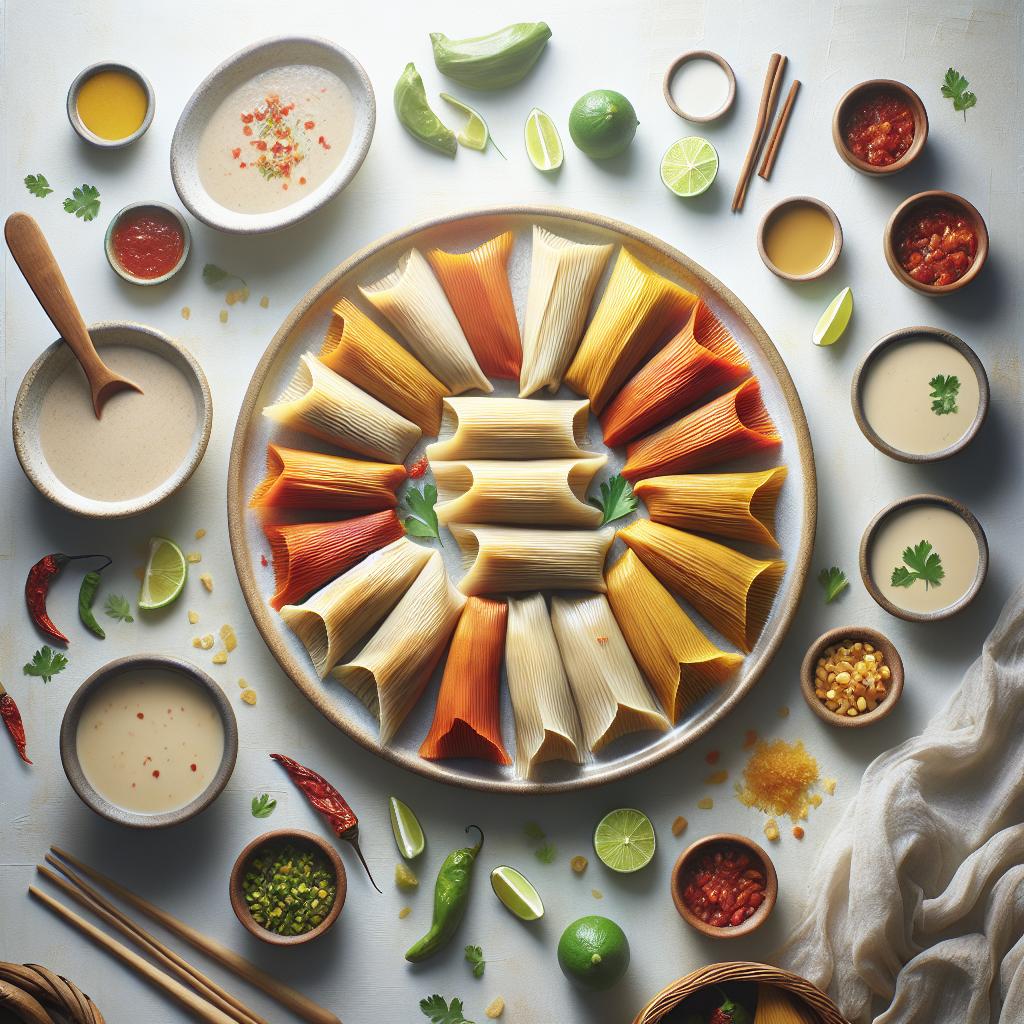

Wrapped in vibrant corn husks and steeped in centuries of tradition, Mexican tamales are much more than just a beloved dish-they are edible stories passed down through generations. These flavorful parcels, bursting with rich fillings and fragrant spices, embody the heart of Mexican culture and history. From ancient Aztec rituals to modern festive gatherings, tamales carry a legacy that blends culinary artistry with cultural identity. Join us as we unwrap the layers of this iconic delicacy, exploring its origins, variations, and the enduring significance that keeps tamales at the center of Mexican celebrations.
Origins and Cultural Significance of Mexican Tamales
Mexican Tamales have been a cornerstone of Mesoamerican cuisine for centuries, embodying a rich blend of history, culture, and culinary artistry. Originally crafted by the Aztecs and Mayans, tamales were prepared as portable, nourishing food for warriors and travelers, wrapped carefully in corn husks or banana leaves. Today, they remain a symbol of celebration and community, especially during festivals such as Día de los Muertos and Christmas, when families gather to create and share this treasured dish.
Each tamal tells a story of regional pride-the ingredients and fillings changing with geography, yet the core tradition of wrapping masa dough around savory or sweet fillings unites the country. They are more than food; they are a cultural ritual that preserves ancestral techniques and flavors.
Ingredients and Regional Variations That Define the Flavor
Authentic Mexican Tamales derive their complexity from carefully balanced ingredients and regional nuances. The masa, a dough made from finely ground corn treated with lime (nixtamalized), forms the heart of the tamale. This masa is often enriched with lard or vegetable shortening for tenderness and flavor, then seasoned to perfection.
- Central Mexico: Typically features red or green chili sauces with shredded chicken or turkey.
- Oaxaca: Known for tamales de mole, wrapped in banana leaves, enriched with complex mole sauces and chicken.
- Yucatán Peninsula: Offers sweeter tamales with ingredients like pineapple and habanero chili.
- Veracruz: Famous for seafood-filled tamales wrapped in banana leaves, giving a subtle sweetness and aromatic finish.
Vegetarian versions featuring beans, cheese, and poblano peppers make exceptional choices, keeping the tradition alive while honoring diverse palates. The choice of wrapping-corn husks or broad banana leaves-also influences aroma and texture, marking regional identity.
Step-by-Step Guide to Preparing Authentic Tamales at Home
Making Mexican Tamales at home is a deeply rewarding culinary adventure that connects you to a timeless tradition. Follow these detailed steps to create tender, flavorful tamales that are sure to impress.
Prep and Cook Time
- Preparation: 1 hour 30 minutes (includes soaking corn husks)
- Cooking: 1 hour to 1 hour 15 minutes steaming
Yield
- Makes approximately 20 tamales, serving 6-8 people
Difficulty Level
- Medium – requires time management and attention to detail
Ingredients
- 4 cups masa harina (corn flour for tamales)
- 2 ½ cups vegetable broth, warm
- 1 cup vegetable shortening or neutral oil
- 1 ½ tsp baking powder
- 2 tsp kosher salt
- 30 dried corn husks, soaked in warm water for 1 hour
- 2 cups shredded cooked chicken breast (can substitute with shredded jackfruit or mushrooms for vegetarian)
- 1 cup salsa verde or salsa roja.
- 1 medium onion, finely chopped
- 1 tbsp olive oil
- Fresh cilantro, finely chopped (optional, for garnish)
Instructions
- Prepare the Filling: Heat olive oil in a skillet over medium heat. Sauté onion until translucent, about 5 minutes. Mix the shredded chicken with salsa verde or roja, then combine with cooked onion. Keep warm.
- Prepare the Masa Dough: In a large bowl, whisk masa harina, baking powder, and salt. Slowly add the warm vegetable broth, mixing until smooth and pliable.
- Incorporate the Fat: Beat vegetable shortening into the masa dough with your hands or an electric mixer until light and fluffy-this ensures a tender texture.
- Assemble the Tamales: Drain and pat dry the soaked corn husks. Spread about 2 tablespoons of masa evenly over the inner flat side of a husk, leaving a 1-inch border on edges.
- Add Filling: Place a tablespoon of filling in the center of the masa.
- Wrap Tamales: Fold the sides of the husk to enclose the filling and dough, then fold up the bottom edge. Tie with thin strips of husk if needed.
- Steam: Arrange tamales upright in a steamer basket, open end up. Cover with a damp kitchen towel and lid. Steam over boiling water for 1 to 1 hour 15 minutes. Check water level every 20 minutes and add hot water if necessary.
- Check Doneness: Tamales are done when masa pulls away easily from husks and feels firm.
- Serve Warm: Let tamales rest for 10 minutes before serving to set.
Pairing Tamales with Traditional Salsas and Beverages for the Perfect Meal
To elevate your Mexican Tamales experience, pair them with an array of traditional salsas and drinks that highlight their flavors. For a zesty complement, try pico de gallo or a smoky roasted tomatillo salsa. A rich mole sauce adds depth, especially if you choose simpler masa fillings.
For beverages, atole (a warm, thick corn-based drink flavored with cinnamon or vanilla) beautifully contrasts the savory tamales. Alternatively, chilled agua fresca such as hibiscus or tamarind offers a refreshing balance. These pairings not only enhance taste but also honor Mexican culinary customs, making every bite a celebration.
Tips for Success
- Use fresh masa harina and ensure proper hydration for a moist, fluffy dough.
- Soak corn husks thoroughly to prevent tearing and ease folding.
- Steam tamales upright with a towel to trap steam for even cooking.
- Make extra tamales-they freeze well and reheat beautifully in a steamer or microwave wrapped in a damp towel.
- Experiment with regional fillings like roasted poblano peppers with cheese or chile and sweet fruits for dessert tamales.
Serving Suggestions
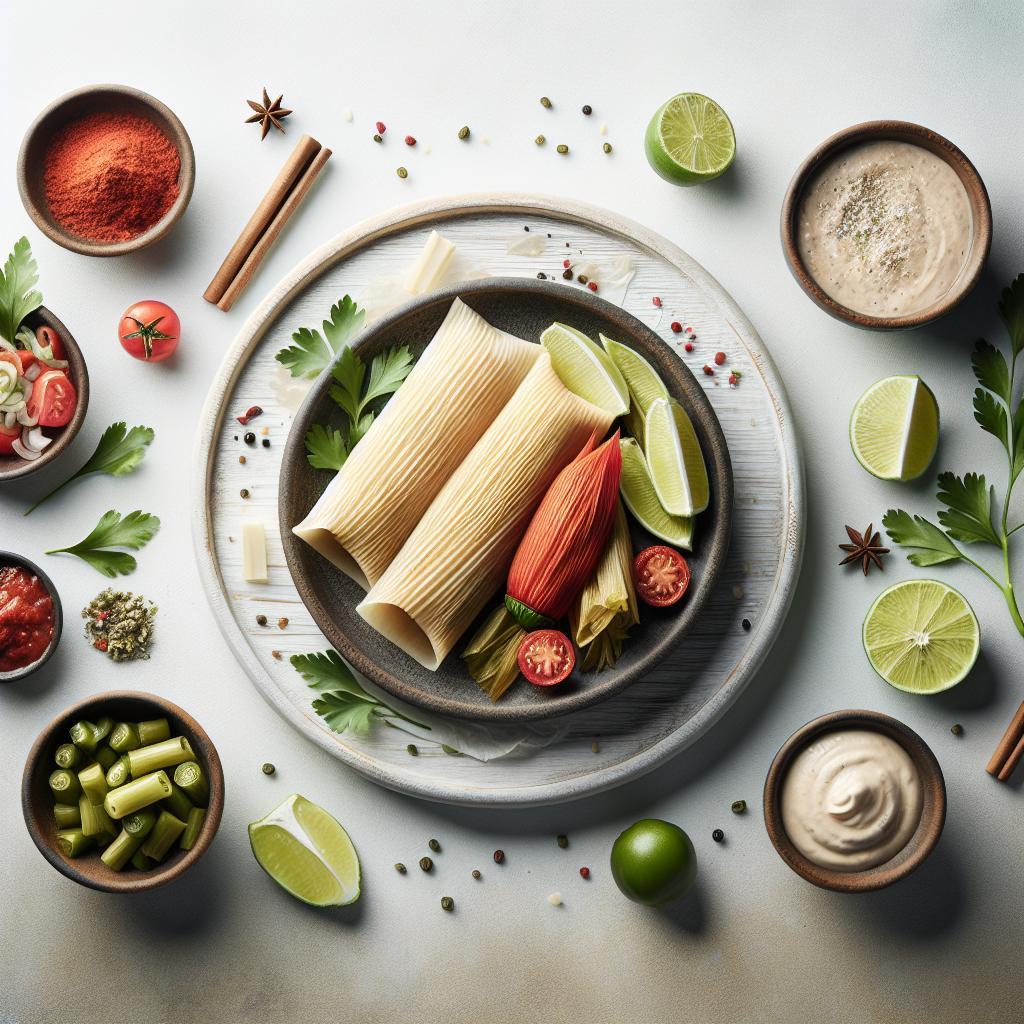
Present your tamales on a large platter lined with fresh banana leaves or extra corn husks for a rustic, authentic touch. Garnish with freshly chopped cilantro, lime wedges, and sliced radishes. Serve alongside small bowls of salsa and creamy Mexican crema or dairy-free alternatives for dipping. A sprinkle of crumbled queso fresco adds a delightful finish if desired.

| Nutrient | Per Serving |
|---|---|
| Calories | 320 kcal |
| Protein | 18 g |
| Carbohydrates | 35 g |
| Fat | 9 g |
For a deeper dive into Mexican cuisine, explore our Mexican Food Traditions post. For historical and cultural insights, visit Library of Congress.
Q&A
Q&A: Mexican Tamales: A Flavorful Tradition Wrapped in History
Q1: What exactly is a tamale?
A1: A tamale is a traditional Mexican delicacy made from masa, a dough crafted from ground corn, which is then filled with an array of savory or sweet ingredients. The entire package is wrapped in corn husks or banana leaves and steamed to perfection, creating a portable bundle of rich flavors and textures.
Q2: Where did tamales originate?
A2: Tamales have ancient roots tracing back thousands of years to Mesoamerican civilizations, including the Aztecs and Mayans. Originally crafted as nourishing, easy-to-carry food for hunters and warriors, tamales evolved into a celebratory dish that holds a cherished spot in Mexican culture today.
Q3: What are some common fillings in traditional Mexican tamales?
A3: Traditional fillings may include chicken or beef stews seasoned with bold spices, vibrant chilies, fresh herbs, and sometimes beans or cheese. Sweet varieties might boast fillings like cinnamon-spiced raisins or fruits. These fillings beautifully complement the mild, creamy masa surrounding them.
Q4: Why is masa important in tamale making?
A4: Masa, made from nixtamalized corn, is the heart and soul of the tamale. This unique process enhances the corn’s flavor and nutritional profile. The masa’s soft yet firm texture provides the perfect vessel to hold fillings and absorb the steam, making each bite a harmonious blend of flavors.
Q5: How are tamales traditionally cooked?
A5: After wrapping, tamales are traditionally steamed in a large pot called a tamalera. This gentle cooking method ensures the masa becomes fluffy and fully cooked without drying out. Steaming also helps the flavors from the fillings meld beautifully with the masa’s delicate corn essence.
Q6: Are tamales tied to any specific celebrations?
A6: Absolutely! Tamales often feature prominently during Mexican festivities such as Día de los Muertos, Christmas, and Las Posadas. Making tamales is itself a social occasion – families and communities gather to prepare large batches, weaving tradition, storytelling, and shared heritage into the process.
Q7: Can tamales vary by region in Mexico?
A7: Yes, regional diversity is a hallmark of tamales. From the green chile and cheese tamales of Oaxaca to the sweet tamales of Veracruz wrapped in banana leaves, each region adds its unique twist, reflecting local ingredients, climates, and cultural influences, making tamales a delicious mosaic of Mexican identity.
Q8: What makes tamales a symbol of Mexican culture?
A8: Tamales embody resilience, community, and creativity. Wrapped in history and bursting with flavor, they are a delicious testament to Mexico’s rich culinary heritage, a bridge across generations, and a reminder that food is much more than sustenance – it’s storytelling on a plate.
Q9: Can tamales be enjoyed by people with dietary restrictions?
A9: Absolutely! Tamales can be customized to suit various dietary needs, including vegetarian or vegan options that feature beans, vegetables, or mushrooms. The flexibility of masa and the tradition of tamale-making invite endless creativity while honoring the essence of this beloved dish.
Q10: How can someone new to tamales best experience their authentic flavor?
A10: Dive into tamales by seeking out local Mexican markets or family-owned eateries where traditional recipes are lovingly preserved. Pair this experience with learning about the stories behind the tamales-each bite carries centuries of culture, love, and history waiting to be savored.
In Conclusion
From bustling street markets to festive family gatherings, Mexican tamales continue to embody a rich tapestry of culture, craftsmanship, and culinary delight. Each tender bite is more than just food-it’s a savory story, a warm connection to ancestors, and a celebration of heritage wrapped lovingly in corn husk or banana leaf. As you savor the flavors and textures of tamales, you’re not only indulging in a timeless dish but also participating in a vibrant tradition that has nourished generations. Whether enjoyed during holidays or simple moments of togetherness, tamales remain a delicious testament to Mexico’s enduring spirit and the power of food to unite communities across time and place.