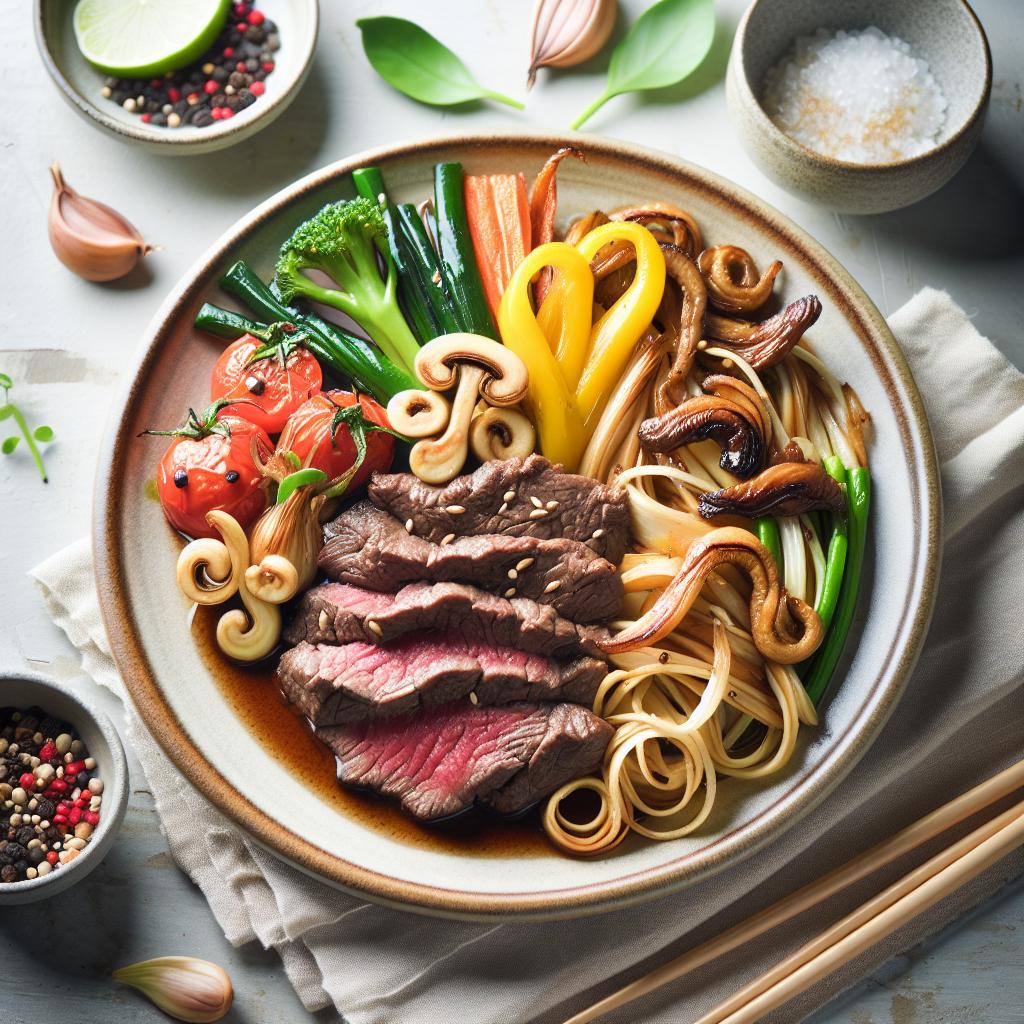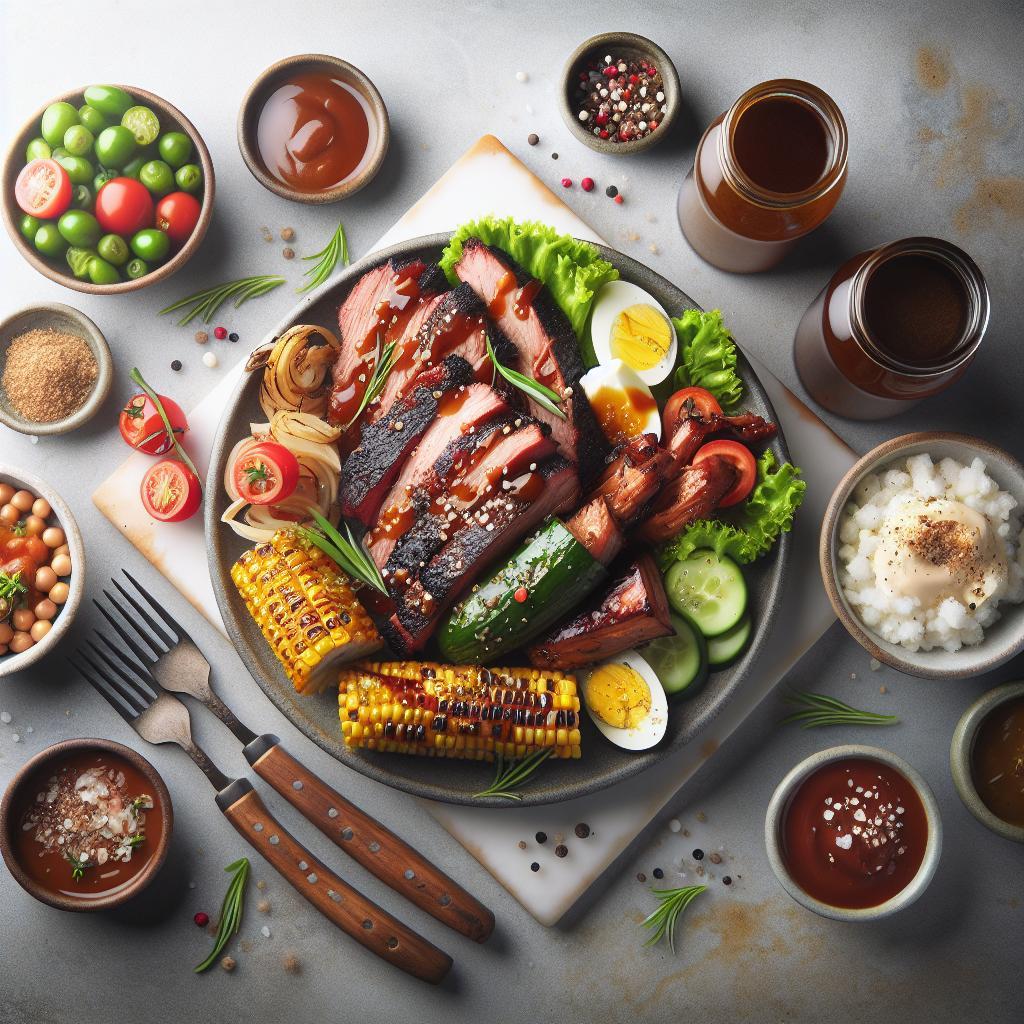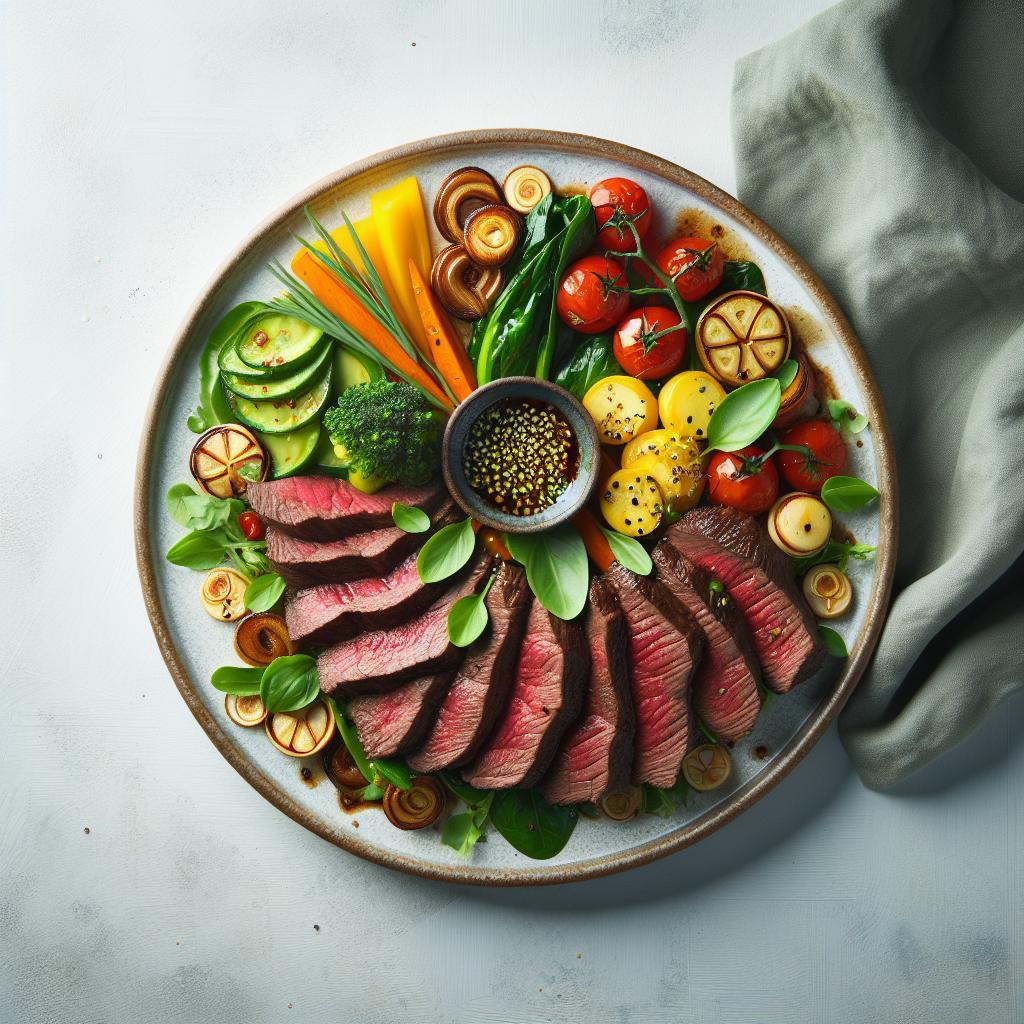

There’s something timeless about the sizzle of a perfect cut of beef meeting a hot pan-the rich aroma, the satisfying sear, and the promise of a meal steeped in tradition and flavor. Beef has long held a special place at tables across the world, inspiring culinary creativity and bringing people together in celebration. In this article, we invite you to savor the art of beef through a flavorful journey of recipes, expert tips, and cultural traditions that elevate this beloved ingredient from a simple protein to a masterpiece on your plate. Whether you’re a seasoned cook or a curious foodie, prepare to unlock the secrets behind tender textures, bold marinades, and classic preparations that honor beef’s enduring appeal.
Savoring the art of beef begins with understanding the incredible variety of cuts available, each offering unique textures and flavors that inspire culinary creativity. From beautifully marbled ribeye that melts in your mouth to the robust and richly flavored chuck perfect for slow cooking, every cut has a story and purpose. Whether you’re searing, braising, or grilling, knowing the best cooking techniques unlocks tenderness and depth in your beef dishes.
Prep and Cook Time
Preparation: 20 minutes | Cooking: 1 hour 15 minutes
Yield
Serves 4 hearty portions
Difficulty Level
Medium
Ingredients
- 2 lbs beef chuck roast, trimmed and cut into 2-inch cubes
- 2 tbsp olive oil
- 1 large yellow onion, diced
- 4 cloves garlic, finely minced
- 2 large carrots, peeled and sliced into thick rounds
- 1 cup beef broth, low sodium
- 1 tbsp tomato paste
- 2 tbsp soy sauce, enhances umami
- 1 tbsp Worcestershire sauce
- 1 tsp smoked paprika
- 1 tsp dried thyme
- 2 bay leaves
- Salt and freshly ground black pepper, to taste
- Fresh parsley, chopped for garnish
Instructions
- Preheat your oven to 325°F (160°C). Pat the beef cubes dry with paper towels to ensure a beautiful sear.
- Season the beef generously with salt, pepper, smoked paprika, and dried thyme.
- Heat olive oil in a heavy-bottomed Dutch oven over medium-high heat. Sear the beef cubes in batches until deep brown on all sides, about 3-4 minutes per batch. Remove and set aside.
- Add the diced onion and garlic to the same pot. Sauté until translucent and fragrant, approximately 5 minutes, stirring frequently.
- Stir in the tomato paste and cook for 2 minutes to develop richness and remove any raw flavor.
- Deglaze the pot with beef broth, scraping up all browned bits from the bottom – this step is crucial for flavor depth.
- Return the seared beef, carrots, soy sauce, Worcestershire sauce, and bay leaves to the pot. Bring the mixture to a gentle simmer on the stovetop.
- Cover with a tight-fitting lid and transfer to the preheated oven. Cook for 1 hour to 1 hour 15 minutes, or until beef is fork-tender and vegetables are soft.
- Remove the bay leaves. Adjust seasoning with salt and pepper to taste.
- Garnish with chopped fresh parsley before serving to brighten the dish visually and flavor-wise.
Chef’s Notes: Tips for Success
- Choosing the cut: Chuck roast is perfect for slow braising because of its connective tissue which breaks down into luscious gelatin, enriching the sauce.
- Marinades to elevate: For even deeper flavor, marinate the beef cubes overnight in a mixture of soy sauce, crushed garlic, and ginger before cooking.
- Stovetop alternative: If you don’t have an oven-safe pot, cover and simmer on low heat on the stovetop for 90 minutes for gentle and even cooking.
- Vegetable variations: Consider adding parsnips or turnips for an earthy twist or mushrooms for umami complexity.
- Make-ahead: This dish improves the next day as flavors meld; reheat gently to retain tenderness.
Serving Suggestions
Serve the tender beef stew over creamy mashed potatoes, buttery polenta, or simply with crusty artisanal bread to soak up every drop of the luscious sauce. A vibrant side salad with crisp greens and a splash of citrus vinaigrette can offer refreshing contrast. Finish with a sprinkle of freshly chopped parsley or rosemary sprigs for aromatic allure and striking presentation.

| Nutrient | Per Serving |
|---|---|
| Calories | 420 kcal |
| Protein | 38 g |
| Carbohydrates | 12 g |
| Fat | 22 g |
Explore additional rich and diverse beef recipes in our Ultimate Guide to Beef Cuts and deepen your culinary skills with insights from the USDA Food Safety and Inspection Service.
Q&A
Q&A: Savoring the Art of Beef: Recipes, Tips, and Traditions
Q1: What makes beef such a beloved ingredient in culinary traditions around the world?
A1: Beef has long been celebrated for its rich, savory flavor and versatile texture. Its depth of taste, from the marbled fat to the lean cuts, allows chefs and home cooks alike to craft dishes that range from hearty stews to elegant roasts. Across cultures, beef symbolizes warmth, sustenance, and celebration, making it a centerpiece in many traditional feasts.
Q2: How can I choose the best cut of beef for different cooking methods?
A2: Selecting the right cut hinges on the cooking style. Tender cuts like ribeye or tenderloin shine when grilled or pan-seared, offering buttery textures and intense flavors. Tougher cuts such as chuck or brisket reward slow cooking, as low, steady heat transforms them into melt-in-your-mouth delicacies. Knowing your cut is the first step to unlocking beef’s full potential.
Q3: Are there traditional seasonings or marinades that enhance beef’s natural flavors?
A3: Indeed! Classic seasonings like garlic, rosemary, black pepper, and smoked paprika complement beef’s savory profile beautifully. Marinades rich in soy sauce, citrus, or balsamic vinegar introduce layers of complexity and tenderize the meat gently. From rustic dry rubs to vibrant herb blends, tradition offers a palette of flavors that elevate every bite.
Q4: What techniques can home cooks use to ensure juicy, flavorful beef dishes?
A4: Mastering beef is an art of timing and temperature. Resting the meat after cooking redistributes juices for succulence. Searing quickly locks in flavor, creating a perfect crust. Using a meat thermometer helps achieve the ideal doneness, be it rare or well-done. Additionally, slicing against the grain guarantees tender bites.
Q5: How do cultural traditions shape the way beef is prepared and enjoyed?
A5: Cultural heritage breathes life into beef recipes, turning simple ingredients into storytelling experiences. For example, Argentine asado rituals celebrate communal grilling with specific cuts and cuts’ placement on the fire. Indian cuisine infuses beef with aromatic spices and slow-cooks it to create rich curries. Each tradition adds a unique rhythm and soul to the act of savoring beef.
Q6: Can you share a simple yet impressive beef recipe for someone new to cooking beef?
A6: Absolutely! Try a classic pan-seared ribeye seasoned simply with salt, pepper, and fresh thyme. Heat a cast-iron skillet until smoking hot, sear the ribeye for 3-4 minutes per side for medium-rare, then rest it for 5 minutes. Serve alongside roasted root vegetables or a crisp salad. This straightforward approach highlights the natural grandeur of quality beef.
Q7: What is the significance of aging beef, and how does it affect flavor and texture?
A7: Aging beef, particularly dry-aging, concentrates flavors and tenderizes meat by allowing natural enzymes to break down muscle fibers over time. This process enriches the beef’s complexity, giving it a nutty, buttery depth that fresh meat lacks. While wet-aging is quicker and still effective, dry aging remains a coveted tradition for gourmet steaks.
Q8: How can I responsibly source beef to support sustainable and ethical practices?
A8: Seek out local farms or suppliers that prioritize animal welfare, pasture-raised cattle, and environmentally conscious grazing. Certifications like grass-fed, organic, or regenerative agriculture signal commitment to sustainability. Engaging with your butcher to learn about the farm’s practices connects you directly to the source, ensuring quality and conscience go hand in hand.
This Q&A invites readers to explore beef not just as an ingredient, but as a cultural treasure and culinary muse, inspiring both novice and experienced cooks to savor its artful potential.
Closing Remarks
As the last bite lingers on the palate and the aroma of seared beef memories fade into the evening air, we find that savoring the art of beef is more than just a meal-it’s a celebration of tradition, technique, and passion. From carefully crafted recipes to time-honored tips passed down through generations, this journey invites you to explore the rich textures and bold flavors that make beef a culinary centerpiece around the world. So, whether you’re a seasoned grillmaster or an eager home cook, embrace the craft, honor the heritage, and let each dish tell its story-because in every cut lies a delicious adventure waiting to be savored.