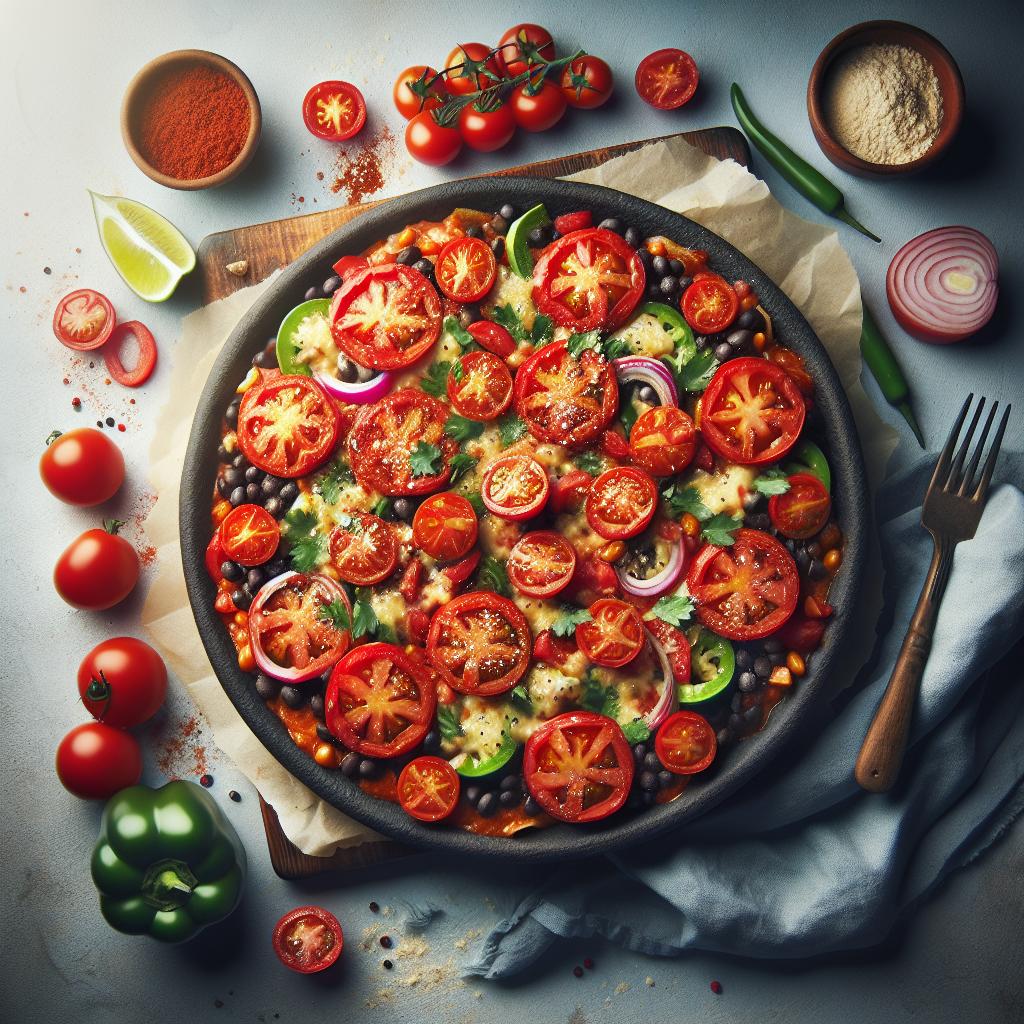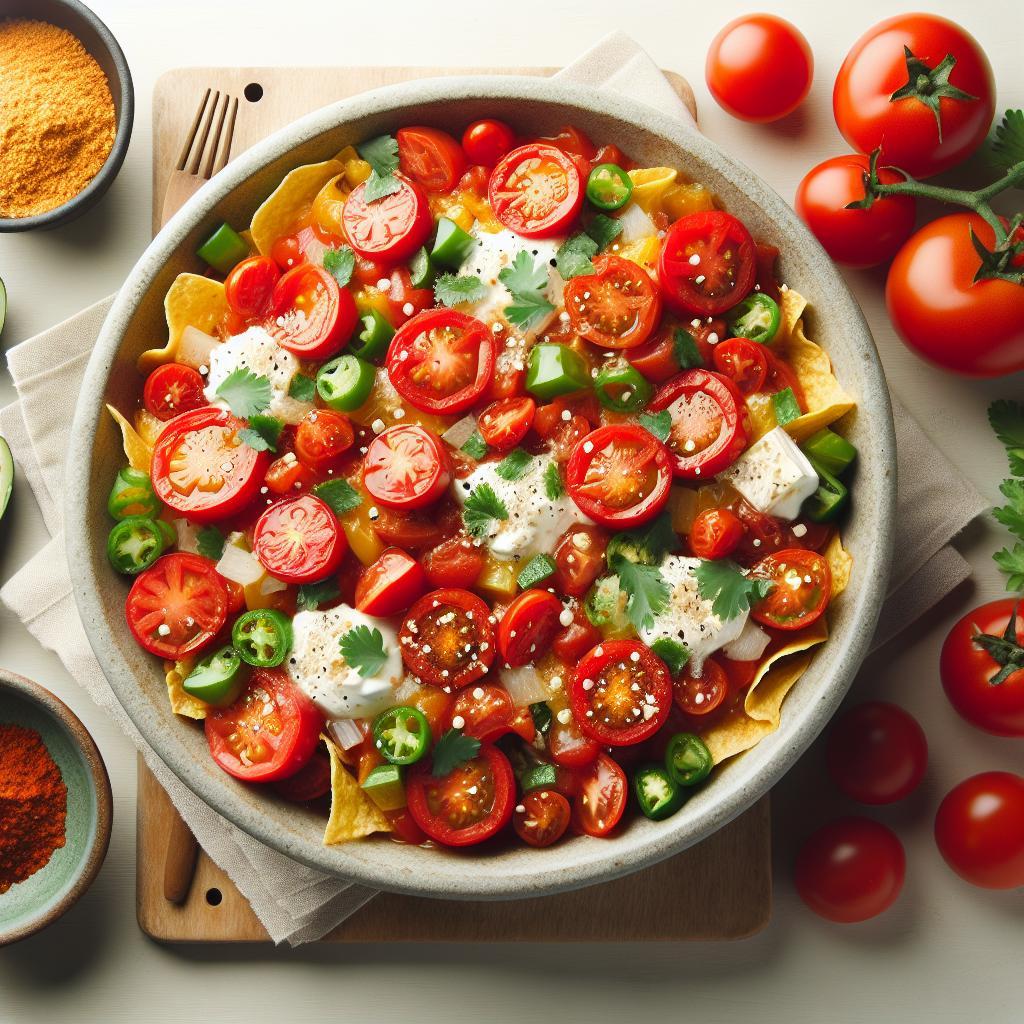

Beneath the blazing sun of Mexico’s fertile valleys, a vibrant red gem has been thriving for centuries-bursting with flavor, history, and cultural significance. The Mexican tomato, far more than just a kitchen staple, is a living testament to the country’s rich agricultural heritage and culinary creativity. From its ancient wild ancestors to the countless recipes that celebrate its juicy essence, the story of the Mexican tomato unfolds like a colorful mosaic, revealing its origins, transformations, and enduring role in both traditional and modern gastronomy. Join us as we dive into the captivating journey of this beloved fruit, exploring its past and savoring its multifaceted uses that continue to enrich tables around the world.
The Vibrant Story of the Mexican Tomato: Origins & Uses
The vibrant story of the Mexican tomato comes alive each time you slice into its sun-kissed, ruby flesh. As a cornerstone ingredient in Mexican gastronomy, the tomato’s historical roots echo beautifully in beloved dishes that burst with flavor and tradition. From sun-drenched heirloom cultivars growing in indigenous plots to fiery salsas and hearty stews, this fruit embodies a legacy vibrant with culture, nourishment, and culinary creativity.
Prep and Cook Time
- Preparation Time: 15 minutes
- Cooking Time: 35 minutes
Yield
Serves 4 generous portions
Difficulty Level
Medium – Perfect for adventurous home cooks eager to delve into authentic Mexican flavors
Ingredients
- 6 medium ripe Mexican tomatoes, roughly chopped
- 1 large white onion, finely diced
- 3 cloves fresh garlic, minced
- 2 fresh serrano chilies, seeded and chopped
- 1 cup fresh cilantro leaves, chopped
- 1 tablespoon freshly squeezed lime juice
- 2 tablespoons extra virgin olive oil
- 1 teaspoon ground cumin
- Salt and freshly ground black pepper to taste
- 1/4 cup vegetable broth (optional for thinning)
- 2 cups cooked black beans, rinsed and drained
- 1 small avocado, diced (for garnish)
Instructions
- Prepare the tomatoes: In a hot skillet, roast the chopped tomatoes, onion, garlic, and serrano chilies over medium-high heat. Allow them to char slightly, turning occasionally, until soft and fragrant, about 10 minutes. This charring intensifies the authentic Mexican tomato flavor.
- Blend the ingredients: Transfer the roasted mixture to a blender along with the cilantro, cumin, lime juice, olive oil, salt, and pepper. Pulse until you reach a chunky salsa-like consistency. If you prefer a thinner consistency, slowly add the vegetable broth and blend to your desired texture.
- Simmer the sauce: Pour the blended salsa into a saucepan and bring to a gentle simmer over low heat. Let it meld together for 10 minutes, stirring occasionally to prevent sticking and allow complex flavors to develop.
- Combine with black beans: Stir in the cooked black beans and heat through for another 5 minutes. The beans absorb the vibrant tomato essence, turning the dish hearty and fulfilling.
- Final seasoning: Taste and adjust the seasoning with salt, lime juice, or additional heat if preferred.
- Serve and garnish: Spoon into bowls and garnish with diced avocado and a sprinkle of fresh cilantro for a creamy contrast.
Tips for Success
- Selecting tomatoes: For best results, use heirloom Mexican varieties such as jitomate which have a naturally sweet yet tangy profile. If unavailable, vine-ripened Roma tomatoes work well.
- Heat control: Adjust serrano chilies according to your preferred spice level. Removing seeds decreases heat without sacrificing flavor.
- Make-ahead: This tomato and black bean blend tastes even better the next day, as flavors intensify. Store in an airtight container refrigerated for up to 3 days.
- Vegan and Gluten-Free: This recipe is naturally vegan and gluten-free, making it accessible for most dietary needs.
Serving Suggestions
This rustic Mexican tomato and bean dish pairs beautifully over warm corn tortillas for a quick tacos style meal. Alternatively, spoon it onto a bed of fluffy white rice or alongside grilled vegetables for a delicious vegetarian entrée. Consider cracking a fresh lime wedge on the side to brighten every bite. For added texture, top with toasted pumpkin seeds or a sprinkle of crumbly queso fresco (omit for vegan). The colors-from deep red tomatoes to lively green avocado-promise a feast for the eyes as well as the palate.

| Nutrient | Amount per Serving |
|---|---|
| Calories | 220 kcal |
| Protein | 10 g |
| Carbohydrates | 30 g |
| Fat | 7 g |
To deepen your knowledge of Mexican produce heritage, visit the International Tomato Germplasm Collection. For more recipes that celebrate the agricultural traditions of Mexico, check out our guide on Mexican Heirloom Salsa Inspirations.
Q&A
Q&A: The Vibrant Story of the Mexican Tomato: Origins & Uses
Q1: Where does the Mexican tomato originally come from?
A1: The Mexican tomato’s roots trace back to the lush valleys of central Mexico, where it was first cultivated by indigenous peoples more than 2,000 years ago. These early farmers nurtured the small, wild fruit into the vibrant, juicy tomato varieties we cherish today.
Q2: How did the tomato make its journey from Mexico to the world?
A2: After its domestication in Mexico, the tomato was introduced to Europe in the 16th century, thanks to Spanish explorers. From there, it quickly blossomed into a beloved ingredient across continents, weaving itself into diverse culinary traditions worldwide.
Q3: What makes the Mexican tomato unique compared to other tomatoes?
A3: Mexican tomatoes often boast a deeper, more intense flavor profile, with hints of earthiness and bright acidity. Varieties like the roma and cherry tomatoes native to Mexico have thicker skins and vibrant colors, making them ideal for both fresh and cooked dishes.
Q4: How is the tomato used in traditional Mexican cuisine?
A4: The tomato is a culinary superstar in Mexico, starring in iconic dishes such as salsa roja, pico de gallo, and fresh ceviche. It also forms the base of rich sauces like mole rojo and is frequently roasted or grilled, lending smoky depth to meals.
Q5: Can the Mexican tomato be used beyond the kitchen?
A5: Absolutely! Beyond culinary delights, tomatoes hold cultural and symbolic significance in Mexico. The vibrant red fruit often appears in festivals and folk art as a symbol of life and vitality. Additionally, tomato-based face masks are traditional homemade remedies lauded for their skin-brightening properties.
Q6: What contemporary dishes showcase the Mexican tomato’s versatility?
A6: From elegant avocado-tomato salads with citrus dressing to fiery chiles rellenos topped with tomato sauce, Mexican tomatoes elevate every plate. They also feature in modern twists like tomato-infused aguas frescas and roasted tomato tarts, illustrating their adaptability.
Q7: How can home cooks best preserve the vibrant flavors of fresh Mexican tomatoes?
A7: To capture their peak freshness, blanch and peel the tomatoes before preserving, then freeze or dry them. Making homemade salsa or slow-roasted tomato sauce can also bottle that sun-ripened essence to enjoy year-round.
Q8: Why is the Mexican tomato considered a cultural treasure?
A8: More than just a fruit, the Mexican tomato embodies centuries of agricultural innovation and culinary artistry. Its journey from ancient fields to modern tables tells a story of resilience, flavor, and celebration-making it a vibrant symbol of Mexican heritage and pride.
To Wrap It Up
From its humble beginnings in the fertile soils of Mexico to its bright presence on tables worldwide, the Mexican tomato carries with it a vibrant story that is as rich and layered as its flavor. More than just an ingredient, it is a living testament to the ingenuity and culture of its people-nurtured through centuries of tradition and innovation. Whether diced into fresh salsas, simmered into hearty stews, or enjoyed sun-ripened and raw, the Mexican tomato continues to inspire culinary creativity and connect us to a heritage that is both ancient and ever-evolving. In every bite, we savor not just a fruit, but a colorful chapter of history that adds zest to our plates and tales to our tables.