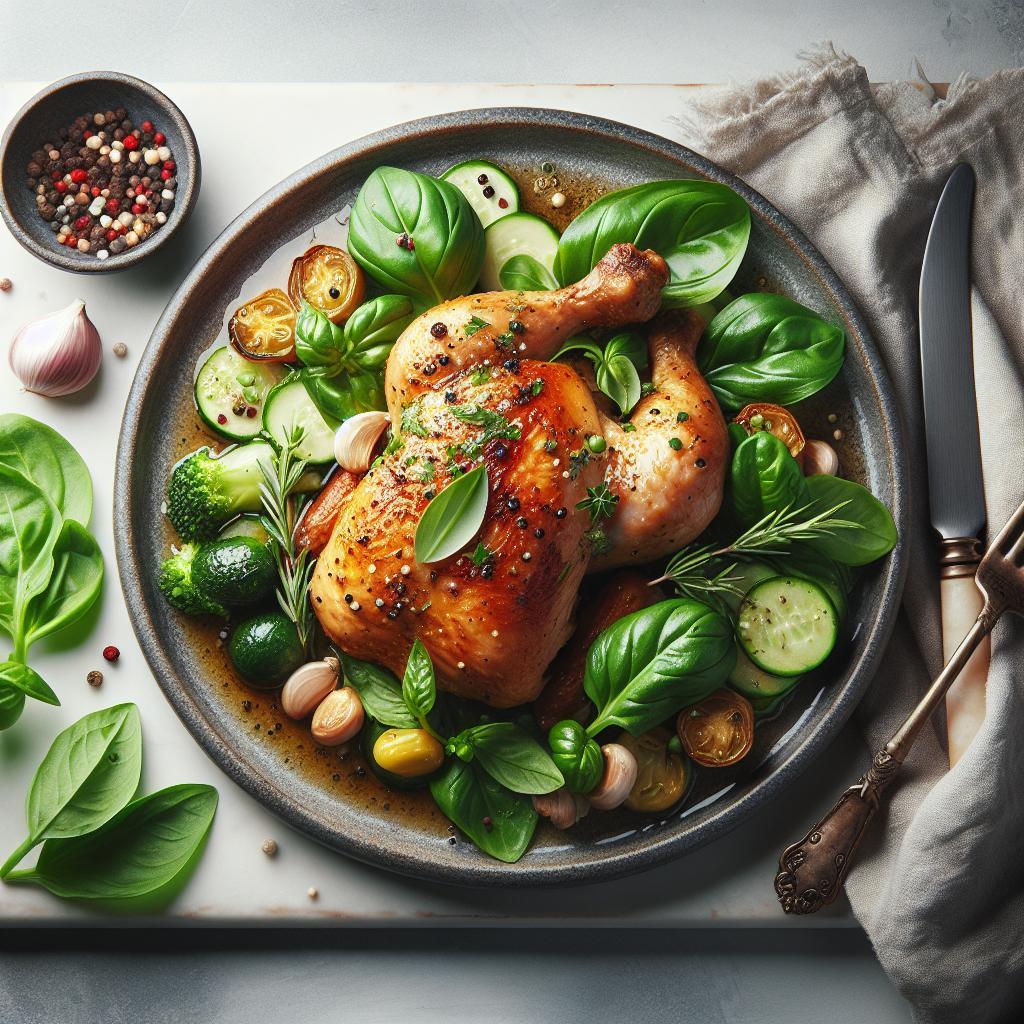

In the vast world of culinary delights, few ingredients possess the mystical power to elevate a humble chicken dish into a symphony of flavor. Hidden in plain sight, this little-known herb holds the key to unlocking a new dimension of taste that will tantalize your palate and inspire your cooking. Whether roasted, grilled, or simmered, the addition of this aromatic wonder transforms ordinary poultry into an extraordinary feast. Join us as we uncover the secrets behind this transformative herb and explore how it can revolutionize your kitchen creations.
Unlocking the Flavor: The Herb That Transforms Chicken Dishes reveals the culinary magic of fresh tarragon, a fragrant green herb known for its distinctive anise-like aroma and subtle sweet notes. Originating from the heart of French cuisine, tarragon adds an elegant lift to every chicken recipe, turning simple meals into extraordinary experiences. Whether you’re searing a golden chicken breast or simmering a comforting stew, this herb’s enchanting essence brings warmth and complexity, making it a staple for home cooks and chefs alike.
Prep and Cook Time
- Preparation: 10 minutes
- Cooking: 25 minutes
- Total Time: 35 minutes
Yield
Serves 4
Difficulty Level
Easy to Medium
Ingredients
- 4 boneless, skinless chicken breasts
- 2 tablespoons fresh tarragon leaves, finely chopped
- 1 teaspoon dried tarragon (optional, for subtlety)
- 3 tablespoons olive oil
- 2 cloves garlic, minced
- 1 cup low-sodium chicken broth
- 1/2 cup heavy cream
- 1 tablespoon Dijon mustard
- Salt and freshly ground black pepper, to taste
- 1 lemon, zested and juiced
- Fresh parsley, for garnish
Instructions
- Prepare the chicken: Pat the chicken breasts dry with paper towels. Season generously with salt, pepper, and dried tarragon if using. Set aside.
- Heat oil: In a large skillet, warm olive oil over medium-high heat. Add chicken breasts and sear until golden brown and cooked through, about 6 minutes per side depending on thickness. Remove chicken and keep warm.
- Add garlic and deglaze: Lower heat to medium, add minced garlic to the skillet, sauté until fragrant (about 30 seconds). Pour in chicken broth, scraping browned bits from the pan to deepen flavor.
- Create the sauce: Stir in heavy cream, Dijon mustard, lemon zest, and freshly chopped fresh tarragon. Simmer gently for 5-7 minutes until the sauce thickens slightly. Adjust seasoning with salt, pepper, and lemon juice to balance brightness.
- Return chicken: Nestle the chicken breasts into the sauce, allowing them to absorb the herbaceous flavors for 2 minutes on low heat.
- Serve: Plate chicken topped with generous spoonfuls of creamy tarragon sauce. Garnish with fresh parsley and a lemon wedge for an inviting presentation.
Tips for Success
- Fresh vs. dried: Use fresh tarragon whenever possible; its anise aroma is vibrant and bright. Dried tarragon can be used but add it earlier in cooking to release flavor.
- Balancing acidity: Lemon juice is crucial to cut through the richness of cream. Start with a teaspoon and adjust to your palate.
- Make-ahead: Prepare the sauce a day before and store in the fridge. Reheat gently, then add warmed chicken for quick assembly.
- Substitutions: Light cream or half-and-half works in place of heavy cream for a lighter touch, but reduce sauce simmering time to prevent curdling.
- Chicken cuts: This recipe shines with breasts but thighs or tenderloins work well too. Adjust cooking times accordingly.
Serving Suggestions
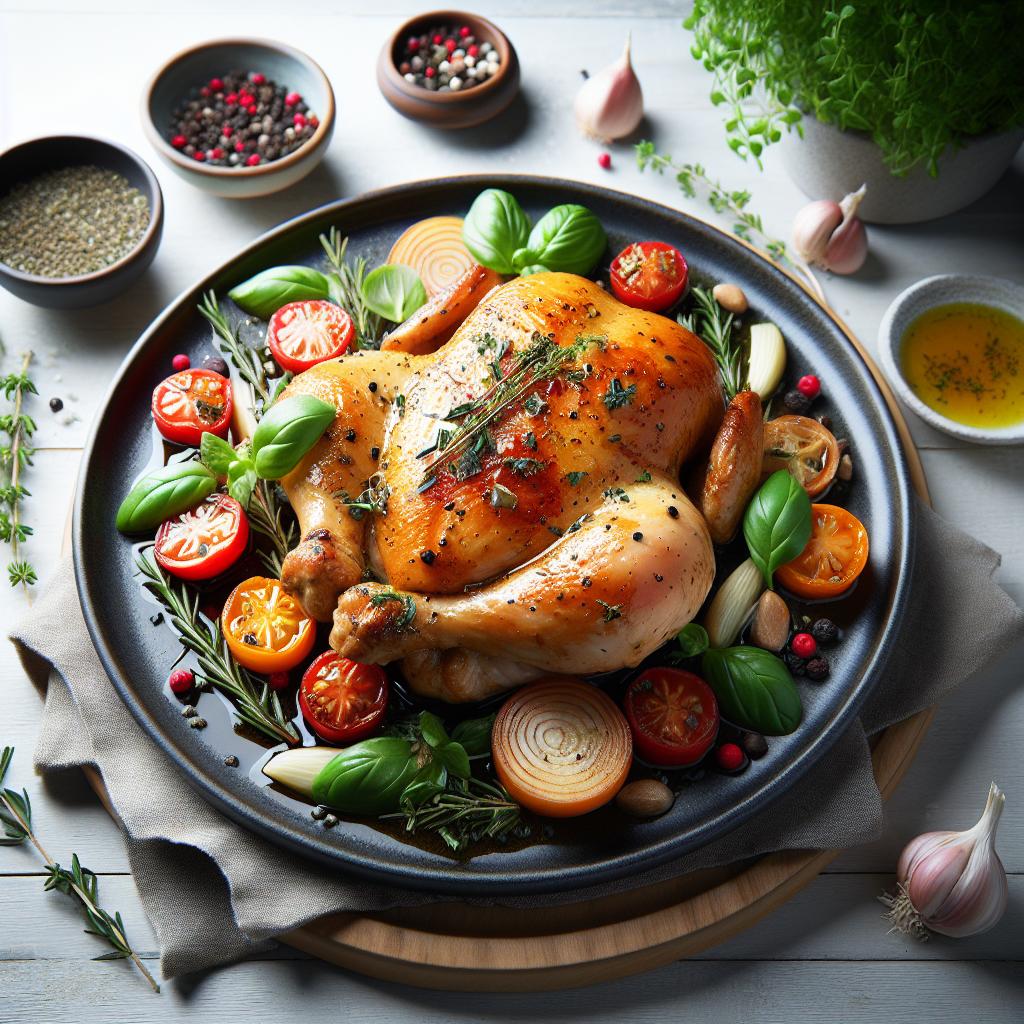
This chicken dish pairs wonderfully with fluffy herb-infused quinoa, roasted baby potatoes, or sautéed green beans. For visual appeal, sprinkle extra fresh tarragon leaves on top and accompany with lemon wedges that invite diners to add an extra zesty kick. A crisp green salad with vinaigrette adds refreshing contrast to the creamy sauce, rounding out a harmonious meal.

| Nutrient | Per Serving |
|---|---|
| Calories | 350 kcal |
| Protein | 38 g |
| Carbohydrates | 4 g |
| Fat | 18 g |
Exploring Flavor Profiles and Culinary Pairings with Tarragon
Tarragon’s signature flavor is a delicate blend of sweet, licorice-like notes paired with subtle bitterness. This herb compliments the mild, juicy sweetness of chicken perfectly. When paired with mustard and lemon, the herb reveals layers of brightness and tanginess, enhancing even the simplest of recipes.
For adventurous cooks, tarragon also harmonizes beautifully with ingredients like mushrooms, shallots, and cream-based sauces-creating luxuriously textured dishes that highlight its delicate character. Fresh herbs such as parsley and chives amplify freshness, while cracked black pepper adds warmth and depth.
Expert Tips for Incorporating Fresh and Dried Tarragon
Fresh tarragon should be added near the end of cooking to preserve its aromatic oils and bright hints. Conversely, dried tarragon’s flavor emerges best when simmered into sauces or marinades, allowing time to infuse. If only dried tarragon is available, crush it lightly before measuring to release more flavor.
Store fresh tarragon wrapped in a damp paper towel inside a plastic bag for up to one week, ensuring vibrant leaves for multiple culinary endeavors. In contrast, dried tarragon prefers a cool, dark pantry space, maintaining potency for several months.
Creative Recipes to Showcase Tarragon’s Transformative Power
- Tarragon Citrus Chicken Skewers: Marinate chicken pieces with lemon zest, dried tarragon, and garlic for grilled perfection.
- One-Pan Tarragon Chicken with Mushrooms: Sauté chicken thighs and mushrooms with fresh tarragon and shallots for a rustic, hearty meal.
- Creamy Tarragon Chicken Pasta: Toss tender chicken strips and ribbon pasta with a tarragon-infused cream sauce and toasted pine nuts.
- Herb-Butter Roasted Chicken: Combine softened butter, fresh tarragon, and garlic under the skin of a whole chicken for succulent roasting results.
Embrace the extraordinary and let this secret herb become your trusted ally in every chicken dish, promising vibrant flavors and confident culinary creativity.
For a deeper dive into classic French herbs, explore our Classic French Herbs Guide. To learn more about tarragon’s health benefits, visit the Healthline tarragon overview.
Q&A
Q: What is the herb that truly transforms chicken dishes by unlocking rich, vibrant flavors?
A: The magic herb is rosemary. Its piney, citrusy aroma and earthy undertones have the power to elevate the simplest chicken recipe into a culinary masterpiece.
Q: How does rosemary interact with chicken during cooking to enhance flavor?
A: Rosemary’s oils infuse the chicken with a fragrant, woodsy essence that balances the meat’s natural sweetness. When roasted or grilled, the herb caramelizes gently, creating an irresistible crust packed with aromatic goodness.
Q: Can fresh and dried rosemary be used interchangeably in chicken recipes?
A: While both forms add flavor, fresh rosemary offers a brighter, more vibrant note, perfect for marinades and finishing touches. Dried rosemary is more concentrated and works well in slow-cooked dishes, soaking deeply into the meat.
Q: What cooking methods bring out the best in rosemary and chicken combinations?
A: Roasting and grilling are ideal for unlocking rosemary’s full potential. These high-heat methods release the herb’s essential oils and create a savory, crispy exterior. Infusing chicken with rosemary in soups or stews also builds complex, layered flavors.
Q: Are there any seasonal ingredients that pair beautifully with rosemary and chicken?
A: Yes! Root vegetables like carrots and parsnips, fresh garlic, and lemon brightens up the dish while complimenting rosemary’s earthy profile. These ingredients together craft a balanced, aromatic experience.
Q: How can home cooks experiment with rosemary to discover their perfect chicken flavor?
A: Start by brushing chicken with rosemary-infused olive oil and roast with garlic cloves and citrus slices. Gradually explore adding rosemary to dry rubs, brines, or compound butters. Don’t be afraid to taste and adjust-the herb responds beautifully to creative culinary play.
Q: What are the health benefits of incorporating rosemary into chicken dishes?
A: Beyond flavor, rosemary is a powerful antioxidant and has anti-inflammatory properties. Including it in your cooking not only delights the palate but can support digestion and promote overall well-being.
Q: Can rosemary be used in both whole chicken and chicken cutlets recipes?
A: Absolutely! Whole chickens benefit from whole sprigs tucked under the skin and inside the cavity, while chicken cutlets shine when lightly dusted with finely chopped rosemary or paired with rosemary-infused sauces.
Q: How does rosemary compare to other herbs commonly used with chicken?
A: Unlike softer herbs like basil or parsley, rosemary’s robust and resinous character cuts through rich meats, adding depth without overwhelming the natural taste of chicken. It’s a bold yet harmonious choice that stands apart as a transformative ingredient.
Insights and Conclusions
As we’ve uncovered, the secret to elevating your chicken dishes lies not just in technique, but in the humble herb that brings vibrant life to every bite. Unlocking this culinary marvel opens a doorway to endless flavor possibilities, transforming ordinary meals into unforgettable experiences. So next time you reach for that bundle of greens at the market, remember: in the world of chicken, one herb can change everything. Embrace it, experiment boldly, and let your palate embark on a delicious adventure that celebrates the magic of fresh, fragrant flavor.