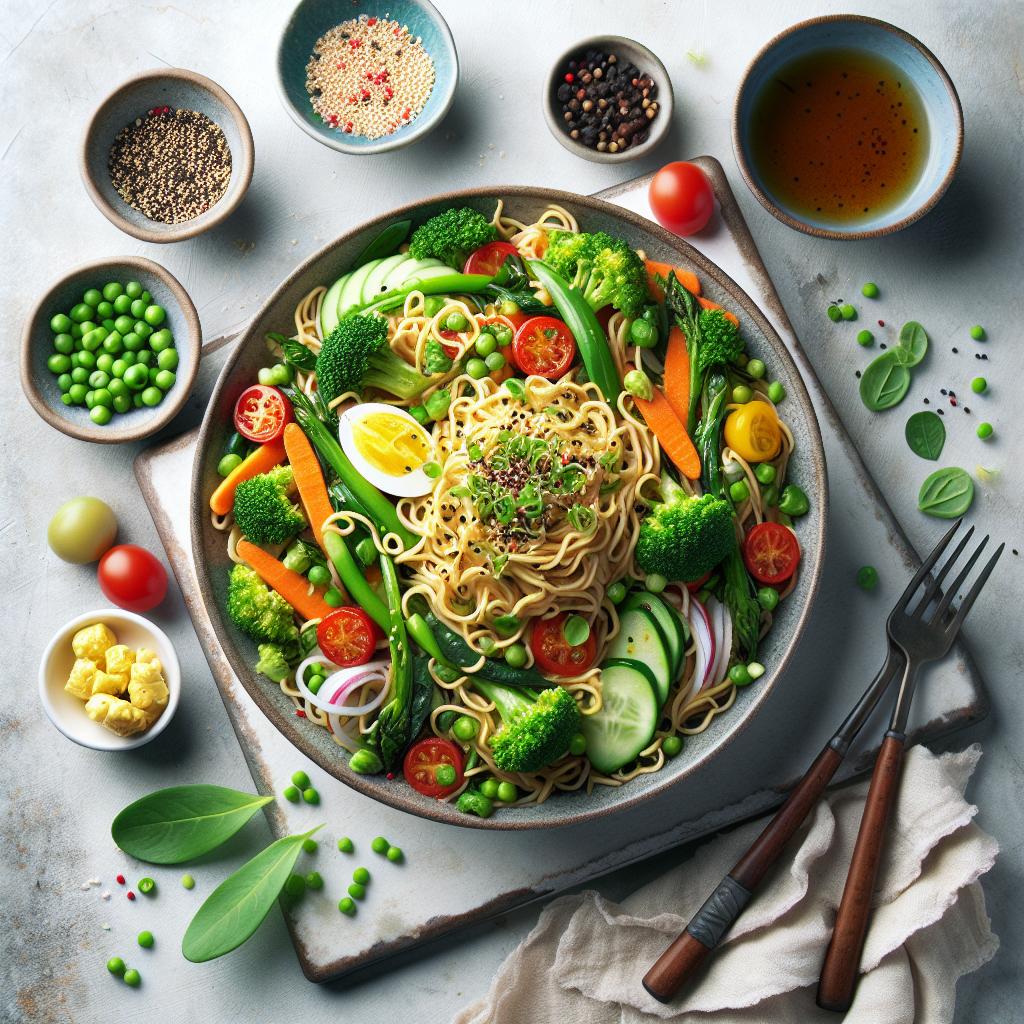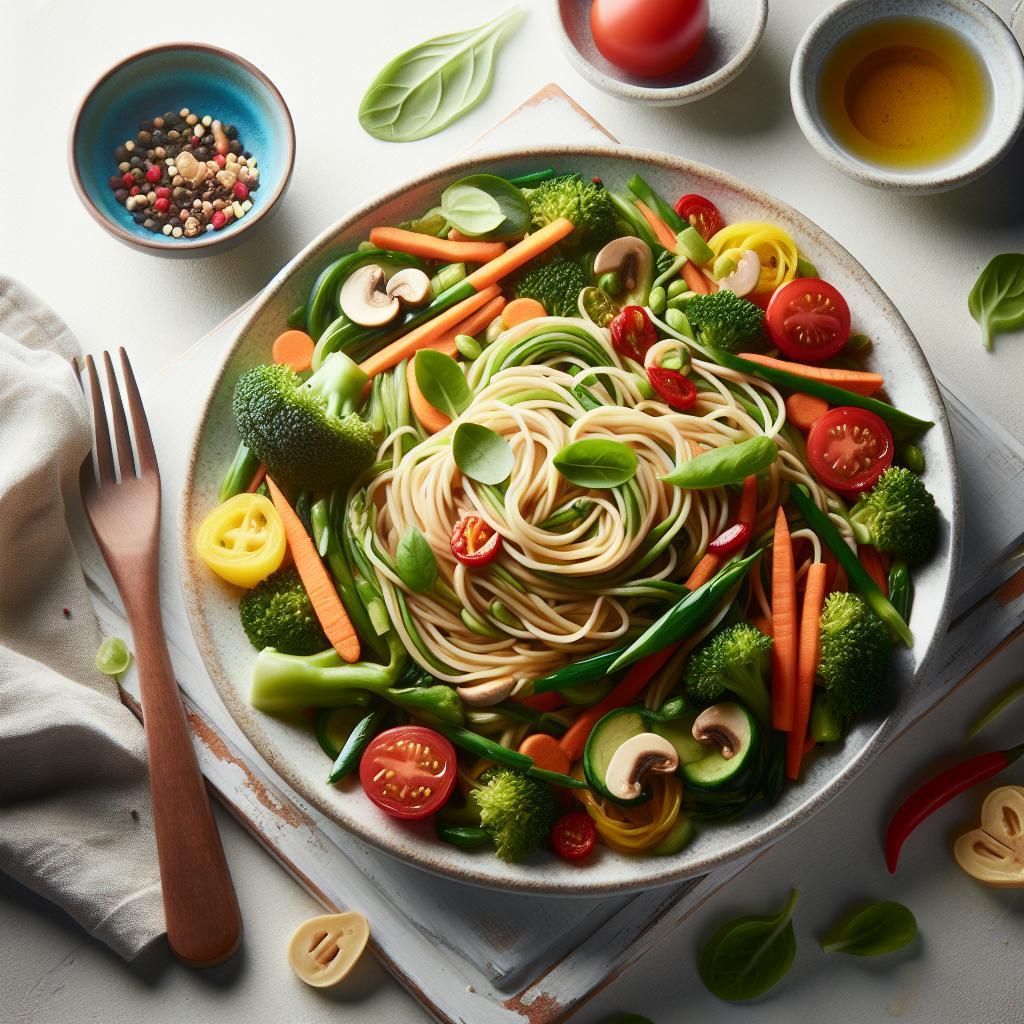

In a world where vibrant plates often steal the spotlight, veggie noodles are making a colorful splash in kitchens everywhere. These spiralized strands of nature’s freshest vegetables aren’t just a feast for the eyes-they’re a deliciously innovative way to embrace healthy eating without sacrificing flavor or fun. From zucchini ribbons to bright beet curls, veggie noodles offer a versatile canvas that transforms everyday meals into a celebration of color, texture, and nourishment. Join us as we explore this fresh twist on classic noodles and discover how adding a rainbow of veggies to your plate can revolutionize the way you think about healthy eating.
- Exploring the Vibrant World of Veggie Noodles and Their Nutritional Benefits
- Prep and Cook Time
- Yield
- Difficulty Level
- Ingredients
- Instructions
- Chef’s Notes: Tips for Success
- Flavor Pairings and Sauces That Elevate Your Veggie Noodle Experience
- Essential Tools and Tips for Making Veggie Noodles at Home
- Q&A
- Concluding Remarks
Exploring the Vibrant World of Veggie Noodles and Their Nutritional Benefits
Veggie noodles transform traditional meals into a colorful celebration of health and flavor, offering a delightful twist that’s as nourishing as it is visually stunning. This creative culinary approach replaces standard pasta with spiralized vegetables like zucchini, carrots, and beets, making veggie noodles an excellent choice for anyone seeking to boost their vegetable intake while enjoying varied textures and vibrant hues on the plate.
Originating from the fusion of plant-based diets and modern culinary innovation, veggie noodles have become a favorite for their lightness, versatility, and nutrient density. Rich in fiber, antioxidants, essential vitamins, and minerals, these noodles help support digestion, enhance immune function, and deliver a low-calorie alternative that satisfies both taste buds and wellness goals.
Prep and Cook Time
- Preparation: 15 minutes
- Cooking: 5-7 minutes
- Total Time: 22 minutes
Yield
Serves 4 generous portions
Difficulty Level
Easy to Medium – Perfect for beginners with a few simple kitchen tools
Ingredients
- 3 medium zucchinis (spiralized)
- 2 large carrots (spiralized)
- 1 medium beet (spiralized, optional for color contrast)
- 1 tbsp olive oil
- 2 cloves garlic (minced)
- 1/4 cup fresh basil leaves (chopped)
- 1/4 cup cherry tomatoes (halved)
- 1/2 tsp sea salt
- 1/4 tsp black pepper
- 1 tbsp lemon juice
- 1/4 cup toasted pine nuts (optional garnish)
Instructions
- Prepare the veggie noodles: Using a spiralizer, carefully create long ribbons or spirals of zucchini, carrots, and beet. If you don’t have a spiralizer, a julienne peeler works beautifully to create thin strips.
- Heat the olive oil in a large skillet over medium heat. Add the minced garlic and sauté until fragrant, about 1 minute, stirring constantly to prevent burning.
- Add the carrot and beet noodles first, since they take slightly longer to soften. Sauté for 3-4 minutes, stirring often to maintain texture.
- Next, gently fold in the zucchini noodles, cooking for an additional 2-3 minutes until just tender but still slightly crisp. Avoid overcooking to preserve texture and nutrients.
- Season with sea salt, black pepper, and lemon juice, tossing everything together to combine fresh flavors.
- Remove from heat and stir in fresh basil leaves and halved cherry tomatoes. The residual warmth will lightly wilt the basil while preserving its vibrant color and aroma.
- Serve immediately, garnished with toasted pine nuts for a delightful crunch if desired.
Chef’s Notes: Tips for Success
- Choose firm, fresh vegetables for crisp veggie noodles that hold up during cooking.
- To prevent watery dishes, gently pat spiralized veggies with paper towels before cooking to remove excess moisture.
- Experiment with different vegetable combinations like yellow squash, cucumber, or sweet potato to add unique colors and flavors.
- Use a non-stick skillet to minimize oil use and avoid noodles sticking or breaking.
- For a make-ahead option, spiralize the veggies and store them in an airtight container with a paper towel to absorb moisture; cook just before serving.
Flavor Pairings and Sauces That Elevate Your Veggie Noodle Experience
Veggie noodles are wonderfully versatile and take on flavors exceptionally well. Bright, herbaceous pestos made from basil or cilantro harmonize beautifully, as do creamy avocado-based sauces that add richness without heaviness. For a zestier profile, try a tangy tomato and red pepper coulis or a light sesame-ginger dressing that infuses an Asian flair.
Spices like smoked paprika, cumin, or crushed red pepper flakes can add dimension, while fresh lemon zest and juice brighten the overall dish. Don’t hesitate to toss in toasted nuts, seeds, or varying cheese alternatives like crumbled feta or nutritional yeast for added umami and texture.
Essential Tools and Tips for Making Veggie Noodles at Home
Achieving perfect veggie noodles begins with the right tools:
- Spiralizer: Electric or hand-crank models make quick work of creating uniform, attractive noodles.
- Julienne peeler: An economical alternative producing thin ribbons perfect for salads or lighter sautéing.
- Mandoline slicer: Ideal for creating fine, consistent vegetable strips if you prefer thinner noodles.
- Sharp knives: For batch prepping vegetables smoothly and safely.
Keep a clean, dry kitchen towel handy to absorb moisture from the freshly spiralized veggies – this preserves their best texture during cooking. Additionally, when sautéing, always cook over medium heat and stir gently to avoid breaking the delicate noodles.
| Nutrient | Per Serving |
|---|---|
| Calories | 110 kcal |
| Protein | 3 g |
| Carbohydrates | 15 g |
| Fat | 5 g |
For a deeper dive into more vegetable-based recipes that emphasize health and creativity, check out our healthy plant-based recipes collection. Expand your culinary repertoire while nourishing your body!
Learn more about the scientifically-backed nutritional benefits of vegetables with this comprehensive resource from The British Nutrition Foundation.

Q&A
Q&A: Veggie Noodles – A Colorful Twist on Healthy Eating
Q1: What exactly are veggie noodles?
A1: Veggie noodles are strands or ribbons made from vegetables instead of traditional wheat pasta. Think spiralized zucchini, carrot ribbons, or sweet potato spirals that mimic the shape and texture of classic noodles, but offer a vibrant, nutrient-packed alternative.
Q2: Why should I choose veggie noodles over regular pasta?
A2: Veggie noodles bring more vitamins, minerals, and fiber to your plate. They are lower in calories and carbs, making them a fantastic option if you want to enjoy a filling meal without the heaviness of refined grains. Plus, their vibrant colors make every dish visually exciting!
Q3: Which vegetables work best for making veggie noodles?
A3: Some of the top veggie noodle candidates include zucchini, carrots, cucumbers, sweet potatoes, beets, and butternut squash. Each veggie offers a unique taste and texture-zucchini is light and mild, while beets add an earthy sweetness and a deep magenta hue.
Q4: How do I turn vegetables into noodles?
A4: The easiest way is to use a spiralizer, a handheld tool designed to cut veggies into long, noodle-like strands. If you don’t have one, a julienne peeler or mandoline slicer also works well. For a rustic touch, use a regular vegetable peeler to create wide vegetable ribbons.
Q5: Can veggie noodles be cooked the same way as traditional pasta?
A5: Veggie noodles cook quicker and require gentler methods. A quick sauté or blanching for 2-3 minutes is enough to soften them while keeping some crunch and nutrients intact. Overcooking can make them mushy, so less is more!
Q6: What are some popular dishes using veggie noodles?
A6: Veggie noodle dishes range from fresh salads tossed in a tangy dressing to warm, comforting bowls with tomato or pesto sauce. You can enjoy them stir-fried with garlic and ginger, mixed into soups, or topped with your favorite plant-based pesto or tomato-based sauces.
Q7: Are veggie noodles suitable for people with dietary restrictions?
A7: Absolutely! Because veggie noodles are naturally gluten-free, low-carb, and vegan, they are perfect for those with gluten intolerances, diabetics, or anyone looking to eat plant-based. They’re as inclusive as they are delicious.
Q8: How can I keep veggie noodles fresh and crisp before cooking?
A8: Store spiralized veggies in an airtight container lined with a paper towel to absorb excess moisture. Keeping them cool in the fridge helps preserve their crunchiness and prevents them from getting watery.
Q9: Can veggie noodles satisfy carb cravings?
A9: Veggie noodles won’t taste exactly like traditional pasta, but their texture and versatility trick the palate delightfully. Combining them with robust sauces, herbs, and spices can create hearty meals that fulfill your noodle cravings in a lighter, healthier way.
Q10: Any creative tips for jazzing up veggie noodle dishes?
A10: Experiment with layering raw and cooked veggie noodles for texture contrast, toss in nuts or seeds for crunch, or drizzle with flavored oils and fresh herbs. Brighten your bowl with edible flowers or a squeeze of fresh citrus juice for a refreshing zing. The canvas of veggie noodles invites endless delicious creativity!
Concluding Remarks
Embracing veggie noodles is more than just a culinary trend-it’s a vibrant celebration of nature’s bounty on your plate. These colorful strands invite you to explore a world where nutrition meets creativity, turning everyday meals into delightful adventures. Whether twirling zucchini ribbons or savoring beetroot spirals, you’re not only nourishing your body but also painting your diet with the hues of health. So next time you crave a meal that’s as visually stunning as it is wholesome, remember: veggie noodles are your ticket to a flavorful, fresh, and fun way of eating well. Dive in, get inspired, and let your fork dance through this colorful twist on healthy living!