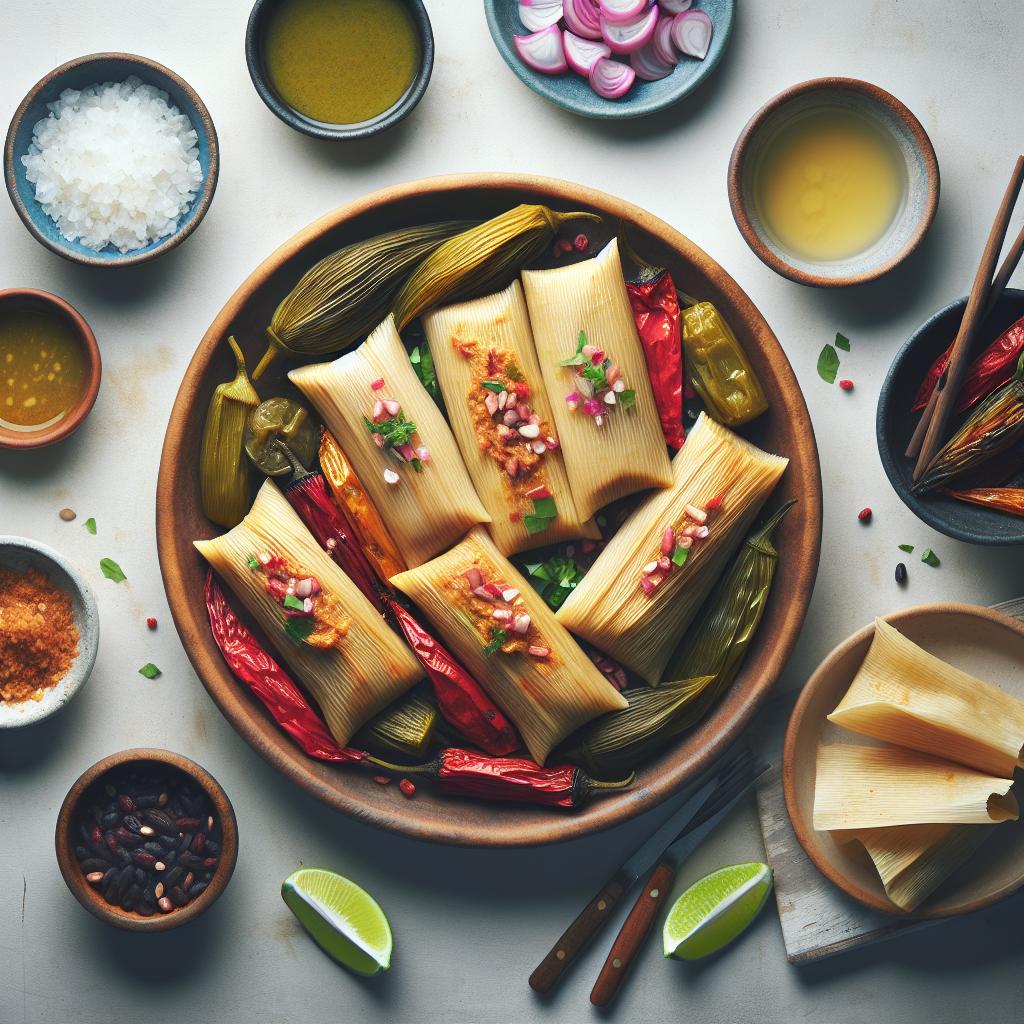

Beneath the humble husk of a Mexican tamale lies a centuries-old story woven with culture, flavor, and tradition. More than just a savory treat, tamales are edible heirlooms, passed down through generations and wrapped in the warmth of family gatherings and festive celebrations. In this article, we will unwrap the rich tapestry of history and artistry behind these beloved parcels-exploring their origins, the meticulous craft of preparation, and the regional variations that make tamales a vibrant symbol of Mexican heritage. Join us as we delve into the delicious world where tradition meets taste, and discover why tamales remain a cherished centerpiece on tables across Mexico and beyond.
Unwrapping Tradition: The Art of Mexican Tamales Explained
Unwrapping Tradition: The Art of Mexican Tamales Explained invites you on a flavorful journey deep into one of Mexico’s most beloved culinary treasures. Tamales, wrapped in cornhusks and steamed to tender perfection, carry with them stories of heritage, family gatherings, and festive celebrations. The vibrant textures and aromas start with the masa-the dough-with its delicate balance of moisture and grainy richness. Mastering masa and exploring traditional fillings is the heart of creating tamales that sing authentic Mexican flavors, while expert wrapping and steaming techniques ensure the perfect, tender bite every time.
Prep and Cook Time
- Preparation: 1 hour 30 minutes
- Cooking: 1 hour 15 minutes
- Total Time: 2 hours 45 minutes
Yield
Makes approximately 24 tamales
Difficulty Level
Medium – requires patience and practice but rewarding with each step mastered
Ingredients
- 4 cups masa harina (masa flour for tamales)
- 1 1/2 cups vegetable broth (warm)
- 1 cup vegetable shortening or unsalted butter, softened
- 2 teaspoons baking powder
- 2 teaspoons kosher salt
- 24 dried cornhusks (soaked in warm water for 1 hour)
- 2 cups cooked chicken, shredded (or cooked black beans for a vegetarian alternative)
- 1 1/2 cups red chile sauce (mild or medium heat), see notes for recipe link
- Fresh cilantro for garnish
- Lime wedges for serving
Instructions
- Prepare the husks: Soak dried cornhusks in warm water for at least 1 hour. Drain and pat dry just before using.
- Mix masa dough: In a large bowl, combine masa harina, baking powder, and kosher salt. Gradually add the warm vegetable broth, stirring until a dough forms.
- Whip shortening: Using a stand mixer or hand mixer, beat the vegetable shortening until fluffy (about 3 minutes). Slowly add the masa dough in batches, continuing to beat until the mixture is light and airy. The dough should be spreadable but not runny. If too dry, add a little more broth, a tablespoon at a time.
- Assemble the tamales: Lay one cornhusk flat with the smooth side down. Spread about 2 tablespoons of masa dough onto the center, leaving a 1-inch border on all sides.
- Add filling: Spoon 1-2 tablespoons of shredded chicken mixed with red chile sauce onto the masa. Smooth gently but avoid mixing the filling into the dough.
- Wrap securely: Fold the sides of the husk around the filling and dough, then fold the bottom up and the top down to secure. Repeat with all husks and filling.
- Steam the tamales: Arrange tamales standing upright in a large steamer pot with a couple of inches of boiling water at the bottom. Cover the top with a damp cloth and place the lid tightly. Steam for 1 to 1 1/4 hours, checking water levels every 20 minutes and adding boiling water as needed.
- Check doneness: Tamales are ready when the masa easily separates from the husk. Allow to rest for 10 minutes before serving.
Tips for Success
- Water temperature matters: Use warm vegetable broth for best masa texture; cold liquid can make the dough tough.
- Test masa readiness: Drop a small piece of dough into cold water. If it floats, it’s perfectly whipped and ready to use.
- Prep ingredients in advance: Shredded chicken can be cooked earlier, saving time on assembly day.
- Experiment with fillings: Try sautéed mushrooms, roasted poblano peppers, or cheese with epazote for exciting vegetarian options.
- Wrap tightly but gently: Practice folding so the tamales hold together without squeezing out the filling.
- Make ahead and freeze: Uncooked tamales freeze beautifully wrapped tightly in plastic wrap and foil; steam directly from frozen by adding extra cooking time.
Serving Suggestions
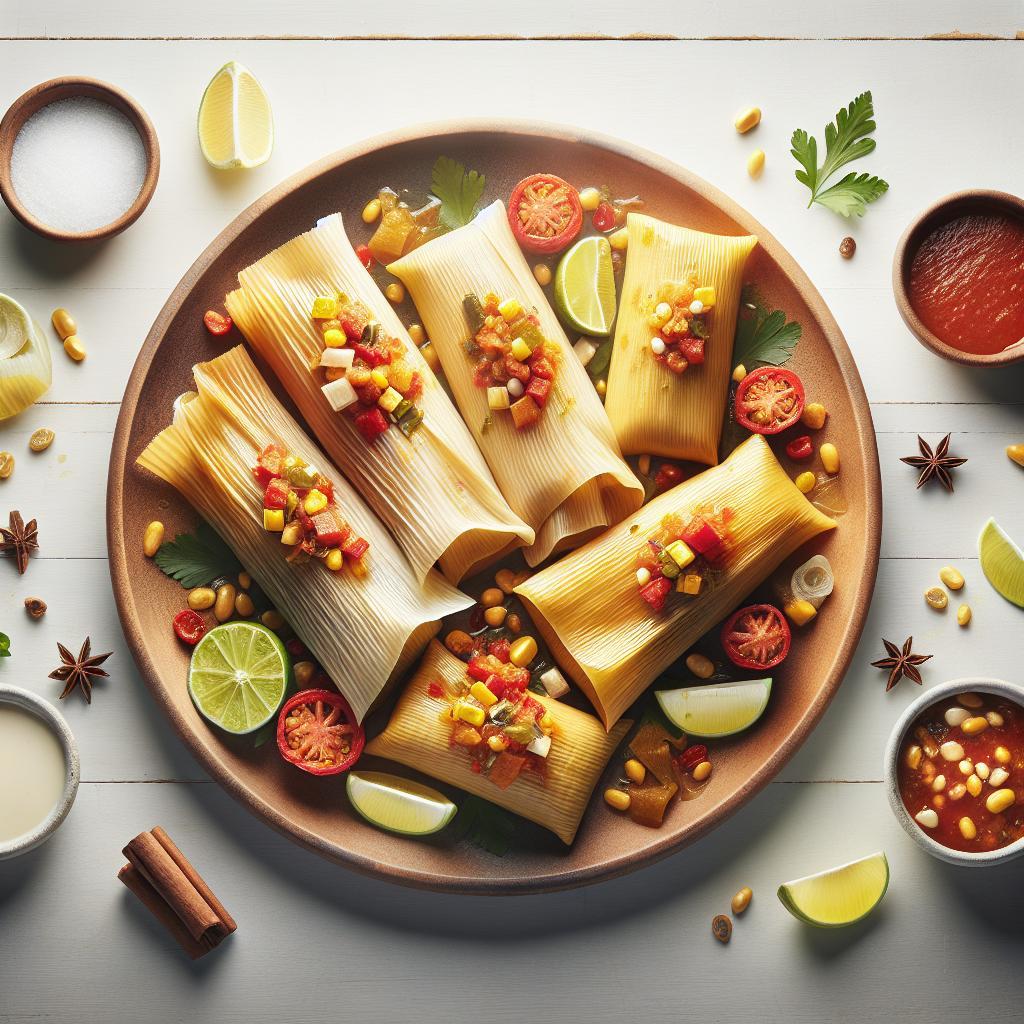
Present your tamales on rustic wooden platters lined with fresh corn husks for an authentic touch. Garnish with chopped fresh cilantro and offer lime wedges on the side for a zesty finish. Serve with a side of Mexican rice, fresh salsa roja, and a dollop of creamy guacamole to create a vibrant feast that celebrates Mexican tradition. For a touch of sweetness, pair with atole or champurrado to complement the savory richness of the tamales.
| Nutrient | Amount per Tamale |
|---|---|
| Calories | 210 kcal |
| Protein | 8 g |
| Carbohydrates | 28 g |
| Fat | 7 g |
Explore our authentic Red Chile Sauce recipe for the perfect topping. For further reading about the deep-rooted customs surrounding tamales, consider this Library of Congress cultural overview.

Q&A
Q&A: Unwrapping Tradition: The Art of Mexican Tamales Explained
Q1: What exactly is a tamale?
A tamale is a traditional Mexican dish made of masa, a dough from nixtamalized corn, which is carefully wrapped in corn husks or banana leaves and steamed to perfection. It holds a rich cultural significance, often prepared for celebrations and shared moments.
Q2: Why are tamales wrapped before cooking?
Wrapping tamales serves multiple purposes: it keeps the masa moist during steaming, imparts subtle flavor from the husks or leaves, and forms a natural, edible “package” that makes tamales easy to handle and share. The unwrapping itself is a small ritual that connects eaters to generations of tradition.
Q3: What fillings are commonly used in tamales, excluding pork?
Tamales are incredibly versatile! Popular fillings include shredded chicken, beef brisket, cheese with roasted peppers, or hearty vegetables like squash blossoms, mushrooms, and rajas (strips of poblano peppers). Sweet tamales can feature fillings like fruit preserves, nuts, or sweetened masa.
Q4: How important is the masa, and what makes a great tamale dough?
The masa is the soul of the tamale. It must be freshly prepared with finely ground corn flour, well-seasoned with broth or spices, and mixed to the right consistency-light and fluffy but sturdy enough to hold fillings without falling apart. The quality of masa can elevate a tamale from good to unforgettable.
Q5: What is the significance of the wrapping materials? Are corn husks the only option?
Corn husks are traditional and readily available, offering a mild, earthy aroma to the tamales. However, in southern regions of Mexico, banana leaves are often used. They provide a different scent and flavor, and their large, pliable leaves create a beautiful, glossy package that’s especially popular for larger or more elaborate tamales.
Q6: Can tamales be made ahead of time? How should they be stored?
Absolutely! Tamales are often made in large batches, especially during festivals. After steaming, let them cool, then store them wrapped in airtight containers or tightly covered in the refrigerator for several days. For longer storage, freeze the tamales in their wrappers and reheat by steaming directly from frozen.
Q7: What makes tamales a symbol of community and celebration?
Making tamales is a labor of love that traditionally involves family and friends coming together to prepare the masa, assemble the fillings, and wrap hundreds of tamales in a joyful, collaborative event called a “tamalada.” This process fosters connection, storytelling, and the passing of heritage, making tamales more than just food-they are a celebration of culture and kinship.
Q8: How can someone new to tamales appreciate their cultural depth beyond taste?
To truly appreciate tamales, one should delve into their history and the role they play in Mexican life-from indigenous origins to modern festivities. Participating in a tamalada or learning from an experienced cook allows immersion in the rituals, stories, and craftsmanship behind every tamale’s creation, transforming each bite into a moment of cultural homage.
Q9: Are tamales always savory, or do sweet varieties exist?
Sweet tamales are a delicious counterpart to the savory ones. They can be filled or flavored with ingredients like cinnamon, raisins, dried fruit, chocolate, or even pineapple. The masa may be sweetened with sugar or natural sweeteners, offering a delightful dessert option that showcases the tamale’s versatility.
Q10: What tips would you give for someone attempting to make tamales at home for the first time?
Start with a well-tested recipe and assemble all ingredients before you begin-the process flows best in an assembly line style. Don’t rush the masa preparation; good texture is key. Wrap tamales snugly but not too tight, to allow steam circulation. And most importantly, enjoy the journey-the process is as meaningful as the final taste.
The Way Forward
As we gently peel back the layers of this cherished tradition, the art of Mexican tamales reveals far more than just a flavorful dish-it becomes a vibrant tapestry woven with history, culture, and communal spirit. Each tamale, wrapped with care and patience, carries stories passed down through generations, embodying the heart and soul of Mexico’s culinary heritage. Whether enjoyed during festive celebrations or quiet family gatherings, tamales remind us that food is not merely sustenance but a binding force that connects us to our roots and to one another. So next time you unwrap a tamale, savor not only its rich flavors but the tradition it lovingly preserves-a true taste of Mexico’s enduring legacy.